

Estimated Reading Time: 11 minutes
TL;DR: Boost Your Farm's Health and Wealth Organically
Key Takeaways: Actionable Steps for Organic Soil Fertility
Table of Contents
- Introduction: Cultivating a Greener Future for Kenyan Agriculture
- Background & Context: The Shifting Tides of Kenyan Farming
- Key Insights & Strategies for Organic Soil Fertility
- 1. The Power of Composting: Turning Waste into Gold
- 2. Strategic Crop Rotation: Nature's Fertilizer Factory
- 3. Biochar: The Ancient Secret for Modern Soil Health
- 4. Natural Soil pH Management: Balancing for Growth
- 5. Efficient Water Management: Thriving in Arid Climates
- Case Studies: Kenyan Farmers Leading the Organic Revolution
- Common Mistakes to Avoid in Organic Soil Management
- Expert Tips & Best Practices from Biofarm Kenya
- Future Trends & Innovations in Kenyan Sustainable Agriculture
- Conclusion: Sowing Seeds of Sustainability
- FAQs: Your Organic Soil Fertility Questions Answered
Introduction: Cultivating a Greener Future for Kenyan Agriculture
The backbone of Kenya’s economy, agriculture, faces significant challenges from climate change, soil degradation, and the escalating cost of synthetic inputs. In response, Kenyan farmers are increasingly seeking alternatives to chemical fertilizers, recognizing their long-term impact on soil health and farm profitability. This guide is specifically designed to train farmers to enhance soil fertility using organic methods like composting, crop rotation, and biochar. These practices are not just environmentally friendly; they are economically smart. Evidence from a recent KALRO (Kenya Agricultural and Livestock Research Organization) 2025 study strongly suggests that these organic practices improve long-term yields and significantly reduce input costs by 30–50%.
By focusing on natural processes, farmers can regenerate their land, build resilience against climatic shocks, and secure a sustainable future for their livelihoods. Join us as we explore the practical, proven strategies that can boost your yields and cut costs, starting from the ground up.
Background & Context: The Shifting Tides of Kenyan Farming
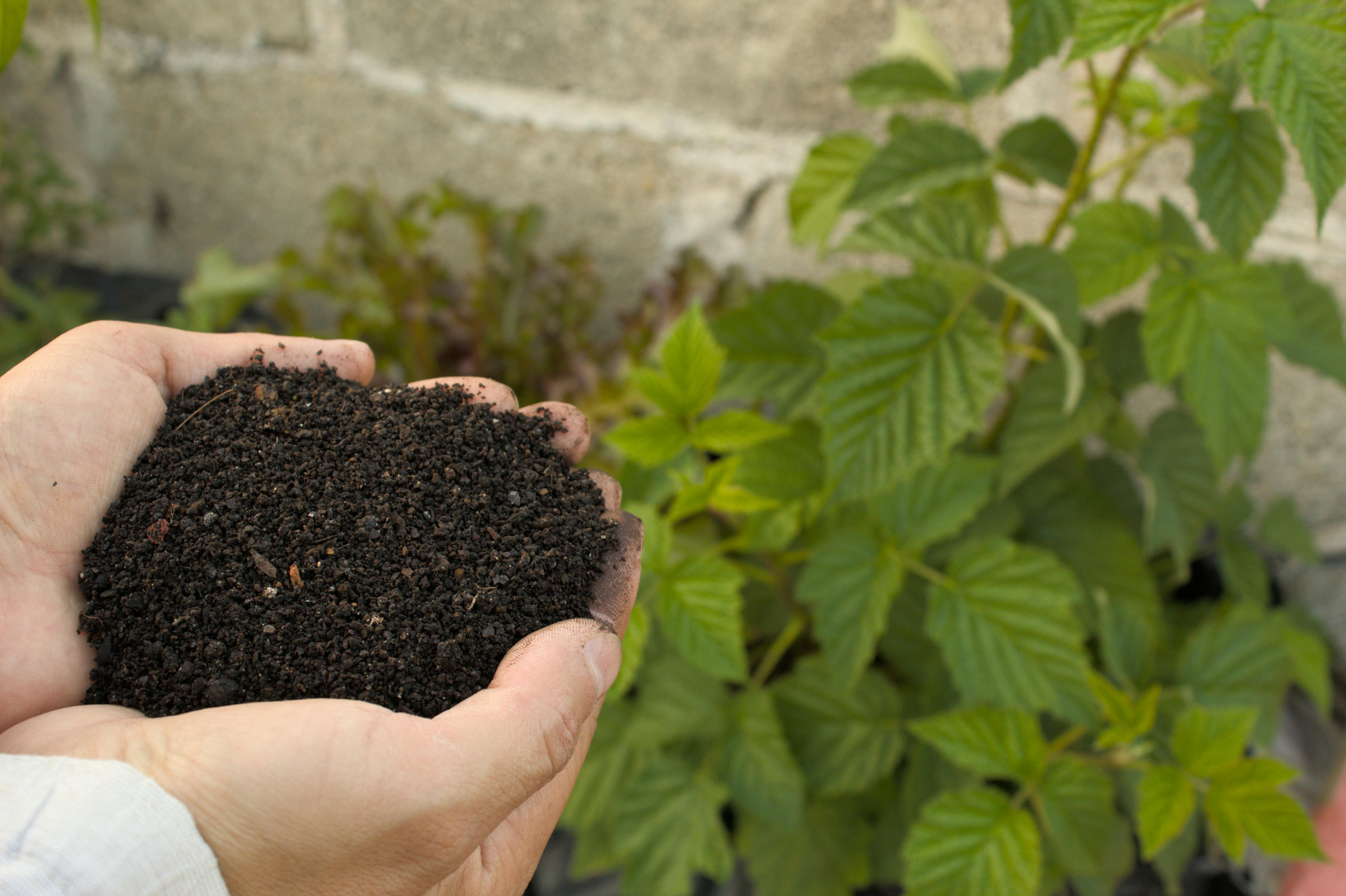
For decades, conventional farming methods, heavily reliant on synthetic fertilizers and pesticides, dominated the agricultural landscape in Kenya. While initially boosting yields, these practices have led to widespread soil degradation, reduced biodiversity, and increased vulnerability to pests and diseases. According to the National Environment Management Authority (NEMA), over 30% of Kenya's arable land suffers from moderate to severe soil degradation, threatening food security and farmer incomes.
However, a significant shift is underway. Organic farming and sustainable agriculture are gaining momentum, championed by organizations like Biofarm Kenya and embraced by progressive farmers. The organic market in Kenya has seen consistent growth, estimated to expand by 15-20% annually, driven by both domestic demand for healthier food and export opportunities. Farmers are realizing that investing in soil health through organic means is not an expense, but a vital long-term investment that pays dividends in sustained productivity, reduced input dependency, and access to premium markets. This transition is crucial for ensuring the ecological and economic vitality of Kenya’s agricultural sector.
Key Insights & Strategies for Organic Soil Fertility

Achieving optimal soil fertility organically requires a multifaceted approach that mimics nature's own regenerative cycles. Here are proven strategies that can transform your farm's productivity and sustainability:
1. The Power of Composting: Turning Waste into Gold
Composting is the cornerstone of organic soil fertility. It involves decomposing organic materials like crop residues, animal manure, and kitchen waste into a nutrient-rich soil amendment. This 'black gold' improves soil structure, water retention, and provides a slow-release source of essential nutrients, significantly reducing the need for purchased fertilizers.
- Select Materials: Combine 'greens' (nitrogen-rich: fresh grass clippings, food scraps) and 'browns' (carbon-rich: dry leaves, straw, wood chips) in a 2:1 brown-to-green ratio.
- Build Your Pile: Layer materials, ensuring adequate moisture (like a damp sponge) and aeration. A well-constructed compost pile will heat up, killing weed seeds and pathogens. For efficient decomposition, consider an enclosed system like the Outdoor Composting Box for Backyard – available on Amazon.
- Turn Regularly: Turn the pile every few days or weeks to aerate it and speed up decomposition.
- Apply Finished Compost: Once dark, crumbly, and earthy-smelling, spread the compost thinly over garden beds or incorporate it into planting holes.
2. Strategic Crop Rotation: Nature's Fertilizer Factory
Crop rotation involves planting different crops in a sequence on the same piece of land. This practice is vital for breaking pest and disease cycles, improving nutrient cycling, and enhancing soil structure. Legumes, in particular, play a crucial role by fixing atmospheric nitrogen into the soil, naturally enriching it for subsequent crops.
- Plan Your Rotation: Divide your farm into sections and rotate crops from different plant families (e.g., legumes, cereals, root crops) over several seasons.
- Integrate Legumes: Include nitrogen-fixing crops like beans, peas, or groundnuts in your rotation. These crops enrich the soil with natural nitrogen, benefiting the next crop.
- Follow with Heavy Feeders: Plant crops that require a lot of nutrients, like maize or kale, after legumes to utilize the fixed nitrogen.
- Observe and Adapt: Monitor your soil and crop health to fine-tune your rotation plan based on local conditions and specific crop needs.
3. Biochar: The Ancient Secret for Modern Soil Health
Biochar is a charcoal-like substance made from biomass (e.g., agricultural waste) through a process called pyrolysis. When added to soil, it acts as a permanent soil enhancer, significantly improving water retention, nutrient availability, and microbial activity, especially in degraded or sandy soils common in many parts of Kenya.
- Source Quality Biochar: Ensure the biochar is produced sustainably and is of high quality. Biofarm Kenya can guide you on reliable local sources.
- Charge the Biochar: Before application, 'charge' the biochar by mixing it with compost, manure, or liquid fertilizers to infuse it with nutrients and beneficial microbes.
- Incorporate into Soil: Apply charged biochar to your soil at a rate of 5-10% by volume in the topsoil, either by broadcasting and tilling or mixing into planting holes.
4. Natural Soil pH Management: Balancing for Growth
Soil pH dictates nutrient availability. Most crops thrive in slightly acidic to neutral soils (pH 6.0-7.0). Organic methods can help balance pH naturally without harsh chemicals. Regular testing is key to making informed decisions. Boost your yields with the Soil pH Test Kit (3-9 Range) – available on Amazon for quick and easy readings.
- Test Your Soil: Use a simple soil pH test kit regularly to understand your soil's current state.
- Adjust with Organic Amendments:
- To lower pH (make it more acidic): Add compost, pine needles, or peat moss.
- To raise pH (make it more alkaline): Add wood ash (in moderation) or finely ground limestone.
- Monitor Progress: Retest your soil after a few months to see the effects of your amendments and adjust as needed.
5. Efficient Water Management: Thriving in Arid Climates
With unpredictable rainfall patterns in Kenya, efficient water management is paramount for sustainable farming. Organic practices significantly improve soil's water-holding capacity, making crops more resilient to drought.
- Mulching: Apply a thick layer of organic mulch (straw, dry leaves, wood chips) around plants to reduce evaporation, suppress weeds, and regulate soil temperature.
- Drip Irrigation: Implement drip irrigation systems to deliver water directly to the plant roots, minimizing waste. Consider a Drip Irrigation Kit for Small Farms – available on Amazon for an efficient setup.
- Rainwater Harvesting: Collect and store rainwater for irrigation, reducing reliance on external water sources.
- Improve Soil Structure: The consistent application of compost and biochar, as discussed, inherently improves soil aggregation and water infiltration, allowing your soil to hold more moisture.
By integrating these key strategies, you're not just farming; you're building a resilient, productive, and economically viable agricultural ecosystem. To delve deeper into these methods and find tailored solutions for your farm, explore sustainable organic farming solutions with Biofarm Kenya.
Case Studies: Kenyan Farmers Leading the Organic Revolution
Across Kenya, pioneering farmers are demonstrating the tangible benefits of organic soil fertility. These success stories serve as powerful examples for others considering the transition:
The Story of Mama Akinyi, Kisumu: Mama Akinyi, a smallholder farmer in Kisumu, struggled with declining maize yields and high fertilizer costs. After attending a Biofarm Kenya workshop on composting and crop rotation, she began transforming her farm. She started a large compost pile using household waste, crop residues, and animal manure. She also introduced beans and groundnuts into her maize fields in a rotational system. Within two seasons, her soil's organic matter content increased by 1.5%, maize yields improved by 40%, and her expenditure on synthetic fertilizers dropped to almost zero. Her success has inspired neighbors to adopt similar practices.
Greenhouse Farming in Limuru: In Limuru, a collective of young farmers established a community greenhouse, focusing on high-value organic vegetables like bell peppers and tomatoes. They meticulously manage their soil using a blend of biochar, vermicompost, and organic liquid fertilizers. Their precise soil management, combined with efficient drip irrigation, has led to consistent, premium-quality produce. They've secured contracts with urban organic markets, demonstrating that organic farming can be highly profitable and a reliable source of income. This project highlights the potential for controlled environment agriculture coupled with organic practices in Kenya.
These examples underscore the findings of organizations like the Food and Agriculture Organization (FAO) in Kenya, which consistently advocate for sustainable land management practices to enhance food security and rural livelihoods. The success of these farmers is a testament to the fact that organic soil fertility is not just an ideal, but a practical, profitable reality for Kenyan agriculture.
Common Mistakes to Avoid in Organic Soil Management
Transitioning to organic soil fertility can present a learning curve. Avoiding these common pitfalls will help ensure a smoother and more successful journey:
- Impatience and Expecting Instant Results: Organic farming builds soil health over time. Unlike synthetic fertilizers that provide an immediate, albeit temporary, boost, organic methods require patience. Expect visible improvements over several seasons, not weeks. Avoid the mistake of giving up too soon.
- Insufficient Composting: Many farmers either don't compost enough or don't manage their compost piles effectively. A poorly managed compost pile won't break down properly or may not reach temperatures sufficient to kill pathogens. Ensure the right mix of 'greens' and 'browns,' adequate moisture, and regular turning.
- Neglecting Soil Testing: Guessing your soil's needs is a common error. Without regular soil tests for pH and nutrient levels, you might be applying the wrong amendments or in incorrect quantities. This can lead to imbalances, nutrient deficiencies, or even toxicity.
- Over-Reliance on a Single Organic Method: Relying solely on compost or just crop rotation without integrating other practices like mulching, biochar, or cover cropping limits the potential for holistic soil health improvement. A diverse approach is always more effective.
- Ignoring Local Knowledge and Resources: Sometimes, farmers overlook traditional practices or readily available local organic materials. Incorporating indigenous knowledge and leveraging local waste streams for composting can be highly effective and cost-efficient.
- Poor Water Management: Even with improved soil structure, inefficient irrigation can waste water and leach nutrients. Overwatering or underwatering can stress plants and hinder nutrient uptake. Implement targeted irrigation methods like drip systems.
By being mindful of these common mistakes, Kenyan farmers can navigate the transition to organic soil fertility more effectively, maximizing their efforts and investments for long-term success.
Expert Tips & Best Practices from Biofarm Kenya
At Biofarm Kenya, we believe in empowering farmers with practical knowledge and tools. Here are some expert tips to optimize your organic soil fertility journey:
- Diversify Cover Crops: Beyond nitrogen-fixing legumes, incorporate a variety of cover crops like cereals (e.g., oats, barley) and brassicas (e.g., radish) during off-seasons. They protect the soil from erosion, suppress weeds, add organic matter, and can break up hardpans with their deep root systems.
- Embrace Vermicomposting: Consider setting up a vermicompost system using local earthworms. Vermicompost, or worm castings, is an incredibly potent and nutrient-rich soil amendment that significantly boosts plant growth and soil health. It's an excellent way to process kitchen scraps and some farm waste.
- Make Your Own Organic Fertilizers: Experiment with making liquid 'teas' from compost or manure. These fermented liquid feeds provide a quick nutrient boost for plants and introduce beneficial microbes. For a comprehensive organic nutrient boost for your plants, especially during flowering, consider a product like FoxFarm FX14049 Liquid Nutrient Concentrate Big Bloom – available on Amazon.
- Practice No-Till or Minimum Tillage: Reduce soil disturbance as much as possible. Tillage disrupts soil structure, releases carbon, and harms beneficial soil organisms. No-till farming, combined with mulching and cover cropping, builds incredibly healthy, resilient soil over time.
- Implement Integrated Pest Management (IPM): Healthy, fertile soil grows healthy plants that are naturally more resistant to pests and diseases. Combine good soil health with biological pest control, companion planting, and physical barriers to minimize pest issues organically.
- Seek Continuous Learning: The world of organic farming is constantly evolving. Attend workshops, join farmer cooperatives, and utilize resources from organizations like Biofarm Kenya to stay updated on the latest sustainable practices. Explore sustainable organic farming solutions with Biofarm Kenya for ongoing support and guidance.
Future Trends & Innovations in Kenyan Sustainable Agriculture
The landscape of agriculture is rapidly transforming, and Kenya is at the forefront of embracing innovations that enhance sustainability and productivity:
- Precision Organic Farming: Leveraging technology like drone imaging, soil sensors, and AI-driven analytics to apply organic inputs precisely where needed. This optimizes resource use, minimizes waste, and maximizes yield for organic crops.
- Smart Irrigation Systems: Advanced sensor-based irrigation systems, often solar-powered, can monitor soil moisture levels and weather forecasts to deliver the exact amount of water required, preventing wastage and ensuring optimal plant hydration, critical for water-stressed regions.
- Vertical and Urban Farming: With increasing urbanization, vertical farms and urban gardens are gaining traction. These systems, often using hydroponics or aeroponics with organic nutrient solutions, allow for high-density food production in limited spaces, reducing transportation costs and environmental footprint.
- Biotechnology for Soil Health: Research into beneficial microbial inoculants, bio-fertilizers, and bio-pesticides derived from natural sources is expanding. These innovations aim to enhance natural soil processes and plant resilience without synthetic chemicals.
- Carbon Sequestration Through Agriculture: Farmers are increasingly being recognized for their role in sequestering carbon in soil through practices like biochar application, cover cropping, and agroforestry. This could open avenues for carbon credit markets for sustainable Kenyan farmers.
- Value Addition and Agro-Processing: Beyond raw produce, there's a growing trend towards value addition for organic products. Processing organic fruits into juices, vegetables into preserves, or converting farm waste into organic animal feeds creates new income streams and strengthens the agricultural value chain.
These trends highlight a future where Kenyan agriculture is not only productive and profitable but also deeply integrated with ecological principles and cutting-edge technology, ensuring resilience and sustainability for generations to come.
Conclusion: Sowing Seeds of Sustainability
Embracing organic soil fertility methods is more than just a farming choice; it's a commitment to a healthier, more sustainable future for Kenya. By adopting practices such as composting, strategic crop rotation, and the judicious use of biochar, Kenyan farmers can effectively boost their yields while drastically cutting down on expensive chemical inputs. The evidence is clear: these methods foster long-term soil health, enhance biodiversity, and build resilience against the unpredictable challenges of climate change, as highlighted by numerous local studies and successful farmer case studies.
The journey to organic farming is a continuous learning process, but one that promises significant returns for both your farm and the environment. Take the crucial steps today towards transforming your land into a vibrant, productive ecosystem. Discover trusted organic farming tools on Amazon and learn more about sustainable solutions with Biofarm Kenya.
FAQs: Your Organic Soil Fertility Questions Answered
1. What is the most effective organic fertilizer for Kenyan soils?
The most effective 'organic fertilizer' for Kenyan soils isn't a single product but a combination of practices that build soil health. High-quality compost and well-rotted animal manure are excellent all-round soil builders, providing a wide range of nutrients and improving soil structure. Additionally, integrating nitrogen-fixing legumes through crop rotation is crucial. For specific nutrient deficiencies, natural amendments like bone meal for phosphorus or wood ash for potassium can be used after soil testing by KALRO.
2. How long does it take to see results from organic soil fertility practices?
While some benefits like improved water retention from mulching or compost can be seen within the first season, significant improvements in soil structure, microbial activity, and sustained yield increases from organic practices typically take 2-3 years. The long-term benefits, however, far outweigh the initial investment of time and effort, leading to more resilient and productive farms. For more details on long-term benefits, refer to the FAO's sustainable land management guidelines.
3. Can organic farming truly reduce input costs by 30-50% in Kenya?
Yes, numerous studies and farmer experiences in Kenya confirm that organic farming can reduce input costs by 30-50% or even more over time. This reduction primarily comes from eliminating the need for synthetic fertilizers and chemical pesticides, and instead relying on farm-produced compost, cover crops, and natural pest control methods. The KALRO 2025 study cited in this article is one example affirming these economic benefits. Read more on Biofarm Kenya's blog for cost-saving strategies.
4. What is biochar and how does it benefit Kenyan soil types?
Biochar is a stable form of charcoal made from organic materials (biomass) through a process called pyrolysis. When added to soil, it acts like a sponge, significantly improving water retention, especially in sandy soils, and enhancing nutrient availability by providing abundant surface area for beneficial microbes to thrive. It also helps sequester carbon in the soil, contributing to climate change mitigation. Biochar is particularly beneficial for Kenya's often nutrient-poor and sandy soils. Learn more about local applications from the National Environment Management Authority (NEMA) guidelines on sustainable land use.
5. How can smallholder farmers in Kenya access training and resources for organic farming?
Smallholder farmers in Kenya can access training and resources through various channels. Agricultural extension services from the Ministry of Agriculture often provide workshops. Non-governmental organizations (NGOs) focused on sustainable development also offer training. Organizations like Biofarm Kenya specialize in providing practical training, mentorship, and access to sustainable organic farming solutions tailored for local conditions. Farmer cooperatives and community groups are also excellent peer-learning platforms.
6. What role do earthworms play in organic soil fertility, and how can I encourage them on my farm?
Earthworms are indispensable to organic soil fertility. They aerate the soil by creating tunnels, improve water infiltration, and break down organic matter, turning it into nutrient-rich castings (vermicompost) that are highly beneficial for plants. To encourage earthworms, maintain high levels of organic matter in your soil through regular compost application, mulching, and planting cover crops. Avoid synthetic pesticides and chemical fertilizers, as these can harm earthworm populations. Minimal tillage also helps protect their habitat. For more information on beneficial soil organisms, consult resources from the Kenya Bureau of Standards (KEBS) on organic standards which emphasizes soil biodiversity.
Explore sustainable organic farming solutions with Biofarm Kenya
Read more expert articles on organic farming at Biofarm Kenya's Blog
Discover organic farming products recommended by Biofarm Kenya
Learn more about Biofarm Kenya's mission and values
Contact Biofarm Kenya for personalized farming advice
Access free resources and guides from Biofarm Kenya




0 Comments