

Estimated Reading Time: 10 minutes
TL;DR
- Integrating organic and inorganic fertilizers can increase crop yields by 30%.
- Soil testing is crucial for identifying nutrient needs.
- Hybrid approaches to soil fertility management are on the rise in Kenya.
- Stay informed about the effects of fertilizers on soil pH levels.
Key Takeaways
- Adopt hybrid soil fertility approaches to cut costs.
- Use organic matter to improve soil structure before chemicals.
- Regularly test soil to guide input decisions.
Introduction
Kenyan farmers are increasingly adopting integrated soil fertility management as fertilizer prices rise and climate stress intensifies. This training guide focuses on balancing organic (compost, manure) and inorganic (NPK) inputs to optimize nutrient uptake while avoiding soil degradation. Key steps include: soil testing to determine precise nutrient gaps, applying organic matter first to improve soil structure, then supplementing with targeted chemical doses, and monitoring pH levels to prevent acidification. Recent surveys reveal 62% of smallholders now experiment with hybrid approaches, up from 28% in 2022.
Background & Context

The agribusiness landscape in Kenya has seen growth, with organic farming as a vital component. According to a study, soil fertility management enhances sustainable farming, and farmers are seeing yields increase through integrated practices.
Key Insights or Strategies
Enhance Yields with Organic Matter First
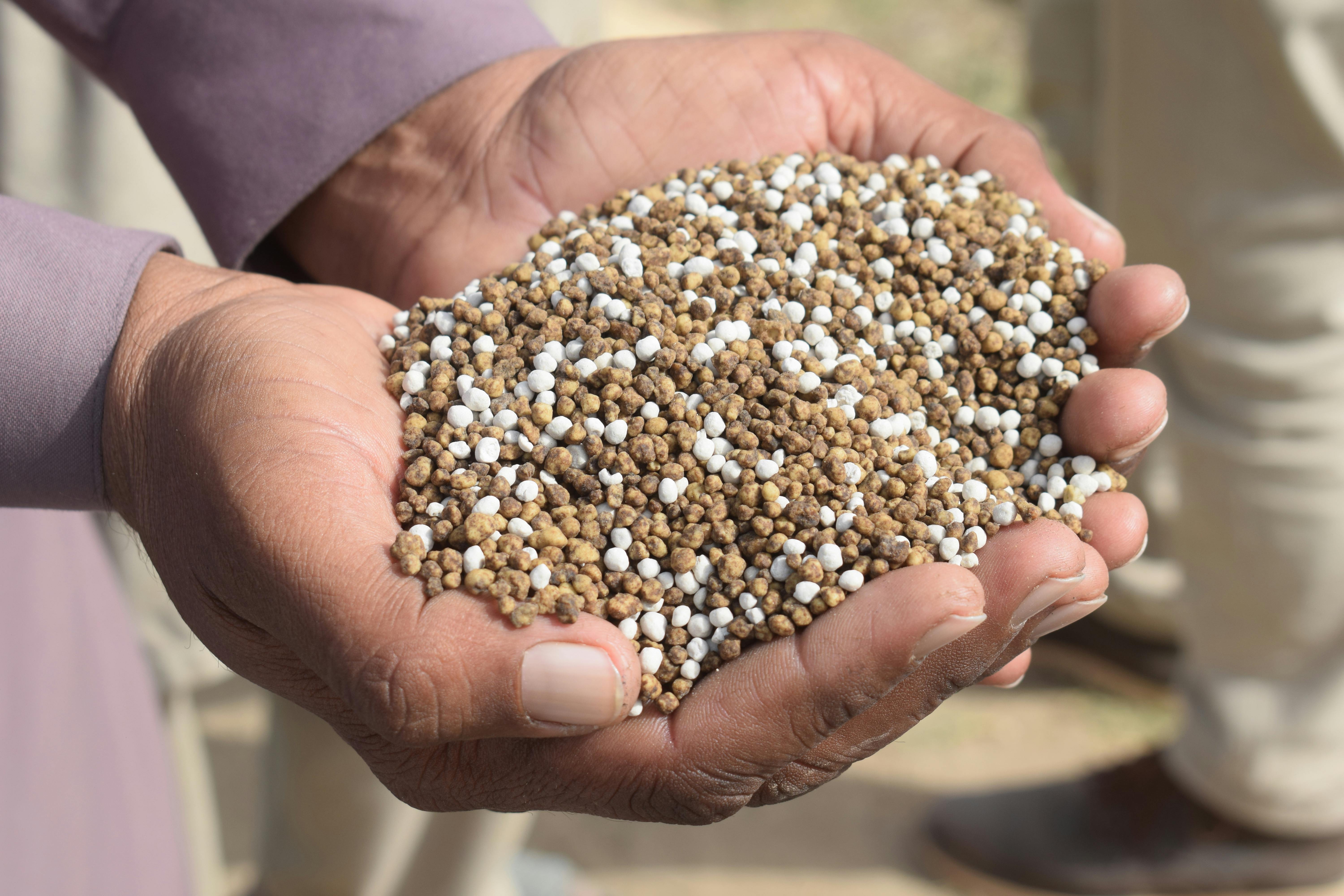
- Conduct a detailed soil test using a reliable soil testing kit – available on Amazon.
- Apply compost or manure to enhance soil structure.
- Supplement with precise chemical fertilizers.
Explore biodegradable fertilizer options via the Biofarm Kenya partnership.
Case Studies, Examples, or Comparisons
A recent comparison study in Kenya showed that integrated soil management led to a 30% increase in maize production. Credible sources like the Copernicus Journal support these findings.
Common Mistakes to Avoid
- Over-reliance on chemical fertilizers can lead to soil acidification. Always balance with organic matter.
- Ignoring soil testing results in uneven nutrient distribution.
- Improper irrigation can waste resources.
Expert Tips or Best Practices
- Utilize a 360° adjustable drip irrigation system – available on Amazon for efficient water use.
- Maintain healthy soil with organic fertilizers – available on Amazon.
Also, consider exploring sustainable organic farming solutions with Biofarm Kenya.
Future Trends or Predictions
Kenya is embracing smart farming technologies like AI-driven crop monitoring and vertical farming. These innovations promise better sustainability and productivity.
Conclusion
The integration of organic and inorganic soil fertility management in Kenya has shown promising results. For further ways to boost your farming practices, discover trusted organic farming tools on Amazon and learn more about sustainable solutions with Biofarm Kenya.
FAQs
- What is integrated soil fertility management?
It is a sustainable approach combining organic and inorganic methods for nutrient optimization. More details at APNI. - How does soil testing benefit farmers?
Regular testing guides fertilization for better yield and pH balance, as per the FAO. - Why should I use a drip irrigation system?
It reduces water wastage and boosts crop health. Learn more via NEMA. - Can acidified soil be corrected?
Yes, by adding lime and maintaining organic matter. Reference at KALRO. - What role does technology play in agriculture?
Tech integration improves precision and productivity; check ICRISAT studies. - What are the future trends in Kenyan agribusiness?
Expect AI advancements and smart farming solutions. Insights at UNCTAD.


0 Comments