

Estimated Reading Time: 15 minutes
TL;DR:
Key Takeaways:
Table of Contents:
Background & Context
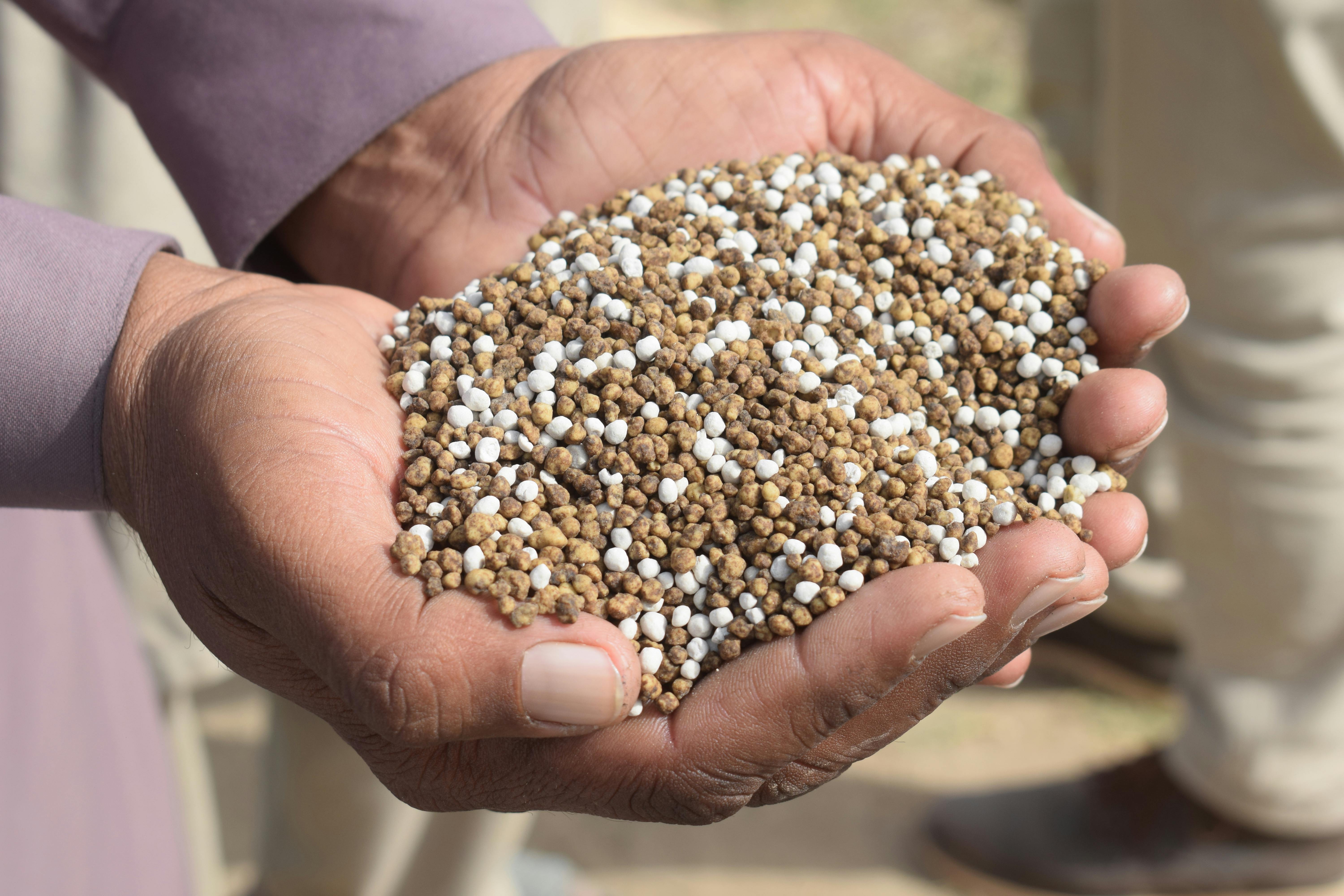
In Kenya, the push towards natural soil fertility methods has gained momentum. Farmers increasingly adopt crop rotation with nitrogen-fixing legumes, like cowpeas and pigeon peas, to naturally enrich the soil and reduce reliance on chemical fertilizers. These practices, documented by the Kenya Agricultural Research Institute (KARI), demonstrate substantial yield increases and cost savings. As of 2025, the adoption of these methods challenges traditional government-promoted chemical solutions.
Key Insights or Strategies
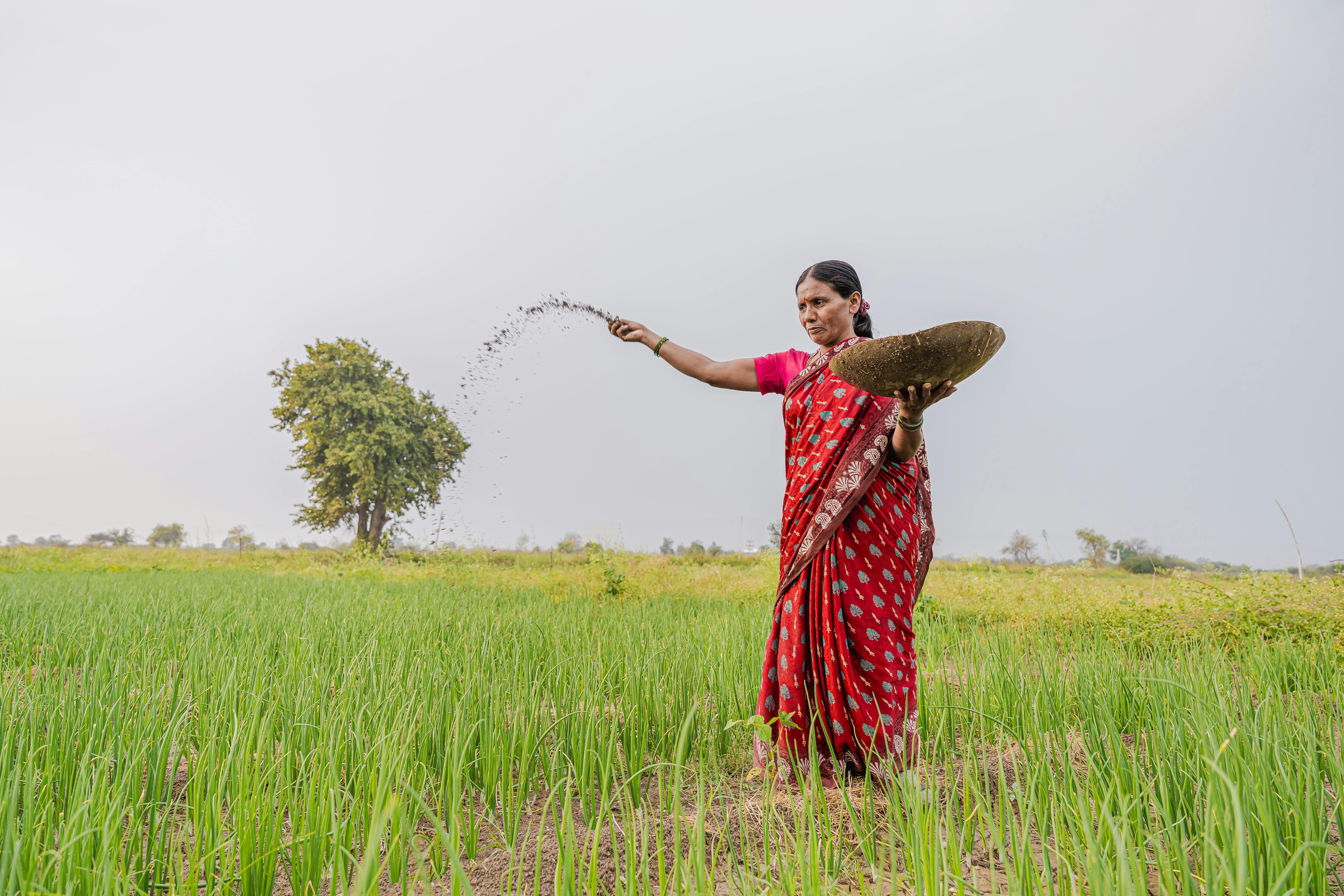
Promoting Legume Crop Rotation
Nitrogen-fixing legumes play a crucial role in enhancing soil fertility. By integrating these into regular crop rotation, farmers can naturally replenish essential soil nutrients, boosting subsequent maize yields by 30% according to KARI's latest study.
Innovative Irrigation Techniques
Adopting systems like drip irrigation can optimize water efficiency—a crucial factor in sustainable agriculture. Modern systems allow precise water delivery, reducing waste and enhancing crop growth.
Case Studies, Examples, or Comparisons
Several Kenyan farmers have successfully implemented nitrogen-fixing crop rotation. For instance, one farmer reported a 44% profit increase following a soybean-maize rotation, echoing findings from the One Acre Fund. This method not only boosted yields but also improved soil health. Practices endorsed by the Kenya Ministry of Agriculture support these findings.
Common Mistakes to Avoid
Farmers often face challenges when shifting to organic methods:
Expert Tips or Best Practices
Experts recommend maintaining regular soil testing and adopting flexible approaches to crop selection. Employing bio-intensive methods, such as agroforestry, can also enhance sustainability. For success, always adapt practices to local environmental conditions and leverage community knowledge. Maintain healthy soil with the Organic Compost Starter Mix.
Explore sustainable organic farming solutions with Biofarm KenyaFuture Trends or Predictions
Advancements in smart irrigation, vertical farming, and AI-driven monitoring are set to redefine sustainable agriculture in Kenya. These innovations promise higher efficiency and yield improvements while supporting sustainable practices.
Conclusion
The integration of natural soil fertility methods, particularly through the use of nitrogen-fixing legumes in crop rotation, offers promising results for Kenyan farmers. These strategies not only enhance soil health but also contribute to higher yields and reduced costs. Discover trusted organic farming tools on Amazon and learn more about sustainable solutions with Biofarm Kenya.
FAQs
The use of legumes like cowpeas adds natural nitrogen to the soil, enhancing fertility and reducing the need for chemical fertilizers. Learn more from the Frontiers in Sustainable Food Systems.How do I implement crop rotation in my farm?
Start by planning different crop cycles ensuring a mix of legumes and main crops. The Ministry of Agriculture provides guidelines on effective methods. Visit their official forum.What soil testing kits are recommended?
Regular soil testing helps maintain soil health. Recommended kits are available on Amazon.Why is drip irrigation important?
Drip irrigation ensures efficient water use, especially in arid regions, enhancing plant growth. Explore more on sustainable irrigation in the CIFORD Kenya guide.Can sustainable practices improve my farm income?
Yes, by reducing input costs and enhancing yields, sustainable practices can significantly boost profitability. Reference the World Bank's Project Brief.Where can I get more information on organic farming?
Biofarm Kenya offers resources and support for farmers interested in organic methods. Visit them for more information.



0 Comments