

Estimated Reading Time: 12 minutes
TL;DR: Most Profitable Farming Ideas in 2026 include innovative methods like vertical farming, organic and regenerative agriculture suited for Kenya’s dynamic agribusiness sector. Investing in soil health, smart irrigation, and greenhouse farming significantly boosts yields and sustainability. Reliable tools like soil testing kits and drip irrigation systems enhance farm management. Successful Kenyan farmers demonstrate great profit and environmental impact using these sustainable practices. Avoiding overuse of chemicals, poor water management, and neglecting soil health is key. Explore future farming trends such as AI-driven crop monitoring and vertical urban farms for continued growth.
Key Takeaways:
- Incorporate vertical farming and organic methods to maximize output with minimal land.
- Use soil testing kits to monitor and maintain soil fertility effectively.
- Adopt drip irrigation systems for water-efficient and targeted crop watering.
- Learn from case studies of Kenyan farmers succeeding with sustainable agriculture.
- Stay ahead by exploring innovations like AI crop monitoring and greenhouse farming.
Introduction
Sustainable agriculture in Kenya is rapidly evolving with an increasing focus on innovative farming methods that combine profitability with ecological stewardship. Most Profitable Farming Ideas in 2026 emphasize practices like vertical farming, organic cultivation, and regenerative agriculture that respond to Kenya’s growing demand for food while preserving its natural resources. With Kenya's agricultural sector contributing nearly 33% to GDP and employing over 40% of the workforce, adopting efficient, sustainable farming methods is vital for economic growth, food security, and environmental conservation. This article explores practical strategies, insights, and future trends to guide Kenyan farmers and agribusiness entrepreneurs toward sustainable prosperity.
Background & Context
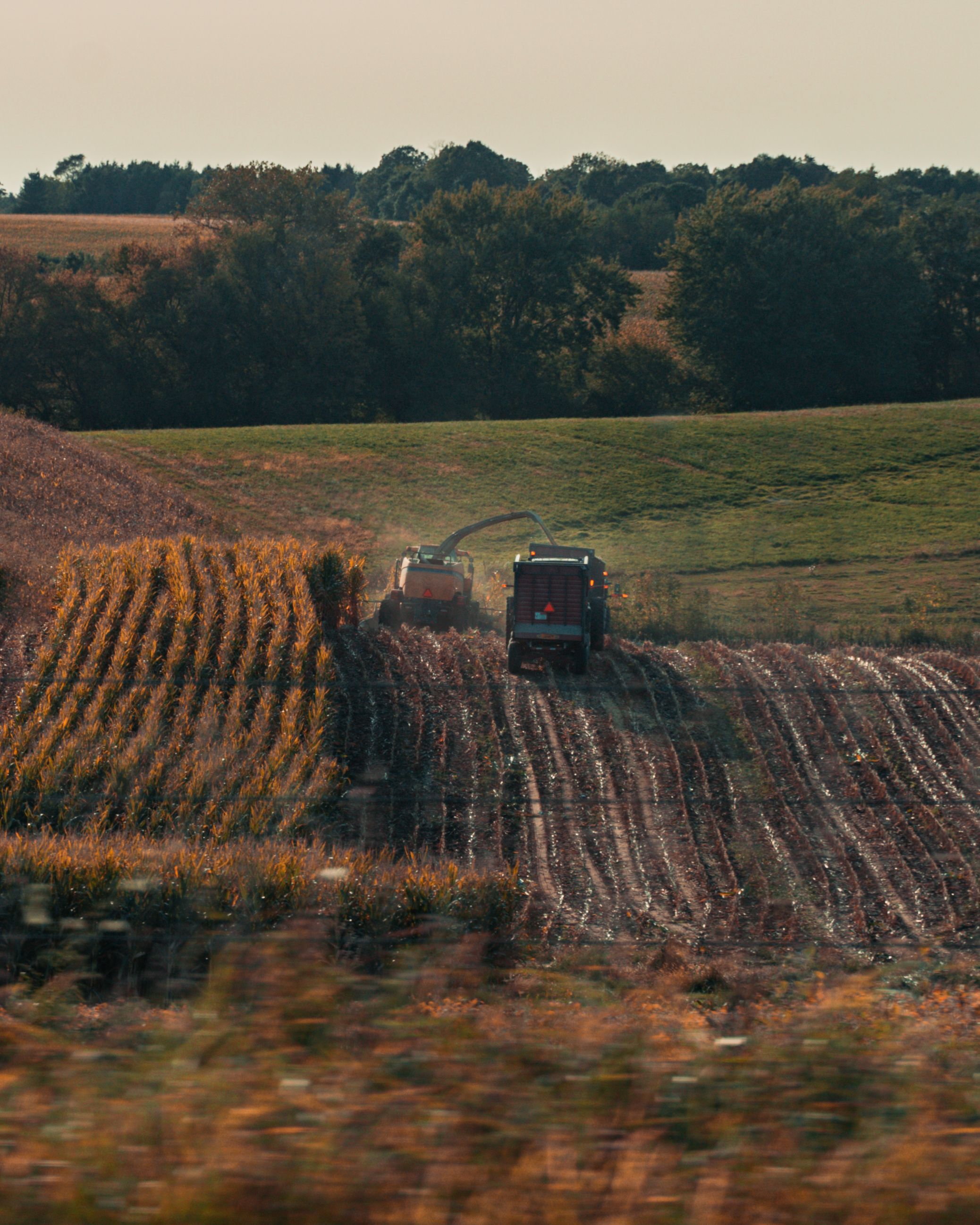
Kenya's agribusiness sector has seen significant growth, with organic farming being one of the fastest-growing segments. According to the Kenya Organic Agriculture Network, the organic market within Kenya and East Africa is expanding yearly, creating new opportunities for farmers. Soil fertility, a critical factor for crop productivity, has been challenged by intensive conventional farming, pushing attention toward regenerative agriculture approaches to restore degraded soils. The Food and Agriculture Organization (FAO) supports these sustainable practices as key to enhancing resilience against climate change while boosting yields and incomes.
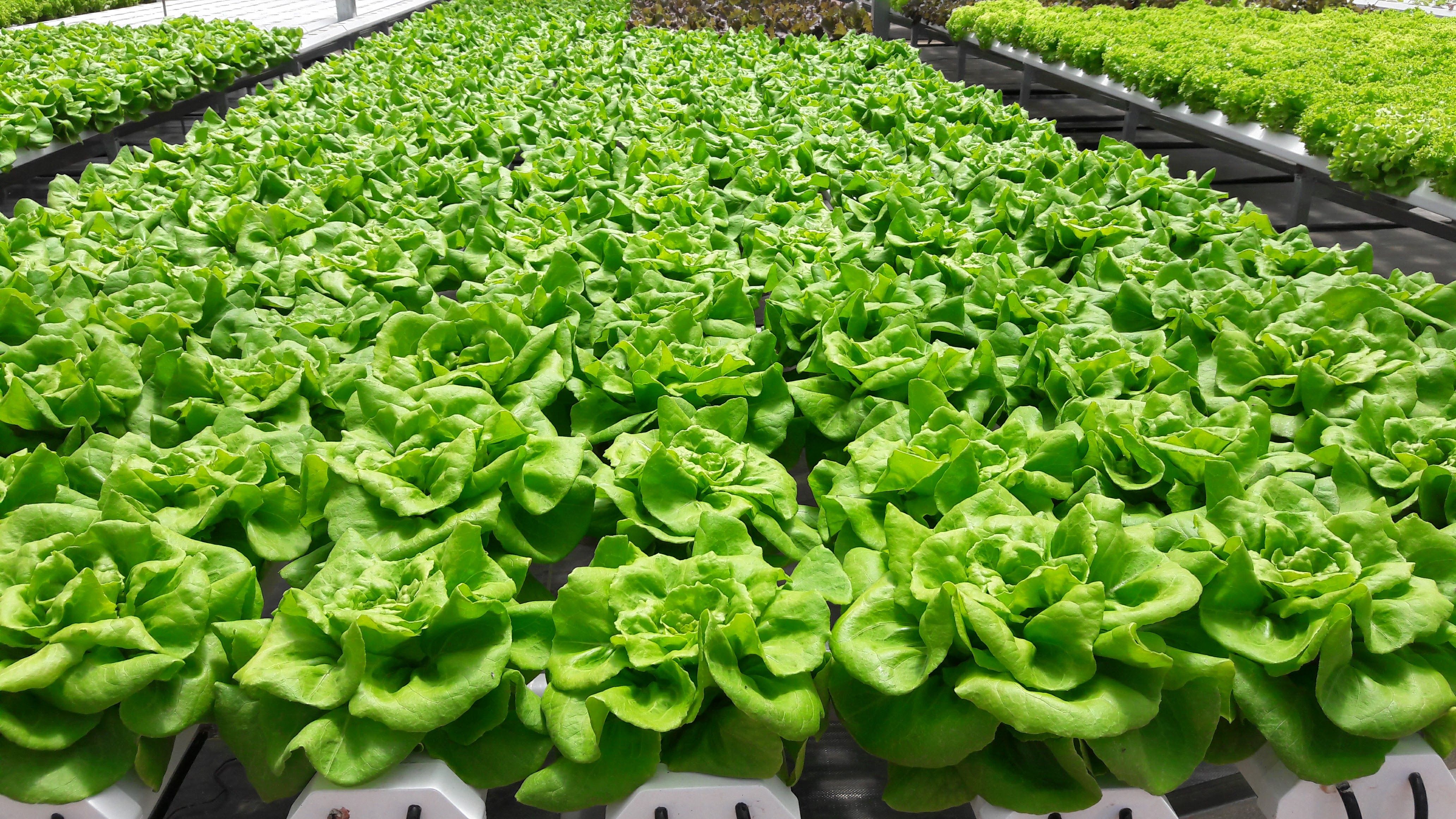
Recent data shows that vertical farming, with its efficient land use and controlled environment, can increase crop yields by up to 10 times per square meter compared to traditional farming. This makes it a particularly attractive prospect for urban and peri-urban farmers in Kenya, where arable land is becoming limited. Meanwhile, organic farming ensures healthier soils and premium-quality crops that meet both local and export market demands.
Key Insights or Strategies
1. Embrace Vertical Farming for Maximum Land Efficiency
Vertical farming involves growing crops in vertically stacked layers, which dramatically increases production on small plots, ideal for Kenyan urban centers where space is limited.
- Set up vertical racks or towers to grow leafy greens, herbs, and vegetables.
- Utilize hydroponic or aeroponic systems to reduce water usage by up to 90% compared to traditional methods.
- Integrate LED grow lights to enable year-round production regardless of seasonal changes.
- Train farmworkers or family members on managing these high-tech setups efficiently.
2. Prioritize Soil Health with Accurate Testing and Organic Amendments
Maintaining fertile and biologically active soil is foundational for profitable farming. Regular testing informs precise nutrient management.
- Use a soil testing kit to analyze pH and nutrient levels before planting.
- Apply organic fertilizers suitable for your crop type to improve soil structure and microbial life.
- Incorporate crop rotation and cover cropping to sustain soil fertility long term.
Boost your soil management with the Organic Plant Magic - Fast-Acting Water Soluble Plant Food – available on Amazon, a reliable fertilizer concentrate to support vigorous plant growth.
3. Invest in Efficient Drip Irrigation Systems
Water scarcity is a growing challenge in Kenya; drip irrigation provides precise watering, minimizing waste and improving plant health.
- Choose a drip irrigation system kit designed for your farm size and crop types.
- Install timers and moisture sensors to automate watering schedules.
- Regularly maintain the system by clearing clogged emitters and checking for leaks.
Consider the CARPATHEN Drip Irrigation System Kit – available on Amazon to help conserve water and ensure uniform irrigation.
Explore sustainable organic farming solutions with Biofarm Kenya
Case Studies, Examples, or Comparisons
In Kenya, farmers adopting vertical farming and organic practices have demonstrated impressive results. For example, urban farmers in Nairobi have leveraged vertical hydroponic systems to supply fresh greens to restaurants, increasing their incomes by over 50% in under a year. Similarly, Kajiado County farmers practicing regenerative agriculture reported a 30% increase in maize yields and improved drought resilience, validated by studies from the Ministry of Agriculture.
A greenhouse user in Machakos County utilized modular greenhouse kits to extend growing seasons and diversify crops such as tomatoes and peppers. These controlled environments reduced exposure to pests and climatic stresses, boosting profitability. The United Nations Food and Agriculture Organization (FAO) recognizes such eco-innovations as vital for the sustainable growth of Kenya’s agriculture.
Common Mistakes to Avoid
- Over-reliance on chemical fertilizers: Accelerates soil degradation and reduces long-term fertility.
- Poor irrigation management: Overwatering or under-watering reduces crop quality and wastes water resources.
- Ignoring soil testing: Leads to improper nutrient application and lower yields.
- Neglecting pest and disease monitoring: Can cause significant crop losses if not addressed early.
- Failing to diversify crops: Increases vulnerability to climate shocks and market fluctuations.
Expert Tips or Best Practices
To thrive in Kenya's changing agricultural landscape, farmers should integrate technology with sustainable methods. Here's how:
- Conduct frequent soil tests: Use a user-friendly soil testing kit to monitor pH and nutrient levels. An example is the Soil pH & Moisture Tester Kit – available on Amazon which simplifies sample analysis for precise fertilization.
- Build compost heaps: Use organic waste to create nutrient-rich compost that improves soil health sustainably.
- Leverage Biofarm Kenya’s resources: Explore sustainable organic farming solutions with Biofarm Kenya for expert guidance and quality inputs.
- Adopt integrated pest management: Utilize biological controls alongside minimal pesticide use.
- Maintain drip irrigation systems: Periodic checks ensure optimal water use and system longevity.
Maintaining healthy soil is easier with products like the Organic Compost Starter Mix which accelerates composting and enriches soil biology.
Future Trends or Predictions
Looking ahead, innovations such as smart irrigation systems equipped with AI sensors will optimize water use, reduce labor, and enhance productivity. Vertical farming will gain momentum in urban areas, supported by affordable, modular greenhouses. AI-powered crop monitoring will enable real-time disease detection and yield predictions. These advancements align with Kenya's Vision 2030 agricultural goals, focusing on technology-driven sustainability.
Climate-smart agriculture practices, including drought-resistant crop varieties and regenerative soil management, will also be critical to adapting to changing weather patterns. Collaboration between agripreneurs, government agencies like the Kenya Agricultural and Livestock Research Organization (KALRO), and sustainability partners like Biofarm Kenya will accelerate adoption of these profitable farming ideas.
Conclusion
The Most Profitable Farming Ideas in 2026 for Kenya revolve around combining innovative farming technologies like vertical farming and greenhouse cultivation with organic, soil-centric, and water-efficient methods. These practices not only improve yields and profitability but also ensure long-term environmental sustainability.
Discover trusted organic farming tools on Amazon and learn more about sustainable solutions with Biofarm Kenya.
FAQs
1. What are the most profitable crops to grow in Kenya using vertical farming?
Leafy greens like kale, spinach, and herbs such as basil and mint are highly profitable with vertical farming due to their fast growth cycles and high market demand. For more detailed guidance, see the FAO Kenya office resources.2. How often should I test my soil for optimal farming in Kenya?
Soil testing is recommended at least twice a year—before planting and after harvest season. This helps adjust fertilizer applications and maintain soil health. Refer to the Kenya Bureau of Standards (KEBS) guidelines on soil testing KEBS official site.
3. What are the advantages of drip irrigation for Kenyan farmers?
Drip irrigation conserves water by delivering moisture directly to crops' roots, reduces weed growth, and improves crop quality. The National Environment Management Authority (NEMA) supports such water-saving technologies NEMA Kenya.
4. Can organic farming methods increase profits compared to conventional farming?
Yes, organic farming commands premium prices in local and export markets, improves soil fertility, and reduces costs related to chemical fertilizers and pesticides. Biofarm Kenya offers resources to support this approach Biofarm Kenya.
5. How do greenhouses help Kenyan smallholder farmers?
Greenhouses protect crops from harsh weather and pests, extend growing seasons, and enable high-value crop production like vegetables and flowers. The Ministry of Agriculture Kenya provides training on greenhouse management Ministry of Agriculture.
6. What future farming technologies should Kenyan farmers watch for?
Smart irrigation with AI sensors, vertical urban farming, automated crop monitoring drones, and climate-resilient seed varieties are the next big steps. Partnerships with innovation hubs and Biofarm Kenya facilitate access to these technologies Biofarm Kenya.
External Authoritative Links:
FAO Kenya
NEMA Kenya
KEBS
Ministry of Agriculture, Kenya
Biofarm Kenya
Internal Biofarm Kenya Links:
Sustainable Farming Solutions
Organic Inputs
Soil Health Programs
Water Management Techniques
Agribusiness Training
Farm Innovation Support


0 Comments