

Estimated Reading Time: 12 minutes
Investing in Vertical Farming
Revolutionary Vertical Farming Takes Center Stage in Kenya’s agribusiness sector as urban and peri-urban farmers seek sustainable, high-yield farming methods. With a 25% increase in investment, vertical farming is poised to transform food production, reduce dependence on traditional soil farming, and promote organic agriculture across the region.
TL;DR:
- Vertical farming offers high-density, year-round crop production suitable for Kenya’s urban areas.
- Investment in vertical farming in Kenya is growing rapidly, driven by sustainability and food security needs.
- Key strategies include optimized lighting, soil-less systems, and water-efficient irrigation methods.
- Successful case studies show increased yields with reduced environmental footprint.
- Farmers should avoid common mistakes in nutrient and soil management to maximize returns.
Table of Contents
- Background & Context
- Key Insights or Strategies
- Case Studies, Examples, or Comparisons
- Common Mistakes to Avoid
- Expert Tips or Best Practices
- Future Trends or Predictions
- Conclusion
- FAQs
Background & Context
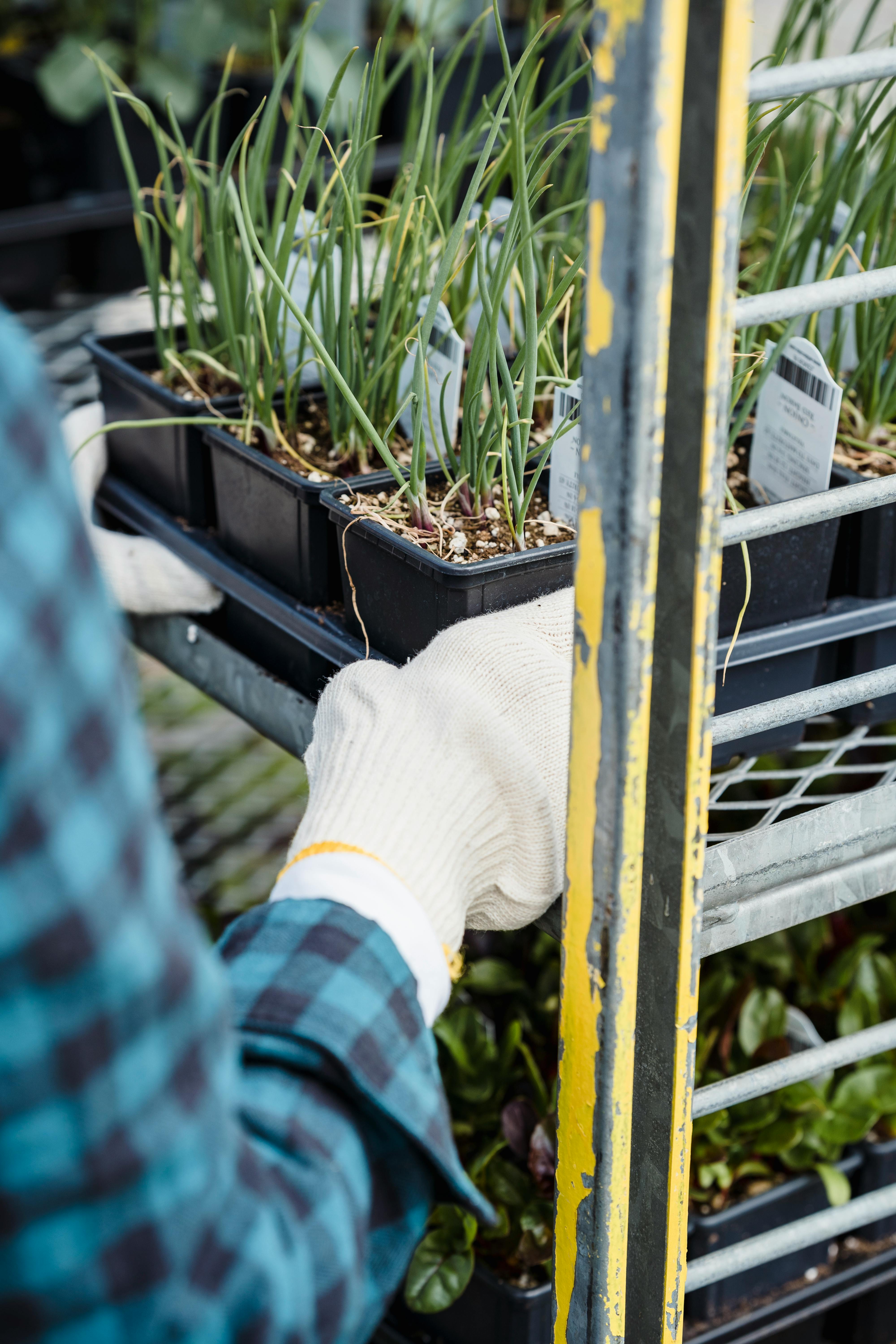
Kenya's agricultural landscape is rapidly evolving to accommodate a growing population and urbanization pressure. Traditional soil-based farming has faced challenges such as soil degradation, erratic weather patterns due to climate change, and limited arable land in urban centers. In response, Revolutionary Vertical Farming Takes Center Stage by enabling crop production on vertically stacked layers, reducing land footprint while increasing output.
Organic farming is gaining momentum in Kenya, contributing to enhanced soil fertility and environmental conservation. According to the Ministry of Agriculture, organic agriculture in Kenya has grown steadily by over 10% per year, with increasing demand for pesticide-free, nutrient-dense produce.
Vertical farming integrates controlled-environment agriculture principles to optimize growth conditions, including light, temperature, humidity, and nutrients, often using hydroponics or aeroponics systems. This method supports sustainable agricultural growth in urban and peri-urban regions, mitigating Kenya’s food security concerns.
Key Insights or Strategies
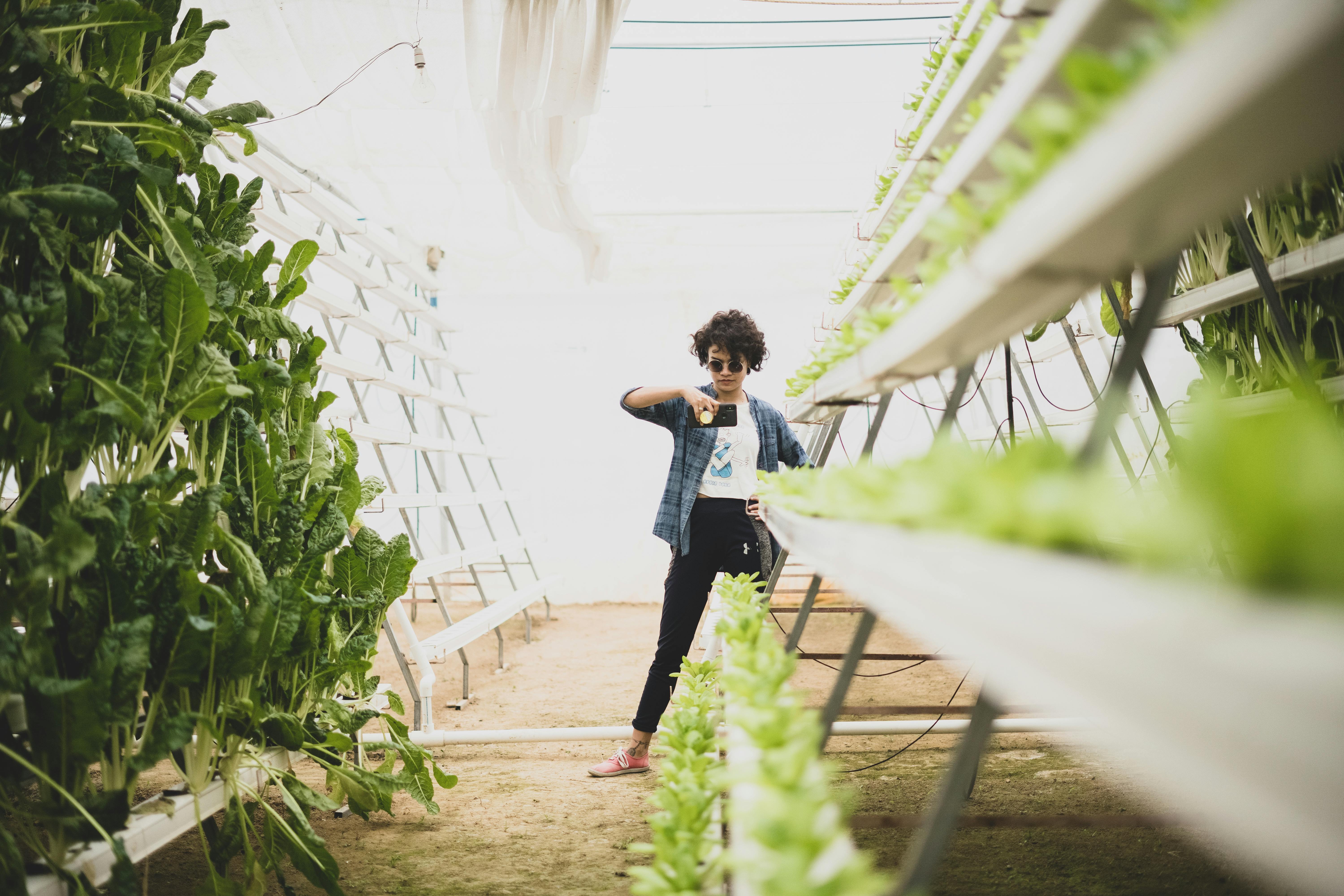
1. Optimize Space with Vertical Systems
Maximizing yield per square meter is critical. Vertical farming systems stack plants in multiple layers, allowing more crops per unit area. Hydroponic and aeroponic setups reduce soil dependency while improving growth rates.
- Choose modular vertical racks adaptable to small and large scale setups.
- Integrate efficient LED grow lights to supplement natural sunlight.
- Implement climate control measures for stable temperature and humidity.
Boost your yields with the MIXC 230FT Quick-Connect Drip Irrigation System Kit – available on Amazon, which ensures consistent water supply for stacked plants while conserving water.
2. Use Soil Testing and Nutrient Management
Understanding your medium’s nutrient status is pivotal to healthy plant growth in vertical farms that use soil or alternative substrates.
- Regularly test growing media pH and nutrient content using reliable kits.
- Adjust fertilization based on test results to avoid nutrient deficiencies or toxicities.
- Incorporate organic compost amendments to maintain microbial activity and structure.
Accurately test your soil or media composition with the Rapitest Soil Test Kit for Gardens, Vegetables, Flowers and Lawns – available on Amazon.
Explore sustainable organic farming solutions with Biofarm Kenya to source expert guidance and inputs for your vertical farm.
3. Implement Water-Efficient Systems
Water use efficiency is a major sustainability pillar in vertical farming.
- Adopt drip irrigation systems tailored for vertical setups to minimize water waste.
- Recycle and capture water runoff with closed-loop systems.
- Monitor moisture levels frequently with soil moisture sensors.
Consider the Soil Moisture & pH Meter Combo Kit – available on Amazon to maintain optimal moisture and fertility balance.
Case Studies, Examples, or Comparisons
Several Kenyan urban farmers have embraced vertical farming with impressive results. For instance, a Nairobi-based startup implemented a hydroponic vertical farm in a warehouse, producing leafy greens year-round and supplying local supermarkets with fresh, organic produce. This initiative reduced water usage by 70% compared to traditional farms and increased yield per square meter fivefold.
According to the Food and Agriculture Organization (FAO), urban agriculture including vertical farming is gaining recognition for its role in sustainable city food systems and climate change resilience.
Another example is a greenhouse adopter in Eldoret who utilizes modular vertical systems combined with automated drip irrigation, cutting labor costs and increasing production efficiency. The Ministry of Agriculture highlights such innovations as critical for meeting Kenya’s future food demands sustainably.
Common Mistakes to Avoid
- Ignoring Nutrient Balance: Over or under-fertilizing can harm plants and reduce yields. Test soil/media regularly and adjust accordingly.
- Poor Water Management: Overwatering or inefficient irrigation leads to root diseases and waste. Use drip systems and moisture meters.
- Inadequate Lighting: Insufficient or inappropriate lighting slows growth. Use LED grow lights suited for plant needs.
- Neglecting Pest Control: Closed environments can still host pests. Monitor regularly and adopt organic pest management solutions.
- Overlooking Climate Control: Failure to stabilize temperature and humidity stresses plants. Use ventilation and humidifiers/dehumidifiers as needed.
Expert Tips or Best Practices
Experts recommend starting small and scaling as you learn system nuances. Vertical farming requires attention to detail but rewards sustained efforts with high yields and quality produce.
- Choose crop varieties adapted to vertical systems, such as lettuce, herbs, strawberries, and tomatoes.
- Monitor environmental parameters daily using affordable digital tools.
- Maintain healthy soil or media by integrating organic compost regularly.
Maintain healthy soil with the AchmadAnam Crushed Oyster Shell Organic Fertilizer Soil Mineral Compost Nutrient – available on Amazon to boost plant health and productivity.
Explore sustainable organic farming solutions with Biofarm Kenya to access expert consultancy and trusted inputs designed for Kenya’s farming context.
Future Trends or Predictions
Kenya’s vertical farming sector is expected to integrate more technology-driven innovations including:
- Smart Irrigation Systems: AI-driven automated watering solutions that optimize water use.
- AI and IoT Crop Monitoring: Sensors and cameras tracking plant health and growth stages in real-time.
- Renewable Energy Integration: Solar-powered vertical farms reducing carbon footprint and operational costs.
- Urban Farming Hubs: Community-driven vertical farms enhancing local food security and employment.
As urban populations grow, vertical farming combined with sustainable organic practices will become a cornerstone of Kenya’s food resilience strategies.
Conclusion
Revolutionary Vertical Farming Takes Center Stage in Kenya as an innovative, sustainable solution for food production challenges. By adopting key strategies such as efficient space utilization, nutrient management, and water conservation, farmers can increase yields substantially while conserving resources.
Farmers and urban growers looking to venture into vertical farming can discover trusted organic farming tools and systems on Amazon to optimize their setups.
Additionally, learn more about sustainable solutions with Biofarm Kenya to access expert advice, innovative inputs, and community support tailored to Kenya’s agribusiness environment.
FAQs
1. What is vertical farming and how does it work?
Vertical farming is an agricultural technique that grows crops in stacked layers, often indoors or in controlled environments, using soil-less methods such as hydroponics or aeroponics. It optimizes space and resources while providing consistent year-round harvests. For more details, visit the FAO Urban Agriculture resource.
2. How does vertical farming benefit Kenyan farmers?
Vertical farming benefits Kenyan farmers by enabling food production in limited spaces, reducing water use, and improving yields. It also helps mitigate climate-related risks by providing controlled conditions. The Kenya Ministry of Agriculture supports innovations promoting sustainable farming.
3. What crops are best suited for vertical farming in Kenya?
Leafy greens like kale, spinach, herbs such as basil and mint, strawberries, and small fruiting vegetables like cherry tomatoes thrive in vertical farms due to their rapid growth and high market demand. Biofarm Kenya has resources for crop recommendations suited to the local climate and market.
4. What are common pests or diseases in vertical farms and how to manage them?
Pests such as aphids, whiteflies, and fungal diseases can still affect vertical farms. Integrated pest management (IPM) with organic controls and regular monitoring is key. Refer to NEMA Kenya for guidelines on eco-friendly pest management.
5. How can I start a vertical farm with limited capital in Kenya?
Start small with simple vertical racks, use low-cost hydroponic or soil systems, and scale gradually. Leveraging local training and partner networks like Biofarm Kenya improves access to affordable inputs and expertise.
6. Are there local policies supporting vertical farming in Kenya?
Kenya’s agricultural policy increasingly encourages innovative, sustainable farming methods, including vertical and urban agriculture, as part of the Big Four Agenda for food security. For policy details, visit the Ministry of Agriculture official site.


0 Comments