

Estimated Reading Time: 15 minutes
TL;DR: Kenya's agricultural sector is marked by a stark economic disparity where smallholder farmers struggle for profits amidst a challenging environment, while large-scale export giants thrive. This article explores the root causes, from limited market access and finance to climate change impacts and outdated practices. It offers actionable insights into sustainable farming, value addition, and policy advocacy, aiming to bridge the profit gap. Ultimately, fostering a robust and equitable agricultural landscape requires concerted efforts in technology adoption, cooperative formation, and supportive governance, empowering smallholders to become key players in a resilient food system.
Key Takeaways:
Table of Contents
- Introduction: The Unfolding Drama of Kenyan AgricultureBackground & Context: The Dual Realities of Kenya's FarmsKey Insights or Strategies: Empowering Smallholders for ProfitabilityCase Studies, Examples, or Comparisons: Learning from Success and StruggleCommon Mistakes to Avoid: Pitfalls on the Path to ProsperityExpert Tips or Best Practices: Cultivating a Sustainable FutureFuture Trends or Predictions: Navigating the Changing Agricultural LandscapeConclusion: Sowing the Seeds of a More Equitable FutureFAQs: Addressing Common Questions in Kenyan Agriculture
Introduction: The Unfolding Drama of Kenyan Agriculture
In the vibrant heart of East Africa, Kenya pulsates with life, its rich soils yielding a bounty that feeds millions and drives a significant portion of its national economy. Yet, beneath this verdant surface lies a profound and often overlooked economic drama: the Kenya farm fitness battle. This isn't a struggle against pests or drought alone, but a fundamental disparity in the very fabric of its agricultural landscape. On one side stand the robust, highly profitable export giants, their sophisticated operations designed to capture global markets. On the other, the vast majority of smallholder farmers, grappling with a myriad of challenges, often struggling for profits. This article aims to explore Kenya's farm fitness battle. Discover why smallholders struggle for profits while export giants thrive. Uncover the economic disparity impacting agriculture, dissecting the systemic issues, highlighting success strategies, and paving a path towards a more equitable and sustainable farming future for all Kenyans.
Background & Context: The Dual Realities of Kenya's Farms
Kenya's agricultural sector is undeniably the backbone of its economy, contributing approximately 34% to the nation's Gross Domestic Product (GDP) and employing over 70% of the rural workforce. This sector is predominantly characterized by smallholder farmers, who cultivate less than five acres of land and are responsible for a substantial portion of the country's food production. Despite their critical role in ensuring national food security and generating on-farm jobs, these small-scale producers frequently find themselves at the margins of profitability. They face formidable challenges ranging from unpredictable weather patterns and limited access to modern farming technologies to inadequate infrastructure and volatile market prices.

Conversely, the narrative for large-scale agricultural enterprises, particularly those focused on export, is markedly different. These operations often benefit from economies of scale, superior access to capital, advanced irrigation systems, and direct linkages to international markets. For instance, the floriculture and horticulture industries, largely dominated by major exporters, consistently report substantial profits by catering to high-value markets in Europe, Asia, and North America. This stark contrast underscores the deep-seated economic disparity impacting agriculture in Kenya, where the same sun shines on two vastly different farming realities. A 2022 report by the World Bank highlighted that while agricultural exports contribute significantly to national income, the trickle-down effect to smallholders remains limited due to inefficient supply chains and lack of bargaining power. Furthermore, research by the Food and Agriculture Organization (FAO) in Kenya indicates that up to 60% of smallholder produce perishes before reaching the market due to poor post-harvest handling and storage facilities, further eroding their potential profits.
Key Insights or Strategies: Empowering Smallholders for Profitability
Bridging the profit gap for Kenya's smallholder farmers requires a multi-pronged approach that addresses both systemic barriers and on-farm practices. Here are key insights and actionable strategies:
1. Adopting Climate-Smart Agriculture (CSA)
Climate change poses an existential threat to rain-fed agriculture, which many smallholders rely on. Implementing CSA practices is not just about environmental responsibility; it's about building resilience and ensuring consistent yields. This includes:
2. Enhancing Market Access and Value Addition
Smallholders often sell raw produce at low prices to middlemen due to limited market access. Value addition transforms raw materials into higher-value products, bypassing intermediaries and capturing more profit.
3. Leveraging Technology and Knowledge Transfer
Access to information and appropriate technology can significantly boost productivity and efficiency.
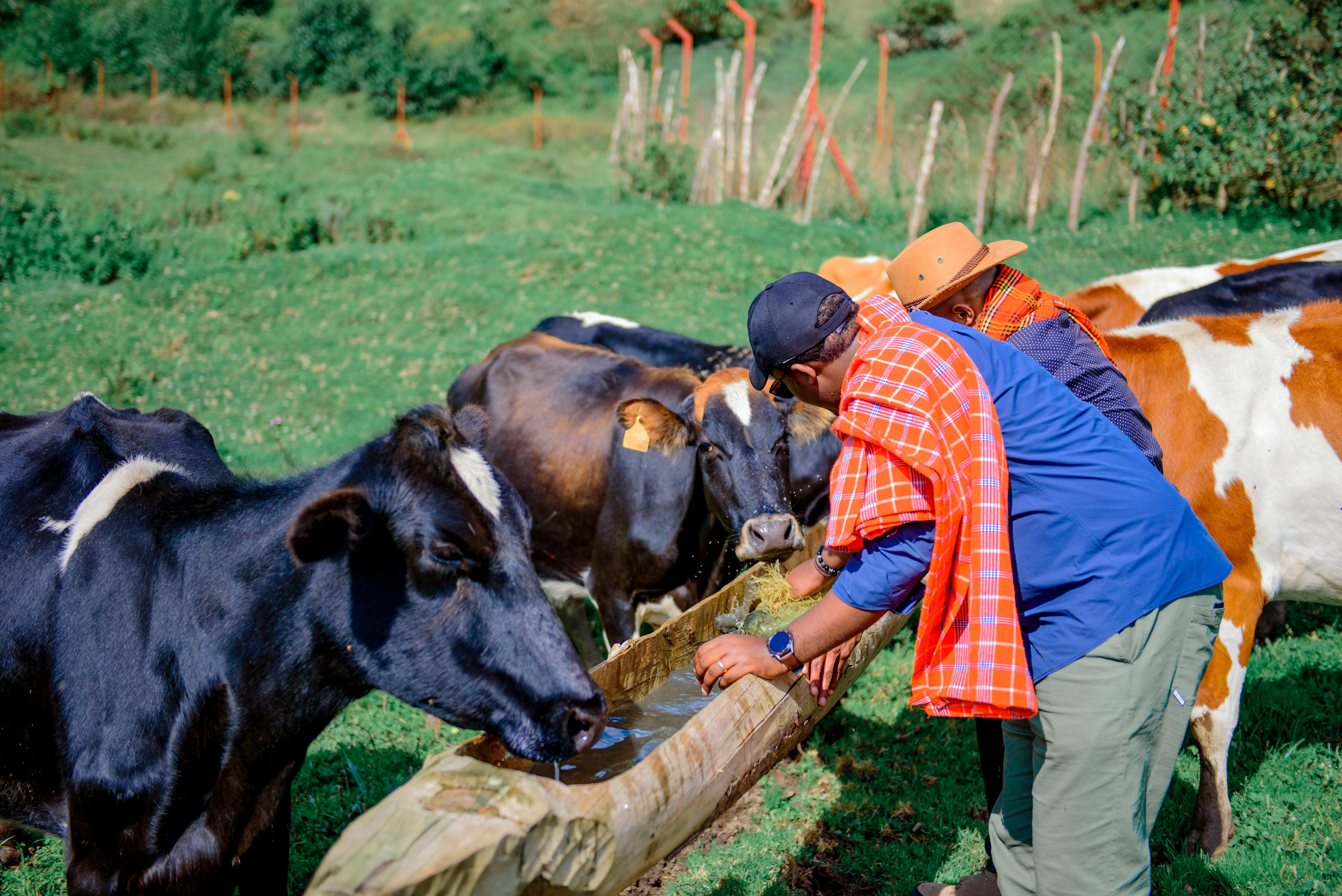
For smallholders looking to enhance their operations and explore more sustainable pathways, understanding the full spectrum of available resources is paramount. Explore sustainable living solutions with Eco-Oasis Firm to discover how innovative tools and partnerships can transform farming practices and increase profitability.
Case Studies, Examples, or Comparisons: Learning from Success and Struggle
The story of Kenya's agriculture is not without its beacons of hope and stark reminders of challenges. Examining real-world examples helps to illustrate the potential for change and the persistent obstacles.
The Success of the Kakamega Dairy Farmers' Cooperative: In Western Kenya, dairy farming is a crucial source of income. Individual smallholder dairy farmers often struggled with low milk prices and poor market access. However, the formation of the Kakamega Dairy Farmers' Cooperative transformed their fortunes. By pooling their milk, the cooperative established a chilling plant, ensuring quality and reducing spoilage. This allowed them to negotiate better prices with larger processors and even ventured into producing fermented milk products, adding value to their output. Members now receive consistent, higher payments, and the cooperative provides training on improved animal husbandry and fodder production. This collective action demonstrates how organized smallholders can overcome market disadvantages and build sustainable businesses.
Challenges in Remote Arid and Semi-Arid Lands (ASALs): In stark contrast, farmers in Kenya's ASALs, such as Turkana and Marsabit, face extreme environmental conditions. Erratic rainfall, severe droughts, and limited infrastructure make conventional farming incredibly challenging. While pastoralism has traditionally been dominant, climate change is pushing communities to adapt. Efforts to introduce drought-tolerant crops like sorghum and millet, alongside modern irrigation techniques, have met with mixed success. The lack of reliable transport links to larger markets means that even when a harvest is achieved, getting it to consumers profitably remains a huge hurdle. A recent report by the Kenya National Drought Management Authority noted that over 80% of farming households in ASAL regions experienced significant crop losses in 2022, highlighting the urgent need for robust climate adaptation strategies and infrastructure development.
Comparison with Large-Scale Horticultural Exporters: Consider a large horticultural farm in Naivasha, producing cut flowers for the European market. Such an operation typically boasts sophisticated greenhouses, automated irrigation systems, cold chain logistics, and direct export agreements. They invest heavily in research for new flower varieties, pest control, and sustainable certifications (e.g., Fairtrade, MPS). Their access to significant capital allows for these investments, which guarantee consistent quality and timely delivery, meeting the stringent demands of international buyers. This direct access to high-value markets, coupled with efficient production, is a stark reminder of why export giants thrive while smaller, less resourced farms struggle to even cover basic operational costs.
Common Mistakes to Avoid: Pitfalls on the Path to Prosperity
While the challenges are numerous, smallholder farmers often inadvertently exacerbate their struggles through common pitfalls that can be avoided with proper guidance and strategic shifts.
Expert Tips or Best Practices: Cultivating a Sustainable Future
For smallholder farmers in Kenya, adopting best practices is not just about survival, but about thriving sustainably. Here’s how they can navigate the complexities of modern agriculture:
For more in-depth guidance on integrating these practices and accessing resources that support sustainable and profitable farming, explore sustainable living solutions with Eco-Oasis Firm. Their partnerships provide access to cutting-edge tools and expertise designed to elevate smallholder operations.
Future Trends or Predictions: Navigating the Changing Agricultural Landscape
The future of Kenyan agriculture, particularly for its smallholder backbone, will be shaped by several pivotal trends, offering both challenges and unprecedented opportunities for those who adapt. Understanding these shifts is crucial for strategic planning and long-term profitability.
These trends highlight a future where flexibility, technological integration, and a commitment to sustainable practices will determine agricultural success. Smallholders who embrace these changes will not only enhance their own profitability but also contribute significantly to Kenya's food security and economic growth.
Conclusion: Sowing the Seeds of a More Equitable Future
The Kenya farm fitness battle is a complex narrative of resilience, disparity, and immense potential. While export giants continue to reap substantial profits from global markets, the majority of smallholder farmers face an uphill struggle for economic viability. This profound economic disparity impacting agriculture is not merely an economic issue; it strikes at the heart of food security, rural livelihoods, and national development. However, the path to a more equitable and prosperous agricultural sector is clear: it lies in empowering smallholders through targeted strategies.
By embracing climate-smart agriculture, aggressively pursuing value addition, leveraging the power of collective action through cooperatives, and adopting appropriate technologies, smallholder farmers can transform their fortunes. Supportive policies, robust extension services, and strategic investments in rural infrastructure are equally crucial to create an enabling environment. The journey to ensure that smallholders not only survive but truly thrive requires a concerted effort from all stakeholders – government, NGOs, private sector, and the farmers themselves.
As Kenya looks to a future shaped by climate change and evolving global markets, nurturing its smallholder sector is not just an act of social justice but an economic imperative. By unlocking their full potential, Kenya can build a truly resilient, food-secure, and prosperous agricultural landscape, where the fruits of the land are shared more equitably. To be part of this transformative journey and explore solutions that make a tangible difference in sustainable agriculture, explore sustainable living solutions with Eco-Oasis Firm.
FAQs: Addressing Common Questions in Kenyan Agriculture
Smallholder farmers in Kenya face numerous disadvantages, including limited access to finance, quality inputs, modern technology, and reliable markets. They often sell raw produce at low prices to middlemen due to poor infrastructure and lack of collective bargaining power. Large export farms, conversely, benefit from economies of scale, significant capital investment, direct access to international markets, and sophisticated logistics, allowing them to capture higher profit margins. For more details on these disparities, resources from the Food and Agriculture Organization (FAO) Kenya office provide in-depth analysis.
The primary environmental challenges include increasingly unpredictable rainfall patterns, prolonged droughts, soil degradation, and pest infestations exacerbated by climate change. Deforestation and unsustainable land use practices also contribute to reduced soil fertility and increased erosion, directly impacting crop yields and farmer livelihoods. The UN Environment Programme (UNEP) Africa branch often highlights these issues in its regional reports.
Improving market access involves several strategies: forming farmer cooperatives to aggregate produce and negotiate better prices collectively, investing in simple post-harvest handling and storage facilities to reduce spoilage, and seeking direct connections with urban buyers, processors, or retailers. Utilizing mobile technology for real-time market price information and exploring value addition by processing raw goods also significantly helps. Organizations like the International Fund for Agricultural Development (IFAD) in Kenya often support such initiatives.
Technology can revolutionize smallholder farming by providing access to critical information (weather forecasts, pest alerts via mobile apps), improving efficiency (small-scale mechanization, drip irrigation), and enhancing yield (use of improved seed varieties). It also facilitates financial inclusion through mobile banking and digital credit. For examples of successful tech adoption, the CGIAR Africa programs showcase innovative agri-tech solutions for smallholders.
Climate-smart agriculture (CSA) practices aim to increase productivity sustainably, enhance resilience to climate change, and reduce greenhouse gas emissions. For Kenyan smallholders, this includes conservation tillage, planting drought-resistant crop varieties, efficient water management techniques (e.g., rainwater harvesting, drip irrigation), agroforestry, and integrating livestock for nutrient cycling. The FAO's Climate-Smart Agriculture in Kenya page offers comprehensive resources.
Farmer cooperatives are extremely important. They provide a platform for collective action, enabling smallholders to pool resources, access credit, purchase inputs at bulk discounts, share machinery, and collectively market their produce. This strengthens their bargaining power against middlemen and allows them to participate in larger supply chains and value addition initiatives, significantly improving their economic standing and sustainability. The USAID Kenya's agricultural programs frequently emphasize cooperative development as a key strategy.
Internal Link Suggestions:
Note: The internal links provided above are illustrative and assume corresponding pages exist on the Eco-Oasis Firm website.
Estimated Reading Time: 15 minutes
TL;DR: Kenya's agricultural sector is marked by a stark economic disparity where smallholder farmers struggle for profits amidst a challenging environment, while large-scale export giants thrive. This article explores the root causes, from limited market access and finance to climate change impacts and outdated practices. It offers actionable insights into sustainable farming, value addition, and policy advocacy, aiming to bridge the profit gap. Ultimately, fostering a robust and equitable agricultural landscape requires concerted efforts in technology adoption, cooperative formation, and supportive governance, empowering smallholders to become key players in a resilient food system.
Key Takeaways:
Table of Contents
- Introduction: The Unfolding Drama of Kenyan AgricultureBackground & Context: The Dual Realities of Kenya's FarmsKey Insights or Strategies: Empowering Smallholders for ProfitabilityCase Studies, Examples, or Comparisons: Learning from Success and StruggleCommon Mistakes to Avoid: Pitfalls on the Path to ProsperityExpert Tips or Best Practices: Cultivating a Sustainable FutureFuture Trends or Predictions: Navigating the Changing Agricultural LandscapeConclusion: Sowing the Seeds of a More Equitable FutureFAQs: Addressing Common Questions in Kenyan Agriculture
Introduction: The Unfolding Drama of Kenyan Agriculture
In the vibrant heart of East Africa, Kenya pulsates with life, its rich soils yielding a bounty that feeds millions and drives a significant portion of its national economy. Yet, beneath this verdant surface lies a profound and often overlooked economic drama: the Kenya farm fitness battle. This isn't a struggle against pests or drought alone, but a fundamental disparity in the very fabric of its agricultural landscape. On one side stand the robust, highly profitable export giants, their sophisticated operations designed to capture global markets. On the other, the vast majority of smallholder farmers, grappling with a myriad of challenges, often struggling for profits. This article aims to explore Kenya's farm fitness battle. Discover why smallholders struggle for profits while export giants thrive. Uncover the economic disparity impacting agriculture, dissecting the systemic issues, highlighting success strategies, and paving a path towards a more equitable and sustainable farming future for all Kenyans.
Background & Context: The Dual Realities of Kenya's Farms
Kenya's agricultural sector is undeniably the backbone of its economy, contributing approximately 34% to the nation's Gross Domestic Product (GDP) and employing over 70% of the rural workforce. This sector is predominantly characterized by smallholder farmers, who cultivate less than five acres of land and are responsible for a substantial portion of the country's food production. Despite their critical role in ensuring national food security and generating on-farm jobs, these small-scale producers frequently find themselves at the margins of profitability. They face formidable challenges ranging from unpredictable weather patterns and limited access to modern farming technologies to inadequate infrastructure and volatile market prices.
Conversely, the narrative for large-scale agricultural enterprises, particularly those focused on export, is markedly different. These operations often benefit from economies of scale, superior access to capital, advanced irrigation systems, and direct linkages to international markets. For instance, the floriculture and horticulture industries, largely dominated by major exporters, consistently report substantial profits by catering to high-value markets in Europe, Asia, and North America. This stark contrast underscores the deep-seated economic disparity impacting agriculture in Kenya, where the same sun shines on two vastly different farming realities. A 2022 report by the World Bank highlighted that while agricultural exports contribute significantly to national income, the trickle-down effect to smallholders remains limited due to inefficient supply chains and lack of bargaining power. Furthermore, research by the Food and Agriculture Organization (FAO) in Kenya indicates that up to 60% of smallholder produce perishes before reaching the market due to poor post-harvest handling and storage facilities, further eroding their potential profits.
Key Insights or Strategies: Empowering Smallholders for Profitability
Bridging the profit gap for Kenya's smallholder farmers requires a multi-pronged approach that addresses both systemic barriers and on-farm practices. Here are key insights and actionable strategies:
1. Adopting Climate-Smart Agriculture (CSA)
Climate change poses an existential threat to rain-fed agriculture, which many smallholders rely on. Implementing CSA practices is not just about environmental responsibility; it's about building resilience and ensuring consistent yields. This includes:
2. Enhancing Market Access and Value Addition
Smallholders often sell raw produce at low prices to middlemen due to limited market access. Value addition transforms raw materials into higher-value products, bypassing intermediaries and capturing more profit.
3. Leveraging Technology and Knowledge Transfer
Access to information and appropriate technology can significantly boost productivity and efficiency.
For smallholders looking to enhance their operations and explore more sustainable pathways, understanding the full spectrum of available resources is paramount. Explore sustainable living solutions with Eco-Oasis Firm to discover how innovative tools and partnerships can transform farming practices and increase profitability.
Case Studies, Examples, or Comparisons: Learning from Success and Struggle
The story of Kenya's agriculture is not without its beacons of hope and stark reminders of challenges. Examining real-world examples helps to illustrate the potential for change and the persistent obstacles.
The Success of the Kakamega Dairy Farmers' Cooperative: In Western Kenya, dairy farming is a crucial source of income. Individual smallholder dairy farmers often struggled with low milk prices and poor market access. However, the formation of the Kakamega Dairy Farmers' Cooperative transformed their fortunes. By pooling their milk, the cooperative established a chilling plant, ensuring quality and reducing spoilage. This allowed them to negotiate better prices with larger processors and even ventured into producing fermented milk products, adding value to their output. Members now receive consistent, higher payments, and the cooperative provides training on improved animal husbandry and fodder production. This collective action demonstrates how organized smallholders can overcome market disadvantages and build sustainable businesses.
Challenges in Remote Arid and Semi-Arid Lands (ASALs): In stark contrast, farmers in Kenya's ASALs, such as Turkana and Marsabit, face extreme environmental conditions. Erratic rainfall, severe droughts, and limited infrastructure make conventional farming incredibly challenging. While pastoralism has traditionally been dominant, climate change is pushing communities to adapt. Efforts to introduce drought-tolerant crops like sorghum and millet, alongside modern irrigation techniques, have met with mixed success. The lack of reliable transport links to larger markets means that even when a harvest is achieved, getting it to consumers profitably remains a huge hurdle. A recent report by the Kenya National Drought Management Authority noted that over 80% of farming households in ASAL regions experienced significant crop losses in 2022, highlighting the urgent need for robust climate adaptation strategies and infrastructure development.
Comparison with Large-Scale Horticultural Exporters: Consider a large horticultural farm in Naivasha, producing cut flowers for the European market. Such an operation typically boasts sophisticated greenhouses, automated irrigation systems, cold chain logistics, and direct export agreements. They invest heavily in research for new flower varieties, pest control, and sustainable certifications (e.g., Fairtrade, MPS). Their access to significant capital allows for these investments, which guarantee consistent quality and timely delivery, meeting the stringent demands of international buyers. This direct access to high-value markets, coupled with efficient production, is a stark reminder of why export giants thrive while smaller, less resourced farms struggle to even cover basic operational costs.
Common Mistakes to Avoid: Pitfalls on the Path to Prosperity
While the challenges are numerous, smallholder farmers often inadvertently exacerbate their struggles through common pitfalls that can be avoided with proper guidance and strategic shifts.
Expert Tips or Best Practices: Cultivating a Sustainable Future
For smallholder farmers in Kenya, adopting best practices is not just about survival, but about thriving sustainably. Here’s how they can navigate the complexities of modern agriculture:
For more in-depth guidance on integrating these practices and accessing resources that support sustainable and profitable farming, Explore sustainable living solutions with Eco-Oasis Firm. Their partnerships provide access to cutting-edge tools and expertise designed to elevate smallholder operations.
Future Trends or Predictions: Navigating the Changing Agricultural Landscape
The future of Kenyan agriculture, particularly for its smallholder backbone, will be shaped by several pivotal trends, offering both challenges and unprecedented opportunities for those who adapt. Understanding these shifts is crucial for strategic planning and long-term profitability.
These trends highlight a future where flexibility, technological integration, and a commitment to sustainable practices will determine agricultural success. Smallholders who embrace these changes will not only enhance their own profitability but also contribute significantly to Kenya's food security and economic growth.
Conclusion: Sowing the Seeds of a More Equitable Future
The Kenya farm fitness battle is a complex narrative of resilience, disparity, and immense potential. While export giants continue to reap substantial profits from global markets, the majority of smallholder farmers face an uphill struggle for economic viability. This profound economic disparity impacting agriculture is not merely an economic issue; it strikes at the heart of food security, rural livelihoods, and national development. However, the path to a more equitable and prosperous agricultural sector is clear: it lies in empowering smallholders through targeted strategies.
By embracing climate-smart agriculture, aggressively pursuing value addition, leveraging the power of collective action through cooperatives, and adopting appropriate technologies, smallholder farmers can transform their fortunes. Supportive policies, robust extension services, and strategic investments in rural infrastructure are equally crucial to create an enabling environment. The journey to ensure that smallholders not only survive but truly thrive requires a concerted effort from all stakeholders – government, NGOs, private sector, and the farmers themselves.
As Kenya looks to a future shaped by climate change and evolving global markets, nurturing its smallholder sector is not just an act of social justice but an economic imperative. By unlocking their full potential, Kenya can build a truly resilient, food-secure, and prosperous agricultural landscape, where the fruits of the land are shared more equitably. To be part of this transformative journey and explore solutions that make a tangible difference in sustainable agriculture, Explore sustainable living solutions with Eco-Oasis Firm.
FAQs: Addressing Common Questions in Kenyan Agriculture
Smallholder farmers in Kenya face numerous disadvantages, including limited access to finance, quality inputs, modern technology, and reliable markets. They often sell raw produce at low prices to middlemen due to poor infrastructure and lack of collective bargaining power. Large export farms, conversely, benefit from economies of scale, significant capital investment, direct access to international markets, and sophisticated logistics, allowing them to capture higher profit margins. For more details on these disparities, resources from the Food and Agriculture Organization (FAO) Kenya office provide in-depth analysis.
The primary environmental challenges include increasingly unpredictable rainfall patterns, prolonged droughts, soil degradation, and pest infestations exacerbated by climate change. Deforestation and unsustainable land use practices also contribute to reduced soil fertility and increased erosion, directly impacting crop yields and farmer livelihoods. The UN Environment Programme (UNEP) Africa branch often highlights these issues in its regional reports.
Improving market access involves several strategies: forming farmer cooperatives to aggregate produce and negotiate better prices collectively, investing in simple post-harvest handling and storage facilities to reduce spoilage, and seeking direct connections with urban buyers, processors, or retailers. Utilizing mobile technology for real-time market price information and exploring value addition by processing raw goods also significantly helps. Organizations like the International Fund for Agricultural Development (IFAD) in Kenya often support such initiatives.
Technology can revolutionize smallholder farming by providing access to critical information (weather forecasts, pest alerts via mobile apps), improving efficiency (small-scale mechanization, drip irrigation), and enhancing yield (use of improved seed varieties). It also facilitates financial inclusion through mobile banking and digital credit. For examples of successful tech adoption, the CGIAR Africa programs showcase innovative agri-tech solutions for smallholders.
Climate-smart agriculture (CSA) practices aim to increase productivity sustainably, enhance resilience to climate change, and reduce greenhouse gas emissions. For Kenyan smallholders, this includes conservation tillage, planting drought-resistant crop varieties, efficient water management techniques (e.g., rainwater harvesting, drip irrigation), agroforestry, and integrating livestock for nutrient cycling. The FAO's Climate-Smart Agriculture in Kenya page offers comprehensive resources.
Farmer cooperatives are extremely important. They provide a platform for collective action, enabling smallholders to pool resources, access credit, purchase inputs at bulk discounts, share machinery, and collectively market their produce. This strengthens their bargaining power against middlemen and allows them to participate in larger supply chains and value addition initiatives, significantly improving their economic standing and sustainability. The USAID Kenya's agricultural programs frequently emphasize cooperative development as a key strategy.
Internal Link Suggestions:
Note: The internal links provided above are illustrative and assume corresponding pages exist on the Eco-Oasis Firm website.


0 Comments