

Estimated Reading Time: 11 minutes
TL;DR:
- The Most Profitable Farming Ideas in 2026 in Kenya focus on sustainable organic farming practices, high-value crops such as Hass Avocado and Dragon Fruit, and innovative livestock farming.
- Integrating technology like drip irrigation and soil testing kits enhances productivity and resource efficiency for farmers.
- Successful case studies from Kenyan farmers demonstrate the profitability of organic and climate-smart farming techniques.
- Avoid common mistakes in soil management, irrigation, and fertilizer use to maximize profits.
- Future trends include AI-enabled crop monitoring and vertical farming to boost yields sustainably.
Key Takeaways:
- Consider high-value crops such as Hass Avocado, Dragon Fruit, and grafted Red Bulb Onions for premium market returns.
- Adopt sustainable organic farming to improve soil fertility and meet the growing demand for organic produce.
- Use technology like soil testing kits and drip irrigation to optimize input use and reduce waste.
- Avoid over-reliance on chemical fertilizers; leverage organic fertilizers and natural soil amendments.
- Explore sustainable organic farming solutions with Biofarm Kenya to gain expert guidance and resources.
Table of Contents
Introduction
Kenya's agriculture sector is increasingly shifting towards sustainable and profitable farming models, responding to climate challenges and market demand. The Most Profitable Farming Ideas in 2026 emphasize organic farming, high-value crops, and innovative livestock farming that leverages both traditional knowledge and modern technology. Small and medium-scale farmers have opportunities to thrive by adopting these strategies, especially when aligned with Kenya’s growing agribusiness landscape and consumer preferences toward organic products.
Background & Context

Organic farming and sustainable agriculture are essential components of Kenya’s efforts to improve soil health and ensure food security. According to agricultural reports, Kenya’s organic agriculture market is expanding by approximately 20% annually, driven by both local consumer trends and export opportunities. Soil fertility management using organic inputs improves long-term yield stability while contributing to biodiversity preservation.
The agribusiness sector’s growth in Kenya, supported by government initiatives and private partnerships, plays a crucial role in empowering farmers with resources, training, and market linkages. This context frames the pursuit of profitable farming ideas that harmonize economic gains with environmental sustainability.
Key Insights or Strategies
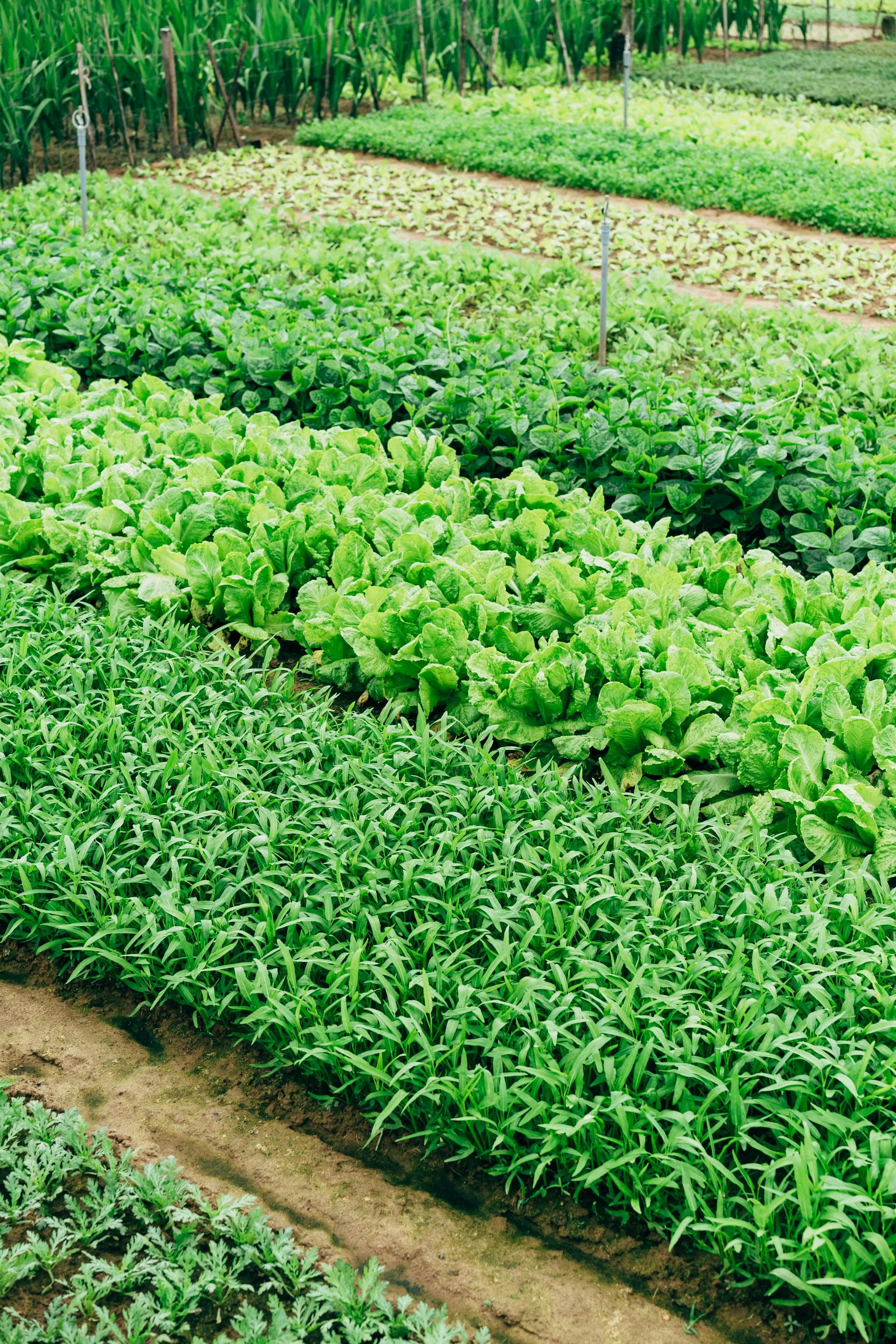
1. Cultivate High-Value Crops with Export Potential
Crops such as Hass Avocado and Dragon Fruit stand out for their profitability in 2026 due to premium local market prices and export demand. These crops require careful management to ensure quality and yield.
- Ensure soil is well-drained and rich in organic matter before planting.
- Implement proper irrigation systems, such as drip irrigation, to conserve water and enhance fruit quality.
- Adopt organic fertilization practices to maintain sustainable production and meet export standards.
Boost your yields with the HIRALIY 50ft Drip Irrigation Kit Plant Watering System – available on Amazon.
2. Leverage Poultry and Livestock Innovations
Dual-purpose poultry breeds like the improved Kienyeji chicken offer resilience and profitability by providing both meat and eggs. Climate-smart livestock such as dairy goats and commercial rabbits also present income diversification opportunities.
- Focus on breeds adapted to local conditions and with disease resistance.
- Provide balanced nutrition using both organic feed supplements and pasture management.
- Incorporate waste management practices like vermicomposting to recycle nutrients back into the farm system.
3. Integrate Soil Testing and Organically Balanced Fertilization
Regular soil testing guides effective nutrient management, enhancing crop health and minimizing overuse of synthetic fertilizers. Using organic fertilizers supports soil microbial life and structure.
- Conduct soil pH and nutrient tests before planting and during the crop cycle.
- Amend soils with organic compost and natural fertilizers suited to the test results.
- Monitor crop response and adjust fertilization accordingly.
For precise soil analysis, farmers can use the Soil pH & Moisture Tester Kit – available on Amazon.
Explore sustainable organic farming solutions with Biofarm Kenya to access expert support and eco-friendly inputs.
Case Studies, Examples, or Comparisons
Kenyan smallholder farmers in regions like Murang’a and Meru have successfully adopted Hass Avocado farming, transitioning from subsistence to commercial-scale production. According to reports by the Kenya Agricultural and Livestock Research Organization (KALRO) and the Food and Agriculture Organization (FAO), these farmers have seen income growth of up to 40% within the first three years.
Greenhouse farming techniques have also been adopted by some coastal farmers cultivating vegetables year-round, reducing pest exposure and enabling water-efficient irrigation. Such innovations receive support from Kenya’s Ministry of Agriculture and environment bodies like NEMA to ensure sustainability.
Common Mistakes to Avoid
Adopting the following best practices can help farmers avoid costly errors:
- Poor soil management: Avoid neglecting soil tests; unbalanced fertilization leads to nutrient depletion.
- Over-irrigation: Excessive watering causes nutrient leaching and root diseases; use drip irrigation for efficiency.
- Excessive chemical fertilizer use: Leads to soil acidification and environmental pollution; rely on organic inputs.
- Ignoring pest management: Integrated pest management (IPM) practices reduce pesticide dependency and crop loss.
- Lack of market research: Failing to identify high-demand crops or livestock risks profitability.
Expert Tips or Best Practices
Experts recommend these approaches for maximizing farming profitability in Kenya in 2026:
- Practice crop rotation and intercropping to naturally enrich soil and control pests.
- Use organic compost and starter mixes to improve soil structure and microbial activity.
- Invest in affordable technology like soil testers and drip irrigation to optimize resource use.
- Attend trainings offered by agriculture extension services or Biofarm Kenya for updated practices.
Enhance soil vitality by using a proven product such as Organic Compost Starter Mix.
Explore sustainable organic farming solutions with Biofarm Kenya for expert advice and quality inputs.
Future Trends or Predictions
Looking ahead, the Kenyan agribusiness landscape is set to benefit from emerging innovations:
- Smart irrigation systems: AI-controlled drip and sprinkler setups to tune water use by real-time soil and weather data.
- Vertical farming: Space-efficient urban farms growing high-value leafy greens and herbs year-round.
- Crop monitoring with drones and sensors: Early detection of pest, disease, or nutrient deficiencies to reduce losses.
- Enhanced organic certification schemes: Growing consumer demand for verified sustainable products boosts export opportunities.
Conclusion
The Most Profitable Farming Ideas in 2026 in Kenya offer pathways to sustainable income and food security through organic practices and technology adoption. By focusing on high-value crops, prudent livestock farming, soil health, and smart irrigation, farmers can tap into booming market demand with environmentally sound methods.
Discover trusted organic farming tools on Amazon and learn more about sustainable solutions with Biofarm Kenya.
FAQs
High-value crops like Hass Avocado, Dragon Fruit, grafted Red Bulb Onions, and selected vegetables lead profitability in Kenya. These crops meet strong local and export demand with premium pricing. Source: FAO.
Organic farming improves soil fertility, reduces input costs, and creates access to niche markets. It supports resilience to climate change and promotes biodiversity. Source: Biofarm Kenya.
Regular soil testing, use of organic compost, crop rotation, and balanced fertilization are key to maintaining productive soils and maximizing crop yields. Source: KALRO.
Drip irrigation and sprinkler systems optimize water use, reduce waste, and improve crop health under Kenya’s varied climatic conditions. Source: NEMA.
Dual-purpose Kienyeji chickens, dairy goats, and commercial rabbits adapted to local environments offer high returns with low land use. Proper feeding and health management are critical. Source: KALRO.
Farmers can source inputs through trusted providers like Biofarm Kenya which offers expert support, organic fertilizers, and sustainable tools. Source: Biofarm Kenya Partner Link.
For more detailed guides and expert services, visit Biofarm Kenya.


0 Comments