

Estimated Reading Time: X minutes
TL;DR: Discover how to make and apply maize-stalk biochar to enhance soil fertility and maize yields by 37%, with a focus on Kenyan farming practices.
Key Takeaways:
- Biochar boosts soil fertility, reduces chemical fertilizer dependency, and improves water retention.
- Produce biochar using mud kilns and mix with compost at a 1:3 ratio.
- Apply 5–10 tons/ha of biochar during planting for maximum effect.
- KALRO trials show a 37% increase in maize yields using biochar.
- Explore sustainable farming options with Biofarm Kenya.
- Introduction
- Background & Context
- Key Insights or Strategies
- Case Studies, Examples, or Comparisons
- Common Mistakes to Avoid
- Expert Tips or Best Practices
- Future Trends or Predictions
- Conclusion
- FAQs
Introduction
Kenyan farmers are increasingly seeking alternatives to costly chemical fertilizers after recent 2025–2026 studies showed soil degradation from overuse. This guide trains farmers to produce and apply biochar from maize stalks and crop waste to boost soil fertility, reduce fertilizer dependency, and increase water retention. Biochar's use has proven successful in increasing maize yields by 37% when applied correctly.
Background & Context
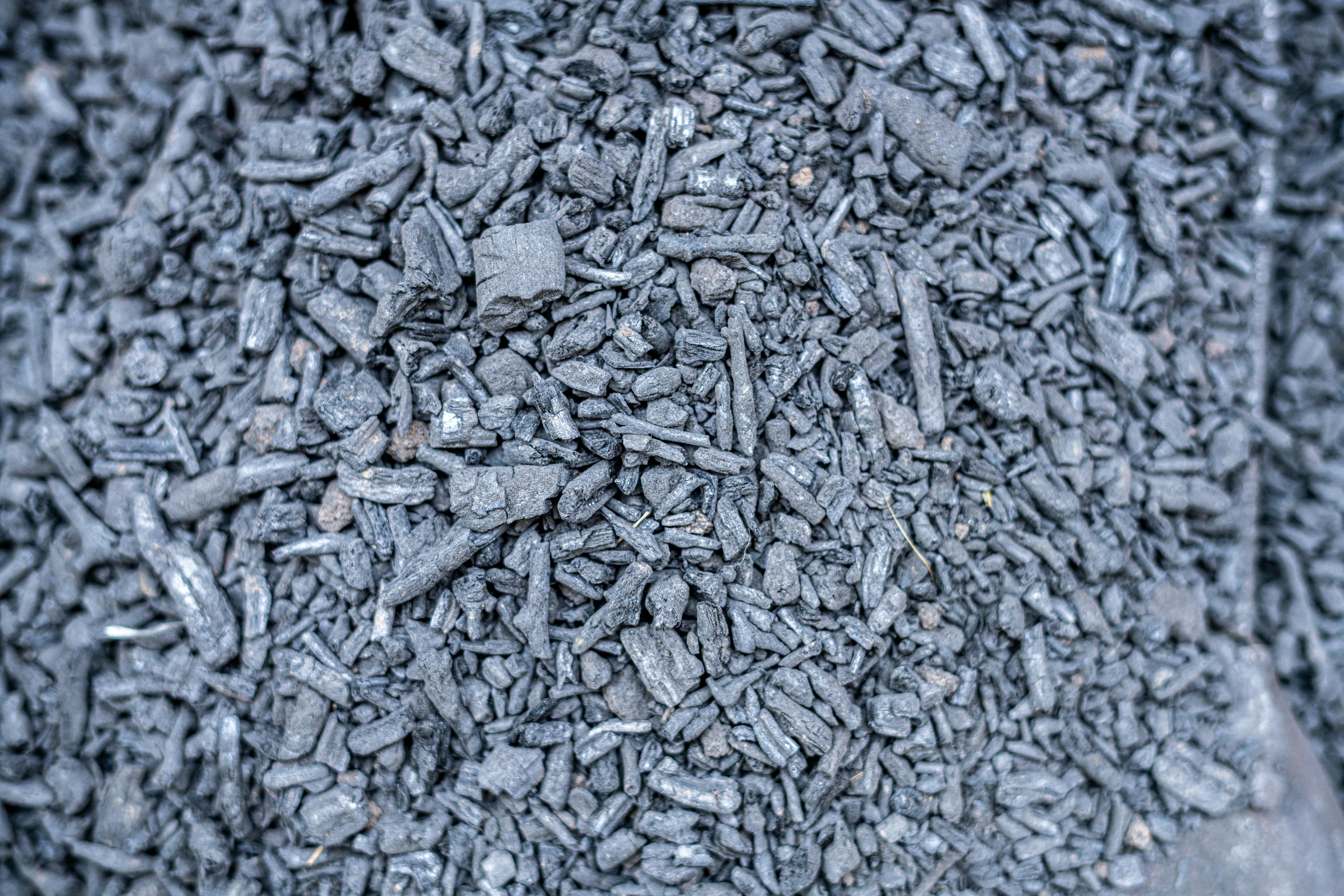
Sustainable agriculture in East Africa has seen significant advances with trends such as conservation agriculture and organic farming. These practices are essential in counteracting the adverse effects of over-reliance on chemical fertilizers.
Key Insights or Strategies
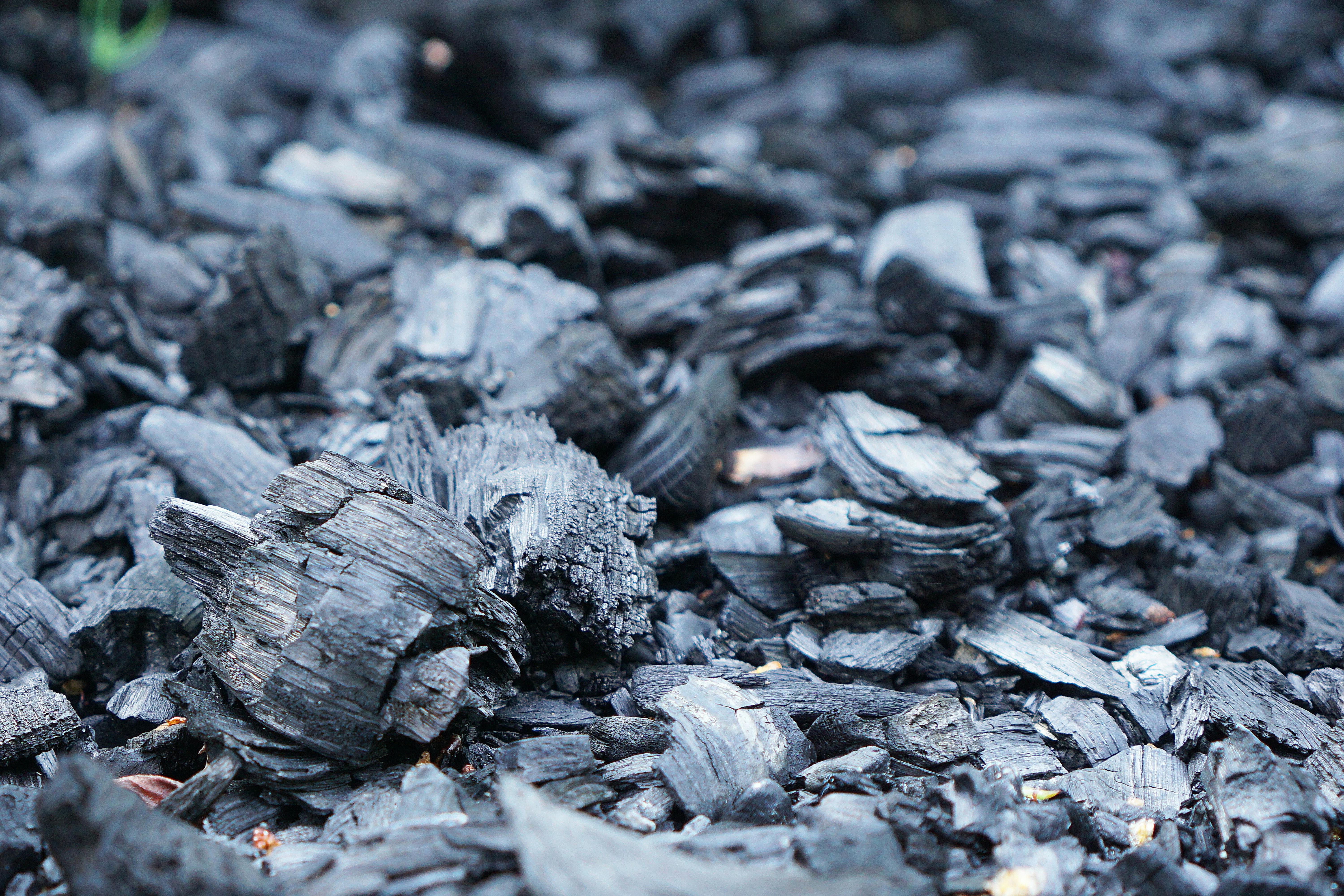
Producing Biochar
- Gather maize stalks and crop waste.
- Use a mud kiln to perform pyrolysis without expensive machinery.
- Cool and crush biochar to the desired size.
Applying Biochar
- Mix biochar with compost at a 1:3 ratio for optimal microbial activation.
- Apply 5–10 tons/ha of biochar during planting.
Boost your yields with the Wallace Organic Wonder, Soluble Humic & Fulvic Acid Powder – available on Amazon.
Explore sustainable organic farming solutions with Biofarm Kenya
Case Studies, Examples, or Comparisons
In Kenya, the Kenya Agricultural & Livestock Research Organization (KALRO) has verified biochar's effectiveness in improving maize yields by 37%. [Source: Africa Agriexpo]
Common Mistakes to Avoid
- Over-application of biochar, which may alter soil pH negatively.
- Not mixing biochar with compost, which limits microbial activation.
- Using contaminated materials for biochar production.
Expert Tips or Best Practices
Maintain healthy soil with Organic Compost Starter Mix to improve fertility.
Employ an irrigation solution like the CARPATHEN Drip Irrigation System Kit for efficient water use.
Learn more about sustainable solutions with Biofarm Kenya
Future Trends or Predictions
Emerging technologies like AI-driven crop monitoring, vertical farming, and low-cost irrigation systems are expected to revolutionize Kenyan agriculture.
Conclusion
Biochar offers a sustainable solution for improving soil fertility and yields. Its implementation in Kenyan farms not only aligns with environmental sustainability but also enhances economic resilience. Discover trusted organic farming tools on Amazon and learn more about sustainable solutions with Biofarm Kenya.
FAQs
- What is biochar and how is it made? Biochar is a carbon-rich product obtained from pyrolysis of organic matter. Learn more from the FAO.
- How does biochar improve soil fertility? Biochar enhances water retention and nutrient availability. Check NEMA guidelines.
- Can biochar be used in all soil types? Yes, but it's advisable to perform soil testing; consider using a Soil Test Kit.
- Is biochar sustainable? Biochar production is environmentally friendly and promotes sustainable agricultural practices. Explore deeper insights with Biofarm Kenya.
- How often should biochar be applied? Apply once per planting season. Consult experts at KEBS.
- What are the benefits of mixing biochar with compost? It activates beneficial microbes and enhances nutrient uptake. For more, visit Ministry of Agriculture.


0 Comments