

Estimated Reading Time: 12 minutes
TL;DR: Learn how Kenyan farmers are boosting maize yields by 22% using no-till farming. Key practices include cover cropping, mulching, and precision planting. This method conserves water and challenges traditional plowing beliefs.
Key Takeaways:
- Implementing no-till farming can improve soil structure and fertility.
- Cover crops help in moisture retention and weed control.
- Precision planting reduces seed wastage and increases yield potential.
Background & Context
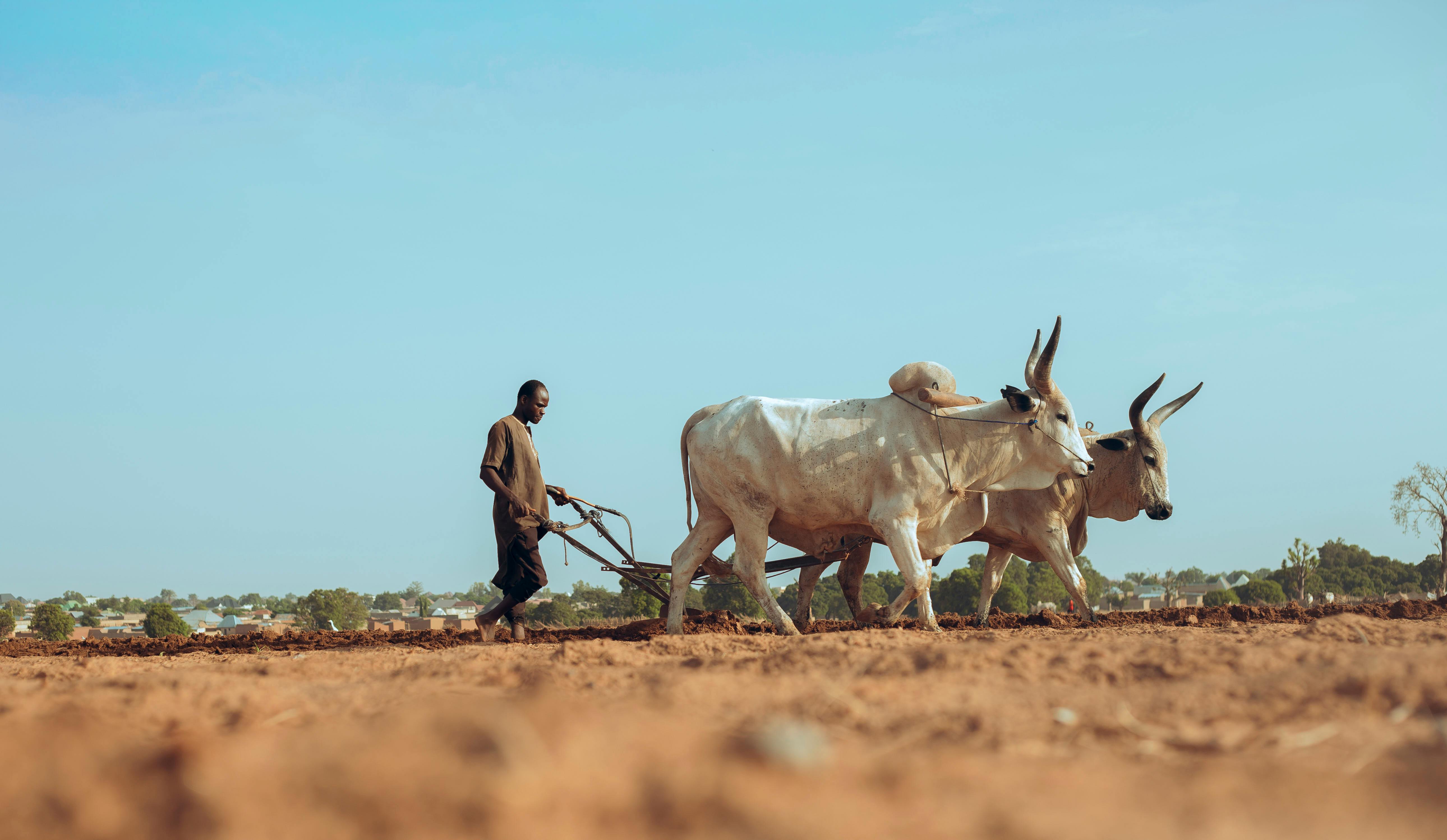
Kenyan farmers are increasingly adopting no-till farming to combat soil degradation and rising fuel costs. This sustainable approach to agriculture is vital for improving soil health and reducing the environmental impact of farming activities. According to a 2025 study from Jomo Kenyatta University, no-till farming increases maize yields by 22% while reducing water use by 30%.
Key Insights or Strategies
Selecting the Right Cover Crops
The choice of cover crops plays a critical role in enhancing soil fertility and structure. Drought-resistant legumes are recommended as they fix nitrogen levels in the soil.
Implementing Precision Planting
Precision planting technologies ensure uniform seed distribution, optimizing plant growth and yield. Tools like slit drills aid in placing seeds accurately without disturbing soil layers.
- Boost your yields with the Drammatic® Organic™ Original Fertilizer – available on Amazon.
- Explore sustainable organic farming solutions with Biofarm Kenya.
Case Studies, Examples, or Comparisons
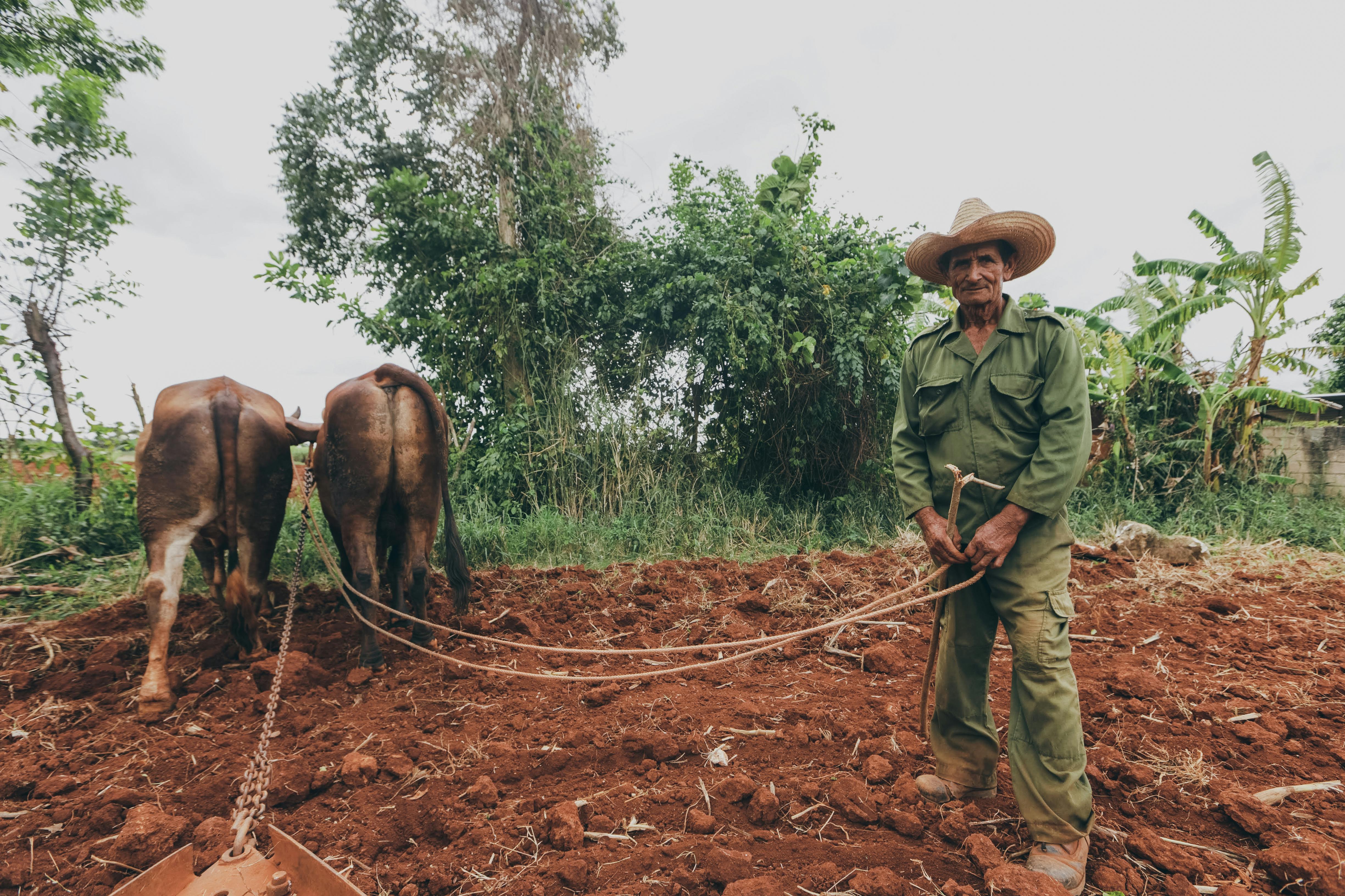
Several farmers in Kenya have benefited from no-till practices, seeing increased productivity and profitability. The FAO has documented numerous case studies showing the positive environmental impact of conservation agriculture across Africa.
Common Mistakes to Avoid
- Over-tilling: Excessive soil disruption can harm soil structure and microbial life.
- Ignoring Cover Crops: Failing to integrate cover crops can lead to increased erosion and nutrient loss.
- Inefficient Water Use: Over-reliance on traditional irrigation instead of efficient systems like drip irrigation can decrease water savings.
Expert Tips or Best Practices
To maintain soil health, regularly test soil nutrient levels and adjust fertilization accordingly.
- Consider using the Soil Test Kit – available on Amazon.
- Maintain consistent ground cover through strategic crop rotations and mulching.
Enhance your farming practices with guidance from Biofarm Kenya.
Future Trends or Predictions
The future of farming in Kenya will likely be shaped by smart irrigation systems, AI-driven crop monitoring, and increased emphasis on vertical farming to maximize space and resources.
Conclusion
Adopting no-till farming can be revolutionary for Kenyan agriculture, promoting sustainable farming while enhancing productivity.
Discover trusted organic farming tools on Amazon and learn more about sustainable solutions with Biofarm Kenya.
FAQs
- What is no-till farming?
No-till farming is a method of growing crops without disrupting the soil through tillage. Learn more from the FAO. - Why are Kenyan farmers adopting no-till methods?
Faced with rising fuel costs and soil degradation, farmers are turning to no-till for its environmental and economic benefits. See more insights from NEMA. - How does no-till farming impact water usage?
No-till significantly reduces water usage by improving soil moisture retention. Learn more about water conservation from KALRO. - What are the best cover crops for no-till farming in Kenya?
Legumes and other nitrogen-fixing plants are ideal for improving soil fertility. Biofarm Kenya offers solutions for sustainable farming. - What equipment is necessary for precision planting?
Precision planting may require specialized drills and technology to optimize seed placement. - Are there government resources aiding in no-till transition?
Government programs and subsidies may be available to help farmers adopt sustainable practices. See Ministry of Agriculture.




0 Comments