

Estimated Reading Time: 12 minutes
TL;DR: 1. Kenyan farmers are increasingly turning to neem-based biopesticides to combat pest resistance.2. Neem oil extraction is key to reducing pest damage.3. Integrated pest management enhances crop yields.4. Neem use has notably increased maize yields in Bomet County.5. Save on pesticide costs while fostering sustainable farming.
Table of Contents
- Background & Context
- Key Insights or Strategies
- Case Studies, Examples, or Comparisons
- Common Mistakes to Avoid
- Expert Tips or Best Practices
- Future Trends or Predictions
- Conclusion
- FAQs
Boost Yields with Neem Biopesticides for Farmers
Meta Description: Learn how Kenyan farmers cut pesticide costs by 40% and boost maize yields by 30% using neem-based biopesticides. A practical farming guide.
Background & Context
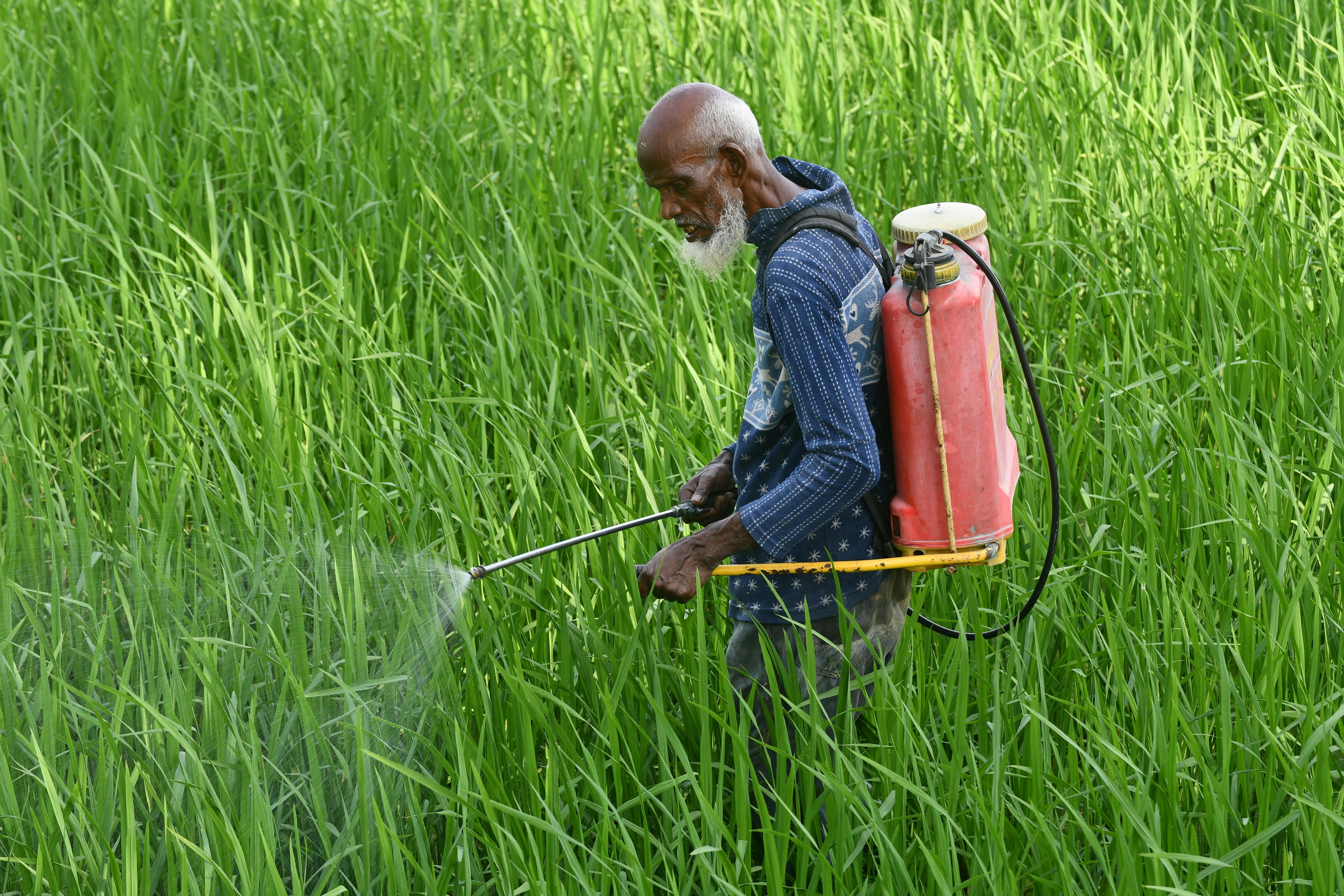
Kenyan farmers are increasingly seeking alternatives to chemical pesticides due to rising resistance, environmental harm, and cost. This guide trains farmers to adopt neem-based biopesticides, which studies show reduce pest damage by 65-70% while cutting input costs by 40%. Farmers in Bomet County reported 30% higher maize yields using this method in 2025. As the demand for sustainable solutions grows, neem-based products are gaining popularity across East Africa.
Key Insights or Strategies
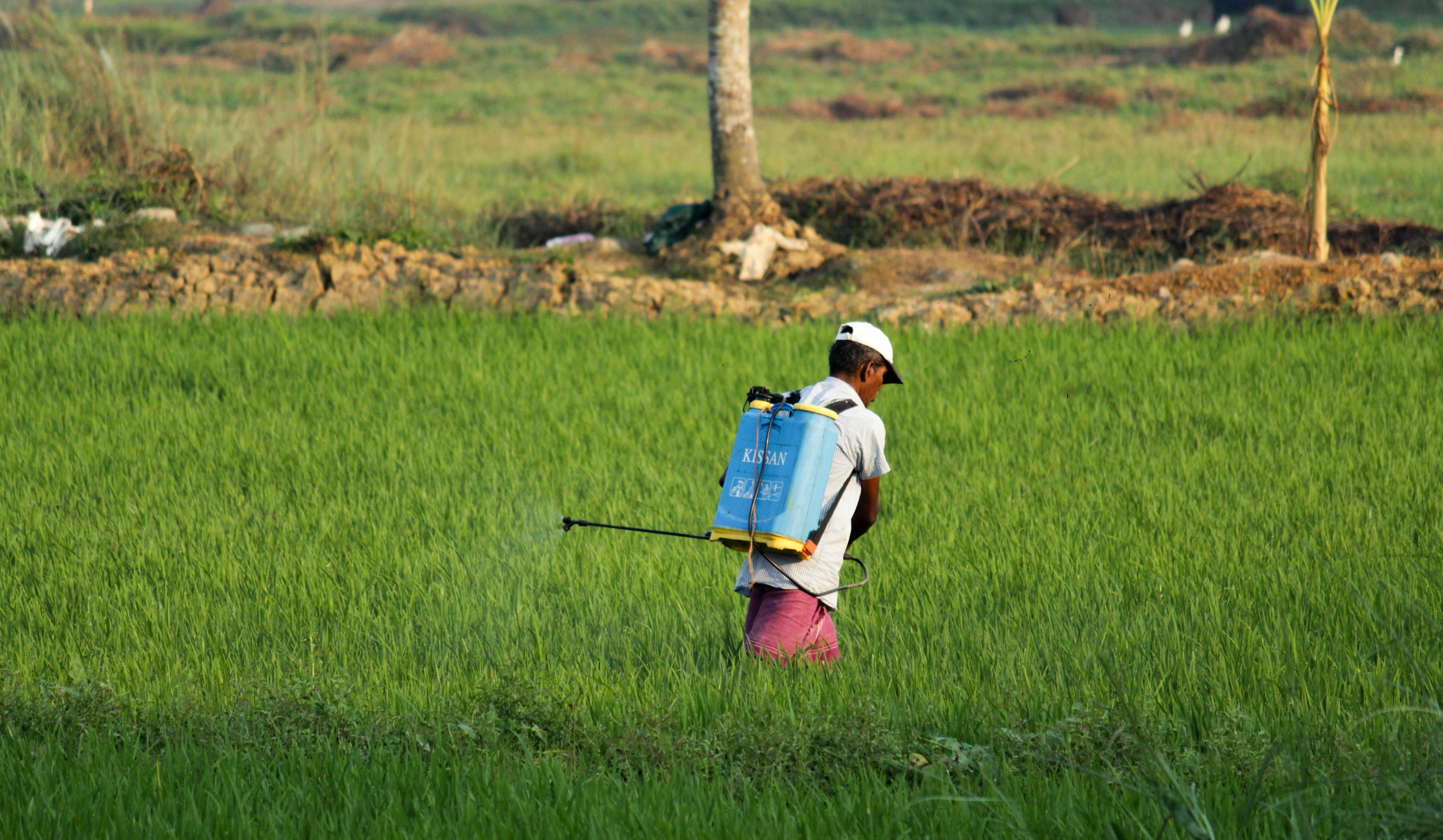
Integrating Neem Biopesticides
Step 1: Neem Oil Extraction
Use 500g of neem cake per 10L of water.Add soap as an emulsifier for better application. Step 2: Application Timing
Apply at dawn or dusk to combat fall armyworm effectively. Step 3: Integrated Pest Management
Combine neem biopesticides with trap crops like marigold.
Boost your yields with the MIXC 230FT Quick-Connect Drip Irrigation System Kit for optimal watering.
Explore sustainable organic farming solutions with Biofarm Kenya
Case Studies, Examples, or Comparisons
A successful case from Bomet County shows maize yield increases of 30% using neem-derived applications coupled with marigold trap cropping. This approach has earned recognition from the Ministry of Agriculture and highlights the effectiveness of biopesticide integration.
Common Mistakes to Avoid
- Incorrect timing of pesticide application – ensure dawn/dusk use.
- Over-reliance on synthetic fertilizers; balance with natural alternatives.
- Ignoring crop rotation, leading to pest and disease buildup.
Expert Tips or Best Practices
Neem Cultivation Tips
- Use precise neem oil formulation for targeted pests.
- Select resistant cultivars and maintain healthy soil with the Wallace Organic Wonder - Soluble Humic & Fulvic Acid Powder.
- Group neem trees for enhanced pest control.
Maintain healthy soil with MySoil Soil Test Kit.
Explore sustainable organic farming solutions with Biofarm Kenya
Future Trends or Predictions
Agriculture innovation is focusing more on sustainable methods such as AI-driven crop monitoring, precision irrigation, and crop diversification strategies. Projects that digitally enhance neem biopesticide strategies are gaining traction.
Conclusion
Embracing neem biopesticides can revolutionize crop productivity while minimizing ecological impact. Discover trusted organic farming tools on Amazon and learn more about sustainable solutions with Biofarm Kenya.
FAQs
- How effective are neem biopesticides compared to chemical pesticides?
- Neem biopesticides can reduce pest damage by 65-70%, according to the FAO.
- What is the best way to apply neem oil?
- Apply at dawn or dusk as an integrated part of pest management. Kenya Agricultural & Livestock Research Organization (KALRO) provides detailed guides.
- Can neem be used with other pesticides?
- Yes, but it's best integrated with natural methods, noted by KNBS.
- Where can I buy neem oil in Kenya?
- Local agrovet stores and online platforms such as Jumia Kenya offer various neem products.
- What are some benefits of using biopesticides?
- Lower environmental impact and reduced pest resistance are key benefits reported by the NEMA.
- Is neem safe for human consumption?
- Neem products are generally safe when used as directed; consult the Biovision Africa Trust for more information.


0 Comments