

Estimated Reading Time: 12 minutes
TL;DR:- No-till farming in Kenya improves crop yields by 30%.- Reduces labor costs by 40% and combats soil degradation.- Promotes sustainable agriculture practices in arid regions.- Key techniques: herbicides for weed control, direct seeding, maintaining crop residue.- Explore advanced farming products and partnerships for further sustainability.Key Takeaways:- Implement no-till farming to increase yields and cut costs.- Use organic herbicides and direct planting methods.- Partner with local sustainable initiatives for best results.Table of Contents- Introduction
- Background & Context
- Key Insights or Strategies
- Case Studies, Examples, or Comparisons
- Common Mistakes to Avoid
- Expert Tips or Best Practices
- Future Trends or Predictions
- Conclusion
- FAQs
Introduction
Kenyan farmers are increasingly adopting no-till practices to combat soil degradation and erratic rainfall. This guide focuses on step-by-step no-till implementation for smallholders: 1) Use herbicides for weed control before planting, 2) Directly plant seeds into undisturbed soil with a ripper, 3) Maintain crop residues to boost moisture retention. A 2026 KALRO study shows no-till improves yields by 30% in arid regions after 2 seasons while reducing labor costs by 40%.
Background & Context
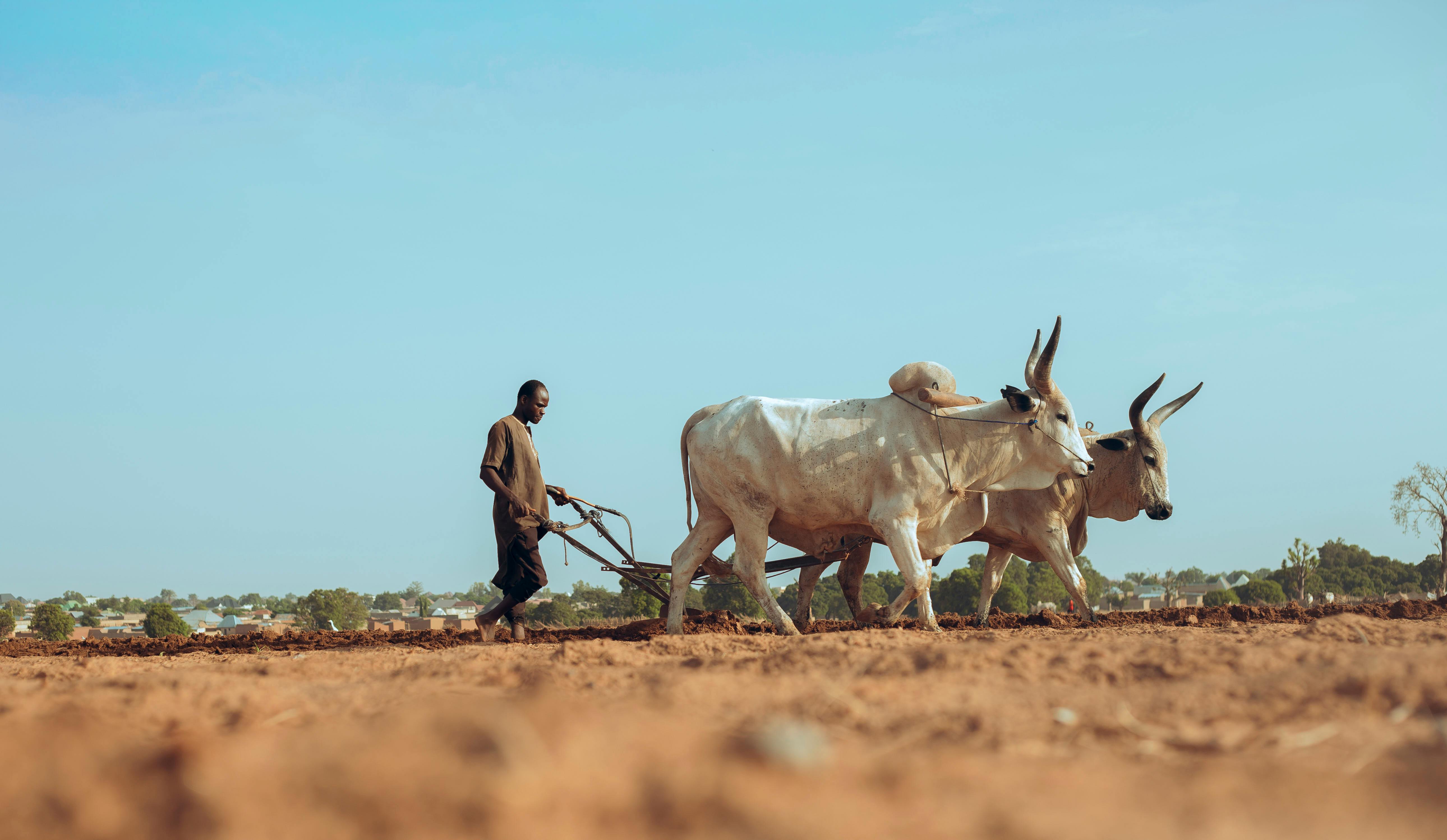
No-till farming, known as zero tillage, is a crucial strategy for sustainable agriculture in Kenya, especially as climate change affects traditional farming techniques. As highlighted by the Wikipedia article on no-till farming, this method leads to improved soil health and reduced erosion.
Key Insights or Strategies
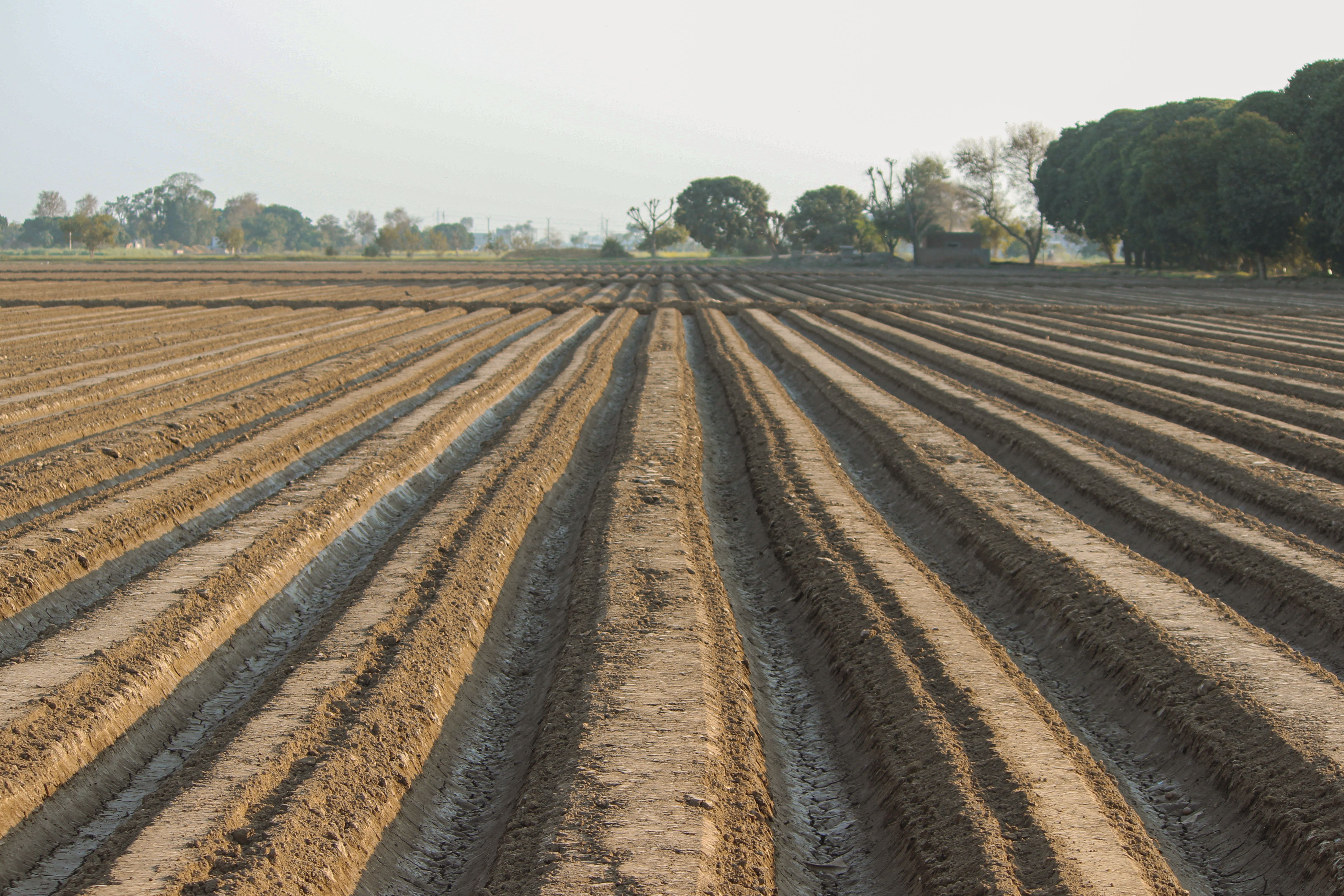
Implement No-Till Techniques
- Use organic herbicides to manage weeds economically.
- Directly seed into undisturbed soil using specialized equipment.
- Maintain residue from previous crops on the field to retain moisture.
Boost your farming outcomes with the AchmadAnam Crushed Oyster Shell Organic Fertilizer – available on Amazon.Explore sustainable organic farming solutions with Biofarm Kenya.
Case Studies, Examples, or Comparisons
Farmers like those from Embu, Kenya, have successfully embraced no-till to enhance soil structure and increase productivity. As the Eos Blog suggests, implementing complementary techniques like crop rotation and using cover crops can maximize benefits.
Common Mistakes to Avoid
Common errors include insufficient residue cover, incorrect equipment usage, and poor weed management. Correct these by educating on the appropriate machinery and practicing integrated crop management.
Expert Tips or Best Practices
Maintain soil health with organic additives. Try Drammatic Organic Liquid Fish Fertilizer to enhance nutrient supply.
Explore sustainable organic farming solutions with Biofarm Kenya.
Future Trends or Predictions
Expect upcoming innovations in smart irrigation systems and AI-driven crop monitoring, which will further enhance efficiency in Kenyan agriculture.
Conclusion
Adopting no-till farming is crucial for improving soil health and boosting crop yields sustainably. Discover trusted organic farming tools on Amazonand learn more about sustainable solutions with Biofarm Kenya.
FAQs
What is no-till farming?
No-till farming involves planting crops without traditional plowing, enhancing soil health. For more, visit the Syngenta site.
How does no-till improve yields?
By preserving soil structure and moisture. See the evidence at EESI.
Which crops are best for no-till?
Crops like maize and beans adapt well. Learn more at DW.
What machinery is needed?
Specialized seed drills are used. Details are available at Wikipedia.
Is no-till cost-effective?
Yes, it reduces labor and input costs. Visit Eos Blog for insights.
Can no-till help with climate change?
It reduces carbon emissions and enhances sequestration. For more info, see the EESI article.


0 Comments