

Estimated Reading Time: 12 minutes
TL;DR: - Conservation farming can reduce input costs significantly.- Mulching improves soil moisture by up to 25%.- Crop rotation cuts fertilizer costs by 40%.- Explore Kenyan innovations in sustainable agriculture.- Check out Amazon for practical farming tools.Background & Context
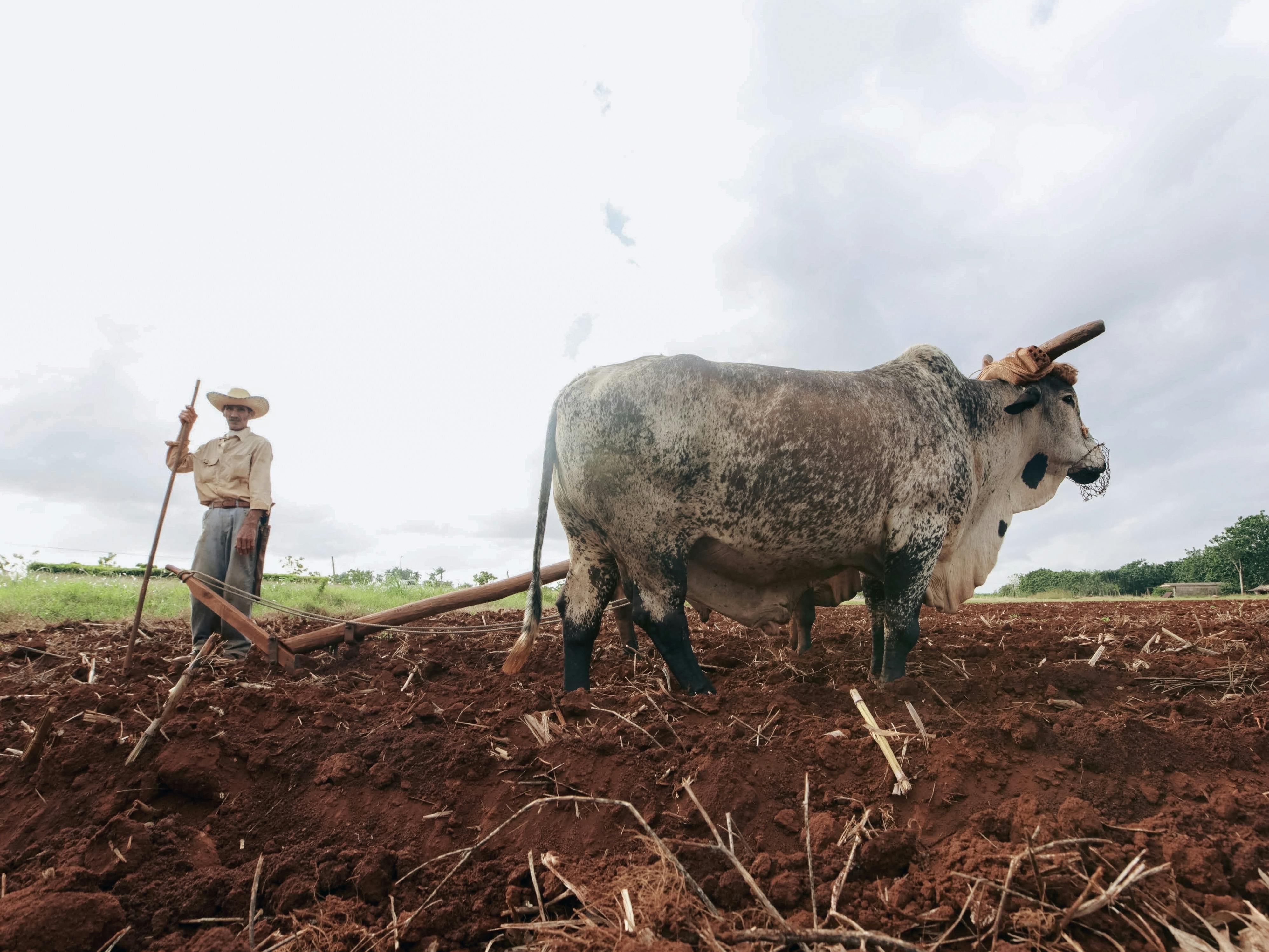
Kenya's agricultural sector is on the cusp of transformation. Farmers are increasingly adopting conservation agriculture to combat climate change and rising input costs. By focusing on minimum tillage, mulching, and crop rotation, farmers can enhance soil fertility, reduce irrigation dependency, and boost yields naturally. The Kenya Agricultural and Livestock Research Organization (KALRO) affirms that mulching can increase soil moisture by 25% and crop rotation with legumes can slash fertilizer expenses by up to 40%.
Key Insights or Strategies
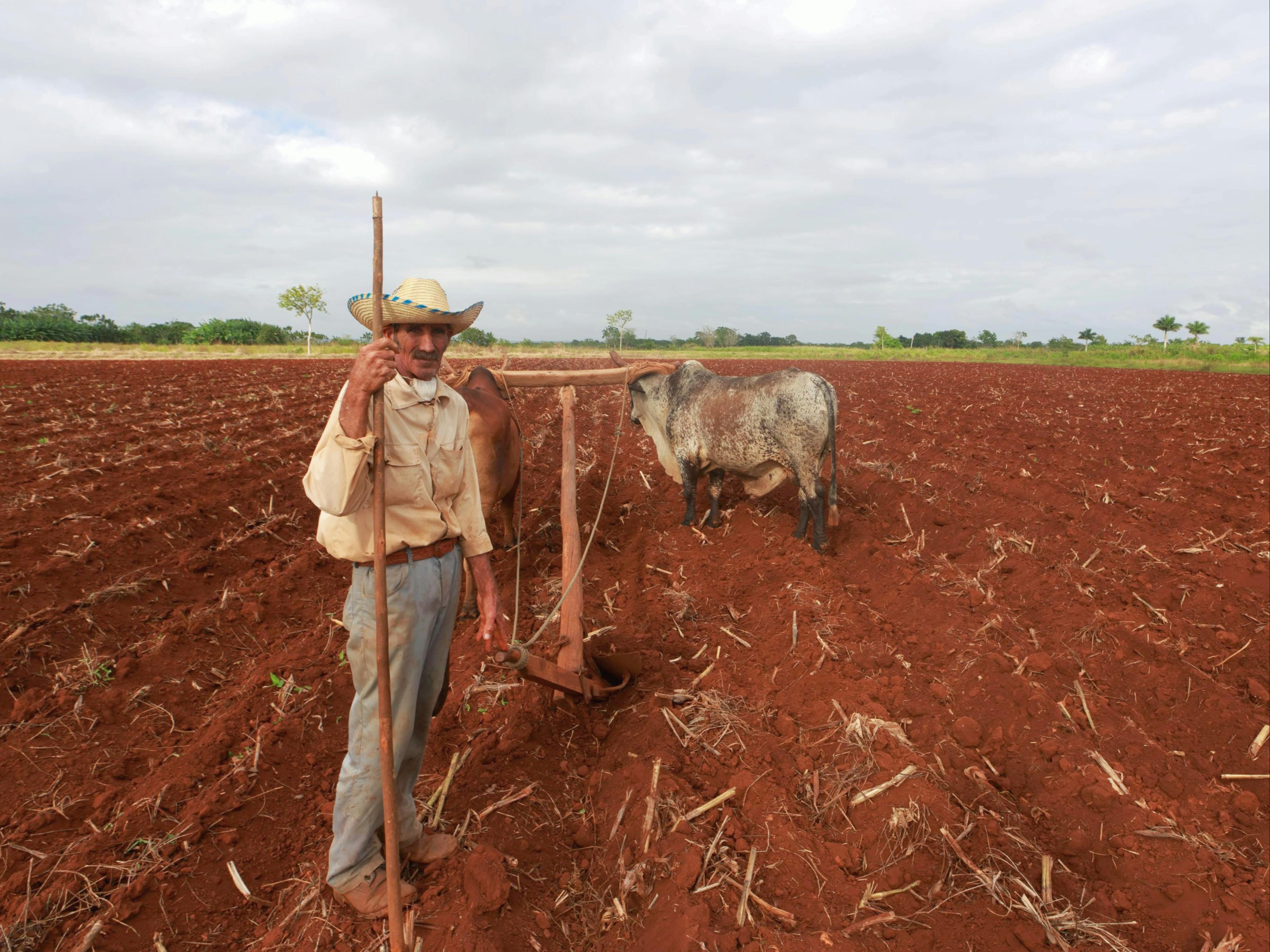
Mulching
Mulching is not only cost-effective but also boosts moisture retention. For precise plant care, consider the Crushed Oyster Shell Organic Fertilizer – available on Amazon. Explore sustainable organic farming solutions with Biofarm Kenya.
Crop Rotation
Incorporating legumes can significantly reduce the need for chemical fertilizers.
Case Studies, Examples, or Comparisons
In Eldoret, a farmer implementing crop rotation and mulching saw a 30% rise in crop yield within two seasons. According to the FAO, sustainable practices like these enhance soil structure and biodiversity.
Common Mistakes to Avoid
Expert Tips or Best Practices
Regular soil testing is crucial. Utilize the Rapitest Soil Test Kit – available on Amazon to monitor soil health accurately. Explore sustainable solutions with Biofarm Kenya.
Future Trends or Predictions
Kenya is embracing innovation with technologies like smart irrigation systems. These innovations aim to optimize resource use and enhance crop monitoring. Carpathen Drip Irrigation System Kit – available on Amazon offers a reliable solution for efficient water use.
Conclusion
Adopting conservation agriculture practices can drastically reduce input costs while maintaining productivity. Discover a range of organic farming tools on Amazon. Visit Biofarm Kenya to learn more about sustainable farming solutions.
FAQs
Conservation agriculture focuses on minimizing soil disturbance, maintaining a vegetative cover, and diversifying crop species. More at FAO.How does mulching benefit soil?
Mulching retains moisture, suppresses weeds, and improves soil fertility by decomposing organic matter. More at NEMA.What crops are ideal for rotation in Kenya?
Crops like maize, beans, and legumes are commonly rotated to enhance soil health. Learn more at CGIAR.Are there government incentives for sustainable farming?
Yes, check with the Ministry of Agriculture for current programs.What is the role of legumes in crop rotation?
Legumes fix nitrogen naturally, reducing fertilizer needs. Details at FAO Legumes.Is soil testing necessary?
Yes, it ensures the right nutrient balance for crops. Read more at Biofarm Kenya Education.


0 Comments