

Estimated Reading Time: 12 minutes
TL;DR: Integrated Pest Management (IPM) in Kenya significantly reduces pesticide costs while boosting crop yields. It involves introducing natural predators, rotating crops, and using chemicals as a last resort. Kenyan farmers adopting IPM increase yields by 25%, as supported by studies. Discover sustainable farming solutions and practical tools through our detailed guide.
Key Takeaways:
- IPM reduces chemical use and increases crop yield.
- Introduce natural predators to control pests eco-friendly.
- Utilize crop rotation to disrupt pest life cycles.
- Implement smart irrigation systems to enhance water efficiency.
Table of Contents:
- Background & Context
- Key Insights or Strategies
- Case Studies, Examples, or Comparisons
- Common Mistakes to Avoid
- Expert Tips or Best Practices
- Future Trends or Predictions
- Conclusion
- FAQs
Background & Context
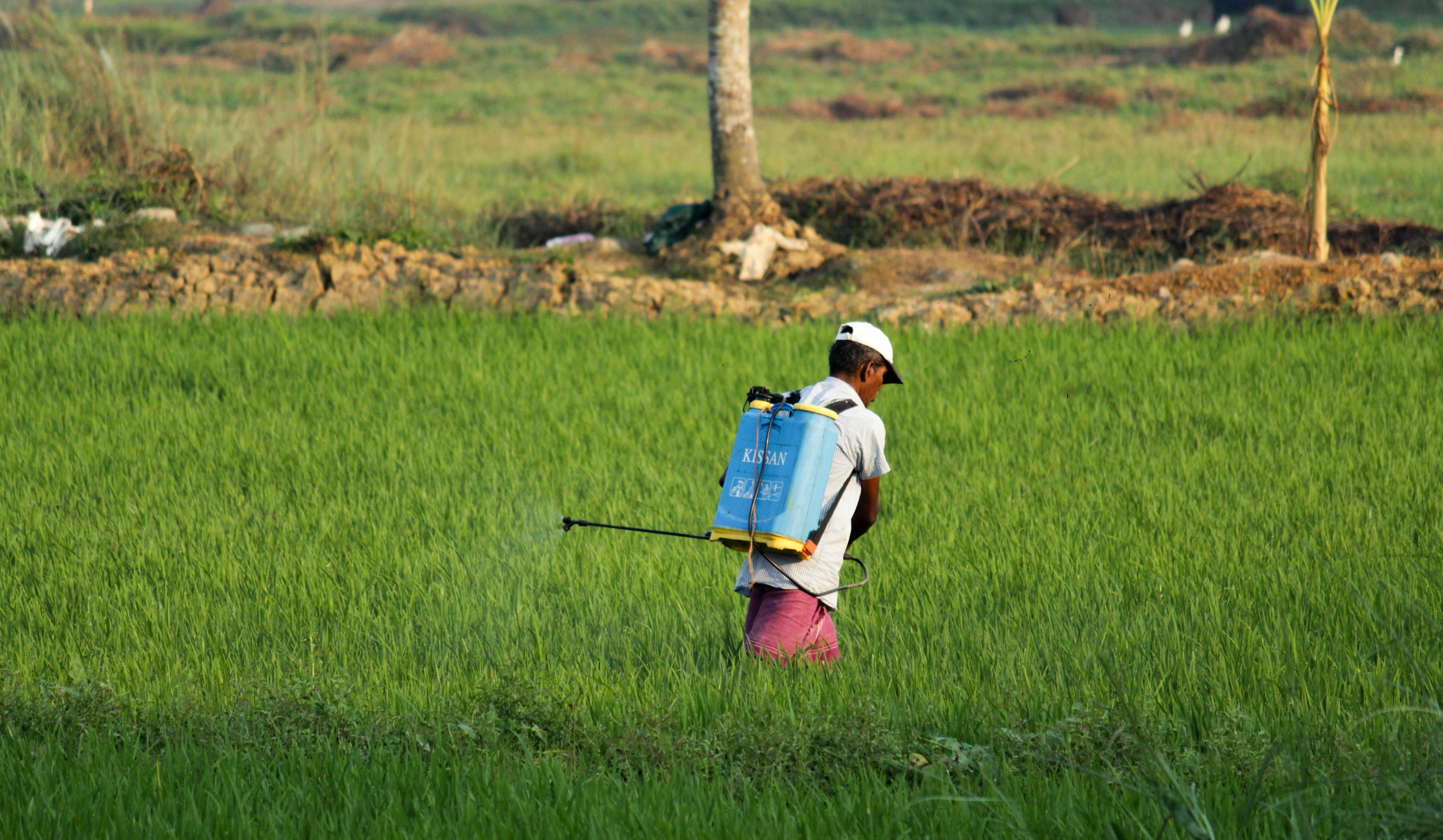
Sustainable agriculture is a growing trend among Kenyan farmers, driven by the rising costs and environmental impact of chemical pesticides. Kenyan farmers are increasingly seeking alternatives to chemical pesticides due to cost and resistance issues. Integrated Pest Management (IPM) provides a holistic approach to pest control by reducing dependence on chemicals and employing natural and mechanical methods. As per a 2026 study by KALRO, implementing IPM can boost maize yields by 25%.
Key Insights or Strategies

1. Introducing Natural Predators
One effective way to implement IPM is by introducing beneficial insects like ladybugs and lacewings into your fields. These natural predators help reduce pest populations without chemicals.
- Identify which natural predators are effective for your crops.
- Plan the introduction times to coincide with pest outbreaks.
- Monitor and evaluate their impact on pest reduction.
For comprehensive pest management, consider using products like the Wallace Organic Wonder Soluble Humic & Fulvic Acid available on Amazon.
2. Crop Rotation
Rotating crops is another key IPM strategy. This practice disrupts pest life cycles and reduces their ability to thrive in specific crop environments.
- Develop a rotation plan that includes non-host crops.
- Consider legumes to enhance soil fertility naturally.
- Assess the benefits annually and adjust the plan accordingly.
Explore sustainable organic farming solutions with Biofarm Kenya.
Case Studies, Examples, or Comparisons
Many Kenyan farmers have successfully adopted IPM practices, leading to increased productivity and reduced costs. For example, a farmer in Nakuru reported a 30% reduction in pesticide use after adopting IPM. The Ministry of Agriculture supports these efforts through educational programs.
Koppert Kenya and MDPI article provide insights into the economic and environmental benefits of IPM.
Common Mistakes to Avoid
Farmers often falter by relying too heavily on chemical solutions. Here are some pitfalls to avoid:
- Avoid monoculture, which facilitates pest population growth.
- Do not ignore pest monitoring; it’s essential for timely interventions.
- Over-irrigation can lead to nutrient leaching. Invest in a well-regulated system.
Expert Tips or Best Practices
To further your IPM efforts, equip yourself with stable tools:
- Utilize a Drip Irrigation System to maintain healthy soil moisture levels.
- Regular soil testing with a Lamotte Soil Test Kit for balanced nutrient management.
- Keep soil health robust with a regimen that includes organic matter and reducing chemical usage.
Discover organic solutions with Biofarm Kenya.
Future Trends or Predictions
The future of sustainable farming in Kenya looks bright with innovations like AI-driven crop monitoring and vertical farming. The integration of smart irrigation systems will further optimize resource usage and maximize productivity.
Conclusion
Adopting Integrated Pest Management can revolutionize farming in Kenya by cutting costs and enhancing yields. For reliable organic farming tools, explore Amazon and learn more about sustainable solutions with Biofarm Kenya.
FAQs
- What is Integrated Pest Management (IPM)?
IPM is a holistic approach to pest control that reduces the use of chemicals by incorporating biological, mechanical, and cultural practices. Learn more from FAO. - How does crop rotation help in pest management?
Crop rotation disrupts the life cycles of pests by alternating susceptible crops with resistant or non-host plants. Visit NEMA for more information. - What are natural predators in IPM?
Natural predators such as ladybugs and lacewings are introduced to control pest populations without chemicals. Biofarm Kenya details here. - How can I test my soil quality?
Use a soil test kit to determine pH and nutrient levels. It's essential for effective IPM planning. For more, refer to KEBS standards. - Why is water management crucial in IPM?
Efficient water use prevents nutrient leaching and pest attraction. Consider drip irrigation systems for optimized watering schedules. FAO resources. - What are the economic benefits of IPM?
Cost savings by reducing pesticide expenditure while maintaining high yields. Visit Koppert Kenya for case studies.




0 Comments