

Estimated Reading Time: 12 minutes
TL;DR:
- Intercropping with drought-tolerant crops enhances yields and water efficiency.
- Millet, sorghum, and cowpeas are ideal for Kenya's arid regions.
- Mulching and companion planting improve soil moisture and pest management.
- Spacing optimization ensures resources are shared effectively.
- KALRO studies reveal a 40% yield improvement in Laikipia County.
Key Takeaways:
- Crop diversification is crucial in drought-prone areas.
- Biofarm Kenya offers sustainable farming solutions.
- Soil management tools accelerate farming success.
Table of Contents:
- Background & Context
- Key Insights or Strategies
- Case Studies, Examples, or Comparisons
- Common Mistakes to Avoid
- Expert Tips or Best Practices
- Future Trends or Predictions
- Conclusion
- FAQs
Background & Context
With Kenya's arid regions facing escalating droughts, farmers are prioritizing crop diversification for resilience. This guide trains farmers to implement intercropping using drought-tolerant crops like millet, sorghum, and cowpeas. Key steps include soil moisture conservation through mulching, pest management with companion planting (e.g., neem trees), and optimizing spacing for resource sharing. Evidence from a 2025 KALRO study shows intercropped plots retained 30% more soil moisture and yielded 40% higher returns than monocultures in Laikipia County.
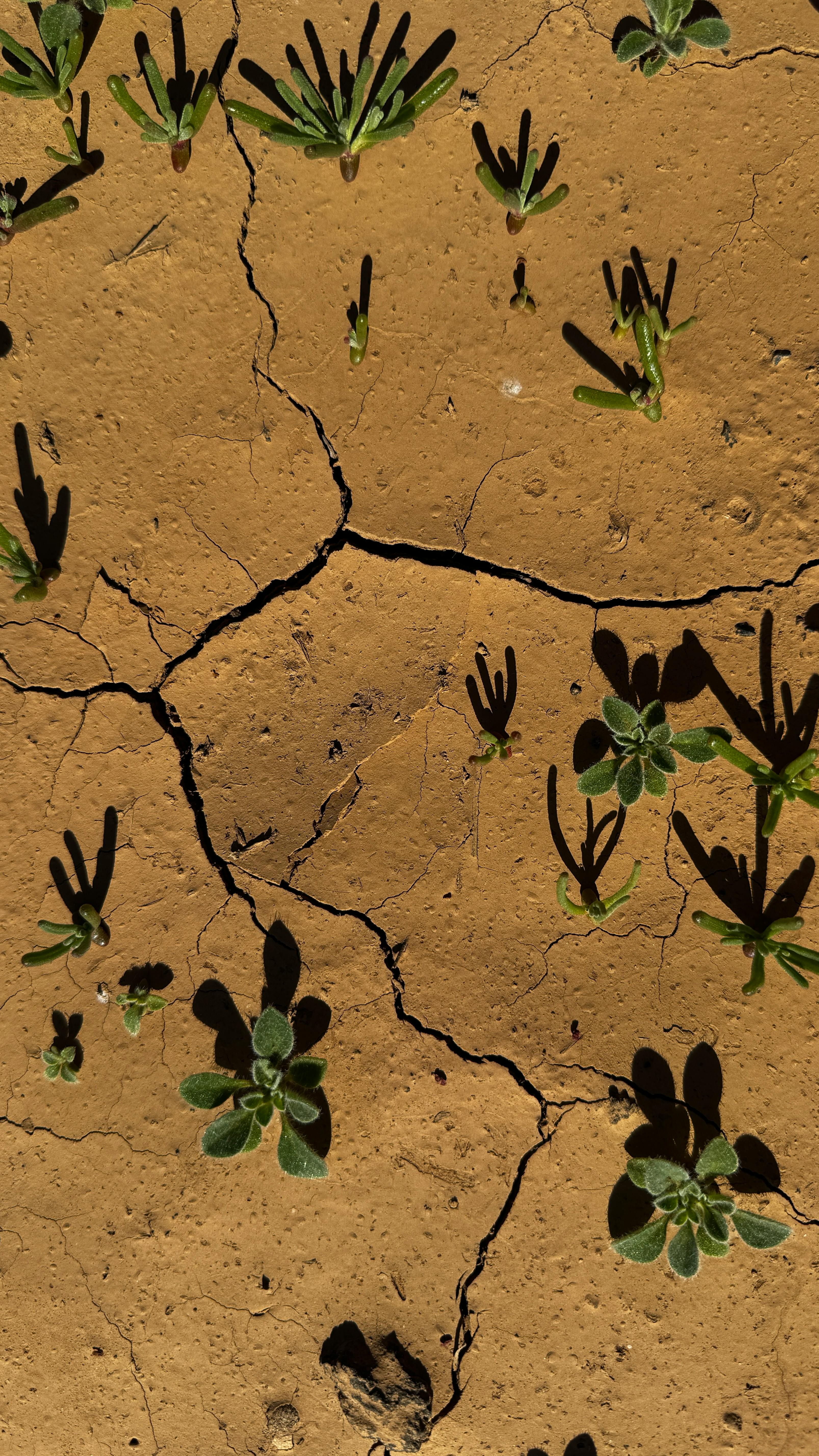
According to the CGSpace report on organic agriculture, sustainable farming systems significantly enhance Kenya's agribusiness potential, offering ecological sustainability and resilience.
Key Insights or Strategies
1. Choosing Drought-Tolerant Crops
Millet, sorghum, and cowpeas are essential drought-tolerant crops that thrive in Kenya’s climate. They require less water and are resistant to local pests.
2. Soil Moisture Conservation Techniques
Utilizing techniques such as mulching and minimal tillage help retain soil moisture, providing a stable growing environment.
- Apply organic mulch to cover exposed soil.
- Implement drip irrigation systems to target water delivery.
Boost your yields with the MySoil Soil Test Kit – available on Amazon.
Explore sustainable organic farming solutions with Biofarm KenyaCase Studies, Examples, or Comparisons
In Laikipia County, a region known for frequent droughts, pilot projects demonstrated that intercropping millet with sorghum increased yields by 30%. The Ministry of Agriculture in Kenya reported the improvement in soil health and farmer profitability.
Common Mistakes to Avoid
- Over-Irrigation: Avoid excessive watering, as it can lead to nutrient leaching.
- Spacing Errors: Ensure proper spacing to avoid unnecessary competition for resources.
- Ignoring Soil Health: Regularly test soil for nutrients and pH balance using reliable kits.
Expert Tips or Best Practices
Adopt crop rotation and incorporate legumes to enhance soil nitrogen levels, which improve crop vigor. This practice is highly recommended by agricultural experts in the region.
Maintain healthy soil with Dr. Earth Organic Compost Starter Mix – available on Amazon.
Explore sustainable organic farming solutions with Biofarm KenyaFuture Trends or Predictions
Technological advancements, such as smart irrigation systems and AI-driven crop monitoring, are expected to revolutionize farming practices in Kenya. Vertical farming is gaining popularity due to its efficiency and minimal resource requirements.
Conclusion
In the face of climate change, intercropping with drought-resistant crops like millet, sorghum, and cowpeas offers a viable solution to enhance yields and reduce water usage. By leveraging modern farming practices and tools, Kenyan farmers can achieve sustainable agriculture.
Discover trusted organic farming tools on Amazon and learn more about sustainable solutions with Biofarm Kenya.
FAQs
1. What is the best drought-tolerant crop for Kenyan conditions?
Millet and sorghum are highly recommended for Kenya's arid climates. They are resilient to low water conditions and provide significant nutritional benefits. Learn more at the FAO Kenya page.
2. How does intercropping improve soil health?
Intercropping helps maintain soil fertility by enhancing biodiversity and reducing erosion. It integrates different rooting systems, which facilitate nutrient exchange. More information can be found at the National Environment Management Authority.
3. Why is soil testing important for farmers?
Soil testing informs farmers about nutrient levels and pH, allowing them to apply precise amounts of fertilizers. This leads to improved crop health and yield. Check the Kenya Bureau of Standards for guidelines on soil testing.
4. What role does digital technology play in sustainable farming?
Digital platforms facilitate resource tracking, weather forecasting, and efficient crop management. They empower farmers with data-driven decisions and improved productivity. Learn more at Biofarm Kenya's digital resources.
5. Can organic fertilizers replace chemical ones effectively?
Organic fertilizers improve soil health without the adverse effects seen with chemical fertilizers. They enrich the soil over time and support sustainable practices. Explore details at ResearchGate's study on organic farming.
6. What is the impact of government policies on organic farming?
Government subsidies and policies can significantly affect organic farming practice adoption and sustainability. They help lower costs and increase access to essential resources. Visit the Kenya Agricultural & Livestock Research Organization for insights.


0 Comments