

Estimated Reading Time: 12 minutes
TL;DR:
- Vertical Farming Revolutionizes Crop Production by enabling year-round, space-efficient, and sustainable food growing solutions in Kenya and East Africa.
- Modern methods like hydroponics, aeroponics, and aquaponics are transforming agribusiness and organic farming practices.
- Investing in soil testing kits, drip irrigation systems, and greenhouse kits can significantly boost productivity and sustainability on small farms.
- Successful Kenyan farmers using vertical farming demonstrate improved yields while conserving land and water resources.
- Biofarm Kenya offers trusted sustainable agricultural solutions and partnerships to support farmers embracing the vertical farming revolution.
Key Takeaways:
- Adopt vertical farming techniques for higher crop yields in limited spaces with less water and chemical use.
- Use tools like Flantor Drip Irrigation Kit and Rapitest Soil Test Kit to optimize soil health and irrigation efficiency.
- Leverage greenhouse kits to protect crops and extend growing seasons, particularly for organic farmers.
- Learn from case studies and avoid common mistakes in soil management and irrigation for better outcomes.
- Explore sustainable organic farming solutions with Biofarm Kenya to access expert guidance and advanced farming technologies.
Introduction
As Kenya experiences rapid urbanization and population growth, the agricultural sector faces mounting pressure to produce more food sustainably. Vertical Farming Revolutionizes Crop Production by offering an innovative solution that addresses land scarcity, water shortages, and environmental degradation. This revolutionary farming approach uses vertically stacked layers to cultivate crops indoors or in controlled environments, boosting production while minimizing resource use. With a special focus on Kenya and East Africa, this article explores how vertical farming is reshaping agribusiness, organic farming, and sustainable agriculture to help feed the world responsibly.
Embracing modern technology and sustainable practices, Kenyan farmers and agribusinesses can harness vertical farming methods to improve food security and foster economic growth within the region. This comprehensive guide will delve into practical strategies, real-life success stories, common pitfalls to avoid, expert advice, and future prospects of vertical farming in Kenya.
Background & Context
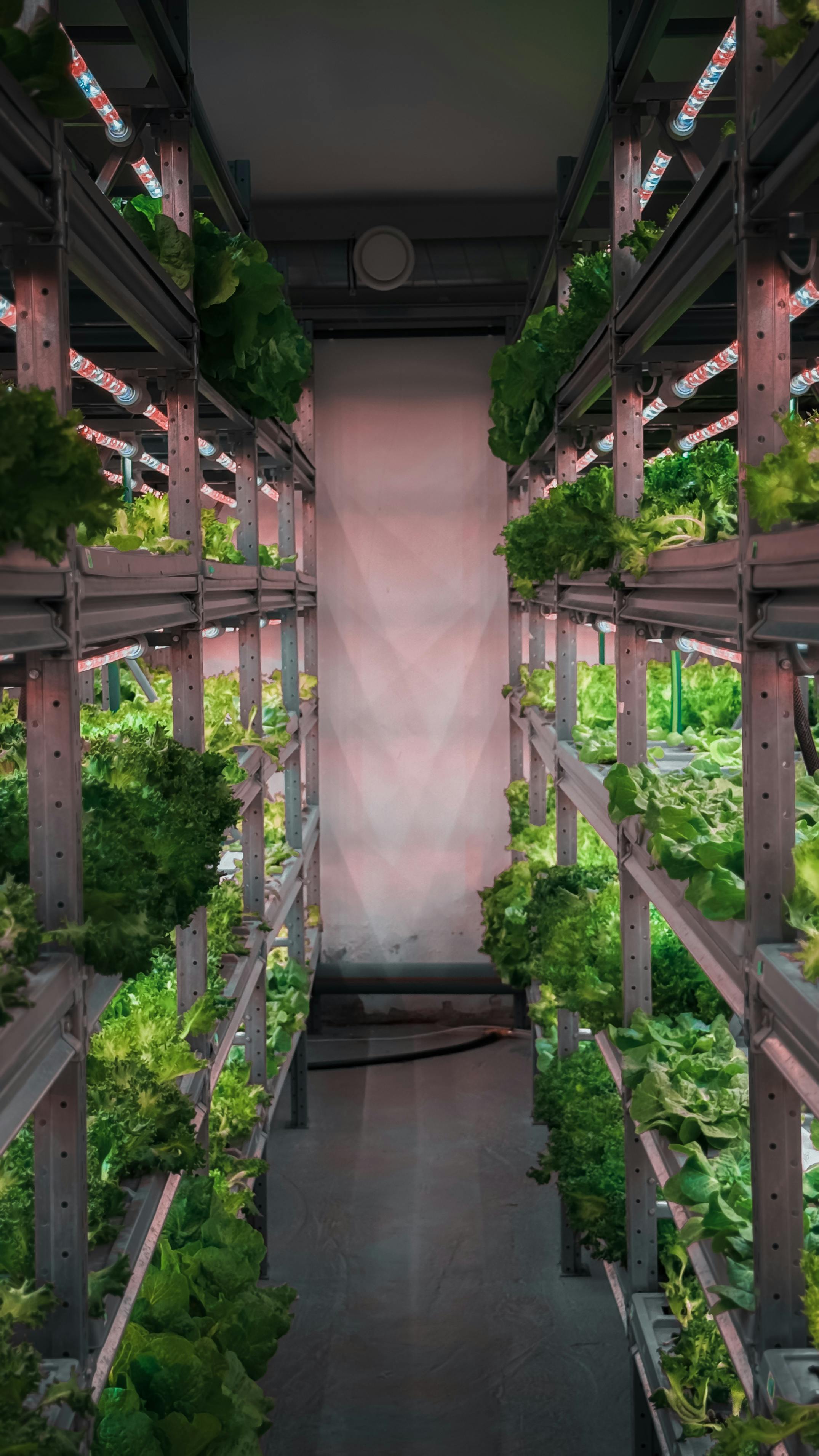
Kenya’s agriculture sector is vital, employing over 40% of the population and contributing about 33% of the country’s GDP. However, challenges such as soil degradation, erratic rainfall, and limited arable land hinder productivity. Organic farming initiatives have grown rapidly as farmers seek to rejuvenate soil fertility and produce chemical-free crops. According to the Kenya Organic Agriculture Network, organic farming acreage increased by over 20% in the last five years.
Agribusiness growth is further bolstered by innovations that improve efficiency and sustainability. Vertical farming emerges as a game-changer that complements these efforts by maximizing space usage and enabling controlled-environment agriculture. This trend aligns with global shifts prioritizing climate-smart agriculture to reduce environmental impact.
Over 70% of Kenyan farmers practice small-scale farming, making scalable, resource-efficient technologies such as vertical farming crucial for the future. With the government and private sector promoting agri-tech adoption, the stage is set for a vertical farming revolution that supports sustainable development goals.
Key Insights or Strategies
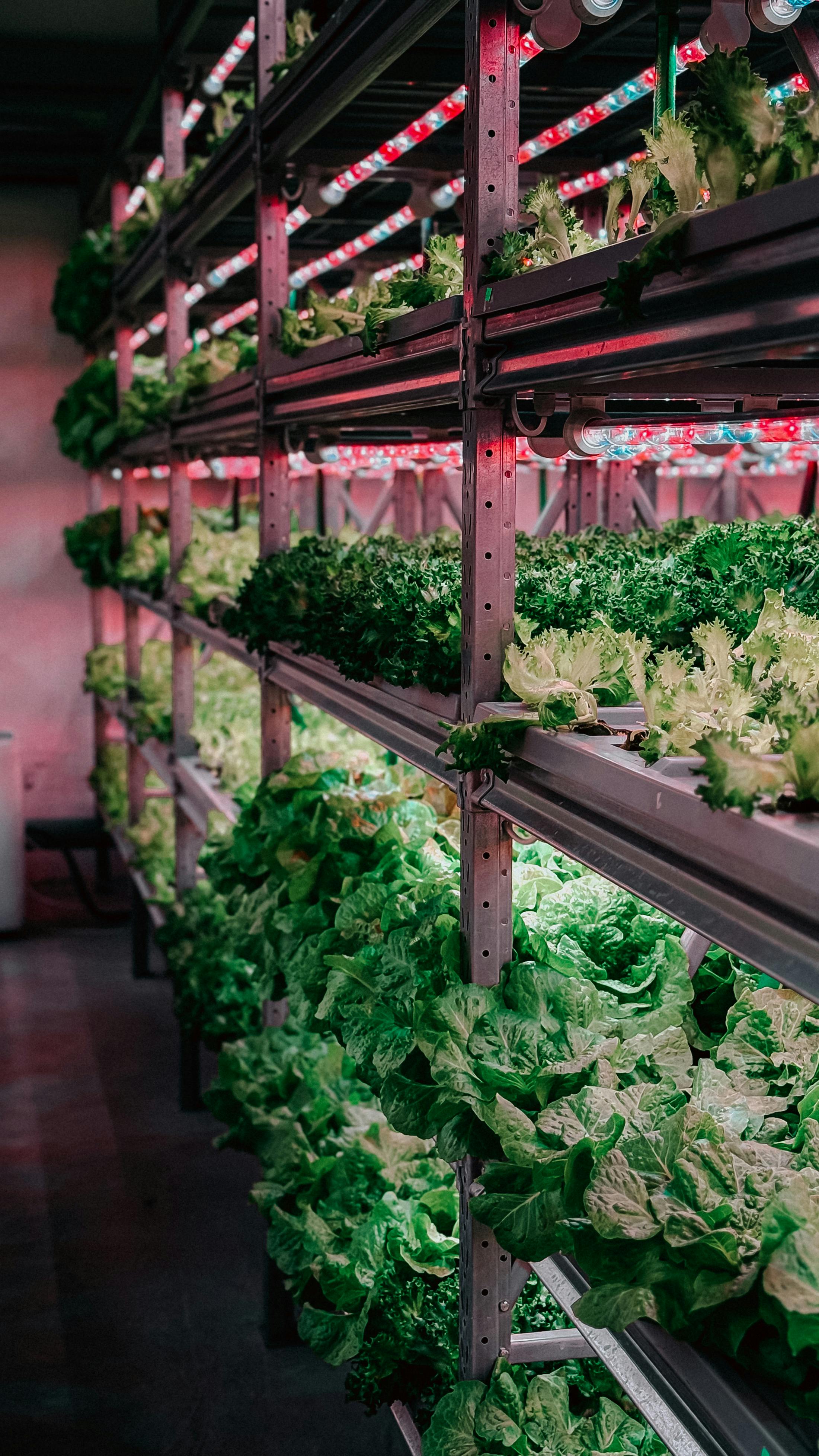
1. Choose the Right Vertical Farming Method
Various vertical farming techniques suit different scales and crop types. Among the most popular are:
Actionable step: Assess your farm size, crop preference, and budget to select the system that maximizes yield and resource efficiency.
2. Optimize Soil and Water Quality
Soil fertility and water management remain critical for healthy crop production, even in vertical farms using soil mediums.
Actionable step: Implement the Flantor Drip Irrigation Kit for efficient watering tailored to vertical farm configurations.
3. Expand Crop Variety with Greenhouse Integration
Greenhouses protect crops from pests and adverse weather, creating an ideal microclimate that supports vertical farming indoors and outdoors.
Actionable step: Consider a durable and affordable Portable Mini Greenhouse Kit to start indoor vertical farming with climate control.
Case Studies, Examples, or Comparisons
Kenyan farmers adopting vertical farming techniques have reported dramatic improvements in productivity and sustainability. For example, in Nairobi’s urban slums, local entrepreneurs use hydroponic vertical farms to supply fresh leafy greens daily with minimal land footprint.
According to a 2023 FAO report, vertical farming can increase crop yields by up to 10 times per unit area compared to traditional farming, while reducing water usage by 70%. This makes it especially suitable for arid regions and areas with depleted soils.
Another example is a greenhouse project near Eldoret where farmers combine drip irrigation and vertical racks to produce tomatoes and herbs year-round. This initiative has improved income, food security, and reduced post-harvest losses.
These cases underscore the potential for vertical farming integrated with sustainable practices to transform Kenya’s agricultural landscape.
Common Mistakes to Avoid
Expert Tips or Best Practices
For farmers looking to maximize vertical farming success in Kenya:
Future Trends or Predictions
Kenya and East Africa are poised to benefit from emerging trends accelerating the vertical farming revolution:
These innovations, combined with awareness and investments, will position vertical farming as a backbone of Kenya’s food security and agribusiness landscape in the coming decade.
Conclusion
The Vertical Farming Revolutionizes Crop Production by introducing scalable, sustainable farming practices apt for Kenya’s growing food demands and limited land resources. By investing in soil health management tools like the Rapitest Soil Test Kit, water-saving drip irrigation systems such as the Flantor Drip Irrigation Kit, and protective greenhouse kits, farmers can significantly improve yields and crop quality. Vertical farming also aligns with Kenya's sustainable development goals by conserving natural resources, increasing food security, and fostering agricultural innovation.
Discover trusted organic farming tools on Amazon and learn more about sustainable solutions with Biofarm Kenya.


0 Comments