

Estimated Reading Time: 11 minutes
TL;DR: Revolutionary vertical farming takes center stage as a transformative, space-efficient, and sustainable agricultural method in Kenya. This approach addresses urban space constraints, reduces water usage, and enhances food security through controlled environment agriculture. Key insights include integrating organic farming principles and advanced irrigation technologies. Successful Kenyan case studies prove its potential. Common mistakes in soil and water management are easily avoided with expert tips and technological innovations.
Key Takeaways:
- Revolutionary vertical farming takes center stage in optimizing agricultural output in Kenya’s urban and peri-urban areas.
- Combining vertical farming with organic and sustainable practices can drastically improve soil health and reduce dependency on chemical inputs.
- Drip irrigation and modern greenhouse kits substantially boost water-efficiency and crop productivity.
- Avoid common mistakes such as improper soil testing and inefficient fertilizer use to maximize yields.
- Explore sustainable organic farming solutions with Biofarm Kenya to implement these strategies.
Introduction
Kenya’s population continues to grow steadily, putting mounting pressure on its agricultural sector to produce more food sustainably. Traditional farming methods, constrained by limited arable land and variable climate conditions, are increasingly challenged. In this light, revolutionary vertical farming takes center stage as a game-changing solution that optimizes space and resources. Vertical farming offers a high-tech approach focused on stacking crops in controlled environments, enabling year-round production while reducing environmental impact. This article explores how vertical farming can sustainably feed the world, particularly in Kenya and East Africa’s evolving agricultural landscape.
Background & Context
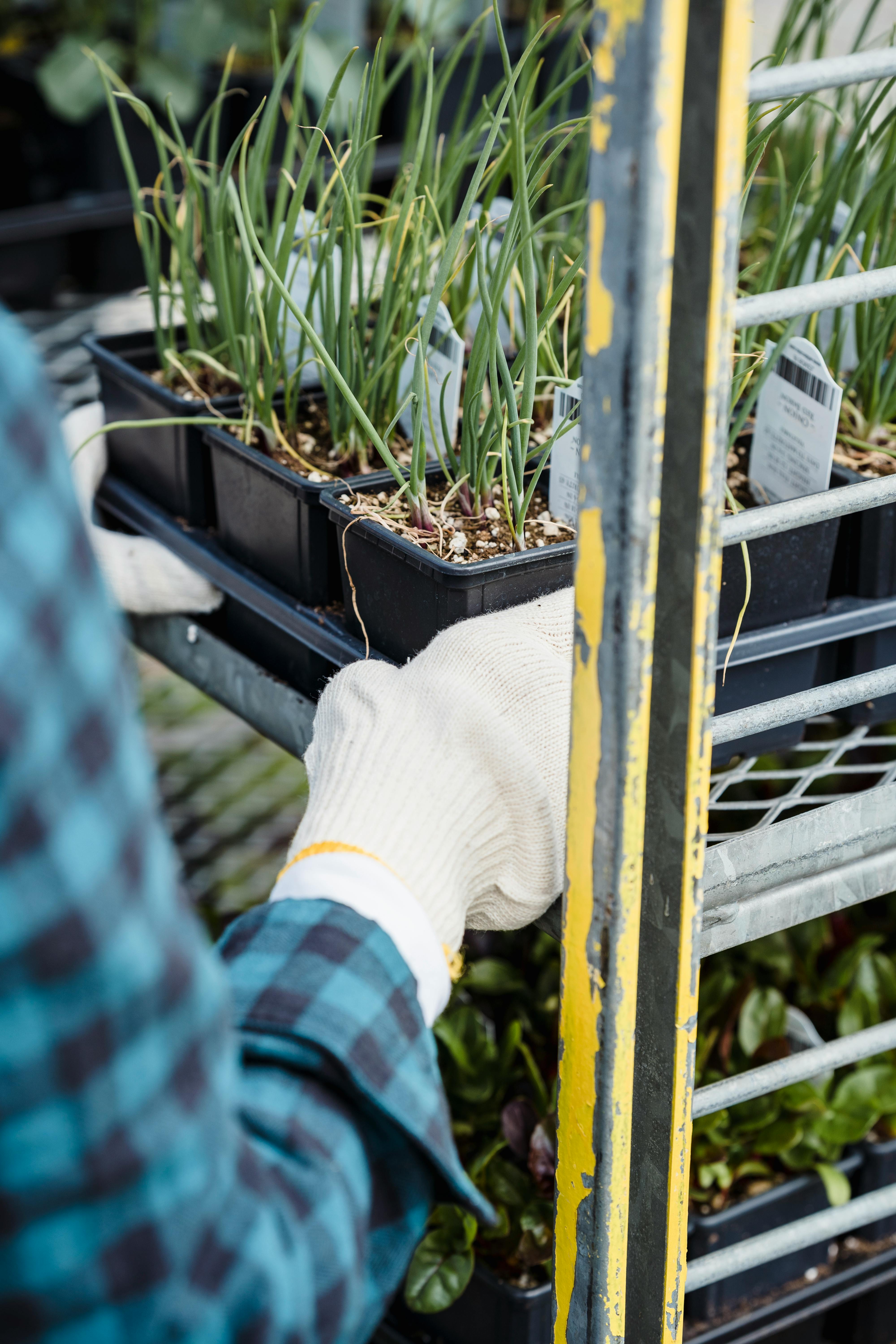
Sustainable agriculture in Kenya is vital to address food security, economic growth, and environmental conservation. The country’s organic farming sector is expanding, contributing notably to soil fertility restoration and biodiversity. According to Kenya's Ministry of Agriculture, the agribusiness sector has grown by over 5% annually, with organic farming practices rising in popularity amid calls for climate-smart agriculture.
Vertical farming fits within this context by maximizing yield per square meter and minimizing resource wastage. It addresses urban land scarcity, a major issue in Kenya’s rapidly urbanizing cities such as Nairobi and Mombasa. Controlled conditions help circumvent challenges like drought and pests, reducing reliance on pesticides and chemical fertilizers.
Key Insights or Strategies
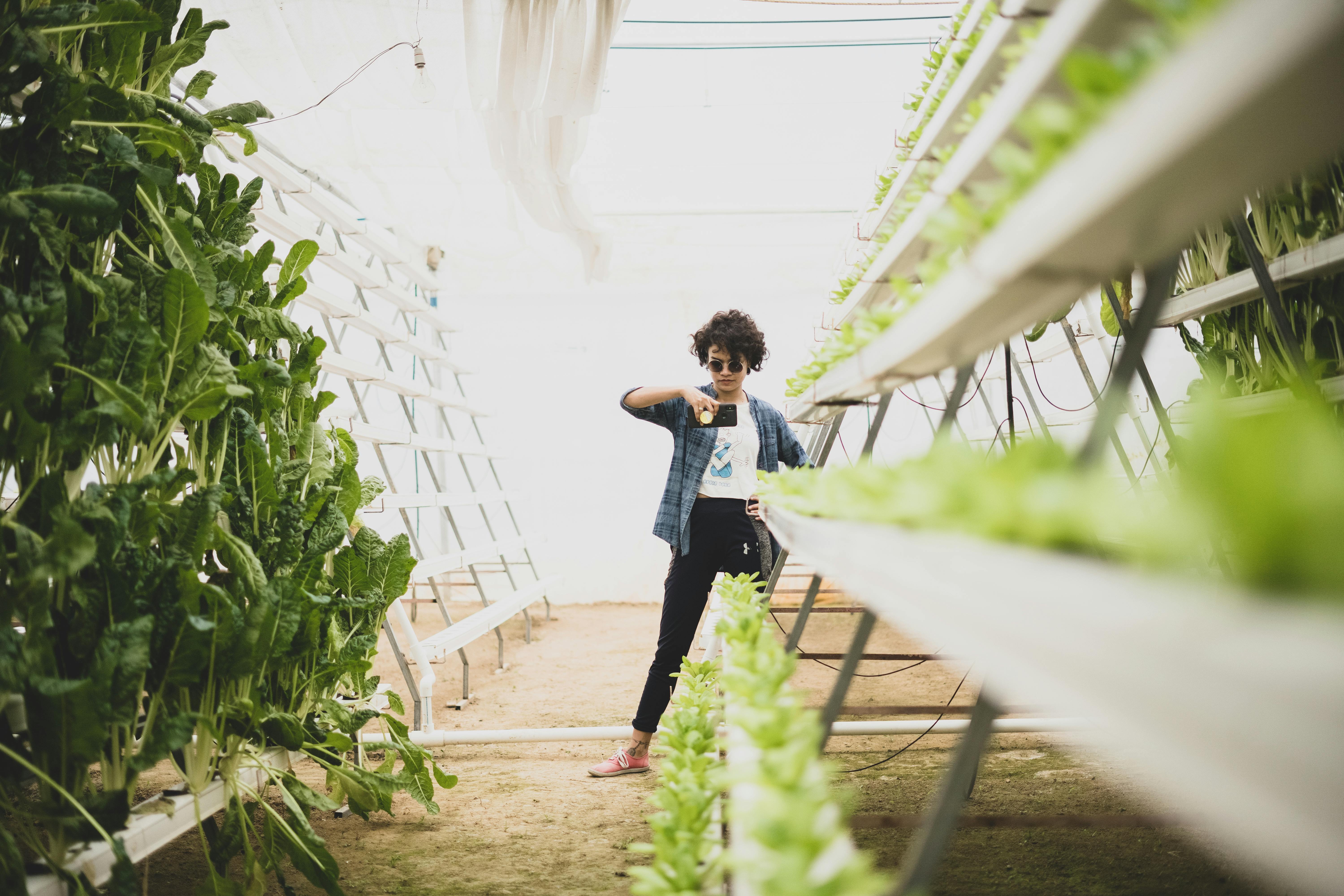
1. Optimize Space Using Vertical Layers and Controlled Environments
- Construct multi-level growing racks or shelves in greenhouses, warehouses, or containers.
- Implement LED grow lights to ensure plants receive adequate light for photosynthesis indoors.
- Manage temperature, humidity, and CO2 levels with sensors and automation for optimal growth.
2. Integrate Organic Farming Principles
- Use organic soils or substrates that are rich in compost and beneficial microbes.
- Incorporate natural pest repellants and biocontrol agents to keep plants healthy without chemicals.
- Recycle organic waste locally into compost to reduce costs and environmental footprint.
Boost your yields with the Soil pH & Moisture Tester Kit – available on Amazon, essential for maintaining optimum substrate conditions.
3. Implement Efficient Water Management Techniques
- Adopt drip irrigation systems to precisely deliver water to plant roots, reducing waste.
- Collect and reuse greywater or rainwater to increase sustainability.
- Monitor water usage with smart sensors to detect leaks or inefficiencies early.
Consider the Flantor Drip Irrigation Kit – available on Amazon to efficiently water your vertical farm crops, conserving water while enhancing growth.
Explore sustainable organic farming solutions with Biofarm Kenya.
Case Studies, Examples, or Comparisons
A number of innovative Kenyan farmers and companies are pioneering vertical farming and sustainable agribusiness. For instance, in Nairobi, startups like iProcure and M-Farm have integrated vertical farming with digital tools, enabling precision agriculture that decreases input costs and boosts yields.
Another example is the use of compact greenhouses in tea and vegetable farms in Kericho County, which have reported up to 40% increase in crop yield due to optimized climate control and pest management (source: Ministry of Agriculture, Kenya). These cases demonstrate practical applications of vertical farming in East Africa’s contexts.
The Food and Agriculture Organization (FAO) supports such initiatives through capacity building and knowledge transfer, emphasizing smart farming practices to enhance food security sustainably.
Common Mistakes to Avoid
- Poor soil or substrate testing: Neglecting regular soil health checks can lead to nutrient imbalances and reduced crop quality. Always use reliable testing kits and amend soils accordingly.
- Over-reliance on chemical fertilizers: Excessive fertilizer use pollutes water sources and harms beneficial soil organisms. Opt for organic nutrient sources where possible.
- Inefficient irrigation setup: Overwatering or under-watering can stunt plant growth or cause root diseases. Use drip irrigation and moisture sensors to optimize watering.
- Ignoring pest and disease prevention: Reactive treatment after infestation often leads to crop losses. Establish integrated pest management (IPM) plans.
Expert Tips or Best Practices
Maintain soil health by regularly rotating crops and incorporating cover crops that improve organic matter. Use high-quality organic composts and inoculants to promote soil microbe diversity.
Maintain healthy soil with Organic Compost Starter Mix, ideal for jumpstarting nutrient cycles.
Adopt modular greenhouse kits like the Pure Garden 4 Tier Mini Greenhouse – available on Amazon for low-cost, scalable controlled environment agriculture.
Properly calibrate sensors and monitors to maintain optimum environmental conditions, and train farm staff in sustainable agricultural practices.
Explore sustainable organic farming solutions with Biofarm Kenya.
Future Trends or Predictions
Smart irrigation combined with IoT devices will become standard in vertical farms, enabling real-time resource management and predictive analytics.
Artificial intelligence-based crop monitoring using drones and cameras is expected to enhance early disease detection and growth optimization.
Vertical farms integrated with renewable energy sources like solar panels will reduce operational costs and carbon footprint.
Urban farming hubs and community-supported agriculture models will expand as governments and private sectors push for climate resilience.
Conclusion
Kenya’s food security and environmental sustainability challenges call for innovative and practical solutions. Revolutionary vertical farming takes center stage by offering scalable, resource-efficient, and high-yield farming that complements traditional practices while promoting organic and sustainable methods. By avoiding common pitfalls and adopting expert strategies, Kenyan farmers and agribusinesses can transform food production dynamics.
Discover trusted organic farming tools on Amazon and learn more about sustainable solutions with Biofarm Kenya.
FAQs
1. What is vertical farming and how does it benefit Kenya?
Vertical farming means growing crops in vertically stacked layers, often indoors with controlled environmental conditions. For Kenya, this means maximizing limited urban spaces, reducing water usage, and enabling year-round food production. You can learn more from the FAO official page on vertical farming.
2. How does organic farming integrate with vertical farming?
Organic farming emphasizes natural inputs and soil health, which can be integrated into vertical systems by using organic substrates, biocontrols, and compost-based nutrients. The Biofarm Kenya platform provides resources on combining these approaches effectively.
3. What irrigation methods work best in vertical farming?
Drip irrigation is most efficient in vertical farms because it delivers water directly to plant roots with minimal waste. Kits like the Flantor Drip Irrigation Kit offer DIY solutions for farmers.
4. How can small-scale farmers start vertical farming?
Small-scale farmers can start by building simple shelving units with grow lights and using modular greenhouses or containers. Affordable kits are available, such as the Pure Garden Mini Greenhouse. The Kenya Ministry of Agriculture also offers extension services to help.
5. What are common challenges in vertical farming?
Challenges include initial setup costs, managing precise environmental controls, and skill requirements. However, with expert guidance and gradual scale-up, these challenges are manageable. Refer to NEMA Kenya guidelines on environmental compliance for vertical farming.
6. Is vertical farming environmentally sustainable?
Yes, vertical farming reduces land use, cuts down water consumption by up to 90%, and lowers pesticide use. When powered by renewable energy and combined with organic inputs, it enhances environmental sustainability. More info at Kenya Bureau of Standards (KEBS).


0 Comments