

Estimated Reading Time: 15 minutes
Kenya Farmers Adopt Conservation Agriculture to Fight Drought
Meta Description: Learn how Kenyan farmers use conservation agriculture to combat drought & soil degradation. Discover no-till benefits, cost savings & soil fertility tips for arid regions.
Kenyan farmers are increasingly adopting conservation agriculture to combat drought and soil degradation, but controversy surrounds minimum tillage practices. This guide trains farmers in no-till/minimum tillage techniques, emphasizing evidence-backed benefits: 30% higher moisture retention in sandy soils (2025 KALRO study), reduced erosion by 50% in sloped fields, and cost savings from lower fuel/tractor use. Prioritize training on mulching, cover cropping, and crop rotation—key to reversing soil fertility loss in arid regions.
TL;DR:
- Kenyan farmers are embracing conservation agriculture to address drought.
- No-till practices enhance moisture retention and reduce soil erosion.
- Implementing crop rotation and mulching is crucial for soil health.
- Conservation agriculture reduces costs by lowering fuel and tractor use.
- Training and education play a significant role in successful adoption.
Key Takeaways:
- Adopt no-till practices to enhance soil moisture retention by up to 30%.
- Use mulching and cover cropping to improve soil health and fertility.
- Participate in training programs to understand sustainable techniques.
- Invest in soil testing kits for better soil management and crop yield.
- Consider innovative tools like drip irrigation to optimize water usage.
Table of Contents
- Background & Context
- Key Insights or Strategies
- Case Studies, Examples, or Comparisons
- Common Mistakes to Avoid
- Expert Tips or Best Practices
- Future Trends or Predictions
- Conclusion
- FAQs
Background & Context
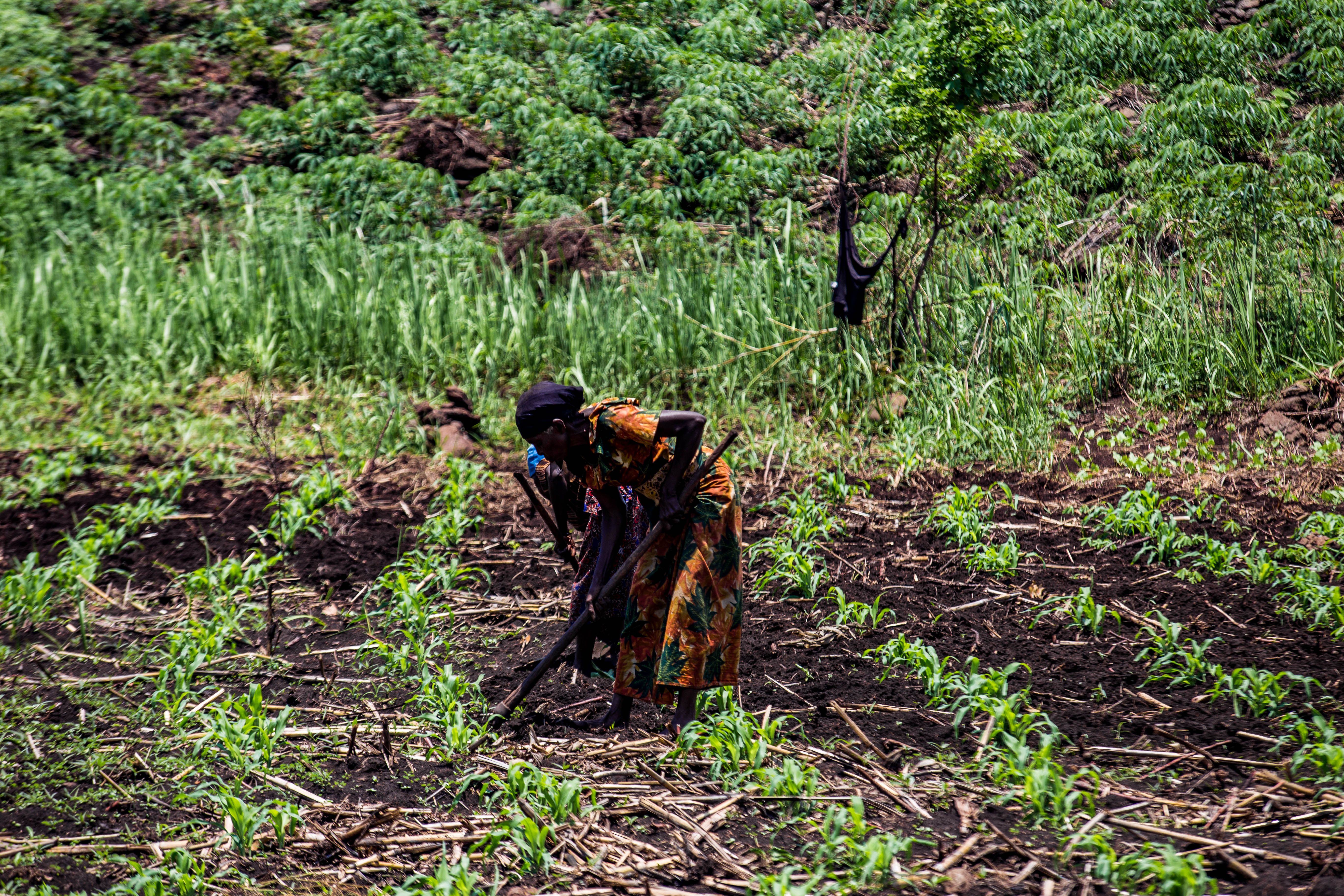
In recent years, conservation agriculture has become a pivotal strategy for Kenyan farmers facing the consequences of climate change. According to the Food and Agriculture Organization (FAO), over 26,000 farmers in Kenya have adopted these practices. With unpredictable rainfall patterns, conventional farming threatens both food security and economic stability. Conservation practices, which include no-tillage and cover crops, offer sustainable solutions to mitigate these challenges.
Key Insights or Strategies
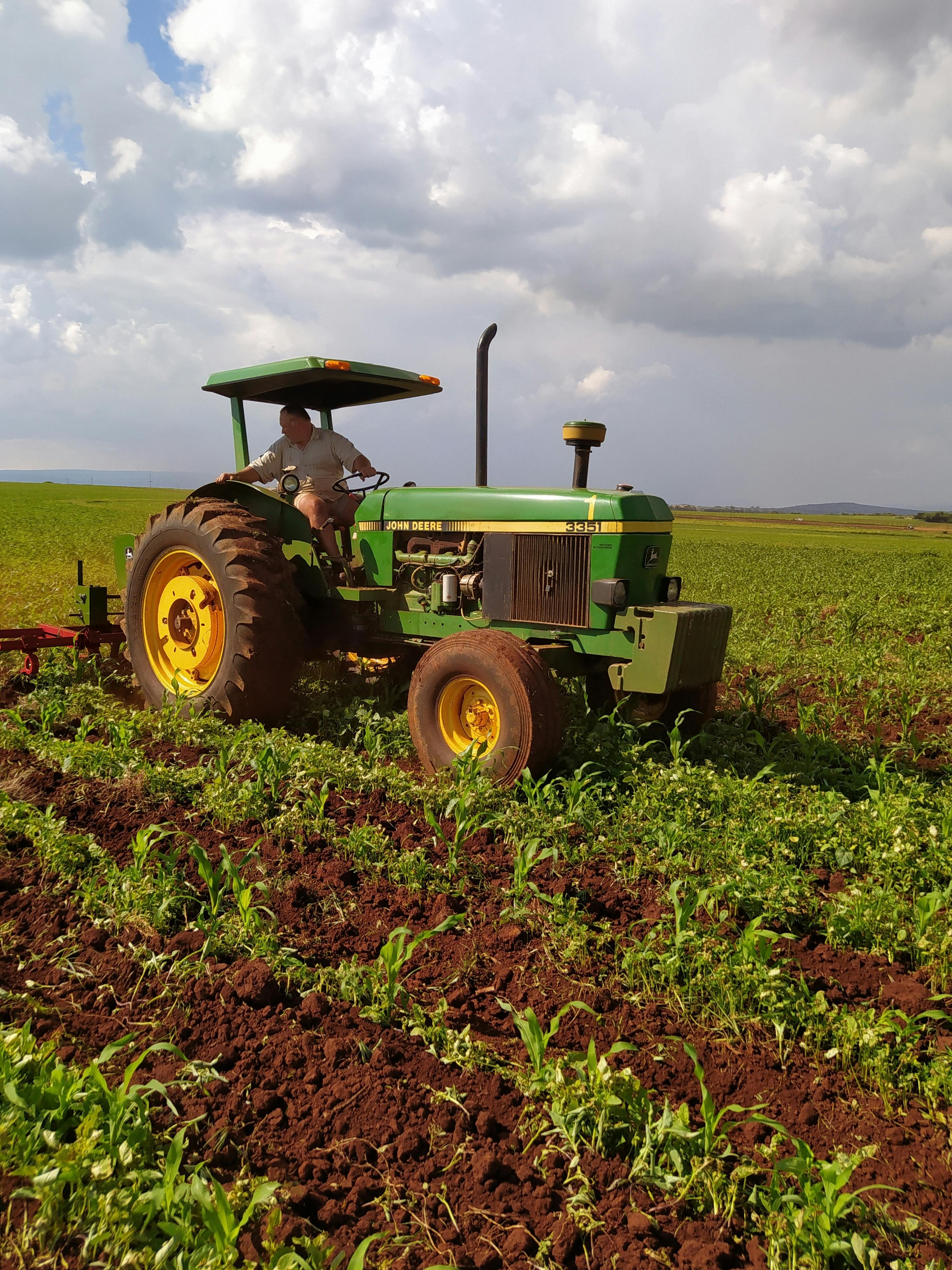
1. Implement No-Till Practices
- Reduce soil disturbance to enhance moisture retention and boost fertility.
- Utilize specialized equipment to minimize soil compaction.
Consider using the Flantor Drip Irrigation Kit – available on Amazon to water your crops more efficiently.
2. Emphasize Mulching and Cover Cropping
- Apply mulch to prevent water loss and suppress weed growth.
- Integrate cover crops to improve soil structure and nutrient cycling.
Explore sustainable organic farming solutions with Biofarm Kenya
Case Studies, Examples, or Comparisons
In a success story documented by FAO, farmers in Ukambani have experienced increased crop yields by adopting no-till farming techniques alongside the use of organic fertilizers. These practices have not only improved the soil's water retention capacity but also reduced labor costs and pesticide use. The MySoil Soil Test Kit – available on Amazon is a valuable tool for testing soil quality and optimizing plant growth.
Common Mistakes to Avoid
- Over-tilling: disrupts soil structure, leading to erosion.
- Ignoring soil testing: results in inefficient fertilizer use and poor crop yields.
- Over-watered fields: waste water resources and encourage fungal diseases.
Expert Tips or Best Practices
Dr. Emily Katana, an agronomist with years of experience in Eastern Africa, stresses the importance of training programs. She advocates the use of Drammatic® Organic™ Fertilizer to enrich soil nutrient content naturally.
Maintain healthy soil with Wallace Organic Wonder, Soluble Humic & Fulvic Acid Powder.
Future Trends or Predictions
The future of Kenyan agriculture lies in leveraging technologies such as AI-driven crop monitoring and smart irrigation systems. Innovations like vertical farming and precision agriculture are set to revolutionize how farming is conducted, particularly in arid regions.
Conclusion
Conservation agriculture offers a sustainable pathway for Kenyan farmers facing the challenges of drought and soil degradation. By implementing no-till practices, farmers can improve moisture retention and crop yields while reducing costs. Discover trusted organic farming tools on Amazon and learn more about sustainable solutions with Biofarm Kenya.
FAQs
- What is conservation agriculture?
- Conservation agriculture involves minimal soil disturbance, crop rotation, and cover cropping. It aims to increase soil fertility and moisture retention.
- How does conservation agriculture help combat drought?
- Research shows these practices help retain moisture and improve organic matter, which can increase drought resilience. More details can be found at the FAO.
- What are the costs involved in adopting conservation agriculture?
- Initial investments in specialized machinery and soil amendments can be high, but cost savings through reduced inputs and enhanced yields offset the expense long-term.
- What tools are needed for soil testing?
- You can use a comprehensive kit like the MySoil Soil Test Kit to determine soil health.
- Are there government programs supporting these practices?
- Yes, various initiatives by the Kenyan Ministry of Agriculture provide support. Details are available at the NEMA website.
- Where can I get training on these techniques?
- Organizations like Biofarm Kenya offer training and educational resources. Learn more at Biofarm Kenya.
For more information and resources, explore Biofarm Kenya, and check out FAO's coverage on conservation agriculture.



0 Comments