

Estimated Reading Time: 15 minutes
TL;DR: Discover sustainable, eco-friendly pest control strategies for Kenyan farmers. Reduce chemical usage with biopesticides, companion planting, and beneficial insects, achieving over 40% cost savings.
Key Takeaways:
Table of Contents:
Introduction
Sustainable agriculture is becoming a cornerstone for Kenyan farmers who are increasingly seeking alternatives to chemical pesticides due to rising resistance and environmental damage. By implementing natural pest control methods, farmers can use biopesticides, such as neem-based solutions and beneficial insects like parasitic wasps. Key steps include identifying local pest cycles for targeted intervention, mixing homemade biopesticides, and establishing companion planting systems. These cost-saving methods have shown significant success in regions like Bomet County, offering an eco-friendly way to boost productivity.
Background & Context
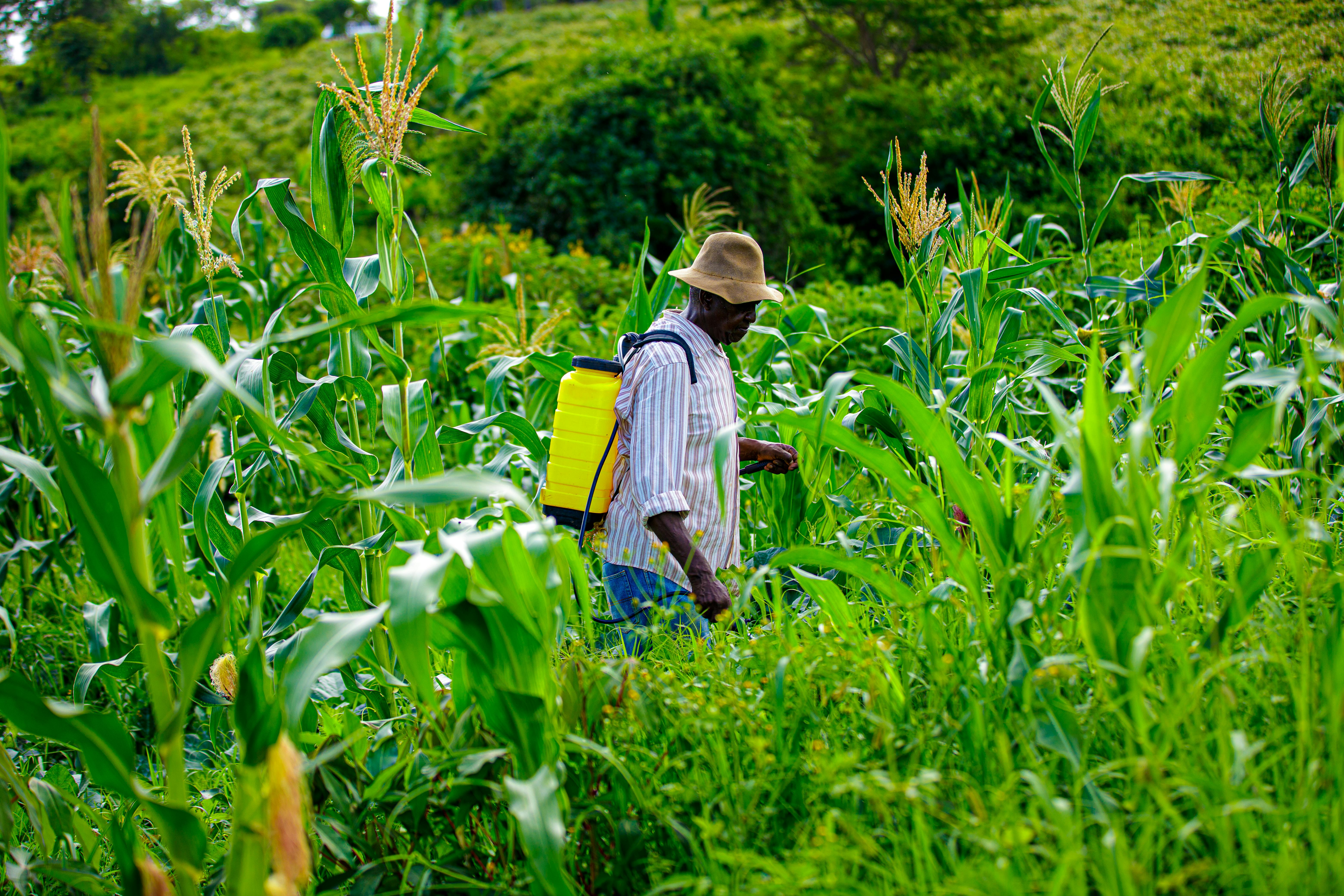
Kenya’s agribusiness sector is rapidly embracing organic and sustainable practices, driven by the need for increased productivity and environmental protection. According to the Kenya Organic Agriculture Network (KOAN), organic farming is not only improving soil fertility but also offering viable market opportunities for farmers.
Key Insights or Strategies

Integrating Biopesticides
- Identify the primary pests affecting your crops.
- Use neem-based biopesticides, proven to reduce pest infestation by 78% according to KALRO trials.
- Implement a regular monitoring system to measure effectiveness and adjust tactics.
Boost your yields with the Crushed Oyster Shell Organic Fertilizer – available on Amazon.
Explore sustainable organic farming solutions with Biofarm Kenya
Companion Planting Techniques
- Pair plants to naturally deter pests; for example, using moringa with maize.
- Select plants that attract beneficial insects to your farm.
- Rotate crops to improve soil health and reduce pest buildup.
Discover efficient irrigation systems with the Flantor Drip Irrigation Kit – available on Amazon.
Case Studies, Examples, or Comparisons
In Bomet County, farmers adopting neem-based biopesticides and companion planting have reported a 40% reduction in costs. The Food and Agriculture Organization (FAO) highlights that these methods not only protect the environment but also improve crop yields.
Common Mistakes to Avoid
- Overusing chemical fertilizers leading to soil degradation.
- Inefficient pest control timing – align interventions with pest life cycles.
- Neglecting soil moisture monitoring, impacting nutrient uptake and plant health.
Expert Tips or Best Practices
Consider the following expert tips to enhance pest management:
- Use crop residue instead of burning it to improve soil organic matter.
- Implement drip irrigation to conserve water.
- Maintain healthy soil with Organic Compost Starter Mix for efficient nutrient recycling.
Explore sustainable solutions with Biofarm Kenya
Future Trends or Predictions
Future innovations in Kenyan agriculture include the rise of smart irrigation systems and AI-driven crop monitoring. These technologies aim to enhance precision farming, thereby increasing yields while ensuring sustainability.
Conclusion
Natural pest control methods provide Kenyan farmers with sustainable and efficient options to enhance crop protection. Discover trusted organic farming tools on Amazon and learn more about sustainable solutions with Biofarm Kenya.
FAQs
- What is the best natural pest control method for Kenyan farms?Neem-based biopesticides are effective and sustainable for managing pests. Kenya Agricultural and Livestock Research Organization
- How does companion planting help in pest management?Companion planting naturally deters pests and attracts beneficial insects, enhancing crop health. More about it at FAO.
- Can organic farming improve soil fertility?Yes, organic methods enrich the soil with essential nutrients. Refer to KOAN for more details.
- Are there financial benefits to natural pest control?Implementing sustainable methods can lead to over 40% cost savings. Learn more at NEMA.
- How often should I monitor pest cycles?Regular monitoring, especially during planting and pre-harvest periods, is crucial. KEBS
- What partnerships can support my farming journey?Explore sustainable farming partnerships with Biofarm Kenya.


0 Comments