

Estimated Reading Time: 12 minutes
Profitable Farming Ideas for 2026: Exploring the Most Profitable Farming Ideas 2026 in Kenya
TL;DR:
- The most profitable farming ideas in Kenya for 2026 include Hass avocado farming, commercial poultry, dairy production, and innovative agribusiness.
- Sustainable organic farming and smart irrigation systems enhance profitability and soil health.
- Using soil testing kits and organic fertilizers improves yields and supports environmental care.
- Adopting greenhouse farming and drip irrigation helps combat climate variability for consistent produce.
- Explore sustainable organic farming solutions with Biofarm Kenya for expert guidance and quality inputs.
Key Takeaways:
- Focus on high-value crops such as Hass avocado and use climate-smart farming techniques.
- Incorporate organic fertilizers and soil testing for better soil fertility management.
- Adopt drip irrigation and greenhouse kits to maximize water use efficiency and extend growing seasons.
- Learn from successful Kenyan agribusiness models that combine technology with traditional farming.
- Partner with Biofarm Kenya for sustainable solutions and expert support to increase profitability.
Table of Contents
Background & Context
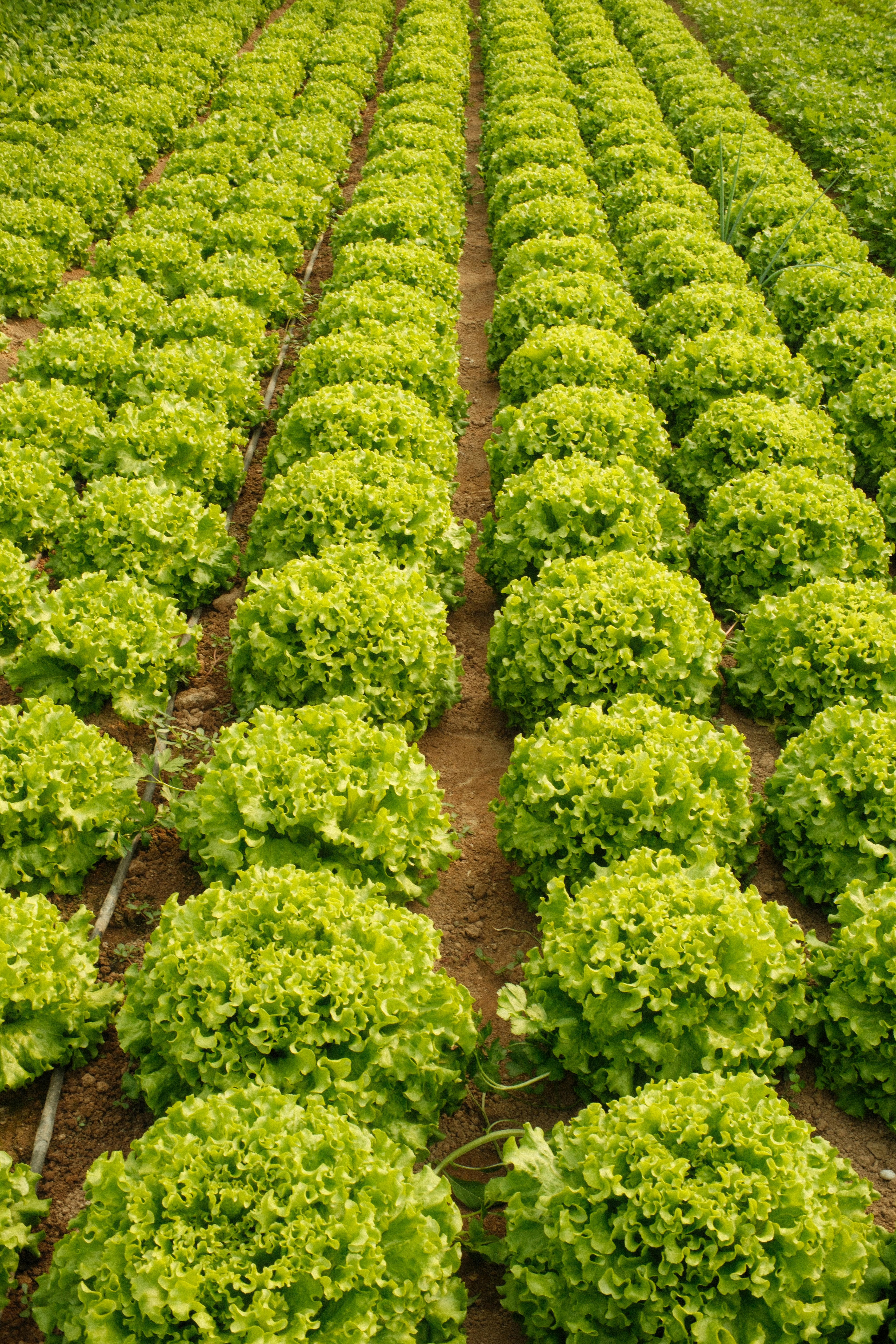
Kenya's agribusiness sector remains a critical pillar of economic growth and food security. As the country continues to embrace sustainable agriculture, the demand for most profitable farming ideas 2026 is increasing among farmers, agripreneurs, and investors. Africa's East African breadbasket benefits from resilient seed varieties, government subsidies, and increasing access to export markets, especially in crops like Hass avocado, commercial poultry, and maize.
Organic farming is gaining momentum with increased awareness of soil health and environmental sustainability. Fertile soils, combined with climate-smart practices, are propelling the sector’s growth. According to the Ministry of Agriculture Kenya, organic farming acreage is projected to expand by over 20% in the next five years, driven by global organic product demand and consumer preference for chemical-free food.
Key Insights or Strategies

1. Embrace High-Value Crop Farming: Hass Avocado & Beyond
Hass avocado is the leading profitable crop in Kenya’s agribusiness landscape for 2026, commanding strong demand locally and internationally. Other high-value crops such as passion fruit, papaya, and leafy vegetables also provide income diversification.
- Choose certified climate-resilient seedlings from reputable nurseries.
- Follow recommended spacing and pruning techniques to optimize yield.
- Adopt organic pest and disease management to access premium markets.
- Invest in post-harvest handling and cold storage for extended shelf life.
2. Integrate Organic Fertilizers and Soil Health Testing
Maintaining soil fertility is crucial for profitability and environmental sustainability. Organic fertilizers enrich soil biology and reduce chemical dependence.
- Test your soil regularly using reliable soil testing kits to tailor fertilizer application.
- Use organic amendments such as compost, manure, and mineral-based fertilizers.
- Rotate crops to prevent nutrient depletion and manage pests.
Boost your yields with the Soil Test Kit – available on Amazon and improve soil fertility naturally by using AchmadAnam Crushed Oyster Shell Organic Fertilizer Soil Mineral Compost Nutrient.
3. Adopt Efficient Water Management: Drip Irrigation Systems
Water scarcity and erratic rainfall continue to challenge Kenyan farmers. Drip irrigation systems present an efficient solution for water conservation while maximizing crop output.
- Install drip irrigation kits to deliver precise water quantities directly to plant roots.
- Combine irrigation with fertigation to deliver nutrients efficiently.
- Schedule watering based on crop needs and soil moisture data.
Upgrade your water management with the 100FT Drip Irrigation Kit for Garden – available on Amazon.
4. Leverage Greenhouse Farming for Year-Round Production
Greenhouse kits protect crops from adverse weather and pests, enabling intensified production and off-season yields.
- Select appropriate greenhouse kits suitable for small to medium scale farms.
- Control ventilation, temperature, and humidity for optimal plant growth.
- Use greenhouse farming to diversify into vegetables and high-value crops.
Consider investing in a reliable 10x18 FT Aluminum Greenhouse Kit – available on Amazon for enhanced productivity.
Explore sustainable organic farming solutions with Biofarm Kenya to access expert advice, quality inputs, and modern farming technologies.
Case Studies, Examples, or Comparisons
Kenyan farmers like those in the North Rift region have demonstrated how using climate-smart seed varieties and organized agribusiness models boosts profits. According to the Food and Agriculture Organization (FAO), farmers adopting Hass avocado and dairy farming have witnessed profit margins increase by over 40% in 2025.
Similarly, innovative greenhouse adopters in Kiambu County have reported up to 50% increase in vegetable production year-round, reducing dependency on erratic rain cycles. This benefit ties directly to water-efficient irrigation and organic pest control methods supported by Biofarm Kenya.
Source: FAO Kenya - Agriculture Success Stories
Common Mistakes to Avoid
- Ignoring Soil Testing: Applying fertilizers without testing can lead to nutrient imbalances and poor crop health. Always test soil before input application.
- Overusing Chemical Fertilizers: Excessive chemicals degrade soil microbes and cause environmental pollution. Shift gradually to organic inputs.
- Poor Irrigation Practices: Flood irrigation wastes water and encourages diseases. Adopt drip or sprinkler systems tailored to crop needs.
- Neglecting Pest Management: Unchecked pests reduce yields drastically. Use integrated pest management combining organic and mechanical controls.
- Failing to Plan Market Strategy: Planting without market identification risks loss. Plan and secure buyers before planting.
Expert Tips or Best Practices
For a profitable farming venture in 2026, experts recommend the following:
- Start with Soil Testing: Use trusted soil test kits to understand your land’s nutrient profile and deficiencies.
- Compost Wisely: Enhance soil fertility using organic compost preparations localized for Kenyan soils and crops.
- Invest in Quality Seeds and Inputs: Access certified seeds and organic fertilizers through trusted partners.
- Utilize Water Efficiently: Integrate drip irrigation and rainwater harvesting systems to mitigate drought risks.
- Continuously Educate Yourself: Engage with agricultural communities and platforms such as Biofarm Kenya for ongoing training.
Maintain healthy soil with Organic Compost Starter Mix to boost yields and support sustainable farming.
Additionally, explore sustainable organic farming solutions with Biofarm Kenya for access to expert consulting and quality inputs tailored to Kenyan farmers.
Future Trends or Predictions
The future of profitable farming in Kenya is poised to embrace technology-driven innovations and sustainability:
- Smart Irrigation Systems: AI-enabled sensors and automation for optimized water use.
- Expansion of Vertical Farming: Efficient use of limited space in urban and peri-urban areas for leafy greens and herbs.
- AI-Driven Crop Monitoring: Use of drones and satellite imagery for early disease detection and yield prediction.
- Increased Adoption of Organic Farming: Driven by consumer demand and government incentives.
- Enhanced Market Access: Digital platforms linking farmers directly to markets, reducing intermediaries.
Biofarm Kenya continues to pioneer these sustainable and tech-enabled agriculture solutions to empower farmers across East Africa.
Conclusion
Profitable farming in Kenya for 2026 hinges on integrating high-value crops like Hass avocado, sustainable organic fertilizers, and efficient water management through drip irrigation and greenhouses. Soil health testing, pest management, and market planning complement these strategies to maximize returns.
Discover trusted organic farming tools on Amazon and learn more about sustainable solutions with Biofarm Kenya.
FAQs
1. What are the best profitable crops to grow in Kenya in 2026?
The most profitable crops include Hass avocado, commercial poultry-related crops, maize, and vegetables grown in greenhouses. These have good market demand and high yields.
Source: Kenya Ministry of Agriculture
2. How can I test my soil fertility effectively?
Using a reliable soil testing kit helps identify pH, nitrogen, phosphorus, and potassium levels. Frequent testing ensures tailored fertilization.
Source: FAO Soil Testing Guidelines
3. What organic fertilizers are recommended for Kenyan soils?
Locally-sourced compost, manure, crushed oyster shell fertilizers, and worm castings are highly effective for improving soil health naturally.
Source: Biofarm Kenya
4. Is drip irrigation suitable for small-scale farms in Kenya?
Yes, drip irrigation conserves water, reduces labor, and maximizes yields, making it ideal for small to medium-sized farms in water-scarce regions.
Source: NEMA Kenya
5. How does greenhouse farming benefit Kenyan farmers?
Greenhouse farming allows year-round crop production, protection from pests and weather, and higher quality produce for local and export markets.
Source: FAO Kenya Greenhouse Farming
6. Where can I find sustainable organic farming solutions in Kenya?
Biofarm Kenya offers expert consulting, quality organic inputs, and training tailored to Kenyan farmers.
Source: Biofarm Kenya


0 Comments