

Estimated Reading Time: 15 minutes
TL;DR: Discover how Kenyan farmers can cut costs and boost yields with no-till farming techniques that enhance soil health and reduce labor.
Key Takeaways:
- Adopt cover cropping for optimal soil moisture and organic matter.
- Implement precision planting to minimize soil disturbance.
- Manage crop residues for moisture retention especially in dry areas.
Table of Contents
- Background & Context
- Key Insights or Strategies
- Case Studies or Examples
- Common Mistakes to Avoid
- Expert Tips or Best Practices
- Future Trends or Predictions
- Conclusion
- FAQs
Introduction
Kenyan farmers are increasingly seeking cost-effective, climate-resilient practices. This guide trains farmers to adopt no-till farming, reducing labor and fuel costs while improving soil health. Discover how cover cropping, precision planting, and effective residue management can revolutionize farming in Kenya.
Background & Context
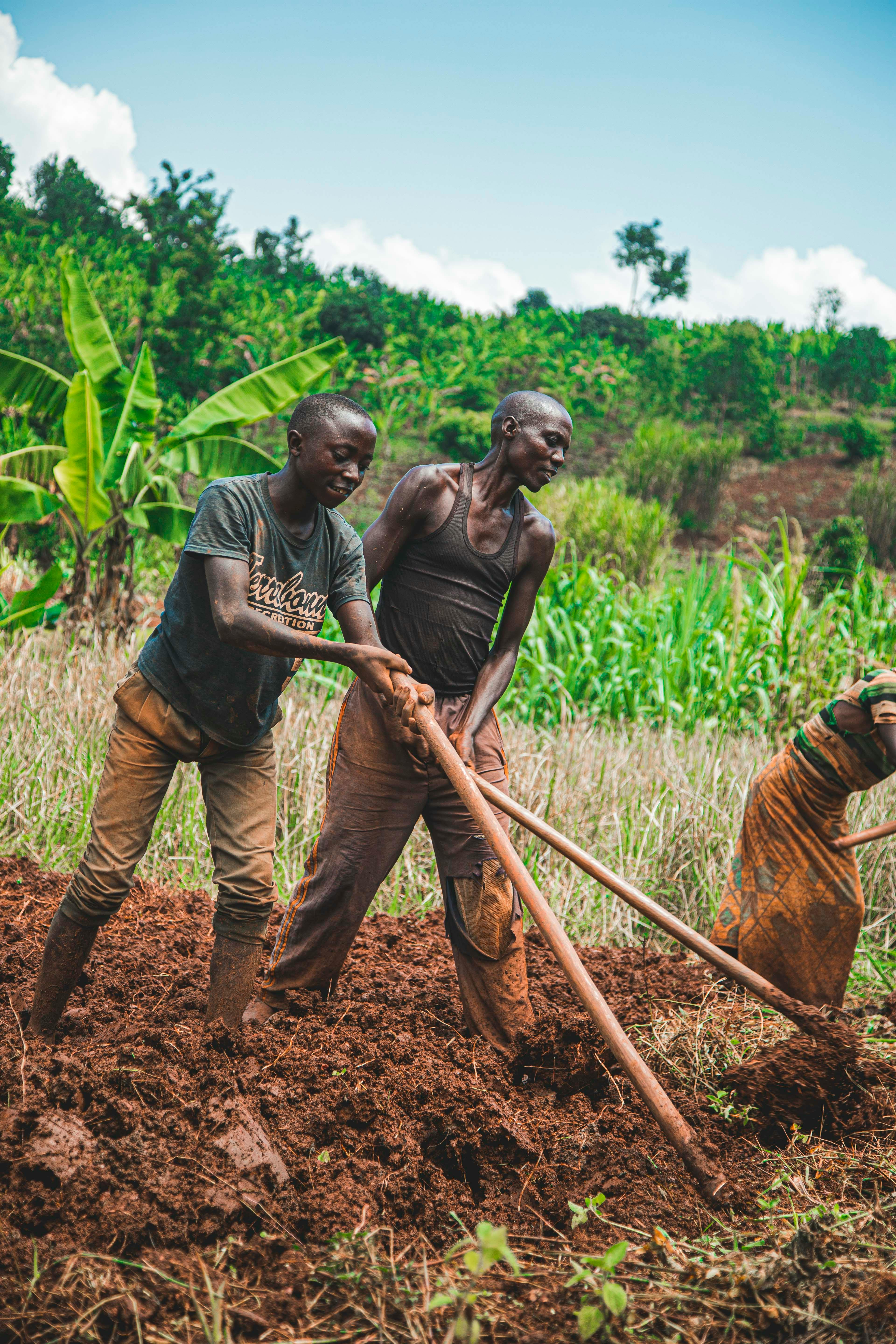
Organic farming and sustainable agriculture are on the rise in Kenya. According to the FAO, agribusiness growth is vital for economic stability, with no-till methods reducing soil erosion and preserving fertility.
Key Insights or Strategies

1. Cover Cropping
Cover cropping suppresses weeds and enhances soil organic matter. It’s essential for moisture retention and soil health. Trials by KALRO show 30% yield increases in maize.
Enhance your yield with the Sorption and Availability of Potassium in Selected Soils from Kenya, available on Amazon.
2. Precision Planting
Precision planting helps minimize soil disturbance. ICRISAT’s 2025 study underscores its importance in maintaining undisturbed soil structure.
Consider using a drip irrigation system for efficient water use with precision planting.
3. Managing Residues
Managing crop residues is key for moisture retention, especially in drought-prone areas. This strategy challenges the conventional need for tilling as a pest control method.
Explore sustainable organic farming solutions with Biofarm Kenya
Case Studies or Examples
Successful no-till adopters in Kenya have seen reduced costs and improved yields. According to the Syngenta, no-till farming has gradually transformed arid regions into food-sufficient communities.
Common Mistakes to Avoid
- Overusing chemical fertilizers instead of balancing with organic matter.
- Inefficient irrigation techniques leading to soil erosion and nutrient loss.
- Ignoring residue management, which can diminish soil structure and fertility.
Expert Tips or Best Practices
Maintain soil health with Wallace Organic Wonder, Soluble Humic & Fulvic Acid Powder for better nutrient absorption.
Proper soil testing is crucial. Use a soil testing kit to monitor pH and nutrient levels regularly.
Learn more about innovative practices with Biofarm Kenya.
Future Trends or Predictions
Expect growth in smart irrigation, vertical farming, and AI-driven crop monitoring to enhance efficiency and yields. These technologies promise significant advancements in sustainable agribusiness.
Conclusion
Embrace no-till farming for cost-effective, sustainable practices that improve yields and soil health. Discover trusted organic farming tools on Amazon and learn more about sustainable solutions with Biofarm Kenya.
FAQs
- What is no-till farming?
No-till farming involves planting without disturbing the soil, helping it retain nutrients and structure. Learn more on SARE. - How does cover cropping improve yields?
Cover cropping increases organic matter and suppresses weeds, leading to better yields. See a study by KALRO. - Can no-till farming be practiced in arid regions?
Yes, it helps retain moisture and supports soil fertility, transforming arid areas into viable farmland. Find examples at ICRISAT. - Are there challenges with no-till farming?
Adapting to new equipment and practices can be a barrier. Overcome them with support from Biofarm Kenya. - What are some products that support no-till farming?
Consider using organic fertilizers and precision tools listed on Amazon for efficiency. - How does no-till contribute to climate resilience?
No-till farming sequesters carbon, retains soil moisture, and improves crop resilience against climate variability. According to the FAO, it's crucial for sustainable agriculture.


0 Comments