Green Gold Mirage Pushes Kenya Farmers To Brink
Estimated Reading Time: 11 minutes
TL;DR:The pursuit of high-value crops in Kenya, often termed 'green gold,' presents a deceptive promise of wealth for smallholder farmers. Despite initial allure, many face insurmountable debt and heightened food insecurity due to volatile market prices, exorbitant input costs, and climate change pressures. This article explores how reliance on these lucrative crops is inadvertently pushing Kenya's smallholders to the brink, advocating for sustainable, diversified farming models and enhanced market access as vital solutions to foster genuine resilience and prosperity.
Key Takeaways:Debt Trap: High input costs for 'green gold' crops often lead smallholder farmers into significant debt, exacerbated by unpredictable market prices and lack of bargaining power.Food Insecurity: Shifting from staple food crops to high-value exports can undermine household food security, leaving families vulnerable to market fluctuations and crop failures.Climate Vulnerability: Many high-value crops require specific conditions, making farmers highly susceptible to the intensifying impacts of climate change, such as droughts and unpredictable rainfall.Market Access & Equity: Lack of fair market access and exploitative value chains prevent smallholders from realizing the full profit potential of their produce, disproportionately benefiting intermediaries.Sustainable Solutions: Diversification, climate-smart agriculture, organic practices, and collective action through farmer groups are crucial for building resilience and ensuring long-term food and economic security.
Introduction
In the fertile landscapes of Kenya, a silent struggle unfolds. The promise of 'green gold' – high-value crops like avocados, macadamia nuts, and specialty herbs – beckons smallholder farmers with the allure of prosperity. These crops promise wealth, transforming subsistence farming into a lucrative venture capable of lifting families out of poverty. Yet, for many, this shimmering mirage of riches often leads to a harsh reality of escalating debt and pervasive food insecurity. The very pursuit of this green gold is inadvertently pushing Kenya's smallholders to the brink, challenging their resilience and threatening the nation's agricultural backbone.
While the international demand for these premium agricultural products grows, the journey from seed to market is fraught with challenges for the average Kenyan farmer. High input costs, volatile global prices, and the unpredictable nature of climate change combine to create a perilous environment. This article delves into the complex dynamics at play, exploring how the dream of high returns can quickly sour, leaving farmers trapped in a cycle of financial vulnerability and struggling to put food on their own tables.
Background & Context
Kenya's agricultural sector is the undisputed cornerstone of its economy, contributing approximately 33% to the Gross Domestic Product (GDP) and employing over 70% of the rural population. Smallholder farmers, who cultivate an average of 0.5 to 2 acres, are the backbone of this sector, producing the vast majority of both food and cash crops.
Historically, staple crops like maize, beans, and millet formed the core of smallholder farming. However, with increasing population pressure, land fragmentation, and the growing global market for specialized produce, many farmers have been encouraged to shift towards high-value crops. This transition is often seen as a pathway to increased income and improved living standards, a crucial component in alleviating poverty within rural communities. Despite this optimistic outlook, the reality on the ground often paints a different picture, as illustrated by various studies. For instance, reports indicate that Sub-Saharan Africa, including Kenya, is facing a 'perfect storm' of food, fuel, and fertilizer crises, exacerbated by climate change and global shocks, which disproportionately impacts smallholder farmers already contending with rising debt. Furthermore, declining agricultural productivity and high input prices contribute significantly to food insecurity in Kenya, as highlighted by a Food Policy Report.

Key Insights or Strategies
Understanding the challenges faced by Kenyan smallholder farmers is the first step towards formulating effective solutions. The pursuit of 'green gold' must be balanced with strategies that ensure both economic viability and food security, fostering true resilience.
1. Diversification Beyond Monoculture
Relying heavily on a single high-value crop can be extremely risky due to market volatility and disease susceptibility. Diversifying crops, incorporating both cash crops and staple food crops, provides a safety net.
Implement Crop Rotation: Rotate high-value crops with legumes or cereals to improve soil health, break pest cycles, and ensure a steady food supply.Integrate Livestock: Introduce small-scale livestock farming (e.g., poultry, goats) to provide additional income, manure for fertilizer, and dietary protein, enhancing the farm's overall sustainability.Explore Niche Food Crops: Cultivate indigenous vegetables and fruits that have local market demand and are often more resilient to local climate conditions.2. Adopting Climate-Smart Agricultural Practices
Climate change is an undeniable threat, manifesting as unpredictable rainfall, prolonged droughts, and new pest challenges. Implementing climate-smart practices is no longer optional.
Practice Conservation Tillage: Minimize soil disturbance to retain moisture, prevent erosion, and improve soil organic matter, crucial in drought-prone areas.Invest in Water Harvesting: Construct small dams, collect rainwater, and utilize drip irrigation systems to conserve water and ensure supply during dry spells.Utilize Drought-Resistant Varieties: Plant crop varieties that are naturally more tolerant to drought and heat, reducing yield losses.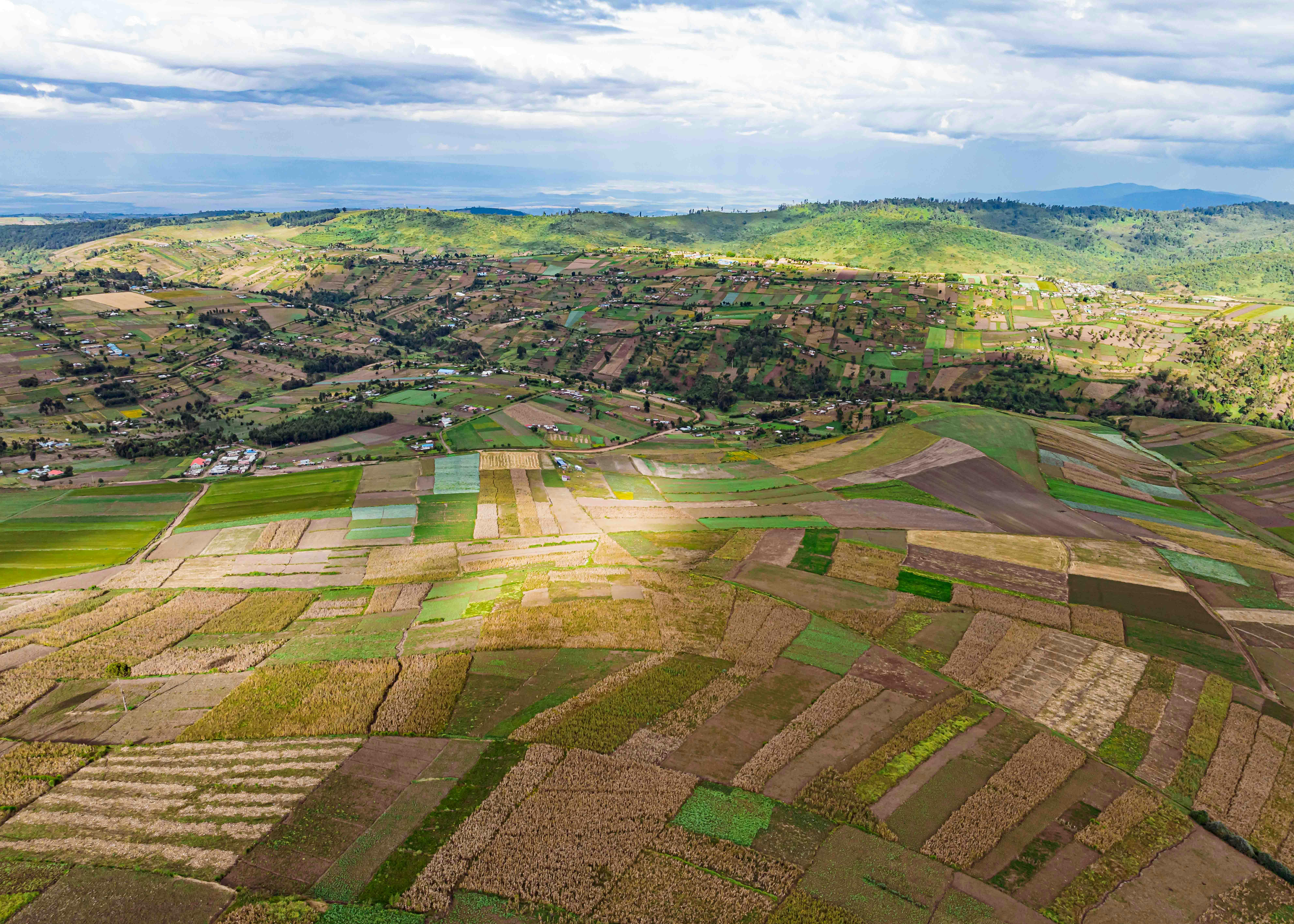
3. Enhancing Market Access and Bargaining Power
Smallholder farmers often receive meager prices for their produce due to long value chains and exploitation by intermediaries. Empowering them with better market access is vital.
Form Farmer Cooperatives: Grouping farmers enables collective bargaining for inputs and produce, providing greater leverage in the market.Value Addition at Farm Level: Processing raw produce (e.g., drying fruits, making jams, packaging herbs) can significantly increase its market value.Direct Market Linkages: Explore platforms like digital marketplaces that connect farmers directly to buyers, bypassing exploitative middlemen and ensuring fair prices. Explore sustainable living solutions with Eco-Oasis Firm to find resources and partners that support fair trade and direct-to-consumer models.
Case Studies, Examples, or Comparisons
The journey of Kenyan farmers navigating the 'green gold' landscape is filled with both cautionary tales and inspiring successes. Examining these real-world examples helps to illuminate the path forward for sustainable and equitable agricultural development.
One notable success story comes from the Hass avocado industry, often hailed as Kenya's 'green gold mine.' Driven by increasing global demand, particularly from Europe and Asia, Hass avocado farming has offered significant profit margins. Companies like Kakuzi PLC work with smallholder outgrowers, providing technical support and market linkages, which helps ensure quality control and a steady supply chain. This model allows smallholders to tap into international markets that would otherwise be inaccessible. For instance, Kenya's avocado exports witnessed substantial growth, with earnings soaring to over KES 14 billion in a recent year, making it a leading horticultural export for the country (Kenya National Bureau of Statistics).
However, the picture is not always green. The shift from food crops to cash crops, particularly in areas susceptible to drought, poses a significant risk to food security. In regions like Eastern Kenya, some farmers have abandoned traditional maize farming in favor of crops like muguka (a stimulant related to khat), which is fast-growing and less water-intensive. While muguka provides quicker cash, it displaces essential food crops, leaving households vulnerable to food shortages and market price drops. This highlights a critical trade-off where short-term economic gains can compromise long-term household sustenance.
Comparing these scenarios, the key differentiator lies in the integration of sustainable practices and robust support systems. Successful high-value crop ventures often involve:
Contract Farming: Providing farmers with guaranteed buyers and prices reduces market risk.Input Subsidies/Credits: Access to affordable inputs prevents debilitating debt.Technical Training: Equipping farmers with modern, climate-smart agricultural knowledge improves yields and resilience.Diversification Mandates: Encouraging farmers to dedicate a portion of their land to food crops alongside cash crops.
Organizations like the Avocado Society of Kenya have been instrumental in standardizing practices and promoting sustainable cultivation, allowing smallholders to share in the global success of Kenyan avocados. Conversely, initiatives that fail to address food security and market vulnerabilities can leave farmers worse off than before.
Common Mistakes to Avoid
While the prospect of 'green gold' is tempting, farmers often fall into predictable pitfalls that undermine their efforts and exacerbate their struggles. Avoiding these common mistakes is crucial for building resilient and profitable farming enterprises.
Ignoring Soil Health: Over-reliance on synthetic fertilizers and pesticides without proper soil testing and organic matter replenishment leads to degraded soils, diminished yields over time, and increased input costs. Healthy soil is the foundation of sustainable agriculture.Monocropping Without a Safety Net: Dedicating all arable land to a single cash crop, even a high-value one, creates extreme vulnerability. A single pest outbreak, disease, or market crash can wipe out an entire season's income and food supply.Neglecting Market Research: Planting high-value crops without a clear understanding of market demand, seasonal price fluctuations, and reliable buyers can lead to gluts, spoilage, and selling at throwaway prices. Farmers must know who will buy their produce and for how much before planting.Accumulating Excessive Debt for Inputs: Taking out high-interest loans for expensive seeds, fertilizers, and equipment without a guaranteed return or risk mitigation strategy can quickly lead to a debt trap. Many smallholders find themselves in a vicious cycle, borrowing more to pay off old debts.Poor Water Management: In a climate-sensitive region like Kenya, inefficient irrigation, lack of rainwater harvesting, and ignorance of water-saving techniques result in wasted resources and crop failure during droughts.Lack of Value Addition: Selling raw produce leaves much of the profit margin to intermediaries. Failing to explore simple processing or packaging options misses opportunities for higher returns and greater market control.These mistakes, often driven by a lack of information, financial constraints, or desperation for quick income, perpetuate the cycle of poverty and food insecurity, underscoring the need for education and strategic planning.
Expert Tips or Best Practices
To truly harness the potential of high-value crops while safeguarding livelihoods and the environment, smallholder farmers in Kenya need practical, expert guidance. These tips focus on sustainable practices, financial prudence, and market intelligence.
Embrace Agroforestry: Integrate trees into your farming system. Mango, avocado, and indigenous fruit trees not only provide additional income and food but also improve soil fertility, conserve water, and offer shade for other crops. This practice builds ecological resilience and economic diversity.Prioritize Soil Testing and Organic Amendments: Regularly test your soil to understand its nutrient profile. Instead of solely relying on chemical fertilizers, incorporate compost, animal manure, and cover crops. This enhances soil structure, microbial life, and nutrient retention, leading to healthier plants and reduced long-term input costs. For energy-efficient solutions and to Explore sustainable living solutions with Eco-Oasis Firm, consider natural pest management alternatives and water-saving irrigation techniques.Adopt Integrated Pest Management (IPM): Move away from blanket pesticide application. IPM combines biological controls, cultural practices, and resistant varieties with targeted, minimal chemical use. This protects beneficial insects, reduces environmental harm, and saves money.Join or Form Farmer Producer Organizations (FPOs): Collective action is power. FPOs enable farmers to bulk purchase inputs at lower prices, collectively market their produce for better returns, and access training and credit facilities more easily. This strengthens bargaining power and reduces individual risk.Seek Financial Literacy and Micro-Loans: Understand the true cost of production, market dynamics, and risk management. Accessing responsible micro-finance can provide capital for sustainable investments without leading to overwhelming debt. Focus on loans with clear terms and manageable repayment schedules.Invest in Local Value Addition: Explore simple processing techniques for your crops. For example, drying fruits, pressing oils, or making flour from indigenous grains. This increases shelf life, opens up new markets, and adds significant value to your raw produce, capturing a larger share of the final consumer price.By implementing these expert tips, Kenyan smallholders can transform the 'green gold mirage' into a tangible, sustainable reality, securing both their economic future and food security.
Future Trends or Predictions
The agricultural landscape in Kenya is constantly evolving, influenced by global shifts, technological advancements, and the pressing realities of climate change. For smallholder farmers, understanding these future trends is crucial for strategic planning and adapting to upcoming challenges and opportunities.
One significant trend is the accelerated adoption of climate-smart agriculture (CSA). With increasing climate variability, precision farming techniques will become more mainstream. This includes satellite-driven agricultural decision-making, which can offer farmers data on soil moisture, crop health, and weather patterns, enabling more efficient resource use. By 2025, it's predicted that over 60% of Kenyan farmers are expected to adopt climate-smart irrigation technologies, showcasing a clear move towards resilience. This will involve wider use of drip irrigation, smart sensors, and even localized weather forecasting systems tailored for small farms.
Another emerging trend is the strengthening of digital marketplaces and agricultural technology (Agri-tech). Platforms like Tawi Fresh, which connect farmers directly to commercial buyers, will continue to expand, enhancing market access and transparency. This trend empowers smallholders by providing them with better price information and reducing their reliance on intermediaries, ultimately ensuring fairer compensation for their produce. Mobile technology will also play a larger role in disseminating agricultural advice, financial services, and market updates.
There will also be a greater emphasis on sustainable and organic farming practices, driven by both consumer demand for healthy, ethically produced food and the imperative to protect natural resources. Government policies and international aid will likely promote practices such as conservation tillage, agroforestry, and reduced chemical input use more vigorously. This shift aligns with global environmental goals and can open up premium markets for certified organic produce, offering higher returns for farmers who adapt.
Finally, crop diversification, particularly into indigenous and drought-resistant crops, will gain momentum. As climate impacts intensify, farmers will increasingly turn to traditional varieties and new hybrids that are better suited to harsh conditions. This not only bolsters food security but also helps preserve biodiversity and offers unique selling propositions in local and niche markets. The focus will move from simply increasing yields to ensuring resilient and diversified food systems.
Conclusion
The narrative of 'green gold' in Kenya is a complex tapestry woven with threads of aspiration, opportunity, and profound vulnerability. While high-value crops undeniably offer a pathway to economic betterment for some, the journey is fraught with perils for the unsuspecting smallholder. The promise of wealth, if pursued without foresight and systemic support, can lead to a precarious existence defined by mounting debt and the specter of food insecurity.
To truly transform the green gold mirage into a sustainable reality, a concerted effort is required. This involves empowering smallholder farmers with access to affordable inputs, robust market information, fair trade mechanisms, and the knowledge to adopt climate-smart and diversified farming practices. Policies must prioritize food security alongside export earnings, ensuring that the pursuit of commercial success does not come at the expense of household sustenance. By fostering collaboration, championing innovation, and investing in resilient agricultural ecosystems, Kenya can ensure that its smallholders not only survive but thrive. It's time to cultivate a future where prosperity is shared, sustainable, and truly golden for every farmer. Take the first step towards a more resilient future; Explore sustainable living solutions with Eco-Oasis Firm to discover resources that empower sustainable agricultural development and secure livelihoods.
FAQs
1. What are the main challenges smallholder farmers in Kenya face when growing high-value crops?Smallholder farmers in Kenya encounter a multitude of challenges. These include prohibitively high costs for quality seeds, fertilizers, and pesticides, which often push them into debt. Additionally, they struggle with low and unpredictable market prices due to limited bargaining power and long, exploitative value chains. Climate change, manifesting as frequent droughts and erratic rainfall, further compounds these issues by impacting yields and increasing the risk of crop failure. For more insights on financial challenges, refer to studies on
financial deficiencies and high input costs driving debt.2. How does reliance on high-value cash crops impact food security in Kenya?Over-reliance on high-value cash crops can significantly jeopardize household food security. When farmers dedicate most of their land and resources to crops destined for export, they often reduce or abandon the cultivation of staple food crops like maize and beans. This makes families vulnerable to market fluctuations, global price drops, or crop failures of the cash crop, leaving them without sufficient income to buy food and with no homegrown food reserves. The problem is exacerbated during crises, as highlighted by a
report on food price crises in Kenya.3. What are some profitable high-value crops for small-scale farmers in Kenya, and what risks do they carry?Profitable high-value crops in Kenya include Hass avocados, macadamia nuts, coffee, tea, and various horticultural products like fresh cut flowers, vegetables (e.g., okra, indigenous greens), and herbs. While these offer significant returns, they come with risks such as intensive capital requirements, susceptibility to specific pests and diseases, and demanding international quality standards. Avocado farming, for instance, is lucrative but requires substantial initial investment and careful management, as discussed by
Royal Seedlings on Hass avocado farming.4. How can smallholder farmers in Kenya improve their market access and get better prices for their produce?Improving market access for smallholders involves several strategies. Forming or joining farmer cooperatives and producer organizations allows for collective bargaining power, enabling them to negotiate better prices for both inputs and produce. Engaging with digital agricultural platforms that connect farmers directly to buyers (e.g., Tawi Fresh) bypasses middlemen and provides real-time market information. Additionally, focusing on value addition at the farm level, such as cleaning, sorting, or basic processing, can significantly increase the marketability and price of their products. Efforts to empower farmers through
collaboration and innovative finance are crucial.5. What sustainable agricultural practices are most relevant for Kenyan smallholder farmers?For Kenyan smallholders, key sustainable agricultural practices include conservation tillage to preserve soil moisture and health, agroforestry which integrates trees with crops and livestock to enhance biodiversity and soil fertility, and organic farming methods that reduce reliance on synthetic inputs. Water management techniques, such as rainwater harvesting and efficient drip irrigation, are also vital given the climate challenges. These practices aim to
improve crop yields while conserving natural resources.6. What role does the government play in supporting smallholder farmers in Kenya?The Kenyan government plays a crucial role through various initiatives aimed at supporting smallholder farmers. This includes promoting climate-smart agricultural practices through legislation and extension services, investing in irrigation projects in arid and semi-arid lands, and providing input subsidies. Efforts also focus on enhancing market infrastructure, improving access to agricultural finance, and fostering research into resilient crop varieties. For example, the government has promoted
agroforestry and conservation tillage through new legislation.
Internal Link Suggestions for Eco-Oasis Farm:
Sustainable Farming Techniques for Arid RegionsThe Benefits of Agroforestry in East AfricaComposting 101: A Guide for Small FarmsEssential Water Conservation Strategies for FarmersBuilding Resilience: Community Supported Agriculture ModelsUnderstanding Soil Health: Why Testing Matters





0 Comments