Estimated Reading Time: 11 minutes
TL;DR:Kenya's booming avocado, macadamia exports mask a grim reality. Despite record profits in the global market, small-scale Kenyan farmers often find themselves trapped in escalating cycles of debt, unable to reap the full benefits of the agricultural boom.Price volatility, predatory contracts, high input costs, and lack of market access are significant factors pushing smallholders into financial distress, threatening their livelihoods and food security.Unsustainable farming practices, driven by pressure to increase yields, exacerbate environmental degradation, highlighting the urgent need for eco-friendly alternatives.Diversification into resilient, local food crops and adoption of agroecological practices can buffer farmers against market shocks and improve soil health.Policy interventions, fair trade initiatives, and community-led sustainable solutions are crucial to empowering smallholders and ensuring a more equitable and environmentally sound agricultural future for Kenya.
Key Takeaways:Understand Market Dynamics: Smallholders must gain deeper insights into global market pricing and demand to negotiate better terms and avoid exploitation by intermediaries.Diversify Crops: Reduce reliance on single cash crops by integrating indigenous food crops and climate-resilient varieties to enhance food security and income stability.Adopt Sustainable Practices: Implement agroecological farming methods to improve soil health, reduce input costs, and build long-term farm resilience against environmental stressors.Seek Fairer Contracts: Advocate for and engage with farmer cooperatives and fair-trade organizations to secure transparent pricing and equitable trade agreements.Access Financial Literacy & Support: Seek training in financial management and explore microfinance options that prioritize farmer welfare over short-term profit.
Introduction: The Green Gold Paradox
Kenya, a nation celebrated for its vibrant landscapes and rich agricultural heritage, stands at a critical juncture. The booming global demand for 'superfoods' like avocados and macadamia nuts has transformed parts of its rural economy, promising prosperity for thousands of smallholder farmers. However, beneath the veneer of burgeoning exports and record profits lies a stark and unsettling truth. Kenya's booming avocado, macadamia exports mask a grim reality. Small-scale farmers are trapped in debt despite record profits. Uncover this agricultural paradox. This article delves deep into the complex economic and environmental factors contributing to this hidden crisis, exploring how an apparent agricultural success story is secretly bankrupting the very individuals who fuel its growth: the small-scale farmers.
While headlines laud Kenya's position as a leading exporter of these high-value crops, the ground reality for many farmers is a constant struggle against mounting debt, fluctuating prices, and unsustainable farming practices. We will unravel the intricate web of challenges, from predatory contractual agreements and high input costs to climate vulnerabilities, that ensnare these dedicated cultivators in a cycle of financial hardship. Join Eco-Oasis Farm as we uncover the true cost of this green gold rush and explore pathways toward a more equitable and sustainable future for Kenya's agricultural heartland.
Background & Context: The Roots of the Crisis
For decades, agriculture has been the backbone of Kenya’s economy, employing over 70% of its rural population. The country's favorable climate and fertile soils have made it a powerhouse in producing cash crops, with tea and coffee traditionally dominating the export market. In recent years, however, avocados and macadamia nuts have emerged as the new darlings of global trade, driven by increasing health consciousness and demand in Europe, Asia, and the Middle East.
The allure of high returns has encouraged many smallholder farmers, often with limited resources and knowledge, to switch from subsistence farming or less lucrative crops to these 'green gold' commodities. This shift, while seemingly logical, has created a precarious dependency. Data from the Horticultural Crops Directorate (HCD) indicates that avocado exports alone generated KES 14 billion (approximately $100 million USD) in 2022, a significant increase from previous years. Yet, despite this national bounty, many farmers report declining household incomes and escalating debt. According to a 2021 report by the World Bank, over 30% of smallholder farmers in sub-Saharan Africa who engage in cash crop production are at risk of falling into a debt trap due to volatile market prices and lack of financial literacy.

The problem is multifaceted. Farmers often receive only a fraction of the final market price, with brokers and middlemen capturing the lion's share. They also face significant upfront costs for high-quality seedlings, fertilizers, pesticides, and irrigation systems, often obtained through loans with high-interest rates. When harvests are poor due to unpredictable weather patterns or market prices plummet, these farmers are left with crushing debt and little recourse. This grim reality starkly contrasts with the narrative of agricultural prosperity, highlighting the urgent need for systemic change.
Key Insights or Strategies: Cultivating Resilience
Addressing the smallholder debt crisis in Kenya requires a multi-pronged approach that empowers farmers, fosters fair trade, and promotes ecological sustainability. Eco-Oasis Farm believes in holistic solutions that benefit both people and the planet.
Empowering Farmers Through Knowledge and Fair Practices
Smallholder farmers are often at a disadvantage due to limited access to market information and exploitative contract farming agreements. Greater transparency is key.
Market Information Systems: Implement accessible digital platforms that provide real-time market prices for avocados and macadamia nuts, allowing farmers to negotiate better and avoid being undercut by intermediaries.Farmer Cooperatives: Encourage the formation and strengthening of farmer cooperatives. These groups can collectively negotiate prices, access credit, share resources, and process their produce, adding value and increasing their bargaining power.Legal Aid and Contract Review: Provide legal assistance to farmers to understand complex contracts and safeguard against predatory terms.Promoting Sustainable and Diversified Agriculture
Reliance on monoculture cash crops leaves farmers vulnerable to market fluctuations, pests, and climate change. Diversification and sustainable practices build resilience.
Crop Diversification: Encourage farmers to intercrop high-value cash crops with traditional food crops, such as maize, beans, and millet. This strategy provides food security, reduces dependency on a single income source, and improves soil health.Agroecological Practices: Promote techniques like organic farming, companion planting, natural pest control, and water harvesting. These methods reduce the need for expensive chemical inputs, lower operational costs, and build environmental resilience.Value Addition: Support initiatives that help farmers process their produce (e.g., avocado oil, macadamia butter). This increases the value of their output and creates new revenue streams, allowing them to capture more profit.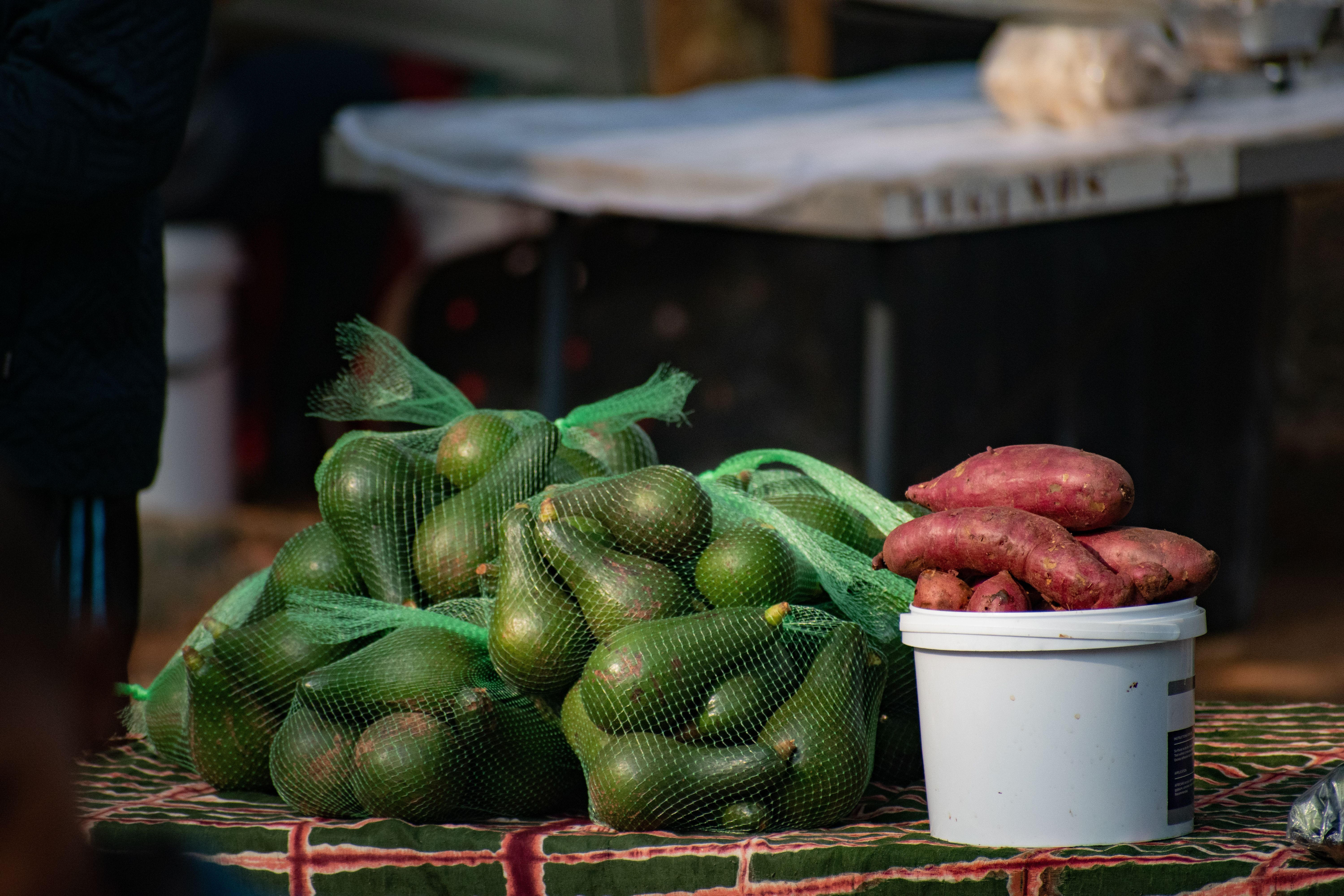
Financial Literacy and Accessible Credit
A critical component of farmer empowerment is access to appropriate financial services and education.
Financial Literacy Training: Offer workshops on budgeting, saving, debt management, and understanding loan terms, specifically tailored to the agricultural context.Microfinance Solutions: Develop and promote microfinance products designed for smallholders, featuring lower interest rates, flexible repayment schedules, and agricultural insurance options to mitigate risks.Government Subsidies and Support: Advocate for government subsidies on certified seeds, organic fertilizers, and sustainable farming equipment to reduce initial investment burdens for smallholders.By implementing these strategies, we can move towards a future where Kenyan smallholders thrive, contributing to a robust economy and a healthy planet. To learn more about how sustainable practices can transform your agricultural ventures, Explore sustainable living solutions with Eco-Oasis Firm.
Case Studies, Examples, or Comparisons: Lessons from the Field
While the challenges are significant, several initiatives and real-world examples demonstrate the potential for positive change in Kenya’s agricultural sector. Learning from these successes, and even from failures, is crucial for replicating impactful solutions.
The Makueni Macadamia Cooperative: A Model of Collective Strength
In Makueni County, a group of macadamia farmers formed a cooperative to directly engage with buyers, bypassing exploitative middlemen. By pooling their produce, they gained significant bargaining power and were able to negotiate higher prices for their nuts. The cooperative also invested in a small processing unit, allowing them to shell and package the macadamia nuts, adding value before sale. This strategic move increased their income by an estimated 25-30% compared to selling raw nuts to brokers, demonstrating the power of collective action and value addition. This model has been lauded by agricultural economists as a blueprint for empowering smallholders across different cash crops.
Horticultural Crops Directorate (HCD) & Avocado Task Forces
Recognizing the growing concerns, the Kenyan government, through the Horticultural Crops Directorate (HCD), has initiated measures to regulate the avocado sector. These include strict guidelines on harvesting seasons to prevent the sale of premature fruit (which damages market reputation and prices) and efforts to license exporters. While still facing implementation challenges, these regulations aim to bring order to a chaotic market, ultimately benefiting farmers by ensuring quality and fair pricing. However, a significant gap remains in directly supporting farmers in financial literacy and debt management.
Comparing with Coffee Cooperatives: A Historic Precedent
Kenya's coffee sector has a long history of successful cooperative movements, which have historically empowered small-scale coffee farmers to achieve better prices and market access. While facing their own modern challenges, these cooperatives provide a valuable comparison. The lessons learned, such as the importance of strong governance, transparent financial management, and continuous quality improvement, are highly relevant to the nascent avocado and macadamia cooperatives. According to a study by the International Food Policy Research Institute (IFPRI), farmer organizations can increase members' incomes by an average of 15% through improved market access and lower transaction costs.
These examples underscore that empowering smallholders requires not just individual effort but also structural support, collective action, and robust policy frameworks that prioritize farmer welfare over short-term profits.
Common Mistakes to Avoid: Pitfalls on the Path to Prosperity
While the promise of high returns from cash crops is enticing, smallholder farmers often fall victim to common pitfalls that exacerbate their debt burden and hinder long-term sustainability. Awareness of these mistakes is the first step towards avoiding them.
Relying on Single Cash Crops (Monoculture): Placing all eggs in one basket makes farmers extremely vulnerable to price drops, pest outbreaks, and adverse weather conditions affecting that specific crop. A single bad season can wipe out an entire year's income and plunge them deeper into debt.Signing Opaque Contracts Without Understanding: Many farmers, driven by immediate financial needs, sign contracts with buyers or processors without fully understanding the terms, conditions, and potential risks, leading to unfair pricing or delayed payments.Neglecting Soil Health and Sustainable Practices: In the race for higher yields, farmers often overuse synthetic fertilizers and pesticides, which degrade soil quality over time, increase input costs, and harm the environment, leading to diminishing returns and long-term ecological damage.Lack of Financial Planning and Debt Management: Taking out loans without a clear repayment strategy, overinvesting in inputs, or mismanaging funds can quickly lead to an unmanageable debt spiral, especially when income is irregular.Ignoring Market Research and Quality Standards: Producing crops without understanding current market demand, quality requirements, and export standards can lead to rejection, lower prices, and wasted effort. For instance, exporting unripe avocados negatively impacts market reputation and future prices for all Kenyan farmers.Failing to Join Farmer Groups or Cooperatives: Individual farmers often lack the bargaining power, resources, and voice needed to navigate complex markets and advocate for their rights. Isolation makes them easy targets for exploitation.
Expert Tips or Best Practices: Empowering the Smallholder
Navigating the complexities of modern agriculture demands strategic thinking and informed decision-making. Here are expert tips for smallholder farmers aiming for sustainable prosperity:
Prioritize Soil Health: Implement organic composting, crop rotation, and cover cropping. Healthy soil reduces the need for expensive chemical fertilizers and improves water retention, making your farm more resilient to droughts.Invest in Water Management: With climate change making rainfall unpredictable, consider efficient irrigation methods like drip irrigation, rainwater harvesting, and mulching to conserve water and ensure consistent crop growth.Seek Knowledge and Training: Attend workshops on modern farming techniques, pest management, financial literacy, and market access. Knowledge is your most powerful tool against exploitation and uncertainty.Build Strong Relationships with Buyers: Whenever possible, establish direct relationships with reputable buyers or fair-trade organizations. This minimizes the role of middlemen and ensures you receive a fairer price for your produce.Diversify Beyond Crops: Explore other income-generating activities such as beekeeping, poultry farming, or agri-tourism alongside your cash crops to create multiple income streams and reduce financial risk.Embrace Technology: Simple technologies like mobile apps for weather forecasts, market price updates, and agricultural advice can significantly improve decision-making and farm productivity. Try switching to using local weather apps for real-time climate data to better plan your planting and harvesting cycles, leading to more efficient resource use and improved yields.By adopting these expert tips, smallholder farmers can move from a precarious existence to a path of sustainable growth and financial independence. For comprehensive guidance on adopting sustainable agricultural practices and building a resilient farm, Explore sustainable living solutions with Eco-Oasis Firm.
Future Trends or Predictions: Charting a Sustainable Course
The future of Kenya's avocado and macadamia sectors, and indeed its entire agricultural landscape, will be shaped by several emerging global and local trends. Understanding these can help smallholders and policymakers proactively adapt and thrive.
Increasing Demand for Sustainably Sourced Produce: Global consumers are increasingly conscious of environmental and social impacts. This will drive demand for certified organic, fair-trade, and sustainably grown avocados and macadamia nuts, creating premium market opportunities for compliant farmers.Climate-Smart Agriculture Adoption: With escalating climate change impacts, there will be a rapid acceleration in the adoption of climate-smart agricultural practices. This includes drought-resistant crop varieties, precision agriculture, and improved water management systems to ensure food security and crop viability in a changing climate.Digital Transformation in Agriculture: The proliferation of mobile technology and internet access in rural areas will lead to more widespread adoption of AgriTech solutions. This includes mobile platforms for market price discovery, financial services, weather advisories, and even remote sensing for crop health monitoring, empowering farmers with real-time data.Stronger Regulatory Frameworks and Fair Trade: Expect increasing pressure on governments and international bodies to establish stricter regulations against exploitative trade practices and to promote fair pricing mechanisms for smallholders. Consumer advocacy for fair trade will play a crucial role.Focus on Value Addition and Local Processing: There will be a greater emphasis on domestic processing and value addition of cash crops within Kenya. This not only creates more jobs but also allows the country to capture a larger share of the value chain, reducing reliance on raw material exports.Biodiversity Conservation and Agroforestry: A renewed global focus on biodiversity will encourage agroforestry systems where trees (like macadamia and avocado) are integrated with other crops and livestock, enhancing ecological health, soil fertility, and providing diversified income streams.These trends suggest a future where sustainability, technology, and equitable trade practices become paramount, transforming the challenges currently faced by smallholders into opportunities for resilient growth.
Conclusion: Reaping What We Sustain
The paradox of Kenya's booming avocado and macadamia exports is a powerful reminder that economic growth, when not equitably distributed or sustainably managed, can lead to profound social and environmental costs. The grim reality of small-scale farmers trapped in debt underscores the urgent need for a paradigm shift in how we approach cash crop agriculture. It is not enough to celebrate export figures; we must critically examine whose prosperity is truly being served.
By empowering farmers with knowledge, fostering fair market access, promoting sustainable farming practices, and advocating for supportive policies, we can dismantle the systems that perpetuate debt and inequality. The journey towards a truly prosperous agricultural sector in Kenya requires collective effort – from individual farmers embracing diversification, to cooperatives strengthening their bargaining power, to governments implementing fair regulations, and to consumers demanding ethically sourced produce. It's about cultivating not just crops, but resilience, equity, and a harmonious relationship with our planet. Let us work together to ensure that the green gold of Kenya truly enriches the hands that sow and harvest it, creating a legacy of sustainable prosperity for generations to come. To be part of this transformative movement and to discover innovative ways to live and farm sustainably, we invite you to Explore sustainable living solutions with Eco-Oasis Firm.
FAQs: Your Questions Answered
Q1: Why are small-scale Kenyan farmers struggling despite high demand for avocados and macadamia nuts?
Small-scale Kenyan farmers face multiple challenges that prevent them from fully benefiting from the high demand. These include price volatility, high costs of agricultural inputs (fertilizers, pesticides, quality seedlings), exploitative contracts with middlemen who offer low prices, limited access to formal credit with fair interest rates, and the impacts of climate change leading to unpredictable harvests. A significant portion of the global market price is captured by exporters and distributors, leaving a minimal share for the actual growers. For more context, see reports from the
Food and Agriculture Organization (FAO) Kenya.
Q2: What are 'predatory contracts' in the context of Kenyan cash crops?
Predatory contracts often involve agreements where middlemen or large companies offer farmers loans for inputs or guaranteed purchases at prices significantly below market value. These contracts may have hidden clauses, unfair penalties, or obscure terms that farmers, due to limited literacy or legal knowledge, don't fully understand. This leaves farmers vulnerable to exploitation, forcing them to sell their produce at a loss or incur insurmountable debt. Organisations like
Fairtrade International work to counter such practices.
Q3: How does climate change impact smallholder avocado and macadamia farmers in Kenya?
Climate change manifests as increasingly erratic weather patterns, including prolonged droughts, unpredictable rainfall, and more frequent extreme weather events. These conditions directly affect crop yields, increase the risk of pest and disease outbreaks, and necessitate costly irrigation solutions. For example, avocados are sensitive to water stress, and macadamia yields can be severely impacted by unusual temperature fluctuations. This unpredictability makes farming risky and contributes to financial instability. Read more about climate impacts on agriculture from the
Intergovernmental Panel on Climate Change (IPCC).
Q4: What role do farmer cooperatives play in alleviating debt for smallholders?
Farmer cooperatives are crucial for empowering smallholders. By joining forces, farmers can collectively negotiate for better prices, bulk-buy inputs at lower costs, access processing facilities for value addition, and secure direct market access, reducing reliance on exploitative middlemen. Cooperatives also provide a platform for knowledge sharing, financial literacy training, and collective advocacy, significantly improving members' economic resilience and reducing individual debt burdens. The success of many agricultural sectors in Kenya, historically, has been linked to strong cooperative movements; for insights, refer to studies by the
International Food Policy Research Institute (IFPRI).
Q5: What sustainable farming practices can help Kenyan smallholders become more profitable and resilient?
Adopting sustainable and agroecological practices is vital. This includes diversifying crops to reduce risk, practicing intercropping to improve soil fertility and pest control, using organic fertilizers and natural pest management to cut down on chemical costs, and implementing efficient water harvesting and drip irrigation systems. These methods reduce reliance on expensive external inputs, improve long-term soil health, and make farms more resilient to environmental shocks, ultimately enhancing profitability and sustainability. Organizations like
AGRA (Alliance for a Green Revolution in Africa) promote such practices.
Q6: Are there government initiatives in Kenya to support small-scale avocado and macadamia farmers?
Yes, the Kenyan government, primarily through the Ministry of Agriculture and the Horticultural Crops Directorate (HCD), has implemented various initiatives. These include efforts to regulate harvesting seasons, license exporters to improve market order, and provide agricultural extension services. There are also efforts to promote farmer cooperatives and provide subsidized inputs. However, effective implementation and widespread reach remain challenges, and continuous improvement is needed to directly address the debt crisis. Information on government programs can be found on the
Ministry of Agriculture, Livestock, Fisheries and Cooperatives website.
Internal Link Suggestions:
The Future of Sustainable Agriculture: Innovations for a Greener TomorrowEco-Friendly Farming: A Comprehensive Guide to Regenerative PracticesBuilding Climate Resilience: Strategies for Adapting to Environmental ChangeThe Impact of Fair Trade on Local Communities and Global SustainabilityNourishing the Earth: The Critical Importance of Soil HealthWater Conservation in Agriculture: Smart Solutions for a Thirsty Planet


0 Comments