

Estimated Reading Time: 15 minutes
TL;DR:
- Maize farming in Kenya is under crisis due to erratic rainfall and high input costs.
- Drought-resistant crops like pigeon peas can boost yields and profits.
- Soil testing and integrated pest management can enhance sustainability.
- Contract farming can secure premium market prices.
- Switching to alternative crops can break the cycle of maize dependency.
Key Takeaways:
- Utilize soil testing to enhance fertility naturally.
- Adopt drought-resistant crops for higher yields in Kenya’s climate.
- Engage in contract farming for stable market access.
- Utilize integrated pest management techniques.
- Explore sustainable solutions with local agricultural partners.
Background & Context
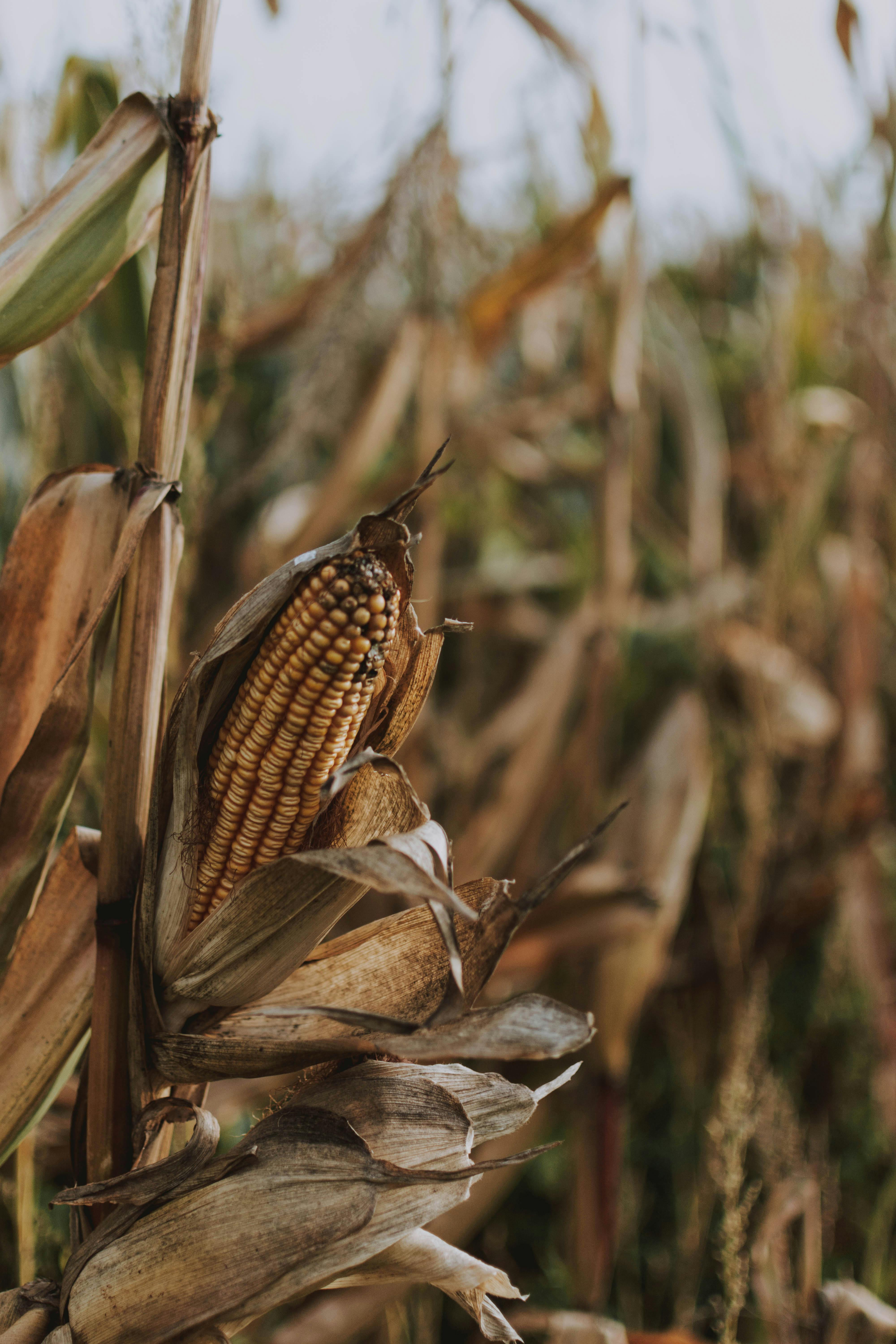
Maize farming dominates Kenya’s agricultural landscape, but soaring input costs, erratic rainfall, and devastating pests like fall armyworm are pushing smallholder farmers into cycles of debt and crop failure. Evidence from 2025-2026 shows maize yields dropping by 30-50% in key regions due to climate stress and soil degradation, yet farmers continue planting it out of habit. This article explores sustainable alternatives that enhance resilience and profitability.
Key Insights or Strategies

Adopting Drought-Resistant Crops
Drought-resistant crops such as sorghum and pigeon peas maintain yields and provide income stability. Pigeon peas, now grown extensively in Eastern Kenya, mature quickly and require less water.
- Start with soil testing to understand nutrient needs.
- Choose crops suitable for your region.
- Implement conservation agriculture techniques.
- Join groups for shared learning and support.
Equip your farm with a AgroThrive Organic Liquid Fertilizer to promote plant health.
Explore sustainable organic farming solutions with Biofarm Kenya.
Case Studies, Examples, or Comparisons
Programs like ICRISAT’s demonstration farms have shown remarkable success, increasing yields by over 55%. These examples illustrate the potential for transformation when farmers shift from maize to climate-smart crops. By collaborating with institutes like FAO and local agricultural bodies, farmers can access the necessary resources and knowledge.
Common Mistakes to Avoid
- Over-reliance on chemical fertilizers can degrade soil health; focus on organic alternatives.
- Ignoring pest management leads to rapid crop damage; integrated pest management is crucial.
- Underestimating the market demand; research and plan crop choices to match consumer trends.
Expert Tips or Best Practices
To maintain soil fertility, integrate crop rotation and organic composting practices. Utilize a MySoil Soil Test Kit to accurately assess nutrient levels.
Explore sustainable farming techniques with Biofarm Kenya.
Future Trends or Predictions
Emerging technologies such as smart irrigation systems and AI-driven monitoring are set to revolutionize agriculture in Kenya. Embracing these innovations can enhance efficiency and sustainability, preparing farmers for the challenges ahead.
Conclusion
Transitioning to drought-resistant crops offers a viable solution to Kenya's maize crisis. By implementing these strategies, farmers can achieve resilience and profitability. Discover trusted organic farming tools on Amazon and learn more about sustainable solutions with Biofarm Kenya.
FAQs
- What are the most effective drought-resistant crops? Pigeon peas, sorghum, and millet are highly recommended. Read more at ICRISAT.
- How can I test soil fertility? Utilize a MySoil Soil Test Kit for accurate testing.
- What integrated pest management strategies are effective? Biological controls like NemaStrike offer eco-friendly solutions. Refer to the FAO’s pest management guide.
- How can I secure a market for alternative crops? Engaging in contract farming with organizations like Biofarm Kenya provides stability. Visit Biofarm Kenya for more information.
- Are there government incentives for switching crops? The Ministry of Agriculture offers support for sustainable projects. Check their site for details: Ministry of Agriculture Kenya.
- How do innovations like smart irrigation help? They enhance water use efficiency, crucial in dry regions. For technology details, explore publications from Kenya’s NEMA.


0 Comments