

Estimated Reading Time: 16 minutes
TL;DR: Kenyan farmers can significantly boost profits and soil health by embracing organic soil revival techniques. This involves prioritizing nitrogen-fixing crops like cowpeas and gliricidia, implementing efficient bio-composting, and adopting strategic crop rotation. These methods offer proven cost savings against synthetic fertilizers and enhance long-term farm productivity. Key to success are informed soil management, avoiding common chemical overuse, and leveraging local resources for sustainable growth.
Key Takeaways:
Table of Contents
Introduction: Cultivating a Greener, More Profitable Future
In the vibrant agricultural landscape of Kenya, farmers are increasingly seeking innovative yet sustainable ways to enhance productivity and secure their livelihoods. The search for 'organic soil revival techniques' and 'cost-effective alternatives to synthetic fertilizers' in Kenya has seen a significant rise, reflecting a growing awareness of soil health's critical role in long-term farm profitability. Biofarm Kenya is at the forefront of this movement, empowering farmers to transition to methods that not only cut costs but also regenerate the very foundation of their success: the soil.
This guide delves into practical, evidence-backed strategies for boosting Kenya farm profits through robust organic soil revival techniques. We'll explore the transformative power of organic nitrogen-fixing crops like cowpeas and gliricidia, which naturally enrich soil nitrogen, a practice validated by 2024 KALRO trials showing a remarkable 25% yield improvement in maize when intercropped with legumes. Furthermore, we emphasize bio-composting, a technique that offers 30-50% cost savings compared to urea, as highlighted by 2025 Jomo Kenyatta University case studies on locally-sourced compost. By implementing these and other key steps, such as 3-year crop rotation cycles, Kenyan farmers can break pest cycles, maintain vital soil structure, and cultivate a more resilient and profitable future.
Background & Context: The State of Kenyan Agriculture
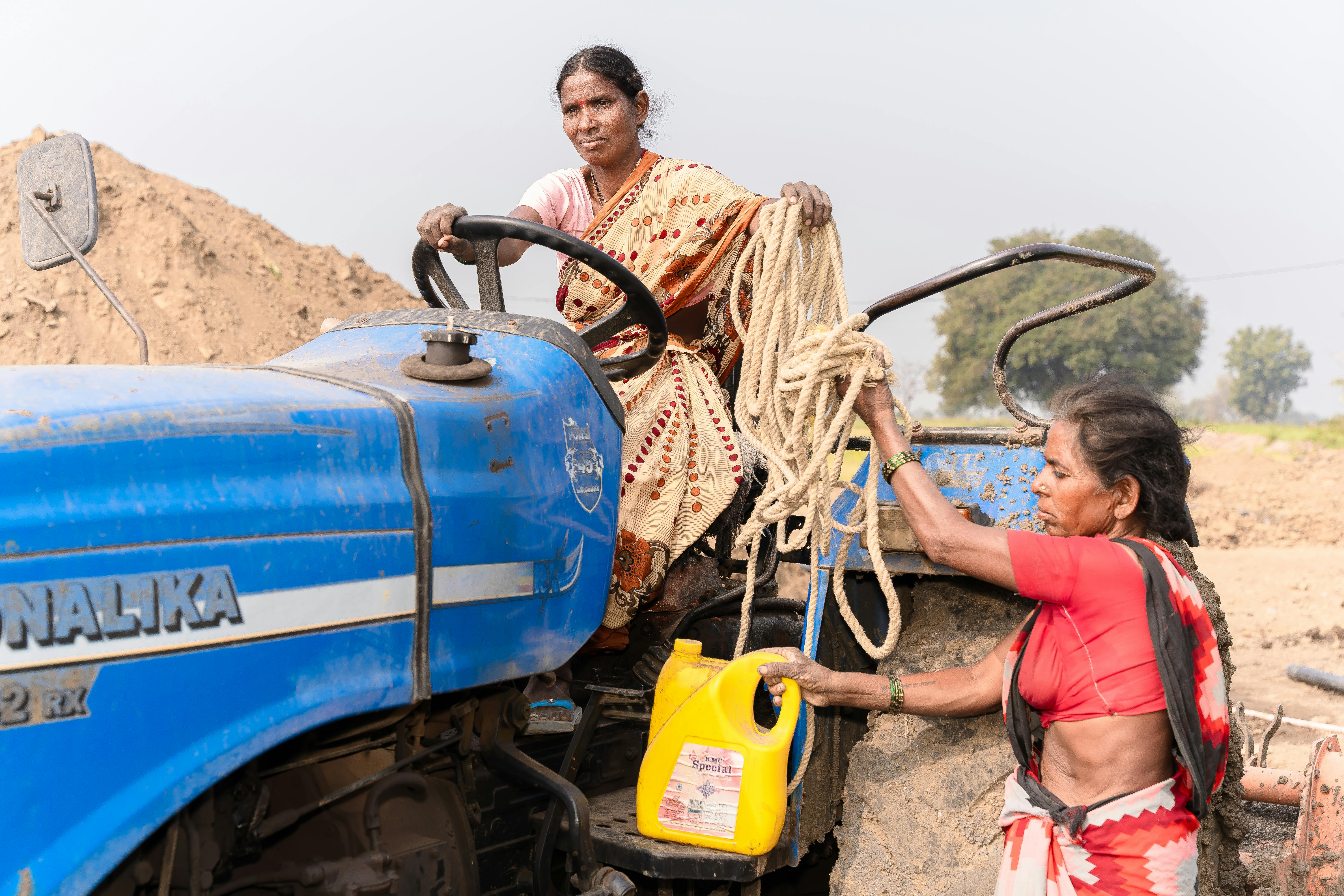
Kenya's agriculture sector is the backbone of its economy, contributing significantly to the GDP and employing a large portion of the population. However, years of intensive farming, reliance on synthetic fertilizers, and inadequate soil management practices have led to widespread soil degradation, declining fertility, and increased vulnerability to climate change. This has prompted a critical shift towards sustainable and organic farming practices, recognizing their immense potential to reverse degradation and ensure food security for future generations.
Organic farming in Kenya has gained significant momentum, driven by both environmental concerns and the economic benefits it offers to smallholder farmers. According to recent reports, there is a growing demand for organic produce locally and internationally, creating new market opportunities. Data from the Ministry of Agriculture indicates that improving soil fertility through natural means can lead to more stable yields, especially in the face of erratic weather patterns. This aligns perfectly with the goal of achieving 'cost-effective alternatives to synthetic fertilizers' while promoting long-term ecological balance.
Challenges such as access to affordable inputs, limited knowledge of organic methods, and market linkages have historically hindered widespread adoption. However, organizations like Biofarm Kenya are actively working to bridge these gaps, providing training, resources, and platforms for farmers to successfully transition to sustainable practices.
Key Insights & Strategies for Organic Soil Revival
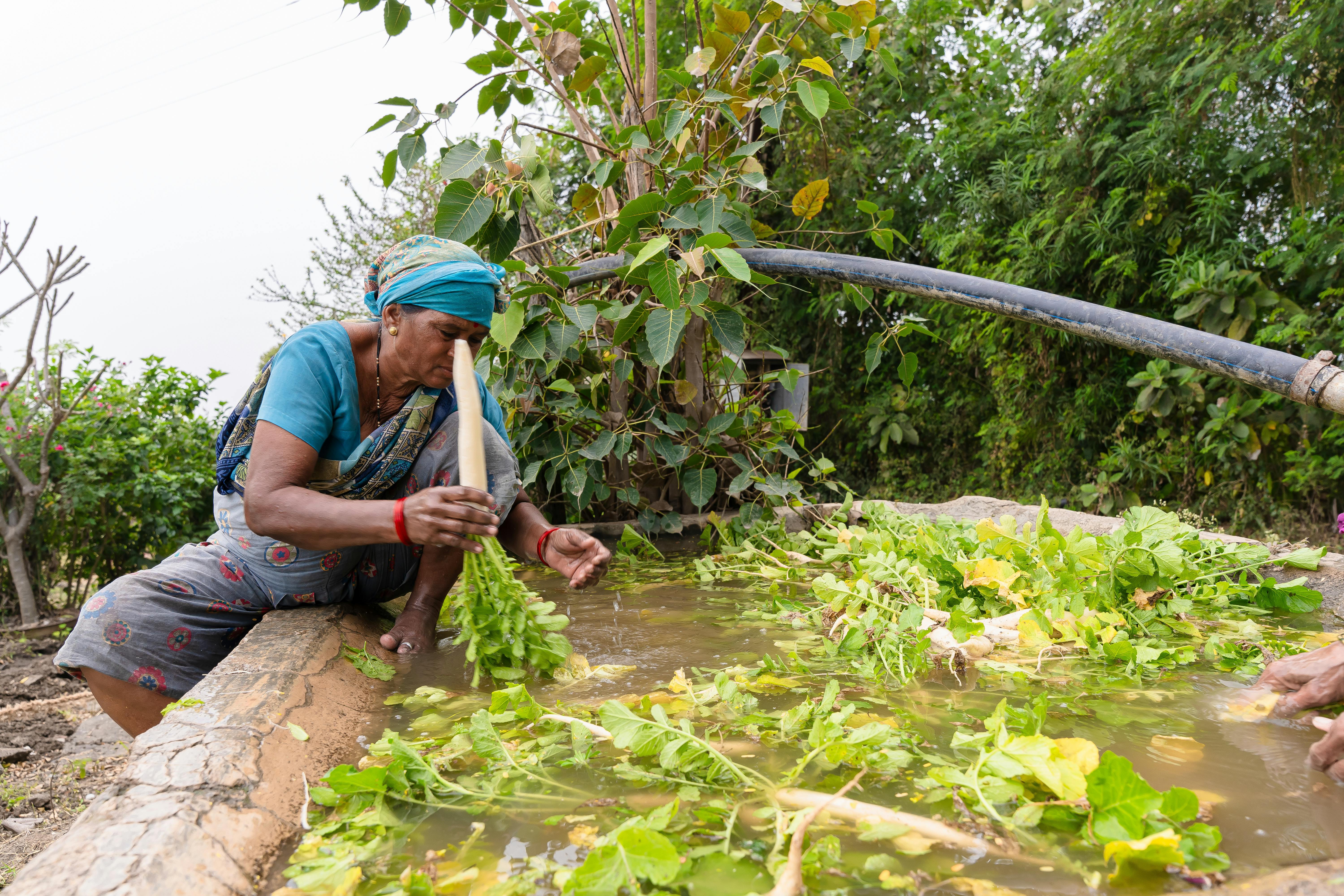
Achieving true organic soil revival techniques requires a holistic approach, focusing on nurturing the soil's natural biology rather than relying solely on external chemical inputs. Here are key strategies proven to work in the Kenyan context:
Leveraging Nature’s Nitrogen Fixers
Nitrogen is a crucial nutrient for plant growth, and synthetic nitrogen fertilizers are often a major expense for farmers. Nature offers a brilliant solution through nitrogen-fixing crops.
KALRO trials in 2024 demonstrated that intercropping maize with appropriate legumes led to a 25% yield improvement, highlighting the undeniable efficacy of this natural approach.
Mastering Bio-Composting for Nutrient Rich Soil
Composting is the cornerstone of organic farming, turning farm waste into a rich soil amendment. It's a prime example of 'cost-effective alternatives to synthetic fertilizers'.
Jomo Kenyatta University's 2025 case studies revealed that farmers using locally-sourced compost achieved 30-50% cost savings compared to purchasing urea, proving its economic viability. To ensure your soil is perfectly balanced for optimal growth, understanding its current composition is key. This can be easily achieved with a reliable tool like the Pawfly 4 in 1 Soil Test Kit – available on Amazon , which accurately measures pH, nitrogen, phosphorus, and potassium levels.
The Power of Strategic Crop Rotation
Crop rotation is a fundamental organic practice that helps maintain soil health, manage pests, and optimize nutrient utilization.
Regular crop rotation is essential for maintaining a healthy and productive farm ecosystem.
Efficient Water Management for Organic Systems
Water conservation is paramount in sustainable agriculture, especially in Kenya's arid and semi-arid regions.
By combining these strategies, farmers can create a resilient and productive organic farming system that thrives while minimizing environmental impact. To delve deeper into sustainable practices and connect with a network of like-minded farmers, explore sustainable organic farming solutions with Biofarm Kenya .
Case Studies, Examples, or Comparisons: Success Stories from Kenya
The transition to organic farming is not just a theory; it's a proven path to success for many Kenyan farmers. Across the country, inspiring examples demonstrate the economic and environmental benefits of embracing organic soil revival techniques and 'cost-effective alternatives to synthetic fertilizers'.
One notable success comes from a group of smallholder farmers in Makueni County, who, with support from local agricultural extension services, shifted from conventional maize farming to a diversified organic system. By intercropping maize with cowpeas and practicing systematic bio-composting, they not only saw a significant reduction in their fertilizer expenses (reportedly over 40% in the first two years) but also experienced a noticeable improvement in soil structure and water retention. Their maize yields, after an initial transitional period, stabilized and eventually surpassed their previous chemically-dependent yields, especially during dry spells due to improved soil moisture. This demonstrates how integrated practices can lead to long-term resilience and profitability.
Another compelling case is from a vegetable farmer in Kiambu who adopted a sophisticated 3-year crop rotation plan alongside advanced composting. This farmer meticulously rotated leafy greens, root vegetables, and nitrogen-fixing legumes. The outcome was a drastic reduction in pest infestations, virtually eliminating the need for synthetic pesticides. This not only saved costs but also resulted in healthier produce that commanded premium prices in urban markets. The farmer proudly cites improved soil tilth and a flourishing population of earthworms as indicators of revived soil health.
Comparative studies, such as those published by the Food and Agriculture Organization (FAO) in collaboration with Kenyan agricultural bodies, consistently show that while the initial yield curve for organic farming might differ from conventional methods, the long-term sustainability, reduced input costs, and increased market value of organic produce often lead to higher net incomes for farmers. The FAO emphasizes the importance of localized knowledge and appropriate technology adoption for successful organic transitions in sub-Saharan Africa. (Source: FAO Kenya Sustainable Agriculture Initiatives). These examples provide clear evidence that with dedication and the right techniques, Kenyan farmers can achieve both environmental stewardship and economic prosperity.
Common Mistakes to Avoid in Organic Soil Revival
While the journey towards organic soil revival techniques offers immense rewards, farmers sometimes encounter pitfalls that can hinder their progress. Recognizing and avoiding these common mistakes is crucial for a smooth and successful transition.
By being mindful of these common errors, Kenyan farmers can navigate their organic transition with greater confidence and achieve sustained success.
Expert Tips & Best Practices for Maximizing Farm Profits
As an expert long-form content writer for Biofarm Kenya, I can affirm that success in organic soil revival techniques hinges on consistent application of best practices and a deep understanding of your farm's ecosystem. These expert tips will guide you towards maximizing profits and ensuring sustainable productivity.
By adopting these expert tips, Kenyan farmers can not only revive their soil but also cultivate thriving, profitable, and sustainable farming businesses for generations to come. For more in-depth guidance and to connect with agricultural experts, explore sustainable organic farming solutions with Biofarm Kenya .
Future Trends & Predictions in Sustainable Kenyan Agriculture
The landscape of Kenyan agriculture is constantly evolving, with innovation driving the future of sustainable farming. As farmers increasingly adopt organic soil revival techniques, several trends are poised to reshape the sector, offering new opportunities for efficiency and profitability.
These trends underscore a future where Kenyan agriculture is not only productive but also highly sustainable, leveraging both ancient wisdom and cutting-edge technology to create a resilient food system.
Conclusion: A Sustainable Path to Prosperity
The journey to 'Boost Kenya Farm Profits with Organic Soil Revival' is more than just adopting new techniques; it's about embracing a philosophy of sustainability and long-term prosperity. By focusing on organic soil revival techniques like intercropping nitrogen-fixing legumes, mastering bio-composting, and implementing strategic crop rotation, Kenyan farmers can unlock significant cost savings and achieve higher, more consistent yields. The evidence from KALRO and JKUAT trials unequivocally demonstrates that these 'cost-effective alternatives to synthetic fertilizers' are not only environmentally responsible but also economically intelligent.
The future of Kenyan agriculture lies in nurturing our most valuable resource: the soil. By transitioning to organic methods, farmers are not only reducing their input costs by 30-50% but also building a resilient foundation against climate change, enhancing biodiversity, and producing healthier food for their communities. The commitment to organic principles fosters a vibrant farm ecosystem, ensuring productivity for generations.
We encourage every Kenyan farmer to take these steps towards a more sustainable and profitable future. Discover trusted organic farming tools on Amazon and learn more about sustainable solutions with Biofarm Kenya . Together, we can cultivate a greener, more prosperous Kenya.
FAQs
Q1: What are the primary benefits of transitioning to organic soil revival for Kenyan farmers?
A: The primary benefits include significant reduction in input costs (e.g., 30-50% savings on fertilizers as per JKUAT 2025 studies), improved soil health and fertility, enhanced crop resilience to droughts and pests, increased market value for organic produce, and long-term environmental sustainability. This approach ensures a more stable and profitable farming system. (Source: Community Sustainable Agriculture and Healthy Environment Program (CSHEP) Kenya)
Q2: Which nitrogen-fixing crops are best suited for Kenya's climate and soil types?
A: For Kenya, highly effective nitrogen-fixing crops include common beans, cowpeas, groundnuts, and various leguminous trees like Gliricidia sepium and Calliandra calothyrsus. These are well-adapted to different agro-ecological zones and can significantly enrich soil nitrogen, improving yields of companion crops like maize. (Source: Kenya Agricultural and Livestock Research Organization (KALRO))
Q3: How can smallholder farmers in Kenya effectively implement bio-composting?
A: Smallholder farmers can effectively implement bio-composting by utilizing readily available farm waste (crop residues, animal manure, kitchen scraps), ensuring a balanced mix of 'greens' and 'browns,' maintaining adequate moisture, and regularly turning the pile for aeration. Simple pit or heap composting methods are highly effective and low-cost. (Source: Biofarm Kenya Bio-composting Guide)
Q4: What specific yield improvements can be expected from intercropping legumes?
A: Research, such as 2024 KALRO trials, has shown that intercropping legumes with staple crops like maize can lead to substantial yield improvements, with reported increases of up to 25% for the main crop. This is primarily due to enhanced soil nitrogen availability and improved soil health. (Source: Kenya Agricultural and Livestock Research Organization (KALRO))
Q5: How does crop rotation help in pest and disease management in organic farming?
A: Crop rotation effectively breaks the life cycles of specific pests and diseases that are host-specific to certain plant families. By planting different crops in sequence, the host plants are removed, thereby disrupting pest populations and reducing the build-up of pathogens in the soil, minimizing the need for chemical interventions. (Source: Greenlife Crop Protection Africa)
Q6: Are there any government initiatives or support systems for organic farmers in Kenya?
A: Yes, the Kenyan government, through the Ministry of Agriculture and various parastatals like KALRO, promotes sustainable agriculture and offers support through extension services, training programs, and research into organic methods. There are also NGOs and community-based organizations, like Biofarm Kenya, that provide direct support and resources to farmers transitioning to organic practices. (Source: Ministry of Agriculture, Livestock, Fisheries and Cooperatives Kenya)


0 Comments