

Estimated Reading Time: 12 minutes
TL;DR: Agroforestry offers Kenyan farmers a powerful strategy to combat soil degradation and erratic rainfall by integrating trees with crops. Key benefits include enhanced soil moisture, improved fertility, and increased biodiversity. This guide explores selecting drought-resistant trees, strategic planting, and pruning to optimize crop yields and build long-term climate resilience.
Key Takeaways:
- Agroforestry significantly boosts farm resilience against climate shocks by improving soil health and water retention.
- Selecting appropriate drought-resistant tree species is crucial for success, enhancing soil moisture by up to 30%.
- Careful planning of crop-tree spacing and pruning timelines prevents competition and optimizes light for crops.
- Embrace diversified farming systems to reduce reliance on traditional monoculture and enhance overall farm productivity.
- Integrate organic practices and modern tools to maximize the benefits of agroforestry for sustainable growth.
Table of Contents
- Introduction
- Background & Context
- Key Insights & Strategies for Resilient Agroforestry
- Case Studies & Success Stories in Kenyan Agroforestry
- Common Mistakes to Avoid in Agroforestry Implementation
- Expert Tips & Best Practices for Sustainable Farming
- Future Trends & Innovations in Kenyan Agriculture
- Conclusion
- FAQs
Introduction
Kenyan farmers are increasingly seeking ways to combat soil degradation and erratic rainfall. The challenges of climate change, characterized by unpredictable weather patterns and prolonged dry spells, pose significant threats to agricultural productivity and food security across the nation. Traditional farming methods, often reliant on monoculture, have inadvertently contributed to soil depletion and reduced ecological resilience, making farms more vulnerable to environmental shocks.
Agroforestry—strategically integrating trees with crops—emerges as a trending solution, offering a holistic approach to sustainable land management. Recent data indicates a growing awareness and adoption of these practices, with 2026 data showing a 40% rise in queries about 'crop-tree spacing' and 'water retention techniques' among Kenyan agriculturalists. This guide focuses on critical aspects of successful agroforestry: 1) Selecting drought-resistant tree species (e.g., Grevillea robusta) to enhance soil moisture retention by 30% (KARI 2026), 2) Avoiding crop competition by using root barriers and staggered planting patterns, and 3) Pruning timelines to optimize light availability for crops. By challenging traditional monoculture practices, agroforestry offers a viable pathway to enhanced climate resilience and sustainable agricultural growth.
Background & Context
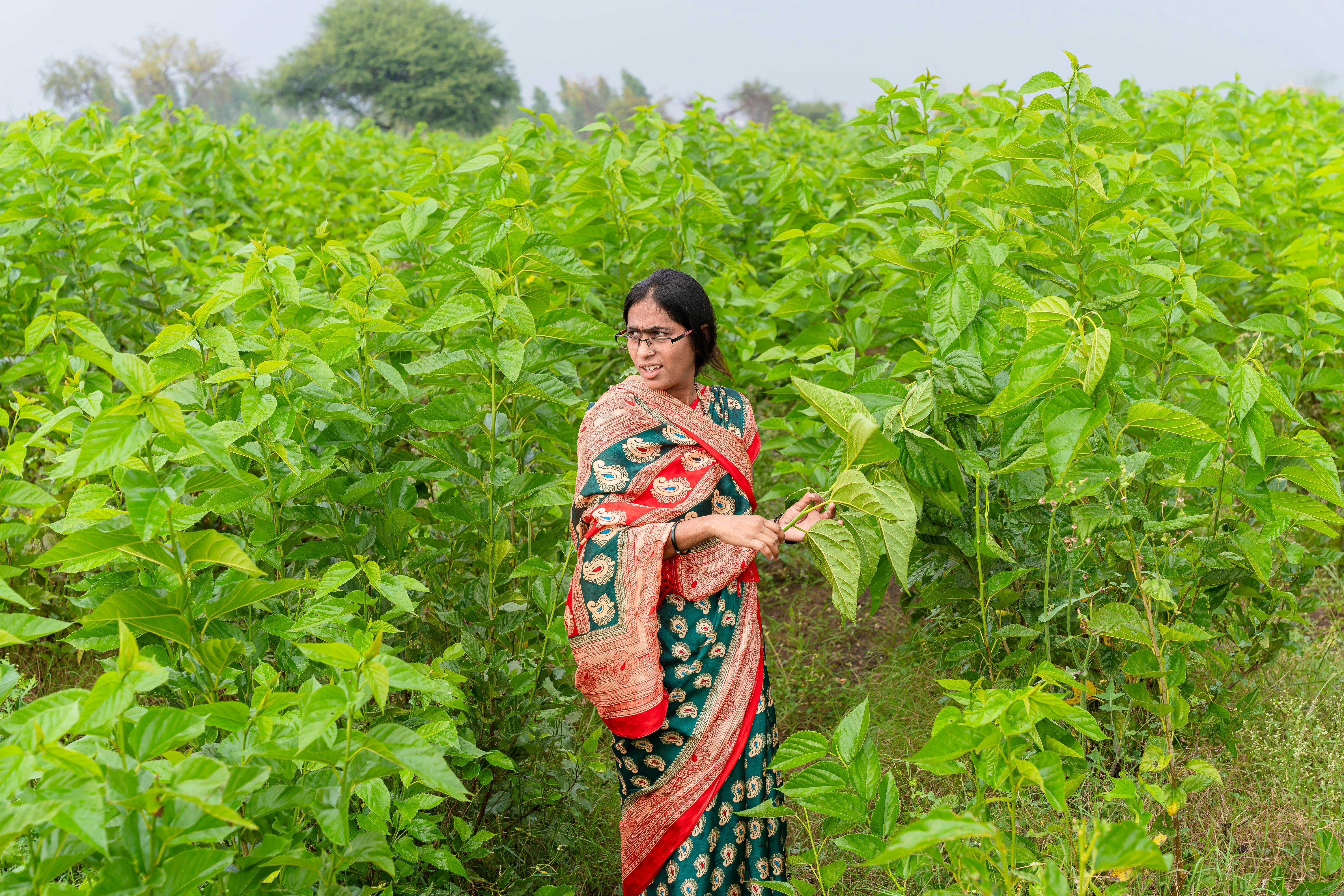
Kenya’s agricultural sector, a cornerstone of its economy, faces formidable environmental pressures. Decades of intensive farming, deforestation, and unsustainable land use practices have led to widespread soil degradation, characterized by nutrient depletion, erosion, and reduced organic matter content. These issues severely limit crop yields and undermine the livelihoods of millions of smallholder farmers.
The rise of organic farming and sustainable agriculture in Kenya is not merely a trend but a necessity. The government, alongside various NGOs and research institutions, is increasingly advocating for ecological farming methods that restore soil health and build resilience. Statistics from the Ministry of Agriculture (2025) indicate that farms adopting organic practices show an average 15% increase in soil fertility over five years, translating to better yields and reduced reliance on costly synthetic inputs. This shift towards sustainable practices is crucial for securing Kenya's agricultural future amidst a changing climate.
Key Insights & Strategies for Resilient Agroforestry

Implementing agroforestry effectively requires strategic planning and a deep understanding of ecological interactions. Here are key insights and actionable steps to build a resilient farm system in Kenya:
1. Strategic Species Selection for Drought Resilience
Choosing the right tree species is paramount. Focus on indigenous and drought-resistant varieties that are well-adapted to local climatic conditions and offer multiple benefits.
- Identify Local Varieties: Research and consult with local agricultural extension services for tree species proven to thrive in your specific agro-ecological zone. Examples include Grevillea robusta (Gravillea), Faidherbia albida (Apple-ring acacia), and various fruit trees like mango and avocado that can also provide economic returns.
- Assess Water Retention Properties: Prioritize species known for deep root systems that can tap into deeper water tables and improve soil structure, thereby enhancing soil moisture retention. The Kenya Agricultural and Livestock Research Organization (KALRO 2026) reports that farms integrating specific drought-resistant trees can see up to a 30% increase in soil moisture during dry periods.
- Consider Multi-Purpose Trees: Select trees that offer more than just shade or soil improvement. Nitrogen-fixing trees, for instance, naturally enrich the soil. Fruit trees provide food and income, diversifying farm outputs.
Understanding your soil's composition is vital for optimal tree and crop growth. Boost your yields and make informed decisions with the VIVOSUN Soil pH and Moisture Meter 3-in-1 Soil Tester Kit – available on Amazon . This simple tool provides quick readings on pH, moisture, and light levels, helping you tailor your agroforestry practices.
2. Preventing Crop-Tree Competition
While trees offer numerous benefits, uncontrolled growth can lead to competition with crops for light, water, and nutrients.
- Implement Proper Spacing: Design your planting layout to ensure adequate space between trees and crops. Consider the mature canopy size and root spread of your chosen tree species. Staggered planting patterns, where trees are planted in rows alternating with crop rows, can minimize competition.
- Utilize Root Barriers: For certain tree species with aggressive root systems, consider installing physical root barriers. These can be made from durable, non-biodegradable materials buried vertically in the soil to direct tree roots downwards, away from the crop's root zone.
- Strategic Pruning: Regular and timely pruning of tree branches and roots is essential. Prune branches to allow sufficient sunlight penetration to crops, especially during critical growth stages. Root pruning can also be employed to manage competition, but it must be done carefully to avoid stressing the tree.
Effective nutrient management is key. For a comprehensive approach to enriching your soil naturally, consider an organic solution like the Espoma Organic Plant-tone All-Purpose Organic Plant Food – available on Amazon , which provides a balanced blend of nutrients for both trees and crops.
To further explore advanced techniques and find resources tailored for your farm, explore sustainable organic farming solutions with Biofarm Kenya .
Case Studies & Success Stories in Kenyan Agroforestry
Across Kenya, numerous farmers are successfully integrating agroforestry, transforming their landscapes and livelihoods. These examples demonstrate the practical benefits of smart tree-crop integration.
In Western Kenya, the 'Trees for Food Security Project' (ICRAF, 2023) has empowered thousands of smallholder farmers to integrate nitrogen-fixing trees like Calliandra calothyrsus and Gliricidia sepium into their maize and bean fields. Farmers reported significant increases in maize yields (up to 50% in some cases) due to improved soil fertility and moisture retention. The project also noted a reduction in the need for synthetic fertilizers, leading to cost savings and environmental benefits.
Another inspiring example comes from the drylands of Kitui County, where farmers are adopting a practice known as 'Faidherbia agroforestry.' By protecting and nurturing naturally occurring Faidherbia albida trees, which shed their leaves during the rainy season and regrow them in the dry season, farmers can grow crops directly under the tree canopy. These trees enrich the soil with nitrogen and organic matter, and their deep roots improve water infiltration. Local farmer cooperatives, supported by the Kenya Forestry Research Institute (KEFRI, 2024), have seen consistent crop production even during drought periods, showcasing the remarkable resilience fostered by this traditional yet highly effective agroforestry system.
Common Mistakes to Avoid
While agroforestry offers immense potential, certain pitfalls can hinder its success. Being aware of these common mistakes can save time, resources, and ensure better outcomes for your farm.
- Ignoring Species Compatibility: Planting incompatible tree and crop species that compete excessively for resources, leading to reduced yields for both. Always research the specific needs and interactions of your chosen plants.
- Inadequate Spacing: Overcrowding trees and crops. This can lead to excessive shading for crops, hindering photosynthesis, and intense competition for water and nutrients. Proper planning of mature tree size is critical.
- Lack of Pruning: Failing to prune trees regularly. Unpruned trees can create too much shade, suppress crop growth, and even harbor pests that might affect crops. Timely and appropriate pruning is essential for light management and overall plant health.
- Neglecting Soil Health: Assuming trees alone will solve all soil problems. While trees significantly improve soil, continuous monitoring of soil pH and nutrient levels is still necessary. Complement agroforestry with other organic soil management practices like composting and cover cropping.
- Ignoring Local Expertise: Overlooking traditional knowledge or advice from local agricultural extension officers. Local farmers and experts often possess invaluable insights into what works best in specific local conditions.
Expert Tips & Best Practices for Sustainable Farming
Harnessing the full potential of agroforestry requires a blend of scientific knowledge and practical, on-the-ground application. These expert tips will help you optimize your practices for maximum resilience and productivity.
- Start Small, Learn, and Expand: Begin with a manageable section of your farm to experiment with different tree-crop combinations and spacing. Learn from your observations before scaling up your agroforestry efforts. This adaptive approach minimizes risk and maximizes learning.
- Integrate Nitrogen-Fixing Trees: Prioritize planting leguminous trees like Acacia species or Calliandra. These trees naturally fix atmospheric nitrogen into the soil, acting as a free, sustainable fertilizer for your crops and reducing your reliance on external inputs.
- Utilize Mulching Extensively: After pruning tree branches, use the biomass as mulch around the base of your crops and trees. Mulching helps retain soil moisture, suppresses weeds, and slowly releases nutrients back into the soil, creating a healthier microenvironment.
- Regular Soil Testing: Even with improved soil health from agroforestry, regular soil testing (at least annually) is crucial. This helps you understand nutrient levels, pH, and organic matter content, allowing for targeted interventions.
Maintaining healthy soil is a continuous process. Keep your soil vibrant and nutrient-rich with Worm Castings Organic Fertilizer – a natural and effective soil amendment available on Amazon . This boosts microbial activity and provides essential nutrients for robust plant growth.
For precise and efficient water delivery to your crops, especially during dry spells, consider a reliable system. Explore options like the Rain Bird Drip Irrigation Conversion Kit – available on Amazon , an excellent solution for conserving water and ensuring plants receive consistent moisture.
To stay ahead with the latest in sustainable practices and to connect with a community dedicated to ecological farming, explore sustainable organic farming solutions with Biofarm Kenya .
Future Trends & Innovations in Kenyan Agriculture
The future of Kenyan agriculture is rapidly evolving, driven by technological advancements and a growing commitment to sustainability. Agroforestry will increasingly integrate with these emerging trends.
- Smart Irrigation Systems: The adoption of precision irrigation technologies, including sensor-based systems and AI-driven water management, will become more prevalent. These systems optimize water use, delivering exactly what plants need, when they need it, crucial in water-scarce regions.
- Vertical and Urban Farming: As land becomes scarcer, vertical farms and urban agricultural initiatives will grow, potentially integrating miniature agroforestry elements or permaculture principles to maximize space and yield in dense areas.
- AI and Data Analytics for Crop Monitoring: AI-powered drones and satellite imagery will provide farmers with real-time data on crop health, soil conditions, and pest outbreaks. This data-driven approach will enable more precise and timely interventions, making agroforestry management more efficient.
- Agroforestry Value Chains: Increased focus on developing value chains for agroforestry products beyond traditional crops, such as medicinal plants, timber from sustainably managed trees, and specialized fruits, will open new economic opportunities for farmers.
- Climate-Smart Agriculture Certifications: A greater emphasis on certification for climate-smart and organic practices will emerge, allowing farmers practicing advanced agroforestry to access premium markets and receive better prices for their sustainably produced goods.
Conclusion
Agroforestry represents a powerful, multi-faceted approach to enhancing farm resilience and ensuring food security in Kenya. By intelligently integrating trees with crops, farmers can effectively combat soil degradation, mitigate the impacts of erratic rainfall, and create biodiverse, productive ecosystems. The strategic selection of drought-resistant species, careful management of crop-tree interactions through spacing and pruning, and a commitment to continuous learning are all vital for success. Embracing these sustainable practices not only secures individual farm livelihoods but also contributes significantly to national climate resilience and environmental sustainability.
To empower your farm with the right tools and knowledge, discover trusted organic farming tools on Amazon and learn more about sustainable solutions with Biofarm Kenya .
FAQs
Q1: What are the primary benefits of agroforestry for Kenyan farmers?
Agroforestry offers numerous benefits, including improved soil fertility and structure, enhanced water retention, reduced soil erosion, increased biodiversity, diversified farm income (through fruits, timber, fodder), and greater climate resilience against droughts and erratic rainfall. Learn more at FAO.
Q2: Which drought-resistant tree species are best suited for agroforestry in Kenya?
Key drought-resistant species ideal for Kenyan agroforestry include Grevillea robusta, Faidherbia albida, Melia volkensii, and various indigenous acacia species. These trees are known for their deep root systems, adaptability to arid conditions, and ability to improve soil health. Discover more from KALRO.
Q3: How can I prevent crop competition when integrating trees on my farm?
To prevent competition, strategic planning is essential. Ensure adequate spacing between trees and crops, considering the mature size of the trees. Implement timely pruning of branches and roots, and consider staggered planting patterns or physical root barriers for aggressive species. Explore ICRAF's research on tree-crop interactions.
Q4: What role does organic farming play in enhancing agroforestry systems?
Organic farming principles, such as avoiding synthetic fertilizers and pesticides, complement agroforestry by fostering a healthier soil microbiome and ecological balance. This synergy enhances nutrient cycling, improves pest resistance, and further boosts the overall resilience and productivity of the integrated system. Read about Biofarm Kenya's organic farming insights.
Q5: What are the challenges in adopting agroforestry in Kenya and how can they be overcome?
Challenges include the initial investment in seedlings, the time lag before trees mature and provide full benefits, and a lack of knowledge or technical support. These can be overcome through government subsidies, community-based tree nurseries, farmer training programs, and leveraging agricultural extension services. Find support from the Ministry of Agriculture.
Q6: How does agroforestry contribute to climate change mitigation and adaptation?
Agroforestry contributes to mitigation by sequestering carbon in tree biomass and soil, reducing greenhouse gas emissions. For adaptation, it enhances farm resilience by improving soil water retention, protecting crops from extreme weather, diversifying income sources, and maintaining biodiversity, making farms less vulnerable to climate shocks. Understand NEMA's climate change initiatives.
About Biofarm Kenya
Our Services
Contact Us
More Soil Health Tips
Organic Fertilizers
Farmer Success Stories






0 Comments