

Estimated Reading Time: 9 minutes
TL;DR:
Key Takeaways:
Table of Contents
Introduction: Cultivating a Greener Future for Kenyan Agriculture
Kenya's agricultural sector, the backbone of its economy, faces a dual challenge: rising input costs and pervasive soil degradation. These pressures compel Kenyan farmers to urgently seek sustainable alternatives that can safeguard their livelihoods and ensure national food security. The good news is that viable, evidence-backed solutions exist. Our core focus today is on training on Integrated Soil Fertility Management (ISFM), a holistic approach that intelligently combines organic inputs like compost and manure with the precision use of mineral fertilizers.
This strategy isn't just theory; recent trials by the Kenya Agricultural and Livestock Research Organization (KALRO) have demonstrated remarkable results, showing that ISFM methods can increase yields by 20-30% while simultaneously reducing dependency on costly chemical inputs. This article will delve into the essential steps for implementing ISFM effectively, including crucial practices like soil testing to diagnose nutrient gaps, applying organic matter to improve soil structure and water retention, and utilizing split fertilizer applications synchronized with crop growth stages. By adopting these smart soil management techniques, Kenyan farmers can unlock higher productivity, enhance environmental sustainability, and build more resilient farming systems for generations to come.
Background & Context: The State of Kenyan Soils
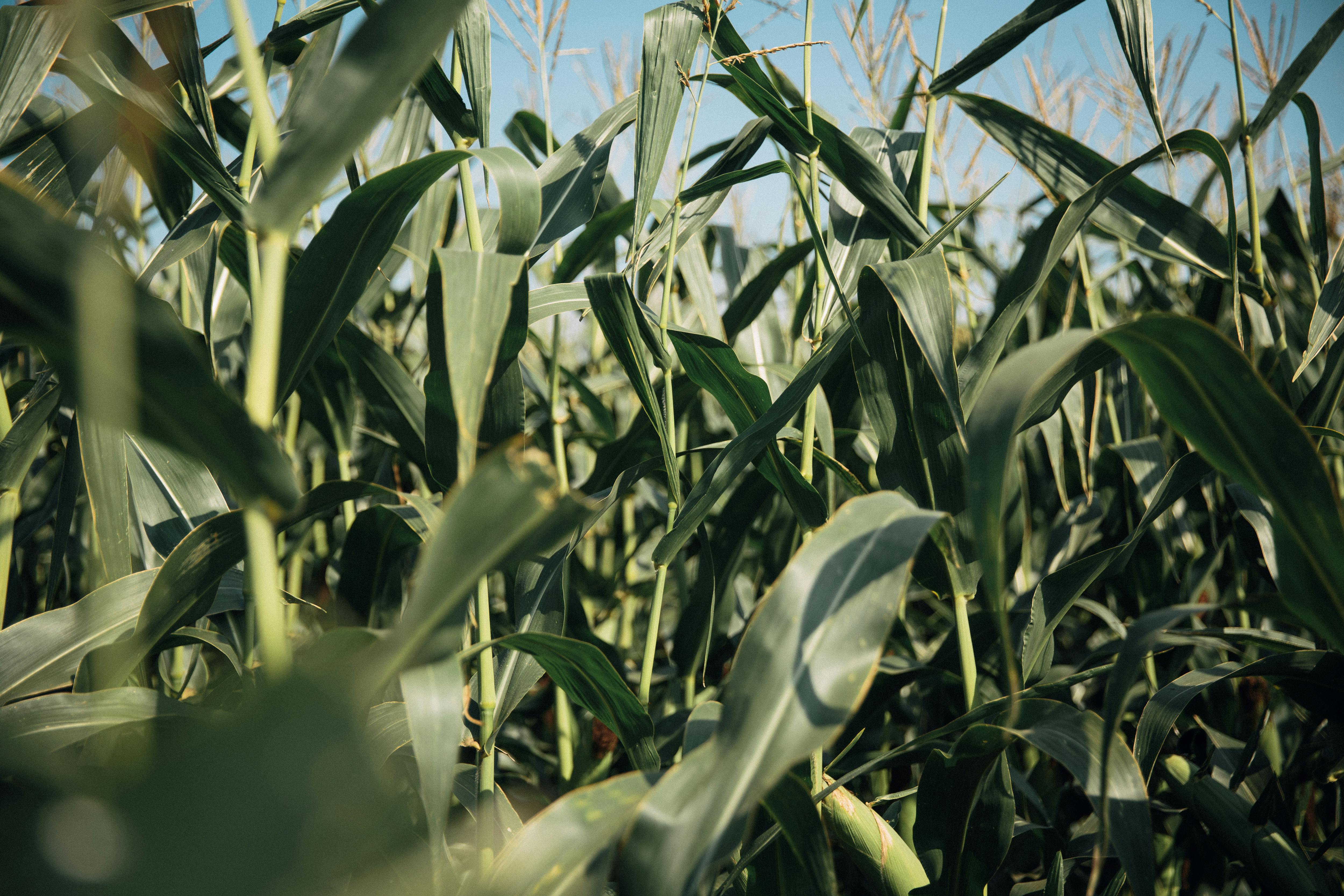
The health of Kenya's agricultural land is at a critical juncture. Data from the Soil Atlas Kenya Edition reveals a sobering reality: over 40% of East Africa’s soils are degraded, with a staggering only 20% of land in Kenya deemed fit for food production. This widespread degradation, exacerbated by climate change and unsustainable farming practices, costs Kenya an estimated KES 170 billion annually, severely undermining agricultural productivity and rural livelihoods.
In response, the conversation around agribusiness growth in Kenya is increasingly centered on sustainable agriculture and organic farming. The sector, contributing over 20% to GDP and employing more than 40% of the population, continues to grow, albeit with challenges. Innovations like precision farming, satellite monitoring, and AI-powered advisories are gaining traction, yet the fundamental health of the soil remains paramount. Organic farming, in particular, has gained significant momentum in recent years, lauded for its environmental sustainability, health benefits, economic opportunities, and its ability to improve soil health by reducing reliance on synthetic chemicals and pesticides. It’s clear that a shift towards more conscientious soil management is not merely an option, but a necessity for Kenya’s agricultural future.
Key Insights & Strategies: Mastering Integrated Soil Fertility Management (ISFM)

Integrated Soil Fertility Management (ISFM) is a dynamic and site-specific approach crucial for boosting yields sustainably. It involves careful planning and execution, adapting to the unique conditions of each farm. Here are the core strategies:
The Non-Negotiable First Step: Comprehensive Soil Testing
Before any intervention, understanding your soil's existing nutrient profile and pH levels is paramount. Blindly applying fertilizers or organic matter can lead to imbalances, nutrient wastage, and even harm the soil. Soil testing provides a roadmap for targeted interventions.
- Collect Samples Accurately: Take multiple samples from different areas of your farm, ensuring they are representative of the varying soil types or management zones.
- Analyze Results: Interpret the lab report to identify deficiencies in macronutrients (Nitrogen, Phosphorus, Potassium) and micronutrients, as well as soil pH.
- Formulate a Plan: Based on the test results, tailor your ISFM strategy, including specific organic amendments and mineral fertilizer recommendations.
To accurately assess your soil's needs, consider investing in a reliable tool. A Comprehensive Soil pH & Nutrient Test Kit – available on Amazon can empower you with crucial data for informed decisions, helping you avoid guesswork and optimize your input use.
Building Blocks of Life: Enhancing Soil Organic Matter
Organic matter is the lifeblood of healthy soil. It improves soil structure, enhances water retention, provides a slow-release source of nutrients, and fosters a thriving microbial ecosystem. Incorporating organic inputs is a cornerstone of ISFM.
- Composting: Convert farm and household organic waste into nutrient-rich compost. This diverts waste from landfills and creates a valuable soil amendment.
- Farmyard Manure (FYM): Properly decomposed animal manure is an excellent source of organic matter and nutrients. Ensure it’s well-rotted to avoid pathogen transmission and nutrient burn.
- Crop Residue Retention: Instead of burning or removing crop residues, incorporate them into the soil after harvest. This returns nutrients, protects the soil from erosion, and adds organic carbon.
- Green Manures & Cover Crops: Plant legumes or other fast-growing crops specifically to be tilled into the soil, enriching it with nitrogen and organic matter.
To accelerate your composting efforts and ensure a nutrient-rich output, consider using a high-quality Jobe's Organics Compost Starter – available on Amazon. This helps break down organic materials efficiently, preparing valuable amendments for your farm.
Smart Nutrition: Precision Mineral Fertilizer Use
While organic matter is vital, sometimes mineral fertilizers are necessary to address specific nutrient deficiencies quickly and effectively. The key is using them precisely and efficiently to complement organic inputs, not replace them.
- Right Source: Select fertilizers that match the specific nutrient deficiencies identified by your soil test.
- Right Rate: Apply only the recommended amount, avoiding over-application which can lead to nutrient runoff and environmental pollution.
- Right Time: Apply fertilizers when the crop needs them most, typically during critical growth stages. Split applications (e.g., basal and top-dressing) are often more effective than a single large application.
- Right Place: Apply fertilizer close to the plant roots, such as banding or side-dressing, to maximize uptake and minimize losses.
For more insights and to explore cutting-edge solutions for sustainable farming, Explore sustainable organic farming solutions with Biofarm Kenya.
Case Studies & Examples: Success Stories from Kenyan Farms
Across Kenya, numerous farmers are demonstrating the tangible benefits of adopting ISFM and other sustainable agricultural practices. These trailblazers offer compelling evidence that smart soil management translates into higher yields, healthier crops, and improved economic resilience.
One notable example comes from a KALRO-led initiative in Western Kenya, where smallholder maize farmers who adopted ISFM protocols—including the use of fortified compost and timely application of phosphate fertilizers based on soil tests—saw their maize yields increase by an average of 25%. This was achieved while reducing the overall dependency on synthetic nitrogen fertilizers, thus cutting costs and environmental impact. The success was attributed to the improved soil structure, enhanced water retention, and balanced nutrient availability facilitated by the combined organic and inorganic inputs.
Another inspiring case is found in parts of Central Kenya, where farmers transitioning to organic horticulture have significantly boosted their incomes. By focusing on building soil health through consistent application of farmyard manure, planting cover crops, and practicing crop rotation, these farmers now produce high-value organic vegetables that fetch premium prices in urban markets. The initial investment in soil building has paid off with reduced pest pressure, healthier plants, and a loyal customer base seeking chemical-free produce. According to the Food and Agriculture Organization (FAO), such transitions are vital for diversifying agricultural income and fostering local food systems resilience.
Beyond traditional farming, innovations are also taking root. In peri-urban areas, farmers utilizing greenhouse technology combined with ISFM principles are achieving year-round production of high-value crops like tomatoes and capsicums. These controlled environments allow for precise nutrient delivery and water management, further optimizing the benefits of healthy, organically enriched soil. These examples underscore that with the right knowledge and tools, Kenyan farmers can transform their fields into engines of sustainable prosperity.
Common Mistakes to Avoid in Soil Management
Even with the best intentions, farmers can inadvertently make mistakes that undermine soil health and productivity. Recognizing and correcting these common errors is crucial for effective ISFM.
- Ignoring Soil Testing: This is arguably the biggest mistake. Without knowing your soil's baseline, any input application is guesswork. Over-applying nutrients not only wastes money but can also lead to nutrient imbalances, soil toxicity, and environmental pollution through runoff.
- Excessive Tillage: While tillage can prepare a seedbed, deep or frequent tilling can destroy soil structure, accelerate organic matter decomposition, and increase erosion risk. This leads to compacted layers and a decline in soil fertility over time.
- Over-reliance on Chemical Fertilizers: Solely depending on synthetic fertilizers without replenishing organic matter depletes the soil's natural fertility, reduces its water-holding capacity, and can harm beneficial soil microorganisms. This creates a cycle of dependency and diminishing returns.
- Poor Drainage & Waterlogging: Ignoring soil preparation that ensures proper drainage can lead to waterlogged conditions, which suffocate plant roots, promote disease, and wash away nutrients. This is especially critical for crops sensitive to 'wet feet.'
- Burning Crop Residues: A common practice, burning residues destroys valuable organic matter, releases greenhouse gases, and kills beneficial soil organisms, depriving the soil of essential nutrients and protection.
- Inadequate Crop Rotation: Planting the same crop repeatedly (monocropping) depletes specific nutrients, encourages the build-up of pests and diseases, and reduces overall soil biodiversity.
To correct these, consistently conduct soil tests, adopt minimum tillage practices, integrate organic amendments, ensure proper land preparation for drainage, incorporate crop residues, and implement diverse crop rotations.
Expert Tips & Best Practices for Sustainable Soil Health
Achieving and maintaining optimal soil health requires a proactive and consistent approach. Here are expert, locally relevant tips to empower Kenyan farmers in their journey towards sustainable soil management:
- Embrace Biochar: Consider incorporating biochar into your soil. Produced from biomass, biochar improves soil carbon sequestration, water retention, and nutrient availability, particularly beneficial in Kenya's arid and semi-arid lands.
- Water Wisely with Drip Systems: Combine your improved soil's water retention with efficient irrigation. Drip irrigation minimizes water wastage, delivering water directly to the plant roots. This is crucial in water-scarce regions and for high-value crops. You can find robust options like a Drip Irrigation Kit for Small Farms – available on Amazon to get started.
- Utilize Leguminous Cover Crops: Plant nitrogen-fixing legumes like desmodium or mucuna during fallow periods or as intercrops. These naturally enrich the soil with nitrogen, reducing the need for synthetic fertilizers.
- Regular pH Monitoring: Soil pH influences nutrient availability. Regularly monitor and adjust pH using organic amendments (e.g., lime for acidic soils, organic matter for alkaline soils) as recommended by soil tests.
- Support Soil Microbes: Healthy soil teems with beneficial microorganisms. Avoid harsh chemical pesticides that harm these essential workers. Encourage their activity through organic matter addition and minimal soil disturbance. For instance, enriching your soil with an Organic Vegetable Garden Fertilizer – available on Amazon can nourish both your plants and the microbial life beneath the surface.
- Join Farmer Field Schools: Participate in local agricultural extension programs and farmer field schools offered by organizations like KALRO or Biofarm Kenya. These provide practical training and opportunities to share knowledge with peers. For more opportunities, Explore sustainable organic farming solutions with Biofarm Kenya.
Future Trends: Innovation in Kenyan Soil Management
The future of Kenyan soil management is poised for exciting transformations, driven by technological advancements and a growing commitment to sustainability. These emerging trends promise to further revolutionize how farmers interact with their land, optimizing productivity and environmental stewardship.
- Precision Agriculture with Drones & Sensors: Drones equipped with multispectral cameras are increasingly being used to map farm fields, assess crop health, and identify areas of nutrient stress or water scarcity. Coupled with ground-based soil sensors, this technology enables ultra-precise application of water and inputs, minimizing waste and maximizing efficiency.
- AI-Driven Crop Monitoring & Advisory: Artificial intelligence and machine learning algorithms are being developed to analyze vast datasets—from weather patterns and soil data to satellite imagery—to provide tailored recommendations for planting, fertilizing, and pest management. This will offer farmers real-time, actionable insights.
- Vertical Farming & Hydroponics: While not directly soil-based, the expansion of vertical farming and hydroponic systems, particularly in urban and peri-urban areas, can alleviate pressure on traditional agricultural land. These systems offer highly controlled environments for specialized crop production, often with significant water savings.
- Advanced Bioremediation Techniques: Research into using microorganisms and plants to clean up degraded or contaminated soils is gaining traction. These natural methods offer sustainable ways to restore soil health in heavily impacted areas, making them productive once again.
- Carbon Sequestration & Climate-Smart Agriculture: With growing concerns about climate change, agricultural practices that actively sequester carbon in the soil (e.g., increased organic matter, no-till farming) will become central. Farmers will be incentivized for their role in climate mitigation.
These innovations, coupled with a continued emphasis on ISFM principles, will empower Kenyan farmers with unprecedented tools to manage their soil smartly, ensuring resilience and profitability in an evolving agricultural landscape.
Conclusion: Sowing Seeds for Lasting Prosperity
The journey towards sustainable and profitable agriculture in Kenya is inextricably linked to the health of its soil. By embracing Integrated Soil Fertility Management (ISFM), farmers have a powerful framework to overcome the challenges of rising input costs and widespread soil degradation. The evidence from KALRO trials and successful farm stories clearly demonstrates that combining organic inputs with precision mineral fertilizer use leads to significantly boosted yields, reduced chemical dependency, and a more resilient farming system. Key steps like thorough soil testing, consistent organic matter enrichment, and targeted fertilizer applications are not just best practices; they are the bedrock of a thriving agricultural future.
Investing in your soil is an investment in your future, your community, and the environment. As Kenya moves forward, the adoption of these smart soil management strategies will be crucial for ensuring food security and fostering economic prosperity across the nation. We encourage every farmer to explore these methods and commit to building a legacy of healthy, productive land. Discover trusted organic farming tools on Amazon and learn more about sustainable solutions with Biofarm Kenya.
FAQs: Your Questions Answered on Smart Soil Management
What is Integrated Soil Fertility Management (ISFM)?
ISFM is a holistic approach to soil fertility management that combines the use of mineral fertilizers, organic inputs (like compost and manure), and improved germplasm (e.g., drought-tolerant seeds) within an agronomic framework. Its goal is to maximize the efficiency of nutrient use and improve soil health for sustainable crop production. Learn more about KALRO's research on ISFM.
How often should Kenyan farmers conduct soil tests?
For most crops and regions in Kenya, it is advisable to conduct soil tests every 2-3 years, or before planting a new major crop cycle. However, if you are actively amending your soil or have observed significant yield changes, more frequent testing (annually) for specific parameters might be beneficial. This ensures timely adjustments to your fertility program. Consult Biofarm Kenya for local soil testing recommendations.
What are the primary benefits of adding organic matter to soil in Kenya?
Adding organic matter significantly enhances soil health by improving its structure, increasing water retention capacity (crucial in dry areas), providing a slow-release source of essential nutrients, and fostering beneficial microbial activity. This leads to healthier plants, better yields, and increased resilience to climate stress. Discover more about organic matter benefits from the FAO.
Can organic farming alone address nutrient deficiencies in Kenyan soils?
While organic farming greatly improves soil health and nutrient cycling, some severe or specific nutrient deficiencies in degraded Kenyan soils might require a careful, targeted application of mineral fertilizers, especially in the short term, as part of an ISFM approach. Organic inputs build long-term fertility, but mineral fertilizers can provide immediate boosts where needed. Explore Biofarm Kenya's organic input solutions.
What role do cover crops play in sustainable soil management in Kenya?
Cover crops are vital for protecting soil from erosion, suppressing weeds, and improving soil structure. Leguminous cover crops specifically fix atmospheric nitrogen, naturally enriching the soil. They also add organic matter when incorporated, contributing to overall soil fertility and biodiversity. Read about cover crop benefits in Kenya's agriculture.
How does Biofarm Kenya support farmers in adopting ISFM practices?
Biofarm Kenya supports farmers by providing training, resources, and access to sustainable organic farming solutions. This includes guidance on soil testing, composting techniques, efficient water management, and connecting farmers with relevant tools and knowledge to implement ISFM effectively. Join the Biofarm Kenya partner network for comprehensive support.


0 Comments