


Introduction
By 2026, regenerative agriculture is projected to be a $12.5 billion industry, while AI-driven farming robots could cut labor costs by 30%—but are farmers ready for this revolution? The farming landscape is transforming at an unprecedented pace, driven by climate change, labor shortages, and technological advancements. These shifts aren’t just about sustainability; they’re about survival and profitability.
In this article, we’ll explore the top 5 farming trends of 2026: regenerative agriculture, AI and robotics, vertical farming, climate-resilient crops, and sustainable farming tech. We’ll break down why these trends matter, who’s leading the charge, and how farmers can adapt to thrive in this new era.
Whether you’re a smallholder farmer, agribusiness owner, or agricultural investor, understanding these trends will help you stay ahead of the curve and capitalize on the opportunities they present.
Trend #1: Regenerative Agriculture – From Buzzword to Mainstream
What Is Regenerative Agriculture? (And Why It’s Different from Sustainable Farming)
Regenerative agriculture is more than just a buzzword—it’s a movement focused on restoring soil health, biodiversity, and ecosystems. Unlike sustainable farming, which aims to "do no harm," regenerative agriculture actively rebuilds the land. Core practices include:
- Cover cropping: Planting crops like clover or rye to prevent erosion and improve soil fertility.
- Reduced/no-till farming: Minimizing soil disturbance to preserve its structure and microbial life.
- Crop rotation: Alternating crops to prevent soil depletion and pest buildup.
- Composting and organic amendments: Enhancing soil with natural fertilizers.
- Agroforestry and silvopasture: Integrating trees and livestock into farming systems to boost biodiversity.
While organic farming asks, "What are you putting in the soil?" regenerative agriculture asks, "What is the soil doing for you?" This shift in focus is driving its rapid adoption.
Why Regenerative Agriculture Is Exploding in 2026
1. Corporate and Government Adoption
Major food brands like General Mills, Danone, and Nestlé are embedding regenerative practices into their supply chains. For example, General Mills aims to advance regenerative agriculture on 1 million acres by 2030. Governments are also stepping up, with the EU’s Farm to Fork Strategy and the USDA’s $45.78M investment in Mizoram, India, for climate-resilient systems.
2. The Data-Driven Proof
Scientific studies are validating regenerative practices. A 2026 study in npj Sustainable Agriculture found that cover cropping improves yield stability, while the Rodale Institute’s 40-year trial showed that regenerative farms outperform conventional farms during droughts. Farmers are also earning $15–$50 per acre for carbon sequestration through programs like Nori and Indigo Ag.
| Carbon Program | Payout per Acre | Verification Method | Farmer Adoption Rate |
|---|---|---|---|
| Nori | $15–$30 | Soil sampling + AI modeling | 40% |
| Indigo Ag | $20–$50 | Remote sensing + soil tests | 35% |
| CIBO | $10–$25 | Satellite imagery | 30% |
3. Consumer Demand and Premium Pricing
The "Regenerative Organic Certified" (ROC) label is growing faster than the "Organic" label, with consumers willing to pay a 30% premium for ROC-labeled products. Social media platforms like TikTok and Instagram are amplifying this trend, with #RegenerativeFarming videos garnering 500M+ views.
4. Economic Incentives for Farmers
Regenerative agriculture offers significant cost savings. Reduced input costs (e.g., less synthetic fertilizer, pesticides) and lower irrigation needs due to improved soil water retention are just the beginning. Farmers can also access grants and subsidies through programs like the USDA’s Conservation Stewardship Program (CSP) and the EU’s Eco-Schemes.
Farmers looking to implement these practices may benefit from using reliable agricultural resources and guides. Here’s a book that provides a blueprint for coordinated, cooperative agribusiness:
Challenges and Criticisms of Regenerative Agriculture
1. Transition Costs and Risks
Transitioning to regenerative agriculture requires upfront investments in new equipment (e.g., no-till drills) and may result in a temporary yield dip during the 3–5 year transition period. However, leasing programs and government grants can help mitigate these costs.
2. Measurement and Standardization
There’s a lack of universal standards for measuring soil health and carbon sequestration. Tools like the Haney Test and Cornell Soil Health Test, along with tech solutions like Loam Bio’s soil sensors, are helping farmers overcome this challenge.
3. Scalability for Large Farms
Regenerative practices are easier to implement on small, diversified farms. However, precision agriculture tools and corporate partnerships are helping large farms scale these practices effectively.
How to Get Started with Regenerative Agriculture in 2026
Step 1: Assess Your Farm’s Readiness
Conduct a baseline soil health test and evaluate your equipment, labor, and financial capacity. Define clear objectives, such as earning carbon credits or improving yield stability.
Step 2: Start Small with Low-Risk Practices
Begin with beginner-friendly practices like cover cropping, reduced tillage, or compost application. Start with one field or one practice to minimize risk.
Step 3: Leverage Technology and Data
Tools like Loam Bio’s soil sensors, Farmonaut’s satellite monitoring, and carbon credit platforms like Nori can help optimize your regenerative practices.
Step 4: Access Funding and Support
Apply for grants through programs like the USDA’s Environmental Quality Incentives Program (EQIP) or join local regenerative farming groups for networking and support.
Step 5: Monitor, Adapt, and Scale
Track your progress with annual soil tests and yield data. Adapt your practices based on results and scale successful methods to more fields or crops.
| Step | Action Items | Tools/Resources | Estimated Cost |
|---|---|---|---|
| Assess Readiness | Soil test, resource audit, goal setting | Haney Test, USDA NRCS | $200–$500 |
| Start Small | Implement cover cropping or reduced tillage on 1 field | Local seed suppliers, no-till drill | $1,000–$5,000 |
| Leverage Tech | Invest in soil sensors or satellite monitoring | Loam Bio, Farmonaut | $500–$3,000/year |
Trend #2: AI and Robotics – The Rise of the "Smart Farm"
The AI and Robotics Revolution in Farming
1. Why AI and Robotics Are Taking Off in 2026
Farm labor costs have surged by 30% since 2020, and backlogs in the H-2A visa program are forcing farmers to explore automation. AI and robotics are moving from data analysis to autonomous action, with tools like John Deere’s "Command Arm" allowing farmers to delegate tasks via smartphone.
2. The Most Impactful AI and Robotic Tools in 2026
- Weeding robots: Carbon Robotics’ LaserWeeder uses AI to identify and zap weeds with lasers, reducing herbicide use by 90%.
- Harvesting robots: Oishii’s strawberry-picking robots achieve 95% accuracy, while Tevel’s flying fruit-picking robots autonomously harvest apples and oranges.
- Spraying robots: Blue River Technology’s "See & Spray" cuts pesticide use by 90%.
- Autonomous tractors: John Deere’s 8R and Monarch Tractor offer fully autonomous operation with AI-driven planting and harvesting.
The Economics of AI and Robotics in Farming
1. Cost vs. ROI
While upfront costs for farming robots can be high (e.g., $1.2M for a LaserWeeder), leasing options and financing programs make them accessible. For example, DLL Group offers leasing for $5,000–$15,000 per month, and the ROI can be recouped in 2–3 years through labor and input savings.
2. Who’s Adopting AI and Robotics?
Large farms are early adopters, but mid-sized and small farms are increasingly leveraging robot-sharing cooperatives to stay competitive. For example, Driscoll’s uses Oishii’s robots for strawberry harvesting.
3. Case Study: "How a California Farm Cut Labor Costs by 40% with Robots"
Before adopting robots, a California farm spent $500,000 per year on labor for strawberry picking. After integrating Oishii’s robots, labor costs dropped to $300,000 per year, with an additional $200,000 investment in robots. The net savings were $100,000 per year, plus a 20% increase in yields due to reduced fruit damage.
| Robot Type | Cost (Upfront) | Leasing Cost/Month | ROI Timeframe | Key Benefits |
|---|---|---|---|---|
| LaserWeeder | $1.2M | $10,000–$15,000 | 2–3 years | 90% herbicide reduction |
| Strawberry Picker | $500,000 | $5,000–$8,000 | 1 season | Premium pricing, 95% accuracy |
When evaluating agricultural products, factors such as durability, performance, customer reviews, and suitability for local conditions are worth considering. Here’s a resource that explores the future of agribusiness and agtech:

Challenges and Ethical Concerns
1. Data Ownership and Privacy
Farmers are concerned about tech giants like John Deere and Climate Corp controlling their farm data. Open-source platforms like FarmOS and data cooperatives like Farmers Business Network are emerging as solutions.
2. Job Displacement
Robots could replace 10–20% of farm labor jobs by 2030. Reskilling programs, such as USDA’s AgTech Workforce Training, can help workers transition to tech-focused roles.
3. Accessibility for Small Farms
High costs limit adoption for small farms. Robot-sharing cooperatives and government subsidies are making these technologies more accessible.
How to Integrate AI and Robotics into Your Farm in 2026
Step 1: Identify Your Biggest Pain Points
Determine whether labor shortages, input costs, or yield variability are your biggest challenges. For example, if labor is a concern, consider harvesting or weeding robots.
Step 2: Start Small with Pilot Projects
Test a weeding robot on one field or use satellite monitoring for one crop before scaling up.
Step 3: Explore Financing Options
Leasing programs, grants, and robot-sharing cooperatives can help offset costs.
Step 4: Train Your Team
Upskill workers to manage robots through programs like John Deere’s AgTech Certification or hire agtech specialists.
Step 5: Monitor and Optimize
Track ROI through labor savings, input reductions, and yield improvements. Adjust strategies based on data.
Trend #3: Vertical Farming – The Premium Produce Gold Rush
The Vertical Farming Renaissance of 2026
1. Why Vertical Farming Collapsed (and Why It’s Back)
Vertical farming faced a shakeout in 2023–2025 due to high energy costs and over-expansion. However, 2026 is seeing a rebound with a focus on profitability and energy-efficient tech. Premium crops like strawberries and herbs are driving this resurgence.
2. The Most Profitable Vertical Farming Models in 2026
- Container farms: Just Vertical’s "plug-and-play" units cost $50,000–$100,000 and offer a 6–12 month ROI.
- Warehouse farms: Oishii’s strawberry farms sell strawberries for $5 each and achieved a $200M IPO in 2026.
- Urban integration: Cities like Singapore and Dubai are mandating vertical farms in new buildings to meet food security goals.
The Economics of Vertical Farming in 2026
1. Cost Breakdown
Startup costs for vertical farms vary widely. Container farms cost $50,000–$100,000, while warehouse farms can range from $1M–$10M. Operating costs include energy (30–50% of total costs), labor (20–30%), and seeds/inputs (10–20%).
2. Revenue Streams
Vertical farms generate revenue through direct-to-consumer sales (e.g., subscription boxes), retail partnerships (e.g., Whole Foods, Walmart), and food service contracts with restaurants and hotels.
3. Case Study: "How a Vertical Farm Turned Profitable in 12 Months"
A container farm growing microgreens and herbs had a startup cost of $80,000 and generated $150,000 in revenue per year. After accounting for operating costs, the farm achieved a $50,000 annual profit.
| Vertical Farm Model | Startup Cost | Operating Cost/Year | Revenue/Year | Profit Margin | ROI Timeframe |
|---|---|---|---|---|---|
| Container Farm | $50K–$100K | $30K–$50K | $100K–$200K | 30–50% | 6–12 months |
| Warehouse (Strawberries) | $5M–$10M | $2M–$4M | $10M–$20M | 20–40% | 3–5 years |
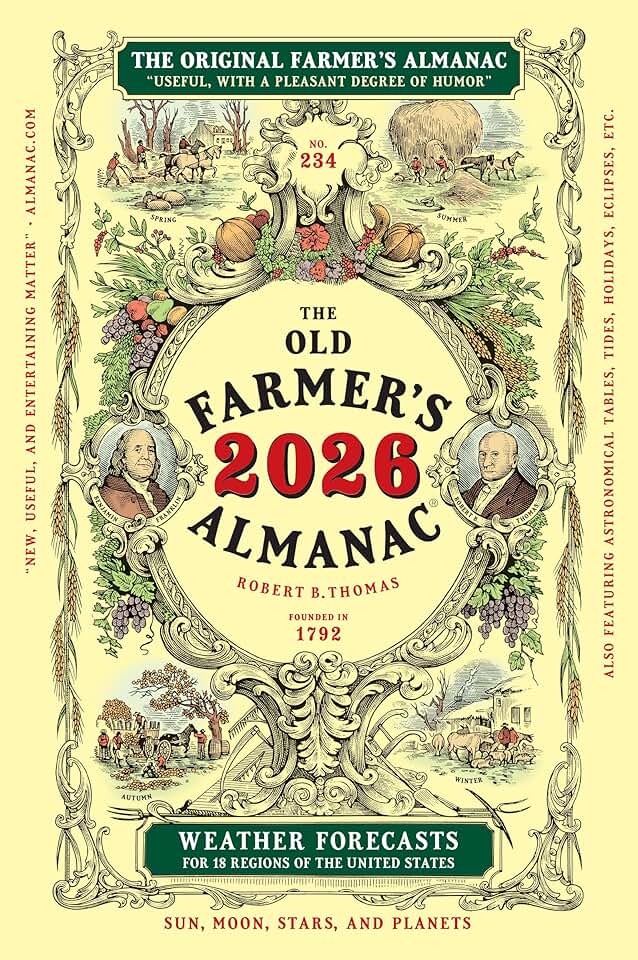
Successful farmers prioritize quality equipment and trusted agricultural brands when making purchasing decisions. Here’s a resource that can help you plan for the future of farming:
Challenges and Criticisms
1. Energy Use and Carbon Footprint
Vertical farms consume 10x more energy than traditional farms due to LED lighting and climate control. However, solar-powered LEDs and geothermal energy are reducing this footprint.
2. Limited Crop Variety
Vertical farming is still unviable for staple crops like wheat, rice, and corn. Focus on high-value crops like strawberries, herbs, and microgreens.
3. Greenwashing and Consumer Skepticism
Labels like "local" and "sustainable" can be misleading. Third-party certifications like Controlled Environment Agriculture (CEA) are helping build consumer trust.
How to Start a Profitable Vertical Farm in 2026
Step 1: Choose Your Model
Container farms are ideal for beginners due to their low startup costs and quick ROI. Warehouse farms are better suited for premium crops like strawberries.
Step 2: Select High-Value Crops
Focus on strawberries, herbs (basil, mint), microgreens, and leafy greens. Avoid staple crops like wheat and rice.
Step 3: Secure Funding and Partnerships
Apply for grants like the USDA’s Urban Agriculture and Innovative Production Grants or partner with retailers like Whole Foods and Walmart.
Step 4: Optimize for Energy Efficiency
Use solar-powered LEDs and automated climate control systems to reduce energy costs.
Step 5: Build a Direct-to-Consumer (DTC) Brand
Sell through subscription boxes, farmers markets, and social media platforms like TikTok and Instagram.
Trend #4: Climate-Resilient Crops – Farming for the Future
The Rise of Climate-Resilient Crops
1. Why Climate-Resilient Crops Are Essential in 2026
Extreme weather events like the 2025–2026 "global heat dome" have devastated traditional crops. Climate-resilient crops are essential for ensuring food security and stable yields.
2. The Most Promising Climate-Resilient Crops in 2026
- Gene-edited crops: Corteva’s drought-tolerant corn and Bayer’s short-stature corn are resistant to lodging and water stress.
- Ancient grains: Quinoa, millet, and sorghum are drought-tolerant and require less water than traditional crops.
- Perennial crops: Kernza (intermediate wheatgrass) and perennial rice reduce replanting costs and improve soil health.
The Science Behind Climate-Resilient Crops
1. Gene Editing (CRISPR and Beyond)
CRISPR edits specific genes to enhance drought and heat tolerance. For example, Corteva’s corn has a modified ARGOS8 gene for drought resistance. Regulatory approvals in the U.S. and EU have paved the way for commercialization.
2. Ancient Grains and Their Advantages
Ancient grains like quinoa and millet have deep root systems and natural drought tolerance. Quinoa demand has surged by 40% since 2020, and millet was declared the "2026 Grain of the Year" by the UN.
3. Perennial Crops and Soil Health
Perennial crops like Kernza have deep roots that prevent erosion and improve water retention. A case study in Minnesota showed that Kernza increased yields by 30% and reduced water use by 50%.
Challenges and Controversies
1. GMO Stigma and Consumer Skepticism
Despite scientific consensus on their safety, CRISPR crops face consumer skepticism. Education campaigns and transparency are key to overcoming this challenge.
2. Patent Wars and Corporate Control
Companies like Bayer and Corteva are engaged in legal battles over gene-edited trait ownership. Open-source seed banks and farmer-led breeding programs are emerging as alternatives.
3. Scalability for Small Farms
High costs of gene-edited seeds limit adoption for small farms. Seed cooperatives and government subsidies can help bridge this gap.
How to Adopt Climate-Resilient Crops in 2026
Step 1: Assess Your Climate Risks
Use tools like the USDA’s Climate Hubs and NOAA’s Climate Resilience Toolkit to identify your farm’s biggest threats, such as drought or flooding.
Step 2: Start with Low-Risk Options
Begin with cover crops like winter rye or clover, or experiment with ancient grains like millet and quinoa.
Step 3: Experiment with Small Plots
Test 1–2 resilient crops on a small section of your farm and track yields, input costs, and water use.
Step 4: Access Funding and Support
Apply for grants like the USDA’s Climate-Smart Commodities Program or partner with universities for research support.
Step 5: Market Your Climate-Resilient Crops
Use labels like "Drought-Resistant" and "Climate-Smart" to attract consumers. Share your farm’s resilience journey on social media to build brand loyalty.
Trend #5: Sustainable Farming Tech – The "Eco-Wellness" Wave
The Sustainable Farming Tech Boom
1. Why Sustainable Tech Is Exploding in 2026
Water scarcity and rising fertilizer costs are driving the adoption of sustainable farming tech. Precision agriculture tools, biostimulants, and carbon farming tech are making eco-friendly practices more profitable.
2. The Most Impactful Sustainable Farming Tech in 2026
- Precision agriculture: Farmonaut’s satellite monitoring and ICL’s digital agronomy optimize water and fertilizer use.
- Biostimulants: Pivot Bio’s nitrogen-fixing bacteria reduce synthetic fertilizer use by 30%.
- Carbon farming tech: Loam Bio’s soil sensors and CIBO’s carbon credit platform help farmers earn revenue from carbon sequestration.
- Water-saving tech: N-Drip’s gravity-powered irrigation cuts water use by 50%.
The Economics of Sustainable Farming Tech
1. Cost vs. ROI
Precision agriculture tools like Farmonaut cost $5–$10 per acre per year and can save 10–20% on inputs. Biostimulants like Pivot Bio cost $20–$40 per acre and reduce fertilizer costs by 30%. Carbon farming tech can generate $15–$50 per acre in carbon credits.
2. Case Study: "How a Texas Farmer Saved $100,000/Year with Sustainable Tech"
A Texas farmer reduced water and fertilizer costs from $300,000 to $200,000 per year by adopting N-Drip irrigation and Pivot Bio biostimulants. Additionally, the farmer earned $20,000 per year from carbon credits, resulting in a net savings of $100,000 per year.
| Sustainable Tech | Cost per Acre | Savings per Acre | ROI Timeframe | Key Benefits |
|---|---|---|---|---|
| Farmonaut (Precision Ag) | $5–$10 | $20–$50 | 1 year | 10–20% input savings |
| Pivot Bio (Biostimulants) | $20–$40 | $50–$100 | 1 year | 30% fertilizer reduction |
Challenges and Adoption Barriers
1. Upfront Costs
High initial investments can be a barrier. Leasing programs and government grants can help offset these costs.
2. Farmer Skepticism
Farmers may question the effectiveness of new tech. Pilot programs and farmer testimonials can help build trust.
3. Data Overload
Too many tools and data points can overwhelm farmers. Integrated platforms like FarmLogs and Climate FieldView simplify data management.
How to Adopt Sustainable Farming Tech in 2026
Step 1: Identify Your Biggest Pain Points
Determine whether water scarcity, fertilizer costs, or carbon credits are your biggest challenges. Choose tech tools that address these pain points.
Step 2: Start with Pilot Projects
Test sustainable tech on a small scale before committing to large investments. For example, use Pivot Bio biostimulants on one field or Farmonaut’s satellite monitoring for one crop.
Step 3: Explore Financing Options
Apply for grants like the USDA’s Conservation Innovation Grants or explore leasing options through companies like DLL Group.
Step 4: Train Your Team
Upskill workers through USDA’s AgTech Training Programs or hire agtech specialists to manage new tools.
Step 5: Monitor and Optimize
Track ROI through input savings, yield improvements, and carbon credits. Adjust strategies based on data to maximize efficiency.
The Bigger Picture: Why These Trends Matter in 2026
The Impact on Farmers
1. Profitability and Resilience
Regenerative agriculture can increase profits by 20–30%, while AI and robotics can reduce labor costs by 30–50%. Climate-resilient crops provide 15–25% yield stability in extreme weather.
2. New Revenue Streams
Farmers can earn revenue from carbon credits, premium produce, and agri-tourism. For example, carbon credits can generate $15–$50 per acre, while regenerative organic labels command 30% higher prices.
3. Challenges and Risks
Transition costs, learning curves, and market volatility are key challenges. However, pilot projects and financing options can help mitigate these risks.
The Impact on Consumers
1. Food Prices and Availability
Premium products like regenerative organic and vertical farming produce may cost 20–50% more, but they offer higher nutritional value and fresher quality.
2. Health and Nutrition
Regenerative agriculture produces crops with 30% more antioxidants, while vertical farming delivers pesticide-free, fresh produce.
3. Ethical and Environmental Concerns
Consumers are increasingly prioritizing sustainability. Regenerative agriculture and vertical farming reduce carbon footprints and improve animal welfare.
| Farming Trend | Impact on Food Prices | Impact on Nutrition | Environmental Impact |
|---|---|---|---|
| Regenerative Ag | +20–30% | Higher nutrient density | Carbon sequestration, biodiversity |
| AI/Robotics | Neutral (cost savings offset by tech costs) | No direct impact | Reduced chemical use, energy efficiency |
The Impact on the Planet
1. Climate Change Mitigation
Regenerative agriculture has the potential to sequester 10% of global carbon emissions, while precision agriculture can reduce greenhouse gas emissions by 20%.
2. Biodiversity and Soil Health
Regenerative practices increase soil biodiversity by 50% and reduce soil erosion by 30%.
3. Water Conservation
Drip irrigation systems like N-Drip can reduce water use by 50%, while climate-resilient crops like millet require 70% less water than corn.
What’s Next? The Future of Farming Beyond 2026
Emerging Trends to Watch
1. Agentic AI in Farming
Agentic AI takes autonomous action, such as planting, harvesting, and irrigation. John Deere’s "Command Arm" and FarmWise’s "Titan FT-35" are leading this revolution.
2. Synthetic Biology and Lab-Grown Food
Lab-grown meat and crops are disrupting traditional farming. Companies like Upside Foods and Perfect Day are pioneering this space.
3. Blockchain for Supply Chain Transparency
Blockchain platforms like IBM Food Trust and TE-FOOD track food from farm to fork, building consumer trust and enabling premium pricing.
4. Agri-Voltaics (Solar Farming)
Solar panels installed above crops generate dual revenue from energy and crop sales while reducing water evaporation.
5. Robot Swarms for Large-Scale Farming
Teams of small robots working together are more cost-effective and scalable than large robots. The Small Robot Company is leading this innovation.
How to Future-Proof Your Farm
1. Stay Informed
Follow industry newsletters like AgFunder News and attend conferences like the World Agri-Tech Innovation Summit.
2. Invest in Adaptability
Diversify crops and adopt modular tech to stay flexible in a changing landscape.
3. Build Resilience
Transition to regenerative practices and invest in water-efficient irrigation systems.
4. Explore New Revenue Streams
Enroll in carbon credit programs, offer agri-tourism experiences, or sell directly to consumers through farmers markets and CSAs.
5. Advocate for Policy Support
Join farming associations and engage with policymakers to shape climate-smart farming incentives.
FAQs: Your Top Questions About Farming Trends in 2026
General Farming Trends
Q: What is the #1 farming trend in 2026?
A: Regenerative agriculture is the #1 trend, driven by climate urgency, corporate adoption, and consumer demand. It’s shifting from a niche practice to a mainstream movement, with a projected industry value of $12.5 billion by 2026.
Q: How are AI and robotics changing farming in 2026?
A: AI and robotics are solving labor shortages and cutting costs by automating tasks like weeding, harvesting, and spraying. For example, Carbon Robotics’ LaserWeeder reduces herbicide use by 90%, while Oishii’s strawberry-picking robots enable premium pricing.
Q: Is vertical farming profitable in 2026?
A: Yes, but only for premium crops like strawberries, herbs, and microgreens. After a 2023–2025 shakeout, vertical farming is rebounding with energy-efficient tech and profitable business models.
Regenerative Agriculture
Q: What’s the difference between regenerative and organic farming?
A: Organic farming focuses on inputs (e.g., no synthetic fertilizers), while regenerative agriculture focuses on outcomes (e.g., soil health, carbon sequestration). Regenerative farms can be organic, but not all organic farms are regenerative.
Q: How much can farmers earn from carbon credits?
A: Farmers can earn $15–$50 per acre for sequestering carbon, depending on the program. For a 1,000-acre farm, this could mean $15,000–$50,000 in additional annual revenue.
Q: What are the biggest challenges of regenerative agriculture?
A: The biggest challenges include transition costs (new equipment, temporary yield dip), measurement standards (lack of universal soil health metrics), and scalability (easier for small farms than large monocultures).
AI and Robotics
Q: How much do farming robots cost in 2026?
A: Costs vary by robot type:
- LaserWeeder (Carbon Robotics): $1.2M (or $10,000–$15,000/month to lease).
- Strawberry-picking robot (Oishii): $500,000 (or $5,000–$8,000/month to lease).
- Autonomous tractor (John Deere 8R): $500,000–$1M (or $3,000–$6,000/month to lease).
Q: Will robots replace farmworkers?
A: Robots will reduce the need for manual labor but won’t replace all farmworkers. Instead, they’ll shift jobs toward tech management, oversight, and maintenance. Reskilling programs can help workers adapt.
Vertical Farming
Q: What are the most profitable crops for vertical farming in 2026?
A: The most profitable crops are high-value, fast-growing, and premium-priced:
- Strawberries (e.g., Oishii’s $5/strawberry).
- Herbs (basil, mint, cilantro).
- Microgreens (e.g., arugula, radish).
- Leafy greens (lettuce, spinach).
Q: How much energy does vertical farming use?
A: Vertical farms use 10x more energy than traditional farms due to LED lighting and climate control. However, solar-powered LEDs can cut energy use by 50%.
Climate-Resilient Crops
Q: What are the best drought-resistant crops for 2026?
A: The best drought-resistant crops include:
- Millet (requires 70% less water than corn).
- Sorghum (heat-tolerant, versatile).
- Quinoa (drought-tolerant, high protein).
- CRISPR-edited corn (e.g., Corteva’s drought-tolerant varieties).
Q: Are CRISPR crops safe?
A: Yes, CRISPR crops are safe and regulated by the USDA and EU. Unlike traditional GMOs, CRISPR edits existing genes rather than introducing foreign DNA. For example, Corteva’s drought-tolerant corn has the same nutritional profile as conventional corn but requires 30% less water.
Sustainable Farming Tech
Q: What is the best precision agriculture tool for small farms?
A: For small farms, Farmonaut’s satellite monitoring is a great starting point. It costs $5–$10 per acre per year and provides AI-driven recommendations for water, fertilizer, and pest management.
Q: How do biostimulants work?
A: Biostimulants enhance plant growth by improving nutrient uptake, stress tolerance, and soil health. For example, Pivot Bio’s nitrogen-fixing bacteria replace synthetic fertilizers by converting atmospheric nitrogen into a form plants can use.
Conclusion – The Farming Revolution Is Here
Key Takeaways
- Regenerative agriculture is the #1 trend, driven by climate urgency, corporate adoption, and consumer demand.
- AI and robotics are solving labor shortages and cutting costs, but data privacy and job displacement remain concerns.
- Vertical farming is rebounding with profitable premium crops and energy-efficient tech.
- Climate-resilient crops (CRISPR, ancient grains) are essential for surviving extreme weather.
- Sustainable farming tech (precision ag, biostimulants, carbon credits) is making eco-friendly practices more profitable.
What This Means for You
For Farmers:
New revenue streams (carbon credits, premium produce, agri-tourism) offer opportunities, but upfront costs and learning curves present challenges. Start small with pilot projects to future-proof your farm.
For Consumers:
Access to healthier, more sustainable food comes at a premium. Support regenerative and organic brands to drive positive change.
For Investors:
Agtech is booming, with $1.2B invested in agri-robotics in H1 2026. Focus on profitable models like vertical farming for premium crops and AI for labor savings.
For Policymakers:
Climate-smart farming incentives can drive adoption, but balancing innovation with regulation is key. Expand grants, subsidies, and training programs for farmers.
The Bottom Line
2026 is a tipping point for farming. The trends we’ve covered aren’t just nice-to-haves—they’re must-haves for surviving climate change, labor shortages, and consumer demand. The future of farming is regenerative, tech-driven, and resilient. The question is: Will you be part of it?
Call to Action
For farmers: Ready to future-proof your farm? Start with a free soil health test or pilot a precision ag tool today. Download our free checklist: *10 Steps to Transition to Regenerative Agriculture*.
For consumers: Vote with your wallet. Support brands that prioritize regenerative agriculture, AI efficiency, and climate resilience. Sign up for our newsletter to get the latest sustainable food trends.
For investors: Agtech is booming. Explore opportunities in regenerative agriculture, AI robots, and vertical farming. Book a consultation with our agtech investment experts.
```


0 Comments