

Estimated Reading Time: 12 minutes
TL;DR: Key Points
- Maize diseases like MLND and Fall Armyworm are reducing yields; switch to drought-resistant crops.
- Sorghum, millet, and cassava offer higher resilience and require fewer inputs.
- Kenya and East Africa embrace sustainable and organic farming trends.
- Strategic planning is crucial for transitioning to new crop varieties.
Key Takeaways
- Sorghum and millet outperform maize in drought scenarios.
- Implement step-by-step soil preparation and seed sourcing for smooth transition.
- Engage market linkages for profitable off-take agreements.
Table of Contents
- Background & Context
- Key Insights or Strategies
- Case Studies, Examples, or Comparisons
- Common Mistakes to Avoid
- Expert Tips or Best Practices
- Future Trends or Predictions
- Conclusion
- FAQs
Background & Context
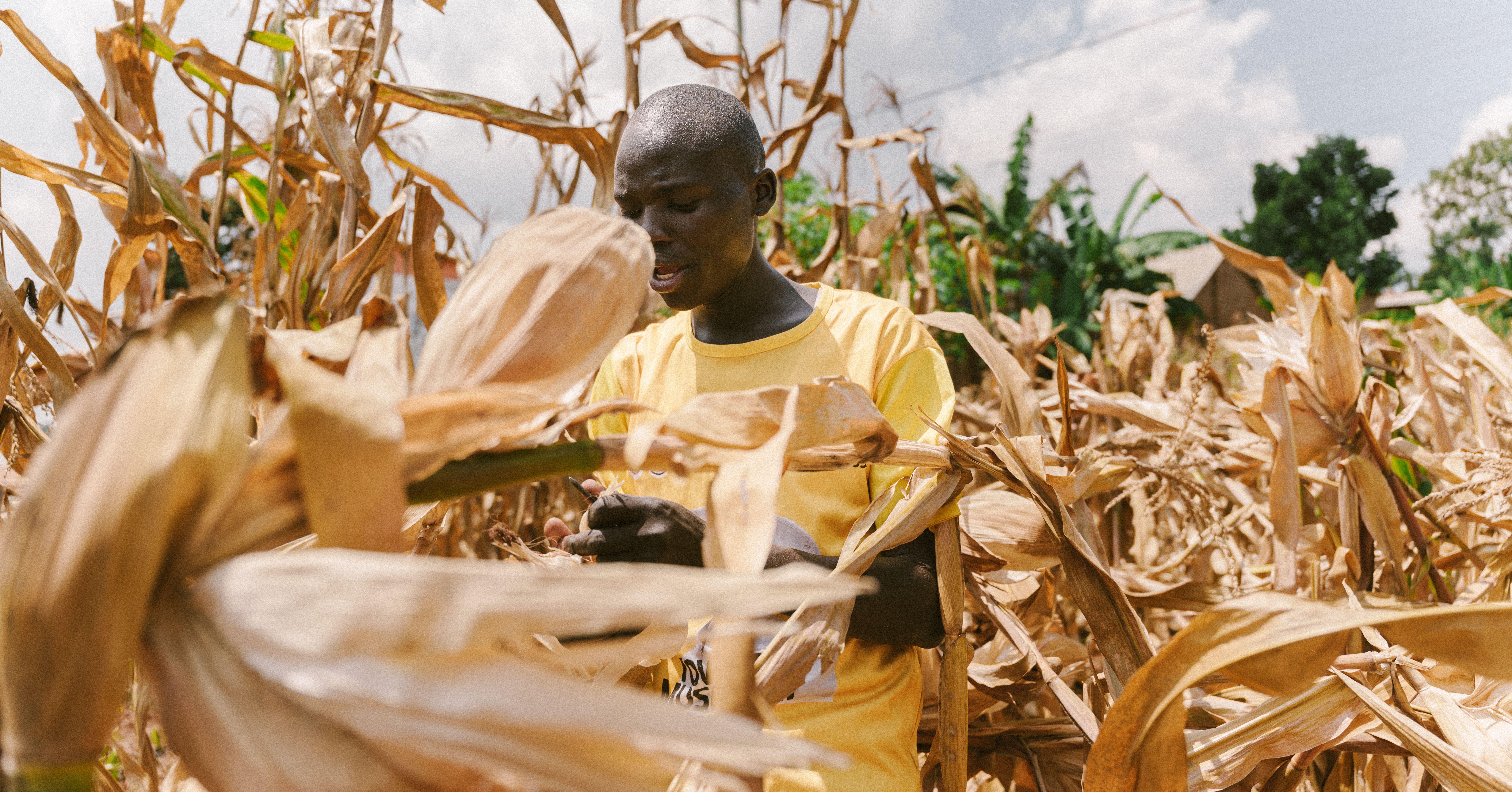
Kenya's agriculture is facing the urgent challenge of maize crop diseases like Maize Lethal Necrosis Disease (MLND) and Fall Armyworm. These diseases are reducing yields up to 70%. As a result, farmers are turning to drought-resistant crops
Key Insights or Strategies
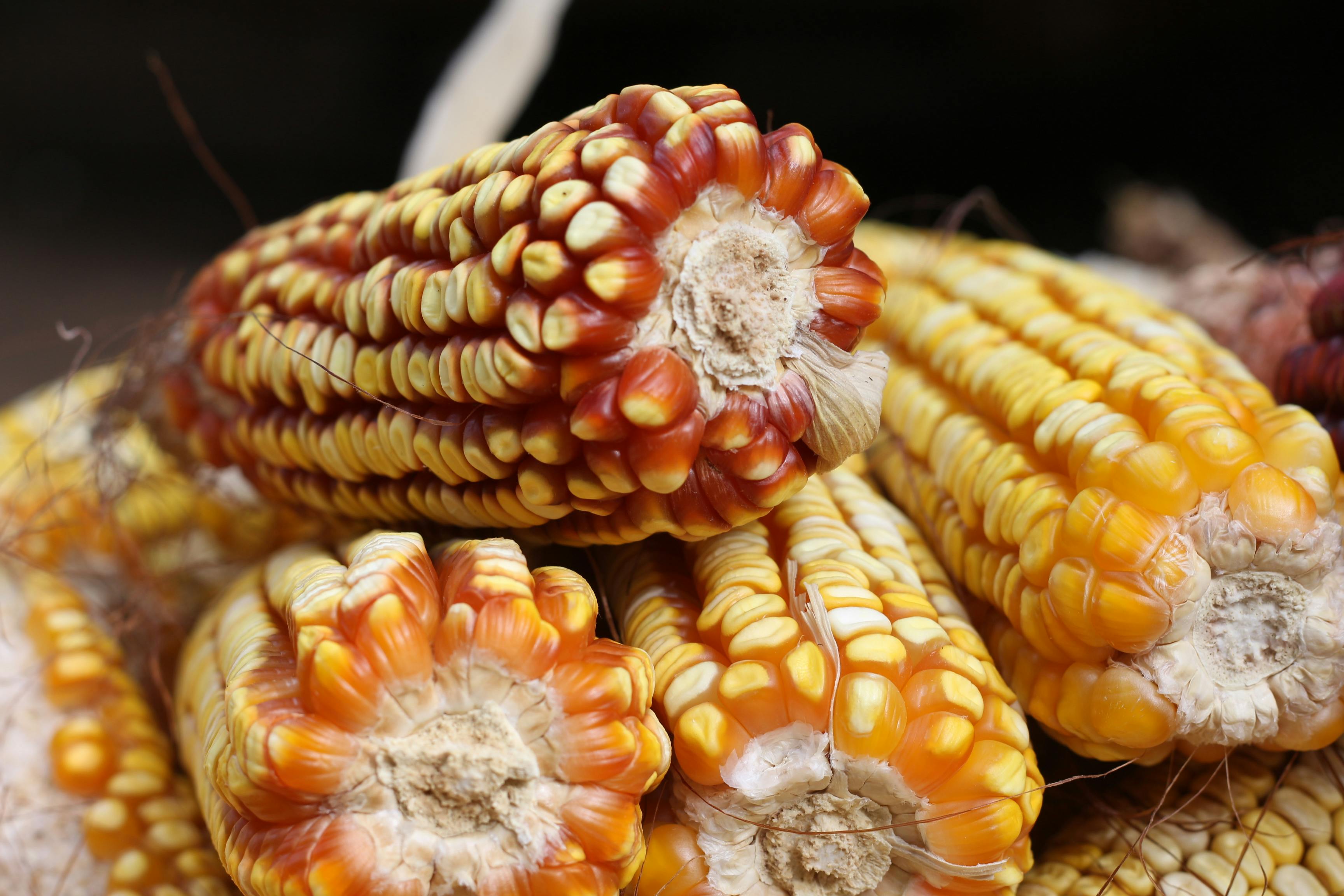
Critical Crop Selection: Sorghum and Millet
Choosing the right crop is critical. Sorghum and millet have shown resilience in drought-prone areas, as proven by KALRO trials.
Boost your yields with the Soil pH & Moisture Tester Kit – available on Amazon.
Explore sustainable organic farming solutions with Biofarm Kenya
Interested in sustainable irrigation? Check out this Raindrip R560DP Drip Watering System, ideal for small farms.
Case Studies, Examples, or Comparisons
Kenyan farmers, such as those in Vihiga County, show successful transitions to organic and agroecological systems (Source: IJRISS).
Common Mistakes to Avoid
- Improper irrigation leading to waste: Ensure you use efficient systems like drip irrigation.
- Failure to rotate crops: Rotating aids in maintaining soil fertility.
- Overreliance on chemical fertilizers without soil testing: Test soil for balanced nutrient application.
Expert Tips or Best Practices
Utilize compost to improve soil health and fertility.
Consider using an Organic Compost Starter Mix for balanced soil nutrition.
Future Trends or Predictions
The future points towards innovations like smart irrigation systems, which adapt water usage based on real-time analytics. AI-driven crop monitoring is also expected to transform agricultural productivity.
Conclusion
Transitioning to drought-resistant crops is not just a sustainable choice but a necessary adaptation to ensure food security. Discover trusted organic farming tools on Amazon and learn more about sustainable solutions with Biofarm Kenya.
FAQs
- What are the advantages of switching to sorghum over maize?
Sorghum is drought-resistant, requires fewer inputs, and withstands harsh climatic conditions (FAO). - How can farmers integrate agroforestry into their farming?
Utilize diverse vegetation including trees along with crops to enhance ecosystem sustainability (World Agroforestry). - Are there market opportunities for millet in Kenya?
Yes, millet is gaining attention in both local and international markets due to its nutritional benefits (Kenya Agriculture Authority). - What is the role of government in promoting sustainable farming?
The government provides incentives and support programs for farmers transitioning to sustainable agriculture (KALRO). - How can I start my own organic farm?
Begin by testing your soil, sourcing organic seeds, and seeking guidance from organizations like Biofarm Kenya (Biofarm Kenya). - What technologies can aid in sustainable farming in East Africa?
Technologies such as GIS, remote sensing, and smart irrigation systems support informed decision-making in farming practices (African Agri Expo).


0 Comments