

Estimated Reading Time: 9 minutes
TL;DR:
Key Takeaways:
Table of Contents:
Introduction: Unearthing the Silent Exclusion
Kenya, a nation deeply rooted in its agricultural heritage, stands at a critical juncture. As climate change intensifies, the urgency to adopt resilient farming practices has never been greater. Yet, beneath the surface of promising climate agriculture initiatives, a disturbing phenomenon is taking root, one that can be aptly described as Kenya's billion-shilling farm fitness scam. This isn't a scam in the traditional sense of overt fraud, but rather a systemic, often unintentional, exclusion of the very backbone of the nation's food security: its smallholder farmers. While profitable climate agriculture flourishes for some, it is tragically locking out smallholders, deepening wealth gaps, and threatening long-term sustainability. It's time to truly uncover Kenya's billion-shilling farm fitness scam. See how profitable climate agriculture is locking out smallholders, deepening wealth gaps. Understand the exclusion. The growing disparity creates an agricultural landscape where the rich get richer, while millions of small-scale producers struggle to survive, denied access to the very tools and knowledge that could secure their future and the nation's food supply.
Background & Context: The Shifting Sands of Kenyan Agriculture
Agriculture remains the cornerstone of Kenya's economy, contributing over 30% to the Gross Domestic Product (GDP) and employing more than 70% of the rural workforce. Smallholder farmers, operating on plots typically less than two hectares, produce the majority of the nation's food. However, this vital sector is increasingly vulnerable to the erratic shifts brought by climate change, including prolonged droughts, unpredictable rainfall, and increased pest infestations. These climate shocks have dire consequences for smallholders, who often lack the resources to adapt.
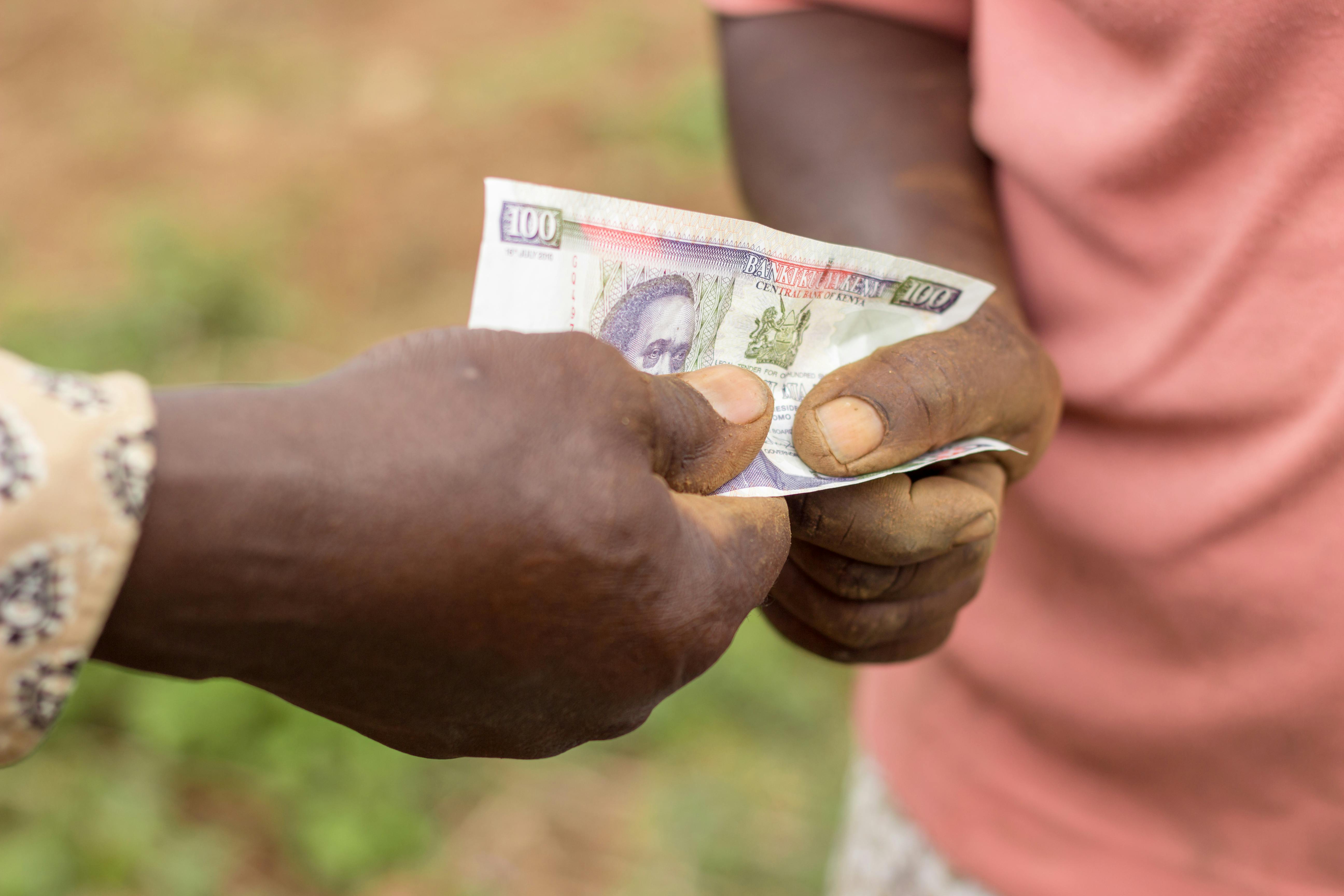
Recent studies highlight the devastating impact: an alarming 53% of smallholder farmers in Western Kenya have reported reduced crop productivity, while 28% face complete crop failure due to climate change impacts (Musafiri, 2022). This directly translates to increased food insecurity, a challenge reported by 24% of farmers. Furthermore, 87.29% of livelihoods are impacted by food shortages, and 76.27% by increased food prices (ResearchGate). While climate-smart agriculture (CSA) offers a pathway to resilience, its adoption among smallholders is critically low, primarily due to significant economic barriers and systemic inequalities that effectively lock them out of the very solutions designed to help them.
Key Insights: The Mechanisms of Exclusion
The 'farm fitness scam' in Kenya isn't a singular event but a web of systemic issues that create an unfair playing field. The profitability of climate agriculture often goes hand-in-hand with investments in technology, knowledge, and infrastructure that are largely inaccessible to smallholder farmers. This perpetuates a cycle of exclusion, making it difficult for them to adapt and thrive.
Financial Barriers and Access to Credit
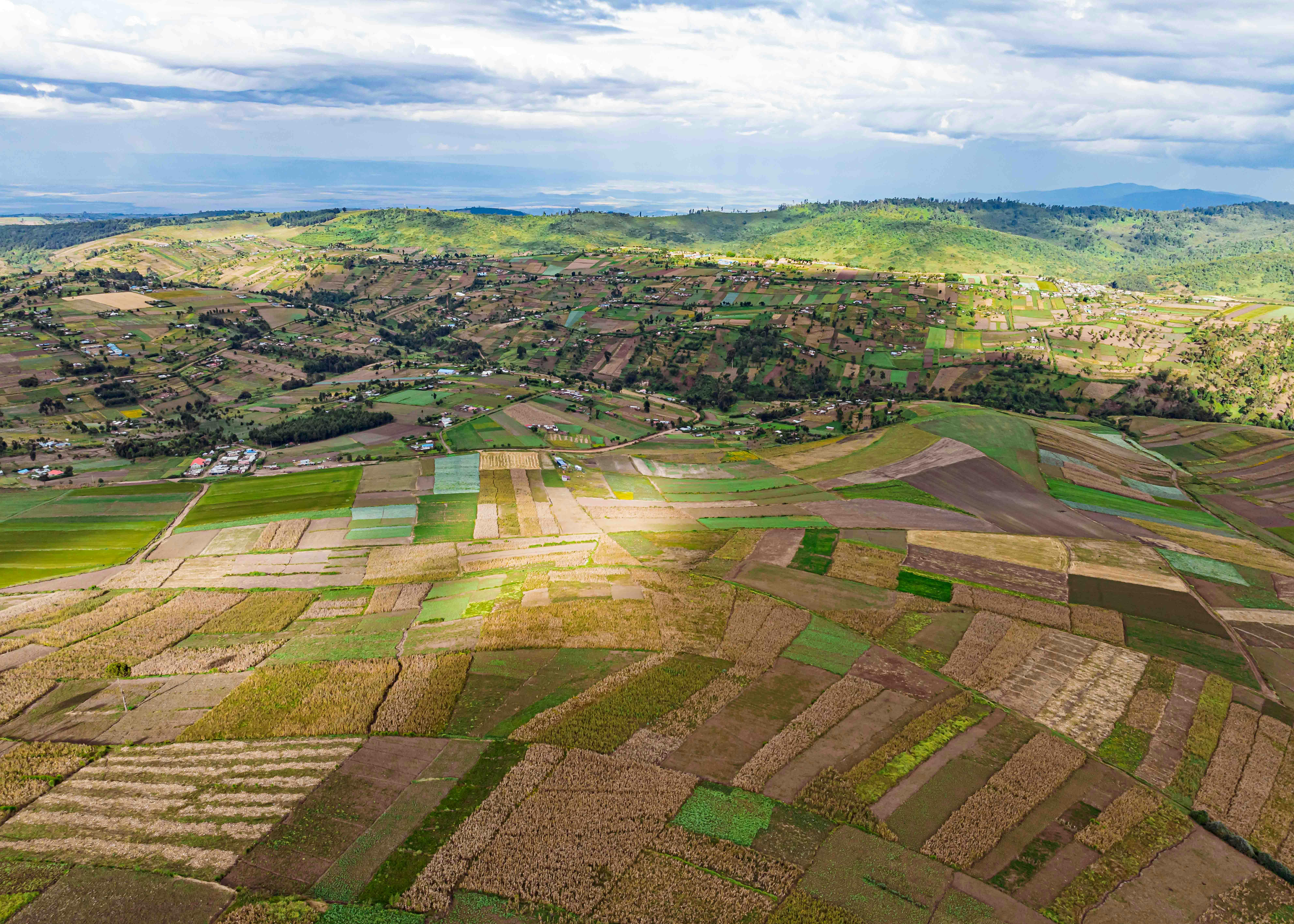
One of the most significant hurdles for smallholder farmers is the lack of access to adequate financial resources. Adopting climate-smart practices, such as drought-resistant seeds, efficient irrigation systems, or agroforestry, requires upfront investment. Many smallholders operate on thin margins, lacking the collateral or credit history required by commercial banks. Research indicates that poverty and limited access to financial resources are the leading explanations for the low uptake of CSA practices in Kenya (Springer Nature Link). While Kenya's agricultural sector required an estimated KES 130 billion in credit in 2015, only KES 40 billion was available, leaving a significant financing gap, especially for small-scale producers (DfID Report citing World Bank, 2018). This financial exclusion ensures that only those with existing capital can 'afford' climate resilience, leaving the majority behind.
Actionable Steps to Address Financial Exclusion:
Land Ownership and Tenure Insecurity
Land is the primary asset for farmers, yet in Kenya, land ownership remains highly unequal and often insecure, particularly for women. A significant imbalance persists, with an economic survey revealing that just 12% of women own land in Kenya (Citizen TV Kenya). This lack of secure tenure discourages long-term investments in land improvement, such as terracing, tree planting, or permanent irrigation structures—all crucial components of climate resilience. Without ownership or long-term leases, farmers are less likely to adopt practices that yield benefits over many years, as they fear losing their investment or land.
Technological and Knowledge Divide
Climate-smart agriculture encompasses a range of innovative techniques, from precision farming and improved seed varieties to advanced water harvesting and soil conservation methods. However, smallholder farmers often lack access to the necessary information, training, and technology. Extension services, while present, struggle to reach remote areas effectively, and the cost of new technologies can be prohibitive. The result is a significant knowledge and technological gap, preventing widespread adoption and further entrenching the 'scam' where only well-resourced farms can truly be 'climate-fit.'
To truly empower Kenya's smallholder farmers and address these systemic issues, proactive and inclusive strategies are essential. For those seeking comprehensive solutions and a deeper dive into sustainable practices, you can Explore sustainable living solutions with Eco-Oasis Firm.
Case Studies, Examples, or Comparisons
The contrast between large-scale, well-capitalized climate-smart agricultural enterprises and smallholder farms in Kenya illustrates the deepening wealth gap. While some large commercial farms can invest in sophisticated drip irrigation, drone-assisted crop monitoring, and advanced post-harvest technologies, smallholders often rely on traditional methods, making them highly susceptible to climate variations.
The Avocado Boom and Smallholder Exclusion
Consider the recent boom in avocado farming in Kenya, a lucrative export crop that has seen significant investment in climate-resilient varieties and sophisticated farming techniques. While large-scale growers benefit from direct market access, certifications for international standards, and capital for irrigation and pest control, many smallholder avocado farmers struggle. They face challenges such as limited access to certified seedlings, lack of knowledge on best practices for disease management, and difficulty meeting stringent export quality standards. This creates a scenario where the profitability of a climate-resilient crop like avocado disproportionately benefits larger players, leaving smallholders with lower yields and weaker market positions. Despite the potential for improved household income, uptake of stress-tolerant crops like certain avocado varieties often requires initial capital and market linkages that are out of reach for many (Ogada, 2020).
Community-Led Initiatives vs. Top-Down Projects
In some regions, community-led initiatives demonstrate the potential for smallholder resilience when supported appropriately. For instance, the Makueni County's sand dam initiatives, though not exclusively climate-smart, represent a community-driven approach to water harvesting and conservation. These projects empower local communities to manage water resources collectively, leading to increased water availability for irrigation and domestic use during dry seasons. Such initiatives highlight that effective climate adaptation doesn't always require massive capital but rather appropriate technology, community engagement, and local ownership. In contrast, large, donor-funded climate-smart agriculture projects, while well-intentioned, sometimes struggle with sustainability and smallholder uptake if they don't adequately address local contexts, power dynamics, and financial accessibility. The Kenya Climate-Smart Agriculture Project (KCSAP), a USD 250 million initiative, aims to increase agricultural productivity and build resilience for smallholder farming communities (World Bank), demonstrating the significant investment needed, yet underscoring the ongoing challenge of ensuring equitable distribution of benefits.
Common Mistakes to Avoid
To genuinely foster inclusive climate resilience in Kenyan agriculture, it's crucial to acknowledge and avoid common pitfalls that perpetuate the exclusion of smallholders:
Expert Tips or Best Practices
Empowering smallholder farmers in Kenya to become climate-resilient requires a multi-faceted approach, combining policy support with practical, on-the-ground interventions. These expert tips focus on inclusive strategies that address the core issues of the 'farm fitness scam.'
1. Enhance Access to Tailored Agricultural Credit and Insurance:
2. Secure Land Tenure and Promote Sustainable Land Management:
3. Strengthen Extension Services and Knowledge Transfer:
4. Foster Market Linkages and Value Addition:
By focusing on these practical and inclusive strategies, Kenya can move beyond the 'farm fitness scam' and build a truly resilient and equitable agricultural sector. For more tools and techniques to build a sustainable future, Explore sustainable living solutions with Eco-Oasis Firm.
Future Trends or Predictions
The future of Kenyan agriculture is intrinsically linked to its response to climate change and its commitment to inclusivity. Several trends are likely to shape the landscape, offering both opportunities and challenges for smallholder farmers.
The trajectory of these trends will largely depend on policy frameworks that actively champion smallholder inclusion, ensuring that technological advancements and financial flows are democratized rather than concentrated. Without such deliberate efforts, the 'farm fitness scam' of exclusion could continue to deepen, jeopardizing Kenya's food security and social equity.
Conclusion: Reclaiming the Promise of Climate-Smart Agriculture
The notion of Kenya's billion-shilling farm fitness scam serves as a stark reminder that progress in climate agriculture, while vital, must be fundamentally equitable. The current trajectory, which disproportionately benefits large-scale operations and inadvertently excludes millions of smallholder farmers, threatens to unravel the very fabric of rural livelihoods and national food security. The deepening wealth gaps are not just an economic issue but a humanitarian crisis, undermining the potential for a truly resilient and sustainable agricultural sector in Kenya. It is imperative that we move beyond a mere acknowledgment of the problem to concerted, inclusive action.
To genuinely uncover Kenya's billion-shilling farm fitness scam, see how profitable climate agriculture is locking out smallholders, deepening wealth gaps, and understand the exclusion, we must dismantle the systemic barriers that prevent smallholders from accessing finance, secure land tenure, and appropriate technologies. Policy reforms, targeted financial instruments, robust extension services, and a renewed focus on community-led initiatives are not just options; they are necessities. Only by prioritizing the empowerment of every farmer, regardless of the size of their plot, can Kenya build an agricultural future that is not only profitable and climate-resilient but also just and inclusive for all its citizens.
Join Eco-Oasis Firm in advocating for a fairer, greener future for Kenyan agriculture. Take the first step towards informed, sustainable choices. Explore sustainable living solutions with Eco-Oasis Firm.
FAQs
- What are the primary challenges smallholder farmers face in Kenya?Smallholder farmers in Kenya face a myriad of challenges, including limited access to credit and financial services, insecure land tenure, dependence on rain-fed agriculture making them vulnerable to climate change, lack of access to improved seeds and modern technologies, and poor market linkages. These factors collectively hinder their productivity and ability to adapt to environmental shifts. For more details, see findings on economic barriers from Springer Nature Link.How does climate change specifically impact agriculture in Kenya?Climate change manifests in Kenya through increased frequency and intensity of droughts, erratic rainfall patterns, higher temperatures, and new pest and disease outbreaks. For smallholders, this leads to significant crop losses, reduced yields, livestock deaths, increased food insecurity, and higher food prices. Studies show that 53% of farmers report reduced crop productivity due to these impacts (Musafiri, 2022).What is climate-smart agriculture (CSA), and how can it help?Climate-smart agriculture (CSA) is an approach that aims to achieve three main objectives: sustainably increasing agricultural productivity and incomes, adapting and building resilience to climate change, and reducing greenhouse gas emissions. Practices include drought-resistant crops, water harvesting, agroforestry, conservation agriculture, and improved livestock management. When accessible, CSA can significantly enhance food security and farmer livelihoods.What are the economic barriers preventing smallholders from adopting CSA in Kenya?The main economic barriers include the high upfront cost of CSA technologies and inputs (e.g., certified seeds, irrigation equipment), lack of access to affordable credit, and limited financial literacy. Many smallholders operate without formal banking services, making it difficult to secure loans or invest in long-term solutions. Financial problems are consistently cited as a major challenge (Wakweya, 2023).What role does land ownership play in smallholder exclusion from profitable climate agriculture?Secure land ownership is crucial for smallholders to invest in long-term climate-smart practices. Without clear title deeds or long-term leases, farmers are hesitant to plant trees, build permanent irrigation systems, or engage in extensive soil conservation, as they lack assurance that they will benefit from these investments. This issue is particularly acute for women, who often have limited land rights, with only 12% reportedly owning land (Citizen TV Kenya).What policies and initiatives are in place to support climate-smart agriculture for smallholders in Kenya?Kenya has developed a Climate Smart Agriculture Strategy and various projects, such as the Kenya Climate-Smart Agriculture Project (KCSAP), aimed at increasing productivity and resilience among smallholder and pastoral communities. These initiatives focus on upscaling climate-smart practices, strengthening research, and supporting market access. However, effective implementation and addressing underlying systemic barriers remain ongoing challenges (Kenya Climate Smart Agriculture Strategy).
External Authoritative Links:
Internal Link Suggestions for Eco-Oasis Firm (Example Anchor Texts):
Estimated Reading Time: 9 minutes
TL;DR:
Key Takeaways:
Table of Contents:
Introduction: Unearthing the Silent Exclusion
Kenya, a nation deeply rooted in its agricultural heritage, stands at a critical juncture. As climate change intensifies, the urgency to adopt resilient farming practices has never been greater. Yet, beneath the surface of promising climate agriculture initiatives, a disturbing phenomenon is taking root, one that can be aptly described as Kenya's billion-shilling farm fitness scam. This isn't a scam in the traditional sense of overt fraud, but rather a systemic, often unintentional, exclusion of the very backbone of the nation's food security: its smallholder farmers. While profitable climate agriculture flourishes for some, it is tragically locking out smallholders, deepening wealth gaps, and threatening long-term sustainability. It's time to truly uncover Kenya's billion-shilling farm fitness scam. See how profitable climate agriculture is locking out smallholders, deepening wealth gaps. Understand the exclusion. The growing disparity creates an agricultural landscape where the rich get richer, while millions of small-scale producers struggle to survive, denied access to the very tools and knowledge that could secure their future and the nation's food supply.
Background & Context: The Shifting Sands of Kenyan Agriculture
Agriculture remains the cornerstone of Kenya's economy, contributing over 30% to the Gross Domestic Product (GDP) and employing more than 70% of the rural workforce. Smallholder farmers, operating on plots typically less than two hectares, produce the majority of the nation's food. However, this vital sector is increasingly vulnerable to the erratic shifts brought by climate change, including prolonged droughts, unpredictable rainfall, and increased pest infestations. These climate shocks have dire consequences for smallholders, who often lack the resources to adapt.
Recent studies highlight the devastating impact: an alarming 53% of smallholder farmers in Western Kenya have reported reduced crop productivity, while 28% face complete crop failure due to climate change impacts (Musafiri, 2022). This directly translates to increased food insecurity, a challenge reported by 24% of farmers. Furthermore, 87.29% of livelihoods are impacted by food shortages, and 76.27% by increased food prices (ResearchGate). While climate-smart agriculture (CSA) offers a pathway to resilience, its adoption among smallholders is critically low, primarily due to significant economic barriers and systemic inequalities that effectively lock them out of the very solutions designed to help them.
Key Insights: The Mechanisms of Exclusion
The 'farm fitness scam' in Kenya isn't a singular event but a web of systemic issues that create an unfair playing field. The profitability of climate agriculture often goes hand-in-hand with investments in technology, knowledge, and infrastructure that are largely inaccessible to smallholder farmers. This perpetuates a cycle of exclusion, making it difficult for them to adapt and thrive.
Financial Barriers and Access to Credit
One of the most significant hurdles for smallholder farmers is the lack of access to adequate financial resources. Adopting climate-smart practices, such as drought-resistant seeds, efficient irrigation systems, or agroforestry, requires upfront investment. Many smallholders operate on thin margins, lacking the collateral or credit history required by commercial banks. Research indicates that poverty and limited access to financial resources are the leading explanations for the low uptake of CSA practices in Kenya (Springer Nature Link). While Kenya's agricultural sector required an estimated KES 130 billion in credit in 2015, only KES 40 billion was available, leaving a significant financing gap, especially for small-scale producers (DfID Report citing World Bank, 2018). This financial exclusion ensures that only those with existing capital can 'afford' climate resilience, leaving the majority behind.
Actionable Steps to Address Financial Exclusion:
Land Ownership and Tenure Insecurity
Land is the primary asset for farmers, yet in Kenya, land ownership remains highly unequal and often insecure, particularly for women. A significant imbalance persists, with an economic survey revealing that just 12% of women own land in Kenya (Citizen TV Kenya). This lack of secure tenure discourages long-term investments in land improvement, such as terracing, tree planting, or permanent irrigation structures—all crucial components of climate resilience. Without ownership or long-term leases, farmers are less likely to adopt practices that yield benefits over many years, as they fear losing their investment or land.
Technological and Knowledge Divide
Climate-smart agriculture encompasses a range of innovative techniques, from precision farming and improved seed varieties to advanced water harvesting and soil conservation methods. However, smallholder farmers often lack access to the necessary information, training, and technology. Extension services, while present, struggle to reach remote areas effectively, and the cost of new technologies can be prohibitive. The result is a significant knowledge and technological gap, preventing widespread adoption and further entrenching the 'scam' where only well-resourced farms can truly be 'climate-fit.'
To truly empower Kenya's smallholder farmers and address these systemic issues, proactive and inclusive strategies are essential. For those seeking comprehensive solutions and a deeper dive into sustainable practices, you can Explore sustainable living solutions with Eco-Oasis Firm.
Case Studies, Examples, or Comparisons
The contrast between large-scale, well-capitalized climate-smart agricultural enterprises and smallholder farms in Kenya illustrates the deepening wealth gap. While some large commercial farms can invest in sophisticated drip irrigation, drone-assisted crop monitoring, and advanced post-harvest technologies, smallholders often rely on traditional methods, making them highly susceptible to climate variations.
The Avocado Boom and Smallholder Exclusion
Consider the recent boom in avocado farming in Kenya, a lucrative export crop that has seen significant investment in climate-resilient varieties and sophisticated farming techniques. While large-scale growers benefit from direct market access, certifications for international standards, and capital for irrigation and pest control, many smallholder avocado farmers struggle. They face challenges such as limited access to certified seedlings, lack of knowledge on best practices for disease management, and difficulty meeting stringent export quality standards. This creates a scenario where the profitability of a climate-resilient crop like avocado disproportionately benefits larger players, leaving smallholders with lower yields and weaker market positions. Despite the potential for improved household income, uptake of stress-tolerant crops like certain avocado varieties often requires initial capital and market linkages that are out of reach for many (Ogada, 2020).
Community-Led Initiatives vs. Top-Down Projects
In some regions, community-led initiatives demonstrate the potential for smallholder resilience when supported appropriately. For instance, the Makueni County's sand dam initiatives, though not exclusively climate-smart, represent a community-driven approach to water harvesting and conservation. These projects empower local communities to manage water resources collectively, leading to increased water availability for irrigation and domestic use during dry seasons. Such initiatives highlight that effective climate adaptation doesn't always require massive capital but rather appropriate technology, community engagement, and local ownership. In contrast, large, donor-funded climate-smart agriculture projects, while well-intentioned, sometimes struggle with sustainability and smallholder uptake if they don't adequately address local contexts, power dynamics, and financial accessibility. The Kenya Climate-Smart Agriculture Project (KCSAP), a USD 250 million initiative, aims to increase agricultural productivity and build resilience for smallholder farming communities (World Bank), demonstrating the significant investment needed, yet underscoring the ongoing challenge of ensuring equitable distribution of benefits.
Common Mistakes to Avoid
To genuinely foster inclusive climate resilience in Kenyan agriculture, it's crucial to acknowledge and avoid common pitfalls that perpetuate the exclusion of smallholders:
Expert Tips or Best Practices
Empowering smallholder farmers in Kenya to become climate-resilient requires a multi-faceted approach, combining policy support with practical, on-the-ground interventions. These expert tips focus on inclusive strategies that address the core issues of the 'farm fitness scam.'
1. Enhance Access to Tailored Agricultural Credit and Insurance:
2. Secure Land Tenure and Promote Sustainable Land Management:
3. Strengthen Extension Services and Knowledge Transfer:
4. Foster Market Linkages and Value Addition:
By focusing on these practical and inclusive strategies, Kenya can move beyond the 'farm fitness scam' and build a truly resilient and equitable agricultural sector. For more tools and techniques to build a sustainable future, Explore sustainable living solutions with Eco-Oasis Firm.
Future Trends or Predictions
The future of Kenyan agriculture is intrinsically linked to its response to climate change and its commitment to inclusivity. Several trends are likely to shape the landscape, offering both opportunities and challenges for smallholder farmers.
The trajectory of these trends will largely depend on policy frameworks that actively champion smallholder inclusion, ensuring that technological advancements and financial flows are democratized rather than concentrated. Without such deliberate efforts, the 'farm fitness scam' of exclusion could continue to deepen, jeopardizing Kenya's food security and social equity.
Conclusion: Reclaiming the Promise of Climate-Smart Agriculture
The notion of Kenya's billion-shilling farm fitness scam serves as a stark reminder that progress in climate agriculture, while vital, must be fundamentally equitable. The current trajectory, which disproportionately benefits large-scale operations and inadvertently excludes millions of smallholder farmers, threatens to unravel the very fabric of rural livelihoods and national food security. The deepening wealth gaps are not just an economic issue but a humanitarian crisis, undermining the potential for a truly resilient and sustainable agricultural sector in Kenya. It is imperative that we move beyond a mere acknowledgment of the problem to concerted, inclusive action.
To genuinely uncover Kenya's billion-shilling farm fitness scam, see how profitable climate agriculture is locking out smallholders, deepening wealth gaps, and understand the exclusion, we must dismantle the systemic barriers that prevent smallholders from accessing finance, secure land tenure, and appropriate technologies. Policy reforms, targeted financial instruments, robust extension services, and a renewed focus on community-led initiatives are not just options; they are necessities. Only by prioritizing the empowerment of every farmer, regardless of the size of their plot, can Kenya build an agricultural future that is not only profitable and climate-resilient but also just and inclusive for all its citizens.
Join Eco-Oasis Firm in advocating for a fairer, greener future for Kenyan agriculture. Take the first step towards informed, sustainable choices. Explore sustainable living solutions with Eco-Oasis Firm.
FAQs
- What are the primary challenges smallholder farmers face in Kenya?Smallholder farmers in Kenya face a myriad of challenges, including limited access to credit and financial services, insecure land tenure, dependence on rain-fed agriculture making them vulnerable to climate change, lack of access to improved seeds and modern technologies, and poor market linkages. These factors collectively hinder their productivity and ability to adapt to environmental shifts. For more details, see findings on economic barriers from Springer Nature Link.How does climate change specifically impact agriculture in Kenya?Climate change manifests in Kenya through increased frequency and intensity of droughts, erratic rainfall patterns, higher temperatures, and new pest and disease outbreaks. For smallholders, this leads to significant crop losses, reduced yields, livestock deaths, increased food insecurity, and higher food prices. Studies show that 53% of farmers report reduced crop productivity due to these impacts (Musafiri, 2022).What is climate-smart agriculture (CSA), and how can it help?Climate-smart agriculture (CSA) is an approach that aims to achieve three main objectives: sustainably increasing agricultural productivity and incomes, adapting and building resilience to climate change, and reducing greenhouse gas emissions. Practices include drought-resistant crops, water harvesting, agroforestry, conservation agriculture, and improved livestock management. When accessible, CSA can significantly enhance food security and farmer livelihoods.What are the economic barriers preventing smallholders from adopting CSA in Kenya?The main economic barriers include the high upfront cost of CSA technologies and inputs (e.g., certified seeds, irrigation equipment), lack of access to affordable credit, and limited financial literacy. Many smallholders operate without formal banking services, making it difficult to secure loans or invest in long-term solutions. Financial problems are consistently cited as a major challenge (Wakweya, 2023).What role does land ownership play in smallholder exclusion from profitable climate agriculture?Secure land ownership is crucial for smallholders to invest in long-term climate-smart practices. Without clear title deeds or long-term leases, farmers are hesitant to plant trees, build permanent irrigation systems, or engage in extensive soil conservation, as they lack assurance that they will benefit from these investments. This issue is particularly acute for women, who often have limited land rights, with only 12% reportedly owning land (Citizen TV Kenya).What policies and initiatives are in place to support climate-smart agriculture for smallholders in Kenya?Kenya has developed a Climate Smart Agriculture Strategy and various projects, such as the Kenya Climate-Smart Agriculture Project (KCSAP), aimed at increasing productivity and resilience among smallholder and pastoral communities. These initiatives focus on upscaling climate-smart practices, strengthening research, and supporting market access. However, effective implementation and addressing underlying systemic barriers remain ongoing challenges (Kenya Climate Smart Agriculture Strategy).
External Authoritative Links:
Internal Link Suggestions for Eco-Oasis Firm (Example Anchor Texts):


0 Comments