

Estimated Reading Time: 11 minutes
The Shimmering Mirage: Kenya's 'Green Gold' Illusion
In the fertile highlands of Kenya, a silent struggle unfolds beneath the lush canopies of avocado and macadamia trees. These high-value crops, often lauded as the nation's 'green gold,' promise prosperity and a pathway out of poverty for thousands of smallholder farmers. However, for many, this promise remains a tantalizing mirage. We delve deep to explore why Kenya's 'green gold' avocado and macadamia profits are an elite illusion. Uncover how small farmers face exploitation and systemic barriers that consistently prevent them from reaping the true rewards of their arduous labor. This article will shine a light on the complex realities faced by these farmers, dissecting the layers of market manipulation, policy gaps, and environmental challenges that keep the genuine 'gold' elusive.
From the verdant slopes of Mount Kenya to the sun-drenched plains, stories of aspiration blend with tales of disillusionment. While Kenya stands as a global player in avocado and macadamia exports, the narrative at the grassroots level tells a different story—one where systemic issues overshadow individual effort. Understanding these dynamics is crucial for fostering a more equitable and sustainable agricultural future for Kenya’s backbone: its small farmers.
Background & Context: The Rise of Avocado and Macadamia
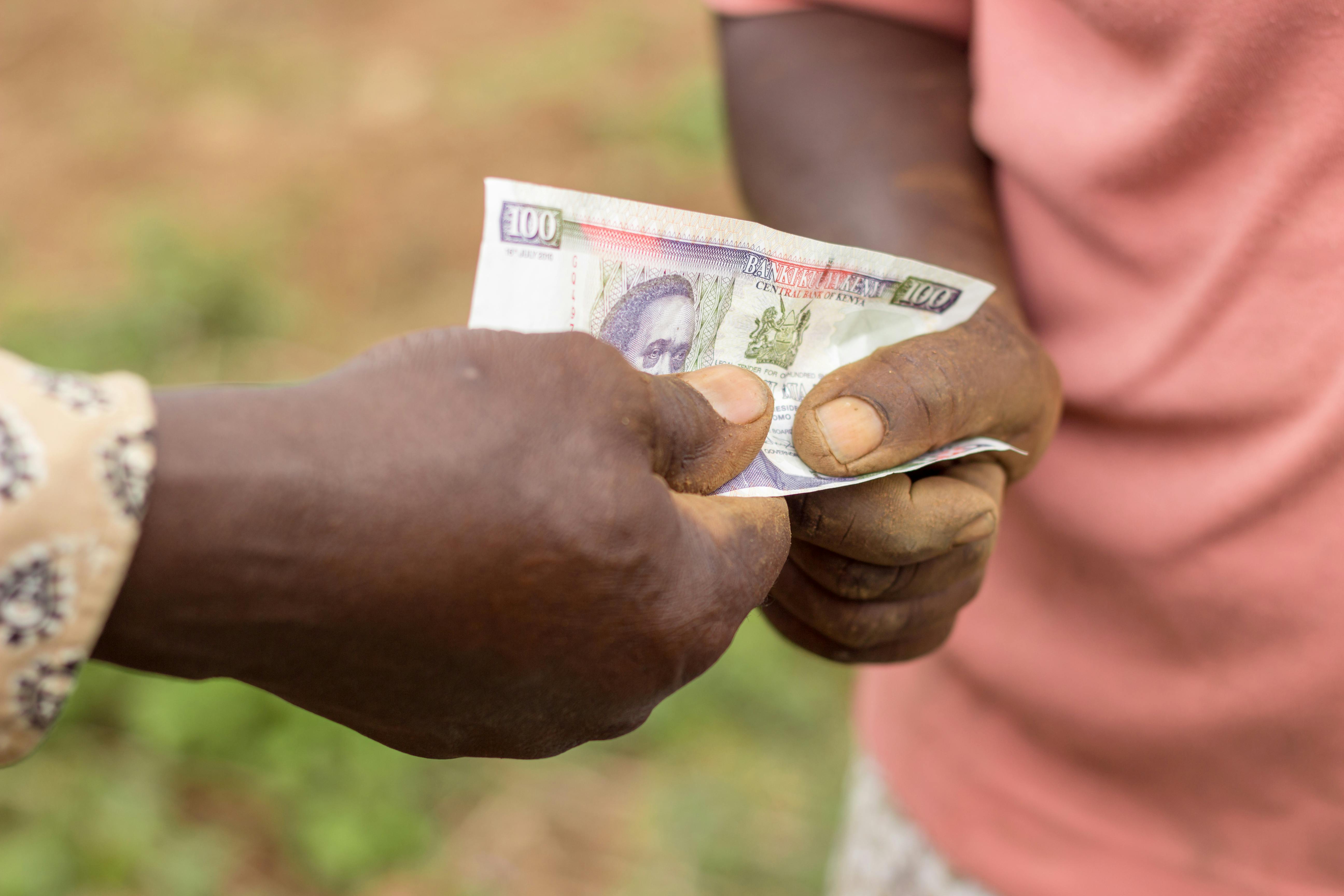
Kenya has rapidly emerged as a leading exporter of avocados and a significant player in the global macadamia market. The country’s favorable climate, fertile soils, and abundant labor have made it an attractive hub for these lucrative crops. Government initiatives and international demand have further fueled the expansion, encouraging thousands of small-scale farmers to transition from traditional crops to these high-value alternatives, often with promises of substantial returns.
The global annual avocado output reached a new high of 8.4 million metric tons in 2022, with Kenya's exports contributing significantly to this surge. Similarly, Kenya produces approximately 51,200 tons of macadamia annually, supporting between 200,000 and 500,000 smallholder farmers primarily in the Mount Kenya region and other central highlands (FreshPlaza, 2024). However, this growth has not translated into widespread prosperity for the small farmers who form the foundation of this industry.
Key Insights or Strategies: Unmasking the Exploitation
The Broker Bottleneck and Price Volatility
A primary challenge for Kenyan smallholder farmers is the pervasive influence of brokers. These intermediaries often exploit farmers’ limited access to market information and immediate cash needs, purchasing produce at unfairly low prices. The lack of upstream traceability in the macadamia sector, for instance, makes it difficult to monitor fair practices, with numerous independent buying agents creating a complex and often opaque value chain (The Elephant, 2020). This leads to severe price volatility, where global market fluctuations disproportionately impact small farmers who have no direct negotiating power. Studies show that exploitation by brokers, coupled with price volatility, are among the key challenges persisting for avocado farmers (Kariuki, 2025).
Actionable steps to counter this exploitation:
Systemic Barriers to Market Access and Value Addition
Unlike large commercial farms, small-scale farmers often lack the infrastructure and capital to directly access export markets or engage in value addition. Restrictions on direct export for small-scale macadamia farmers, for example, force them to sell to larger processors, further diminishing their returns. This creates a two-tiered system where larger producers and exporters capture the lion's share of the profits. Additionally, poor good agricultural practices (GAP), lack of quality inputs, and the use of unsuitable varieties can hinder market access, as their produce may not meet stringent export standards (CBI, 2019).
Actionable steps to overcome systemic barriers:
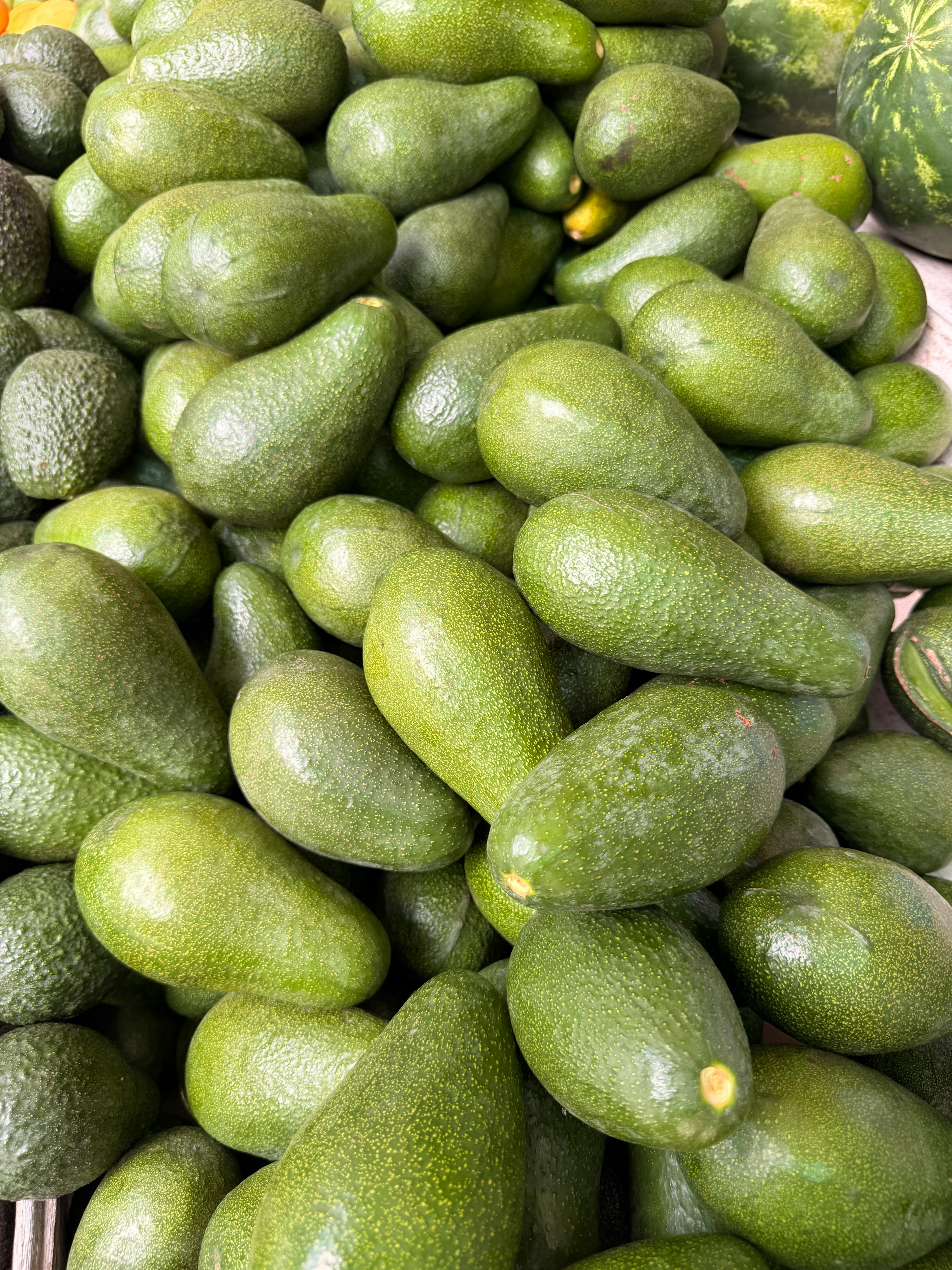
To truly break free from these cycles of exploitation and unlock the genuine potential of their land, small farmers need more than just good intentions; they need robust support systems, fair market opportunities, and the knowledge to navigate complex global supply chains. For those looking to understand how these challenges intertwine with broader sustainable living, you can Explore sustainable living solutions with Eco-Oasis Firm.
Case Studies, Examples, or Comparisons: Who Truly Benefits?
The stark contrast between the potential of Kenya's 'green gold' and the reality for small farmers is evident when examining the value chain. Large commercial farms and multinational corporations, with their economies of scale and direct export linkages, often dictate market terms. They can afford the necessary certifications, advanced processing equipment, and direct logistics required to access lucrative international markets, largely bypassing the middlemen that plague smallholders.
For instance, while a large exporter might sell a kilogram of Hass avocados for several dollars on the international market, the small farmer in Kenya might receive a meager fraction of that, sometimes as low as KES 10-20 (approximately $0.07-$0.15 USD) per fruit, especially during periods of oversupply or when dealing with desperate brokers. A report by the Netherlands’ Centre for the Promotion of Imports from Developing Countries (CBI) highlighted that small plantations typify Kenya’s macadamia production system, contrasting with large plantation farming in other producers like China, South Africa, and Australia. This structural difference inherently puts Kenyan smallholders at a disadvantage in terms of efficiency, quality control, and bargaining power (CBI, 2019).
While some initiatives like LIMBUA (an organic certified Kenyan company) work with small farmers for macadamia and avocados, the overall landscape remains dominated by a system that favors consolidation and large-scale operations. This disparity underscores the need for targeted interventions that empower the individual farmer rather than perpetuate the current imbalance.
Common Mistakes to Avoid: Traps for the Unwary Farmer
Small farmers, often driven by immediate financial needs and a lack of information, can inadvertently fall into patterns that hinder their long-term success. Avoiding these common pitfalls is crucial for navigating the complex 'green gold' landscape:
Expert Tips or Best Practices: Cultivating True Prosperity
For Kenyan smallholder farmers to truly benefit from the 'green gold' of avocados and macadamia, a shift towards more strategic and sustainable practices is essential. Here are some expert tips to cultivate genuine prosperity:
By integrating these practices, farmers can move beyond mere survival to building sustainable and profitable agricultural enterprises. For additional resources and to connect with a community dedicated to sustainable practices, you can Explore sustainable living solutions with Eco-Oasis Firm.
Future Trends or Predictions: Pathways to a Fairer Harvest
The future of Kenya's 'green gold' industries is poised for significant transformation, driven by both global demands and local innovations. Several key trends and predictions offer hope for a fairer harvest for smallholder farmers:
These trends, if strategically harnessed and supported by robust policies, have the potential to democratize the 'green gold' profits, making them accessible to the small farmers who are the true custodians of Kenya's agricultural wealth.
Conclusion: Reclaiming the Promise of 'Green Gold'
The narrative of Kenya’s 'green gold' avocado and macadamia production, while globally successful, has for too long presented an elite illusion for its small farmers. The systemic exploitation, market volatility, and lack of direct support have created a challenging environment where the very backbone of the industry struggles to thrive. However, this is not an insurmountable challenge. Through collective action, adherence to best practices, leveraging technology, and advocating for equitable policies, the promise of prosperity can be reclaimed.
Empowering smallholder farmers is not merely an act of charity; it is an investment in Kenya's economic stability, food security, and environmental sustainability. By addressing the deep-seated issues that create this illusion of profit, we can pave the way for a future where the 'green gold' truly benefits all who labor to cultivate it. It's time to transform the mirage into a tangible reality for every small farmer.
Join us in fostering a future where sustainable agriculture truly thrives. To learn more about how you can support or engage with sustainable farming initiatives and solutions, Explore sustainable living solutions with Eco-Oasis Firm.
FAQs: Addressing Common Concerns for Kenyan Farmers
Q1: Why do small-scale avocado and macadamia farmers in Kenya earn so little despite high demand?
Small-scale farmers often earn little due to exploitation by unscrupulous brokers who buy produce at significantly low prices, a lack of direct access to lucrative export markets, and price volatility in the global market. They also face challenges with high input costs and limited bargaining power compared to large commercial entities. For instance, global avocado supply increases often depress prices for small farmers, as noted by Equal Exchange in their analysis of challenges faced by small-scale avocado farmers in Michoacán, which has parallels in Kenya (Equal Exchange, 2022).
Q2: What are the main systemic barriers preventing small farmers from exporting directly?
Systemic barriers include stringent export quality and certification requirements, lack of financial capital for large-scale operations and logistics, and limited infrastructure for processing and packaging. Additionally, policies sometimes restrict direct export for smallholders, favoring larger processors. A report by CBI indicated that small-scale macadamia farmers are particularly hindered by the large number of intermediaries and lack of adherence to quality due to low government support, making direct export challenging (CBI, 2019).
Q3: How does climate change specifically impact avocado and macadamia farming in Kenya?
Climate change leads to unpredictable weather patterns, including prolonged droughts, erratic rainfall, and increased frequency of extreme weather events. These conditions stress crops, reduce yields, increase susceptibility to pests and diseases, and diminish fruit quality. For macadamia, climate change is cited as a major undoing, alongside pests and diseases, affecting overall productivity and quality (The Elephant, 2020).
Q4: What role do farmer cooperatives play in empowering smallholder farmers?
Farmer cooperatives are crucial for empowerment by providing collective bargaining power, enabling farmers to negotiate better prices and terms with buyers. They facilitate access to shared resources like quality inputs, machinery, training, and market information. Cooperatives also help farmers meet quality and volume requirements for direct market access, reducing reliance on individual, often exploitative, intermediaries.
Q5: What are some sustainable practices small farmers can adopt to improve profitability and environmental health?
Sustainable practices include implementing Good Agricultural Practices (GAP) for optimal yield and quality, organic pest and disease management to reduce chemical use, water conservation techniques (e.g., drip irrigation), and intercropping to enhance soil fertility and biodiversity. Adopting climate-resilient varieties and agroforestry practices also contributes to both profitability and environmental health, reducing long-term risks. Such practices are often key to accessing premium and fair-trade markets.
Q6: How can policy changes better support Kenya's small avocado and macadamia farmers?
Policy changes can significantly help by implementing stricter regulations on brokers to ensure fair pricing and prevent exploitation. Establishing government-backed marketing boards or direct market access programs could bypass middlemen. Providing subsidized training on GAP, financial literacy, and value addition, along with accessible credit and quality inputs, would also empower farmers. Policies promoting local processing and fair trade certifications can also ensure that more of the 'green gold' profit stays with the farmers (The Elephant, 2020).
External Authoritative Links:
Internal Link Suggestions (for Eco-Oasis Farm's blog):


0 Comments