


Farming in 2026 isn’t just about tractors and seeds—it’s about AI, robotics, and regenerative practices that are redefining sustainability and efficiency. As climate change, labor shortages, and rising input costs continue to challenge farmers, innovative technologies and practices are emerging to address these issues head-on. Whether you’re a smallholder farmer, a commercial agribusiness owner, or an agricultural investor, understanding these trends is crucial for staying competitive and future-proofing your operations.
In this article, we’ll explore the top farming trends of 2026, from biologicals and regenerative agriculture to AI-driven autonomy and carbon farming. You’ll learn how these innovations are making farming more sustainable, efficient, and resilient, and discover actionable insights to implement them on your farm.
Why These Farming Trends Matter in 2026
The Driving Forces Behind Agricultural Innovation
The agricultural landscape is evolving rapidly, driven by a combination of environmental, economic, and social factors. Here’s why these trends are gaining momentum:
- Climate Change: Extreme weather events, such as droughts, floods, and heatwaves, are becoming more frequent and severe. Farmers are adopting resilient practices to mitigate risks and ensure consistent yields.
- Economic Pressures: Rising costs of fertilizers, fuel, and labor are squeezing profit margins. Precision agriculture and automation are helping farmers reduce waste and improve efficiency.
- Consumer Demand: Shoppers are increasingly prioritizing sustainable, traceable, and "clean" food. This shift is pushing farmers to adopt regenerative practices and digital recordkeeping.
- Regulatory Shifts: Governments are introducing policies that incentivize sustainable farming, such as carbon credits and water conservation rebates.
- Labor Shortages: The agricultural workforce is aging, and fewer young people are entering the industry. Robotics and automation are filling critical gaps in farm labor.
The Business Case for Adopting 2026 Farming Trends
Adopting these trends isn’t just about sustainability—it’s about improving your bottom line. Here’s how:
- Cost Savings: Precision agriculture and automation reduce input waste, lowering fuel, chemical, and water costs.
- Revenue Opportunities: Carbon farming and sustainability programs offer new income streams through carbon credits and corporate partnerships.
- Risk Mitigation: AI-driven forecasting and climate-resilient practices help farmers adapt to unpredictable weather patterns.
- Competitive Advantage: Early adopters of these trends are gaining market share by meeting consumer demand for sustainable food.
Trend #1: Biologicals and Regenerative Agriculture – The Soil Health Revolution
What Are Biologicals and Why Are They Trending?
Biologicals are a category of agricultural inputs derived from natural sources, such as microbes, plant extracts, and beneficial insects. They include biofertilizers, biopesticides, and microbial inoculants, which enhance soil health and plant growth without relying on synthetic chemicals. In 2026, biologicals are no longer a niche— they’re becoming a mainstream solution for farmers looking to reduce their environmental footprint while maintaining productivity.
Key players in the biologicals market, such as ICL Group, Bayer, and Syngenta, are investing heavily in research and development to bring innovative products to market. These companies are also partnering with digital agronomy platforms to optimize the application of biologicals, ensuring farmers get the best results.
Regenerative Agriculture: Beyond a Buzzword
Regenerative agriculture is a holistic approach to farming that focuses on improving soil health, sequestering carbon, and enhancing biodiversity. Unlike conventional farming, which often depletes soil nutrients over time, regenerative practices aim to restore and revitalize the land. Core practices include:
- Cover Cropping: Planting crops like clover or rye during off-seasons to prevent erosion, improve soil structure, and add organic matter.
- Reduced Tillage: Minimizing soil disturbance to preserve its structure and microbial life.
- Crop Rotation: Alternating crops to prevent soil depletion and reduce pest and disease cycles.
- Composting and Organic Amendments: Adding compost, manure, or biochar to enrich soil fertility.
The benefits of regenerative agriculture are far-reaching:
- Improved soil carbon sequestration, which helps combat climate change.
- Enhanced water retention, reducing the need for irrigation.
- Reduced erosion and nutrient runoff, protecting waterways.
- Long-term productivity gains, as healthy soil supports healthier crops.
However, transitioning to regenerative agriculture isn’t without challenges. Farmers may face a learning curve, initial cost barriers, and a temporary dip in yields during the transition period. Despite these hurdles, the long-term benefits make it a worthwhile investment.
How Biologicals and Regenerative Ag Work Together
Biologicals and regenerative agriculture are a match made in heaven. Microbial inoculants, for example, can enhance the effectiveness of cover crops by improving nutrient availability and soil structure. When used together, these practices create a synergistic effect that boosts soil health and crop productivity.
For instance, a farm in the Midwest reduced its synthetic fertilizer use by 40% by combining cover cropping with microbial inoculants. The result? Healthier soil, higher yields, and lower input costs. This case study highlights the potential of integrating biologicals into regenerative systems.
Farmers looking to implement these practices may benefit from using reliable agricultural resources and guides. One such resource is:
How to Get Started with Regenerative Agriculture
Ready to embrace regenerative agriculture? Here’s a step-by-step guide to help you get started:
- Assess Your Soil Health: Conduct soil tests to measure organic matter, microbial activity, and nutrient levels. This baseline data will help you track progress over time.
- Start with Cover Cropping: Choose cover crops that suit your climate and soil type. Legumes like clover or vetch are great for adding nitrogen, while grasses like rye improve soil structure.
- Reduce Tillage: Minimize soil disturbance by adopting no-till or reduced-till practices. This preserves soil structure and protects beneficial microbes.
- Integrate Biologicals: Use microbial inoculants, such as mycorrhizal fungi or nitrogen-fixing bacteria, to enhance soil health and plant growth.
- Monitor Progress: Use soil sensors and digital tools to track changes in soil health, moisture levels, and crop performance.
Cost Considerations
While regenerative agriculture can lead to long-term cost savings, there are initial investments to consider:
- Soil Testing: Costs vary but are essential for tracking progress.
- Cover Crop Seeds: Prices depend on the type and quantity of seeds.
- Biologicals: Microbial inoculants and biofertilizers may have upfront costs but can reduce the need for synthetic inputs over time.
- Equipment: No-till planters and other specialized equipment may require an investment.
Government grants and incentives, such as the USDA’s Environmental Quality Incentives Program (EQIP), can help offset these costs. Many farmers find that the long-term savings on fertilizers, pesticides, and irrigation make regenerative agriculture a financially viable option.
Myths vs. Facts About Biologicals and Regenerative Ag
| Myth | Fact |
|---|---|
| "Biologicals don’t work as well as synthetics." | Biologicals are proven to improve soil health and reduce chemical dependency when used correctly. They may take longer to show results but offer long-term benefits. |
| "Regenerative ag is only for organic farms." | Conventional farms can adopt regenerative practices without going fully organic. Many farmers use a hybrid approach. |
| "It’s too expensive for small farms." | Many regenerative practices, such as cover cropping, have low upfront costs and high returns on investment. |
Expert Insights: What Farmers Say About Biologicals
"Switching to biologicals reduced our fertilizer costs by 30% and improved our soil’s water-holding capacity. It’s been a game-changer for our farm."
According to AgTech Navigator, 65% of farmers plan to increase their use of biologicals by 2027. This trend reflects a growing recognition of the role biologicals play in sustainable and profitable farming.
Trend #2: AI and Autonomy – The Rise of Smart Farming
How AI Is Transforming Agriculture in 2026
Artificial intelligence (AI) is no longer a futuristic concept—it’s a practical tool that’s transforming agriculture today. From predictive analytics to autonomous equipment, AI is helping farmers make data-driven decisions, optimize inputs, and improve efficiency. Here are some of the key applications of AI in farming:
- Predictive Analytics: AI-driven models analyze weather patterns, soil data, and historical yields to predict optimal planting and harvesting times.
- Computer Vision: Drones and cameras equipped with AI can detect weeds, pests, and diseases, enabling targeted interventions.
- Autonomous Equipment: Driverless tractors, robotic harvesters, and autonomous sprayers are addressing labor shortages and improving precision.
- Yield Optimization: AI models recommend planting density, irrigation schedules, and fertilization rates to maximize yields.
Autonomous Farming Equipment: From Prototypes to Mainstream
Autonomous farming equipment is one of the most exciting developments in modern agriculture. These machines are designed to perform tasks such as planting, spraying, and harvesting with minimal human intervention. Here are some of the most common types of autonomous equipment:
| Type of Robot | Use Case | Examples |
|---|---|---|
| Autonomous Tractors | Plowing, seeding, harvesting | John Deere 8R, Case IH Autonomous Concept |
| Robotic Harvesters | Picking fruits, vegetables, row crops | Agrobot, FFRobotics |
| Autonomous Sprayers | Precision pesticide/herbicide application | Carbon Robotics, Blue River Technology |
| Weeding Robots | Laser or mechanical weed removal | FarmWise, Naïo Technologies |
The benefits of autonomous equipment are clear:
- Labor Savings: Autonomous machines reduce the need for manual labor, addressing workforce shortages.
- Cost Efficiency: Precision application of inputs (e.g., fertilizers, pesticides) reduces waste and lowers costs.
- 24/7 Operation: Robots can work around the clock, increasing productivity.
However, adopting autonomous equipment comes with challenges:
- High Upfront Costs: Autonomous tractors and harvesters can be expensive, though leasing options are becoming more available.
- Technical Complexity: Farmers may need training to operate and maintain these machines.
- Integration: Autonomous equipment must be compatible with existing farm systems and software.
Several farming products are available that can help improve efficiency and support better farm management. For example, understanding the business models and technological advancements in agriculture can provide valuable insights for modern farmers.

AI for Climate Resilience
Climate change is one of the biggest challenges facing farmers today. AI is helping farmers adapt to extreme weather by providing real-time data and predictive insights. Here’s how:
- Drought Prediction: AI models analyze soil moisture, weather forecasts, and historical data to predict drought conditions and recommend irrigation strategies.
- Frost and Heat Stress Alerts: AI-driven weather stations send real-time alerts to farmers, allowing them to take protective measures.
- Pest and Disease Forecasting: AI can predict pest and disease outbreaks based on weather patterns, enabling early intervention.
For example, a vineyard in California used AI-driven irrigation scheduling to reduce water use by 25% while maintaining crop quality. This not only saved water but also reduced energy costs associated with pumping.
How to Implement AI on Your Farm
Ready to harness the power of AI? Here’s a step-by-step guide to implementing AI on your farm:
- Start with Data Collection: Install soil sensors, weather stations, and drones to gather real-time data on your farm.
- Choose an AI Platform: Select an AI-driven agronomy platform, such as Climate FieldView or Farmers Edge, that integrates with your existing equipment.
- Integrate with Equipment: Ensure your tractors, irrigation systems, and other machinery are compatible with the AI platform.
- Train Your Team: Provide training for your team on how to interpret AI insights and make data-driven decisions.
- Scale Up: Start with a pilot project (e.g., AI-driven irrigation for one field) and expand based on results.
Cost Considerations
Implementing AI on your farm requires an investment, but the long-term benefits often outweigh the costs:
- Subscription Models: Many AI platforms operate on a subscription basis, with costs ranging from $5 to $20 per acre per year.
- Equipment Upgrades: You may need to invest in sensors, drones, or compatible machinery.
- Training: Budget for training your team on how to use AI tools effectively.
Government grants and partnerships with AgTech companies can help offset these costs. For example, the USDA offers funding for precision agriculture technologies through programs like the Conservation Innovation Grants (CIG).
Myths vs. Facts About AI in Farming
| Myth | Fact |
|---|---|
| "AI will replace farmers." | AI augments human expertise; farmers still make the final decisions based on AI insights. |
| "AI is only for large farms." | Affordable AI tools are available for small and mid-sized farms, such as soil sensors and drone imagery. |
| "AI is too complex to implement." | User-friendly platforms make AI accessible to non-tech-savvy farmers. Many companies offer training and support. |
Expert Insights: The Future of Autonomous Farming
"Autonomy isn’t about replacing farmers—it’s about giving them superpowers. With AI and robotics, farmers can focus on strategy and innovation while machines handle the repetitive tasks."
According to DLL Group, 40% of farms will use autonomous equipment by 2028. This trend reflects the growing adoption of AI and robotics in agriculture.
Trend #3: Water and Climate Resilience Tech – Farming in a Drier World
The Growing Threat of Water Scarcity
Water scarcity is one of the most pressing challenges facing farmers today. According to the Food and Agriculture Organization (FAO), agriculture accounts for 70% of global freshwater use. With droughts becoming more frequent and severe due to climate change, farmers are under pressure to optimize water use and adopt resilient practices.
The impact of water scarcity on farming is significant:
- Reduced Yields: Crops require consistent water availability to thrive. Drought conditions can lead to lower yields and crop failure.
- Higher Irrigation Costs: Pumping water from deeper sources or transporting it over long distances increases energy and labor costs.
- Soil Degradation: Over-extraction of groundwater can lead to soil salinization and reduced fertility.
Innovations in Water Resilience
Fortunately, innovations in water resilience technology are helping farmers adapt to these challenges. Here are some of the most promising solutions:
- Smart Irrigation Systems: Soil moisture sensors and AI-driven irrigation controllers optimize water use by delivering the right amount of water at the right time.
- Variable-Rate Irrigation (VRI): VRI systems adjust water application rates based on soil type, crop needs, and topography, reducing waste.
- Hydro Infiltration Technologies: Subsurface drip irrigation and nanobubbles improve water efficiency by delivering water and oxygen directly to plant roots.
- Water Retention Solutions: Biochar and superabsorbent polymers enhance soil’s water-holding capacity, reducing runoff and evaporation.
- Virtual Weather Stations: Real-time weather data helps farmers make informed decisions about irrigation and crop protection.
Case Study: A Farm Saving Water with Smart Tech
A California almond farm faced severe water shortages due to prolonged droughts. By adopting smart irrigation technologies, the farm reduced water use by 30% while maintaining yields. Here’s how they did it:
- Soil Moisture Sensors: Installed sensors provided real-time data on soil moisture levels, allowing the farm to irrigate only when necessary.
- Weather-Based Irrigation Controllers: AI-driven controllers adjusted irrigation schedules based on weather forecasts, reducing water waste.
- Drip Irrigation with VRI: The farm upgraded to a drip irrigation system with variable-rate technology, delivering water precisely where it was needed.
The result? Lower water bills, healthier trees, and a more sustainable operation. This case study demonstrates the potential of water resilience tech to transform farming in drought-prone regions.
How to Implement Water Resilience Tech on Your Farm
Ready to improve your farm’s water efficiency? Here’s a step-by-step guide to implementing water resilience tech:
- Audit Your Water Use: Assess your current irrigation practices to identify inefficiencies. Track water usage and compare it to crop needs.
- Install Soil Moisture Sensors: Place sensors in key areas of your farm to monitor soil moisture levels in real time.
- Upgrade to Drip Irrigation: Replace flood or sprinkler irrigation with drip systems to reduce water waste.
- Adopt AI-Driven Irrigation Scheduling: Use AI platforms to optimize irrigation based on weather forecasts, soil data, and crop needs.
- Monitor and Adjust: Regularly review data from your sensors and AI tools to fine-tune your irrigation practices.
Cost Considerations
While water resilience tech requires an upfront investment, the long-term savings can be substantial:
- Soil Moisture Sensors: Costs range from $100 to $500 per sensor, depending on the brand and features.
- Drip Irrigation Systems: Installation costs vary but can range from $500 to $2,000 per acre.
- AI Platforms: Subscription costs for AI-driven irrigation scheduling typically range from $5 to $20 per acre per year.
Government rebates and incentives, such as the USDA’s Environmental Quality Incentives Program (EQIP), can help offset these costs. Many farmers find that the water savings alone justify the investment.
Myths vs. Facts About Water Resilience Tech
| Myth | Fact |
|---|---|
| "Smart irrigation is too expensive." | Many smart irrigation systems pay for themselves in 1-2 years through water savings. |
| "Only large farms can benefit." | Small farms can start with affordable soil sensors and drip irrigation systems. |
| "It’s only for drought-prone areas." | Water resilience tech benefits all farms by improving efficiency and reducing waste. |
Expert Insights: The Future of Water in Agriculture
"The farms of the future won’t just use less water—they’ll use it smarter. Water resilience tech is about precision, efficiency, and sustainability."
According to AgTech Navigator, farms using smart irrigation reduce water use by 20-50%. This statistic highlights the potential of water resilience tech to transform agriculture.
Trend #4: Carbon Farming – Turning Sustainability into Revenue
What Is Carbon Farming?
Carbon farming is a set of agricultural practices designed to sequester carbon in soil and vegetation, reducing greenhouse gas emissions and combating climate change. These practices not only improve soil health but also create new revenue streams for farmers through carbon credits and sustainability programs.
Key carbon farming practices include:
- Cover Cropping: Planting crops like clover or rye during off-seasons to prevent erosion and add organic matter to the soil.
- No-Till Farming: Minimizing soil disturbance to preserve its structure and carbon content.
- Agroforestry: Integrating trees and shrubs into crop and livestock systems to enhance biodiversity and carbon sequestration.
- Manure Management: Using compost and organic amendments to enrich soil fertility and reduce methane emissions.
- Rotational Grazing: Moving livestock between pastures to allow vegetation to recover and sequester carbon.
How Farmers Can Monetize Carbon Sequestration
Carbon farming isn’t just good for the planet—it’s also a lucrative opportunity for farmers. Here’s how you can monetize carbon sequestration:
- Carbon Markets: Farmers can sell carbon credits to corporations looking to offset their emissions. Platforms like Indigo Ag, Nori, and Carbon by Indigo facilitate these transactions.
- Government Incentives: Programs like the USDA’s Climate-Smart Commodities and the EU’s Carbon Farming Initiative offer financial incentives for adopting sustainable practices.
- Corporate Partnerships: Food companies like General Mills and Danone are partnering with farmers to source sustainably grown ingredients and pay premiums for carbon sequestration.
Digital Traceability: Proving Your Carbon Sequestration
To monetize carbon farming, farmers need to prove their sequestration efforts. Digital traceability tools, such as blockchain and IoT sensors, are making this process easier and more transparent:
- Blockchain: Provides a tamper-proof ledger for recording carbon sequestration data, ensuring transparency and trust.
- IoT Sensors: Monitor soil carbon levels, moisture, and other key metrics in real time.
- Satellite Imagery: Used to assess carbon stocks and verify land management practices.
For example, a corn farmer in the Midwest earned $20 per acre annually by selling carbon credits through Indigo Ag. The farmer used soil sensors and digital recordkeeping to verify their sequestration efforts, demonstrating the potential of carbon farming as a revenue stream.
How to Get Started with Carbon Farming
Interested in carbon farming? Here’s a step-by-step guide to help you get started:
- Assess Your Carbon Baseline: Conduct soil tests and analyze historical data to determine your farm’s current carbon sequestration potential.
- Adopt Carbon-Sequestering Practices: Implement practices like cover cropping, no-till farming, and agroforestry to enhance carbon storage.
- Choose a Carbon Marketplace: Select a platform like Indigo Ag or Nori to sell your carbon credits.
- Implement Digital Tools: Use IoT sensors, blockchain, and satellite imagery to monitor and verify your carbon sequestration efforts.
- Sell Carbon Credits: List your carbon credits on the marketplace and earn revenue from corporations and governments.
Cost Considerations
While carbon farming can generate revenue, there are initial costs to consider:
- Soil Testing: Essential for establishing a carbon baseline. Costs vary but are typically under $100 per test.
- Practice Changes: Adopting no-till farming or cover cropping may require new equipment or seeds.
- Digital Tools: IoT sensors and blockchain platforms may have upfront or subscription costs.
However, the potential revenue from carbon credits and government incentives can offset these costs. Many farmers find that carbon farming pays for itself within a few years.
Myths vs. Facts About Carbon Farming
| Myth | Fact |
|---|---|
| "Carbon farming is only for large farms." | Small farms can participate in carbon markets with the right practices and verification tools. |
| "It’s too complicated to get started." | Many carbon marketplaces offer step-by-step guidance and technical support for farmers. |
| "Carbon credits don’t pay enough." | Payouts vary, but some farmers earn $10-$50 per acre annually from carbon credits. |
Expert Insights: The Business of Carbon Farming
"Carbon farming isn’t just good for the planet—it’s a new revenue stream for farmers. By adopting sustainable practices, farmers can earn money while improving their soil health."
According to StartUs Insights, the global carbon farming market is projected to reach $10 billion by 2030. This growth reflects the increasing demand for sustainable farming practices and carbon credits.
Trend #5: Robotics and Automation – The Future of Farm Labor
Why Robotics Are Essential for Modern Farming
Labor shortages are one of the biggest challenges facing farmers today. The agricultural workforce is aging, and fewer young people are entering the industry. Robotics and automation are stepping in to fill this gap, performing tasks that were once labor-intensive and time-consuming.
Here’s why robotics are essential for modern farming:
- Labor Savings: Robots can perform repetitive tasks like weeding, harvesting, and spraying, reducing the need for manual labor.
- Cost Efficiency: Automation reduces fuel, chemical, and water use, lowering input costs.
- Precision: Robots improve accuracy in planting, spraying, and harvesting, reducing waste and improving yields.
- 24/7 Operation: Unlike human workers, robots can operate around the clock, increasing productivity.
Types of Agricultural Robots
Agricultural robots come in various forms, each designed to perform specific tasks. Here’s a breakdown of the most common types:
| Type of Robot | Use Case | Examples |
|---|---|---|
| Autonomous Tractors | Plowing, seeding, harvesting | John Deere 8R, Case IH Autonomous Concept |
| Robotic Harvesters | Picking fruits, vegetables, row crops | Agrobot, FFRobotics |
| Autonomous Sprayers | Precision pesticide/herbicide application | Carbon Robotics, Blue River Technology |
| Weeding Robots | Laser or mechanical weed removal | FarmWise, Naïo Technologies |
| Dairy Robots | Milking, feeding, cleaning | Lely, DeLaval |
Benefits of Farm Automation
The benefits of farm automation extend beyond labor savings:
- Reduced Input Waste: Precision application of fertilizers, pesticides, and water reduces waste and lowers costs.
- Improved Safety: Robots can handle hazardous tasks, such as spraying chemicals, reducing human exposure to toxins.
- Data Collection: Robots equipped with sensors can collect real-time data on soil health, crop conditions, and weather patterns.
- Scalability: Automation allows farmers to scale their operations without proportionally increasing labor costs.
Challenges of Adopting Robotics
While robotics offer numerous benefits, there are challenges to consider:
- High Upfront Costs: Autonomous tractors and harvesters can be expensive, though leasing options are becoming more available.
- Technical Complexity: Farmers may need training to operate and maintain robotic equipment.
- Integration: Robots must be compatible with existing farm systems and software.
- Regulatory Hurdles: Safety and liability concerns may arise with autonomous equipment.
How to Implement Robotics on Your Farm
Ready to automate your farm? Here’s a step-by-step guide to implementing robotics:
- Identify Pain Points: Determine which tasks are most labor-intensive or costly (e.g., weeding, harvesting).
- Research Robotic Solutions: Explore robots tailored to your needs, such as autonomous sprayers or robotic harvesters.
- Start with a Pilot Project: Test a robot on a small scale (e.g., one field or crop) to assess its effectiveness.
- Train Your Team: Provide training on operating and maintaining the robot.
- Scale Up: Expand automation based on the results of your pilot project.
Financing Options
Financing options can make robotics more accessible:
- Leasing Programs: Many AgTech companies offer leasing options for robots and autonomous equipment.
- Government Grants: Programs like the USDA’s Value-Added Producer Grants (VAPG) provide funding for AgTech adoption.
- Partnerships: Collaborate with AgTech companies to pilot new technologies in exchange for reduced costs.
Myths vs. Facts About Farm Robotics
| Myth | Fact |
|---|---|
| "Robots will replace farm workers." | Robots handle repetitive tasks, freeing workers for higher-value roles like farm management and strategy. |
| "Robotics are only for large farms." | Affordable robots are emerging for small and mid-sized farms, such as weeding bots and small-scale harvesters. |
| "They’re too expensive to maintain." | Many robots reduce long-term costs by lowering fuel, chemical, and labor expenses. |
Expert Insights: The Future of Farm Automation
"The farms of the future will be a blend of human expertise and robotic precision. Automation isn’t about replacing farmers—it’s about empowering them to do more with less."
According to DLL Group, 30% of farms will use robotic harvesters by 2027. This trend reflects the growing adoption of automation in agriculture.
Trend #6: Hydroponics and Controlled-Environment Agriculture (CEA) – Farming Without Soil
What Is Controlled-Environment Agriculture (CEA)?
Controlled-Environment Agriculture (CEA) is a method of growing crops in indoor environments where conditions such as temperature, humidity, light, and CO2 levels are carefully controlled. Unlike traditional farming, which relies on soil and natural weather conditions, CEA allows farmers to grow crops year-round, regardless of external climate. Common types of CEA include:
- Hydroponics: Growing plants in nutrient-rich water without soil.
- Aeroponics: Growing plants in an air or mist environment, with nutrients delivered via spray.
- Aquaponics: Combining aquaculture (fish farming) with hydroponics, where fish waste provides nutrients for plants.
- Vertical Farming: Stacking crops in layers to maximize space and efficiency.
Why Hydroponics and CEA Are Trending in 2026
Hydroponics and CEA are gaining traction for several reasons:
- Urbanization: As cities expand, the demand for locally grown food is increasing. CEA enables urban farming, reducing transportation costs and carbon footprints.
- Climate Resilience: CEA allows farmers to grow crops year-round, regardless of external weather conditions, making it ideal for regions with extreme climates.
- Resource Efficiency: Hydroponics uses up to 90% less water than traditional farming and eliminates soil erosion and nutrient runoff.
- Higher Yields: CEA systems can produce higher yields per square foot than conventional farming, thanks to optimized growing conditions.
Key Innovations in Hydroponics and CEA
Innovations in hydroponics and CEA are making these systems more efficient and accessible:
- LED Grow Lights: Energy-efficient LED lights provide the optimal spectrum for plant growth, reducing electricity costs.
- Automated Climate Control: AI-driven systems monitor and adjust temperature, humidity, and CO2 levels in real time.
- Robotics: Automated planting, harvesting, and packaging systems reduce labor costs and improve efficiency.
- Data Analytics: Real-time monitoring of plant health, growth rates, and nutrient levels helps farmers optimize conditions.
Case Study: A Successful Vertical Farm
AeroFarms, a vertical farming company based in Newark, NJ, is a prime example of CEA’s potential. The company grows leafy greens using aeroponics, achieving 95% less water use and 390 times more productivity per square foot than traditional field farming. Here’s how they do it:
- Aeroponics: Plants are grown in a mist environment, reducing water use and improving nutrient absorption.
- LED Lighting: Custom LED lights provide the optimal spectrum for plant growth, reducing energy costs.
- AI-Driven Climate Control: Sensors monitor and adjust temperature, humidity, and CO2 levels in real time.
The result? Faster growth cycles, higher yields, and a smaller environmental footprint. AeroFarms’ success demonstrates the potential of CEA to revolutionize food production.
How to Start a Hydroponic or CEA Farm
Interested in starting your own hydroponic or CEA farm? Here’s a step-by-step guide:
- Research the Market: Identify high-demand crops like leafy greens, herbs, or berries that thrive in CEA systems.
- Choose a System: Decide between hydroponics, aeroponics, or aquaponics based on your goals and budget.
- Design Your Growing Environment: Select a location, such as a greenhouse, vertical farm, or shipping container, and design the layout.
- Invest in Equipment: Purchase grow lights, climate control systems, automation tools, and nutrient solutions.
- Monitor and Optimize: Use sensors and AI tools to monitor plant health and adjust growing conditions as needed.
Cost Considerations
Starting a hydroponic or CEA farm requires an upfront investment, but the long-term benefits can be substantial:
- Setup Costs: Initial costs can range from $50,000 for a small-scale system to over $1 million for a commercial vertical farm.
- Operating Costs: Electricity, labor, and nutrient solutions are ongoing expenses.
- Revenue Potential: High-value crops like leafy greens and herbs can generate significant returns, especially in urban markets.
Government grants and partnerships with AgTech companies can help offset startup costs. For example, the USDA offers funding for urban agriculture projects through programs like the Urban Agriculture and Innovative Production (UAIP) grants.
Myths vs. Facts About Hydroponics and CEA
| Myth | Fact |
|---|---|
| "Hydroponics is only for large commercial farms." | Small-scale hydroponic systems are affordable and accessible for home growers and small farms. |
| "CEA is too energy-intensive." | Renewable energy sources like solar and wind can power indoor farms sustainably, reducing energy costs. |
| "Hydroponic food tastes different." | Hydroponic produce is often fresher and more flavorful than field-grown crops due to optimized growing conditions. |
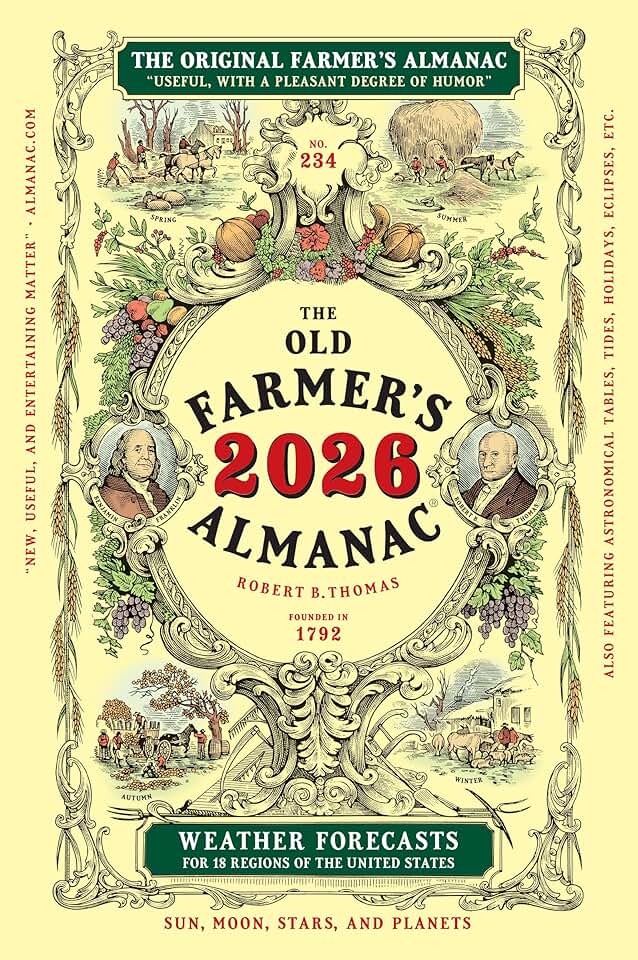
When evaluating agricultural products, factors such as durability, performance, customer reviews, and suitability for local conditions are worth considering. For example, staying informed about the latest trends and forecasts can help farmers make better decisions.
Expert Insights: The Future of Indoor Farming
"The future of farming isn’t just in the field—it’s in the city, in the warehouse, and in the shipping container. Hydroponics and CEA are reshaping how we grow food."
According to MarketsandMarkets, the global hydroponics market is projected to reach $16 billion by 2028. This growth reflects the increasing demand for sustainable, efficient, and climate-resilient farming methods.
Trend #7: Grower-Centric Technology – Tools Designed for Farmers, by Farmers
What Is Grower-Centric Technology?
Grower-centric technology refers to AgTech tools designed with farmer input to address real-world challenges. Unlike traditional AgTech, which often prioritizes innovation over usability, grower-centric tools focus on ease of use, integration with existing workflows, and practical problem-solving. In 2026, this trend is gaining momentum as farmers demand tools that are intuitive, affordable, and tailored to their needs.
Why It’s Trending
Farmers are pushing back against overly complex or expensive tools that don’t align with their operational needs. Grower-centric technology addresses these pain points by:
- Prioritizing Usability: Tools are designed to be intuitive and require minimal training.
- Ensuring Integration: Grower-centric tech seamlessly integrates with existing farm equipment and software.
- Solving Real Problems: These tools address specific challenges, such as labor shortages, input costs, and climate resilience.
- Offering Affordability: Pricing models are designed to work for small and mid-sized farms, not just large agribusinesses.
Examples of Grower-Centric Technology
Here are some examples of grower-centric tools that are making a difference in 2026:
| Tool | Use Case | Example Companies |
|---|---|---|
| Farm Management Software | Field mapping, recordkeeping, analytics | FarmLogs, AgriWebb, Granular |
| Soil Sensors | Real-time soil moisture and nutrient data | CropX, Arable, Teralytic |
| Drone Imagery | Crop health monitoring, pest detection | DJI Agras, PrecisionHawk |
| AI Agronomy Platforms | Predictive analytics for planting, irrigation | Climate FieldView, Farmers Edge |
| Autonomous Equipment | Driverless tractors, robotic harvesters | John Deere, Carbon Robotics |
How to Choose Grower-Centric Tech for Your Farm
Selecting the right grower-centric technology for your farm involves a few key steps:
- Identify Your Challenges: Determine your farm’s biggest pain points, such as labor shortages, water management, or input costs.
- Research Tools: Look for tools that address those challenges and have positive reviews from other farmers.
- Prioritize Usability: Choose tools that are easy to use and integrate with your existing systems.
- Start Small: Pilot one tool at a time to assess its effectiveness before scaling up.
- Seek Support: Choose vendors that offer training, customer support, and regular updates.
Questions to Ask Vendors
When evaluating grower-centric tech, ask vendors the following questions:
- Is the tool compatible with my existing equipment and software?
- What kind of training and support do you offer?
- Can I see a demo or case study from a farm similar to mine?
- What is the total cost of ownership, including subscriptions and maintenance?
- How does the tool address my specific challenges?
Myths vs. Facts About Grower-Centric Tech
| Myth | Fact |
|---|---|
| "All AgTech is the same." | Grower-centric tech is designed specifically for farmer needs, prioritizing usability and integration. |
| "It’s too expensive for small farms." | Many grower-centric tools offer scalable pricing or leasing options, making them accessible to small farms. |
| "I don’t need tech to farm." | Even small farms can benefit from tools that save time, reduce costs, and improve efficiency. |
Expert Insights: The Shift Toward Farmer-First Innovation
"The best technology is invisible—it just works, without getting in the farmer’s way. Grower-centric design is about solving real problems, not just adding complexity."
According to Cultura Technologies, 70% of farmers prefer tools designed with their input. This statistic underscores the importance of grower-centric technology in driving AgTech adoption.
The Future of Farming: What’s Next After 2026?
Emerging Technologies on the Horizon
While 2026 is shaping up to be a transformative year for farming, the future holds even more exciting possibilities. Here are some emerging technologies to watch:
- Gene Editing: CRISPR and other gene-editing technologies are enabling the development of drought-resistant, nutrient-dense, and disease-resistant crops.
- Biodegradable Sensors: Disposable soil sensors that decompose after use, reducing waste and environmental impact.
- Swarm Robotics: Teams of small robots working collaboratively to perform tasks like planting, weeding, and harvesting.
- 3D-Printed Food: Customizable, lab-grown food products that reduce waste and improve nutrition.
- Space Farming: Growing crops in controlled environments for space missions, with potential applications for Earth-based farming.
Policy and Economic Trends to Watch
Policy and economic trends will continue to shape the future of farming:
- Carbon Markets: Expansion of carbon credit programs and incentives for sustainable practices.
- Water Regulations: Stricter water use policies in drought-prone regions, driving adoption of water resilience tech.
- Labor Laws: Incentives for automation to address labor shortages and improve working conditions.
- Trade Policies: Impact of global trade agreements on sustainable farming and AgTech adoption.
How Farmers Can Stay Ahead of the Curve
To future-proof your farm, consider the following strategies:
- Continuous Learning: Attend conferences, webinars, and workshops to stay updated on the latest trends and technologies.
- Networking: Join farmer communities and AgTech forums to share insights and learn from peers.
- Pilot Projects: Test new technologies on a small scale before full adoption.
- Partnerships: Collaborate with AgTech companies, universities, and government programs to access resources and expertise.
FAQs About Farming Trends 2026
What are the top farming trends in 2026?
The top farming trends in 2026 include:
- Biologicals and regenerative agriculture.
- AI and autonomy in farming.
- Water and climate resilience tech.
- Carbon farming and monetization.
- Robotics and automation.
- Hydroponics and controlled-environment agriculture (CEA).
- Grower-centric technology.
How is AI changing agriculture in 2026?
AI is transforming agriculture by:
- Enabling predictive analytics for weather and pest forecasting.
- Powering autonomous equipment like driverless tractors and robotic harvesters.
- Optimizing irrigation, fertilization, and planting schedules.
- Improving climate resilience through real-time data and forecasting.
What is regenerative agriculture, and why is it important?
Regenerative agriculture is a set of farming practices that improve soil health, sequester carbon, and enhance biodiversity. It’s important because:
- It reduces dependence on synthetic inputs like fertilizers and pesticides.
- It improves long-term productivity and resilience.
- It helps combat climate change by storing carbon in the soil.
How can farmers monetize carbon farming?
Farmers can monetize carbon farming by:
- Selling carbon credits to corporations through platforms like Indigo Ag or Nori.
- Participating in government incentive programs, such as the USDA’s Climate-Smart Commodities.
- Partnering with food companies that pay for sustainable practices.
Is autonomous farming equipment worth the investment?
Autonomous farming equipment can be worth the investment because:
- It addresses labor shortages by reducing the need for manual labor.
- It reduces fuel, chemical, and water use, lowering input costs.
- It improves precision and efficiency, leading to higher yields.
However, farmers should start with a pilot project to assess the return on investment (ROI) before scaling up.
What are the benefits of hydroponics and CEA?
The benefits of hydroponics and controlled-environment agriculture (CEA) include:
- 90% less water use compared to traditional farming.
- Year-round production regardless of external weather conditions.
- Higher yields per square foot due to optimized growing conditions.
- No soil erosion or nutrient runoff, reducing environmental impact.
How can small farms adopt new farming technologies?
Small farms can adopt new farming technologies by:
- Starting with affordable tools like soil sensors and drip irrigation.
- Participating in government grant programs for AgTech adoption.
- Partnering with AgTech companies for pilot projects and discounts.
- Joining farmer networks to share resources and insights.
What are the risks of adopting biologicals in farming?
The risks of adopting biologicals include:
- Variable effectiveness depending on soil and climate conditions.
- Knowledge gaps in proper application and integration.
- Initial cost barriers for some biological products.
However, these risks can be mitigated with proper training, integration with digital tools, and starting with small-scale trials.
How do I choose the right AgTech tools for my farm?
To choose the right AgTech tools for your farm:
- Identify your biggest challenges (e.g., labor, water, input costs).
- Research tools that address those challenges and have positive reviews.
- Look for user-friendly, integrable solutions.
- Start with a pilot project to test the tool’s effectiveness.
- Scale up based on results.
What is grower-centric technology?
Grower-centric technology is AgTech designed with farmer input to address real-world challenges. It prioritizes ease of use, integration with existing workflows, and practical problem-solving over complexity.
Conclusion – The Path Forward for Modern Farmers
Key Takeaways
The farming landscape in 2026 is defined by innovation, sustainability, and resilience. Here are the key takeaways from this article:
- Sustainability is non-negotiable: Biologicals, regenerative agriculture, and carbon farming are here to stay, driven by consumer demand and regulatory pressures.
- AI and autonomy are game-changers: From predictive analytics to robotic harvesters, technology is addressing labor shortages and improving efficiency.
- Water resilience is critical: Smart irrigation and hydro infiltration technologies are essential for farming in a drier world.
- Monetizing sustainability is possible: Carbon farming and digital traceability offer new revenue streams for farmers.
- Robotics and automation are the future of farm labor: Autonomous equipment is becoming more accessible and affordable, reducing reliance on manual labor.
- Hydroponics and CEA are expanding: Urban farming and controlled environments are reshaping food production, enabling year-round growth and resource efficiency.
- Grower-centric tech is the way forward: Tools designed for farmers, by farmers, are driving adoption and improving usability.
Actionable Next Steps for Farmers
Ready to embrace the future of farming? Here’s how you can get started:
- Assess Your Farm’s Needs: Identify your biggest challenges, such as labor shortages, water management, or input costs.
- Start Small: Pilot one new technology or practice, such as soil sensors, cover cropping, or AI-driven irrigation.
- Leverage Incentives: Explore government grants, carbon markets, and corporate partnerships to offset costs.
- Invest in Training: Attend workshops, webinars, and conferences to stay updated on the latest trends and technologies.
- Network with Peers: Join farmer communities and AgTech forums to share insights and learn from others.
The Future Is Bright – And It’s Sustainable
The farms of 2026 won’t just feed the world—they’ll heal it. By embracing these trends, farmers can build resilient, profitable, and sustainable operations for generations to come. Whether you’re a smallholder farmer or a large agribusiness, the time to act is now. Start exploring these trends today, and position your farm for success in the years ahead.
Call to Action
For Farmers: Start exploring one trend today—whether it’s biologicals, AI, or carbon farming. Small steps can lead to big rewards.
For Agribusinesses: Partner with AgTech companies to bring grower-centric solutions to market and support farmers in adopting these innovations.
For Investors: The future of farming is in sustainability and technology—now is the time to invest in AgTech and regenerative agriculture.
For Policymakers: Support incentives for regenerative practices, water resilience, and AgTech adoption to ensure a sustainable future for agriculture.
Stay Updated on Farming Trends
Subscribe to Our Newsletter: Get the latest insights on AgTech and sustainable farming delivered to your inbox.
Follow Us on Social Media: Join the conversation with #FarmingTrends2026.
Download Our Free Guide: "10 Steps to Implement Regenerative Agriculture on Your Farm."


0 Comments