


Introduction: Why Farming in 2026 Is More High-Tech Than Ever
Farming in 2026 isn’t just about tractors and plows—it’s about AI, robots, and data-driven biology. The agricultural landscape is evolving at an unprecedented pace, driven by the need for sustainability, efficiency, and climate resilience. The farming trends 2026 are shaping a future where technology and tradition merge to create a more productive and sustainable industry.
For farmers, agribusiness owners, and agricultural enthusiasts, staying ahead of these trends is no longer optional. It’s a necessity. This guide dives deep into the eight most transformative trends of 2026, from biologicals and robotics to hydroponics and precision agriculture. Whether you’re a smallholder farmer or a commercial agribusiness owner, these insights will help you navigate the future of farming.
Trend #1: Biologicals and Data-Driven Agronomy – The New Farming Power Couple
What Are Biologicals and Why Are They Trending?
Biologicals—biofertilizers, biopesticides, and biostimulants—are gaining traction as farmers seek sustainable alternatives to synthetic inputs. These natural solutions improve soil health, reduce chemical runoff, and meet the growing consumer demand for organic and residue-light produce. In 2026, biologicals are no longer a niche market; they’re a mainstream farming essential.
Farmers are increasingly integrating biologicals into their nutrient programs, often with the help of AI-driven agronomy tools. This combination allows for precise application, reducing waste and maximizing efficiency. For example, companies like Pivot Bio and Marrone Bio Innovations are leading the charge with microbial-based products that enhance plant health and yield.
How AI and Data Are Optimizing Biological Use
AI-driven platforms like Climate FieldView and Granular are revolutionizing how farmers use biologicals. These tools analyze soil data, weather patterns, and crop health to recommend the optimal application of biofertilizers and biopesticides. For instance, variable rate technology (VRT) ensures that biologicals are applied only where needed, reducing costs and environmental impact.
One notable case study comes from an Iowa farm that cut chemical use by 30% by combining AI-driven soil analysis with biological inputs. This approach not only improved yields but also enhanced soil health, proving that technology and biology can work hand in hand.
Farmers looking to implement these practices may benefit from using reliable agricultural resources and guides. For example, a comprehensive blueprint for modern agribusiness can provide valuable insights into integrating biologicals and data-driven strategies.
Challenges and Limitations
Despite their benefits, biologicals face several challenges. The cost of adoption can be prohibitive for small farms, and regulatory hurdles slow down the approval of new products. Additionally, there’s an education gap, as many farmers are still unfamiliar with how to integrate biologicals into their existing systems. However, as technology advances and costs decrease, these barriers are expected to diminish.
Future Outlook: Will Biologicals Replace Synthetic Fertilizers?
While biologicals are unlikely to fully replace synthetic fertilizers in the near future, they are carving out a significant niche. Experts predict that biologicals will dominate in high-value crops and organic farming, where sustainability and consumer demand drive adoption. Emerging research, such as CRISPR-modified microbes for nitrogen fixation, could further accelerate this trend.
Trend #2: Field Robotics and Autonomy – The Rise of the Farmbot
The Robotics Revolution in Farming
Field robotics and autonomy are transforming agriculture by addressing labor shortages and improving efficiency. In 2026, robots are no longer experimental—they’re a practical solution for tasks like planting, weeding, and harvesting. Autonomous tractors from companies like John Deere and Case IH are equipped with GPS and autosteer, allowing farmers to cover more ground with fewer resources.
Robotic harvesters are also making waves, particularly in high-value crops like strawberries and apples. These machines use AI and machine vision to identify and pick ripe produce, reducing labor costs and increasing efficiency. For example, FarmWise and Carbon Robotics have developed robots that can weed and spray fields with precision, reducing herbicide use by up to 90%.
Are Robots Replacing Farm Labor?
A common concern is whether robots will replace human farm workers. The reality is more nuanced. Robots are filling labor gaps rather than eliminating jobs. They handle repetitive and physically demanding tasks, allowing workers to focus on higher-value activities like farm management and data analysis. With the U.S. facing a projected farm labor shortage of 200,000 workers by 2026, robotics offer a viable solution to keep farms operational.
When evaluating agricultural products, factors such as durability, performance, customer reviews, and suitability for local conditions are worth considering. For instance, understanding the latest advancements in AgTech can help farmers make informed decisions about adopting robotic solutions.

Challenges in Farm Robotics Adoption
The adoption of farm robotics is not without challenges. The high upfront cost of robotic systems can be a barrier for small and medium-sized farms. However, leasing options and pay-per-use models are making robotics more accessible. Technical limitations, such as robots struggling with delicate crops, are also being addressed through advancements in AI and machine vision.
Farmer skepticism remains another hurdle. Many farmers are hesitant to adopt new technologies without seeing proven results. However, as more success stories emerge, adoption rates are expected to rise.
What’s Next for Farm Robotics?
The future of farm robotics is bright. AI and machine vision improvements are making robots more accurate and versatile. Swarm robotics, where multiple small robots work together, is an emerging trend that could revolutionize tasks like planting and harvesting. As these technologies mature, they will become an integral part of modern farming.
Trend #3: Climate-Resilient Farming – Adapting to a Hotter Planet
Why Climate Resilience Is No Longer Optional
Extreme weather events, such as droughts and floods, are becoming more frequent and severe. In 2026, climate-resilient farming is not just a trend—it’s a necessity. Farmers are adopting strategies to mitigate the impact of climate change, from drought-resistant crops to soil moisture sensors and regenerative agriculture practices.
For example, droughts cost U.S. farmers over $10 billion annually, while floods destroyed 3 million acres of crops in 2025. These challenges are driving the adoption of climate-resilient practices that protect yields and ensure long-term sustainability.
Key Strategies for Climate-Resilient Farming
| Strategy | Example | Benefit |
|---|---|---|
| Drought-resistant crops | GMO sorghum, teff | 30% higher yields in dry conditions |
| Soil moisture sensors | IoT-enabled smart farming | 25% water savings |
| Cover cropping | Clover, ryegrass | Improves soil carbon sequestration |
| Regenerative agriculture | No-till farming, composting | Reduces erosion, boosts biodiversity |
Government and Corporate Support for Resilient Farming
Governments and corporations are stepping up to support climate-resilient farming. Programs like the USDA’s Climate-Smart Commodities provide grants and subsidies for farmers adopting sustainable practices. Carbon credit programs, such as those offered by Indigo Ag and Nori, incentivize farmers to reduce their carbon footprint while improving soil health.
A notable case study comes from a California almond farm that became drought-proof by adopting regenerative practices and soil moisture sensors. These innovations not only saved water but also improved yields and reduced input costs.
Trend #4: Hydroponics and Controlled-Environment Agriculture (CEA) – Farming Without Soil
Why Hydroponics Is Exploding in 2026
Hydroponics and controlled-environment agriculture (CEA) are revolutionizing farming by enabling year-round production in urban and water-scarce regions. The hydroponics market is projected to reach $17 billion by 2027, driven by urbanization, water scarcity, and the demand for fresh, locally grown produce.
Hydroponics uses up to 90% less water than traditional farming and allows for multiple harvests per year. This makes it an attractive option for farmers looking to maximize efficiency and profitability. High-value crops like strawberries, lettuce, and herbs are particularly well-suited for hydroponic systems.
Hydroponics vs. Traditional Farming: Pros and Cons
| Factor | Hydroponics | Traditional Farming |
|---|---|---|
| Water usage | 90% less | High (irrigation-dependent) |
| Yield per acre | 3-10x higher | Lower (seasonal limitations) |
| Startup cost | High (tech, lighting, nutrients) | Lower (land, equipment) |
| Labor needs | Lower (automated systems) | Higher (manual labor) |
| Climate dependency | None (indoor control) | High (weather risks) |
How to Start a Hydroponic Farm in 2026
Starting a hydroponic farm requires careful planning and investment. Here’s a step-by-step guide to help you get started:
- Choose a system: Options include Nutrient Film Technique (NFT), Deep Water Culture (DWC), and aeroponics. Each system has its advantages and is suited to different crops.
- Select crops: High-value crops like strawberries, lettuce, and herbs are ideal for hydroponics due to their fast growth and high market demand.
- Set up lighting: LED grow lights are the most energy-efficient option for indoor hydroponic farms.
- Monitor nutrients: Use EC/pH meters to ensure your plants receive the right balance of nutrients.
- Automate with IoT sensors: IoT-enabled sensors can monitor temperature, humidity, and nutrient levels, ensuring optimal growing conditions.
The cost of setting up a hydroponic farm varies. A small setup can cost between $5,000 and $20,000, while a commercial vertical farm can exceed $500,000. However, the long-term savings on water and labor make hydroponics a worthwhile investment.
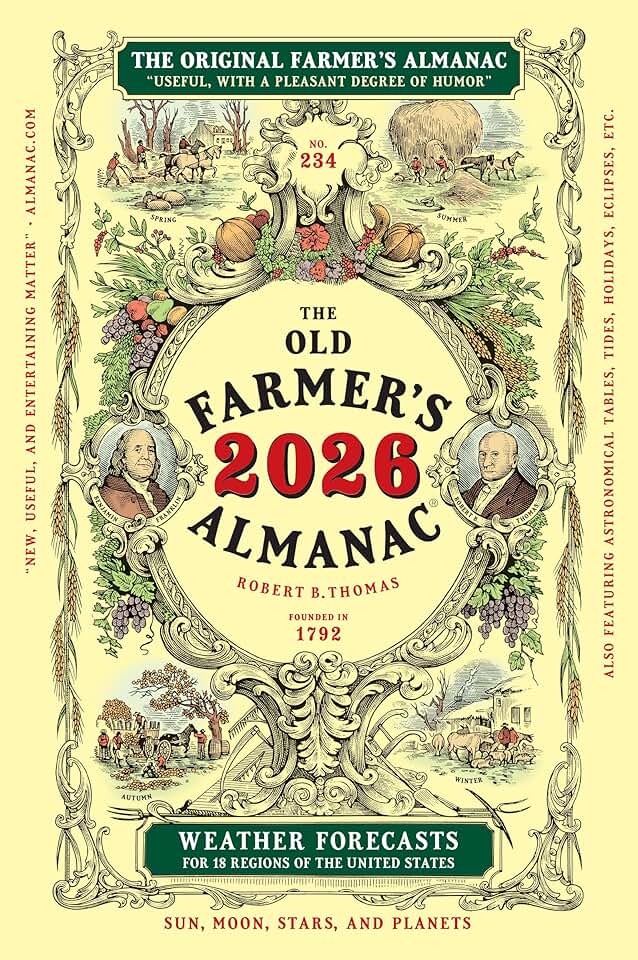
Several farming products are available that can help improve efficiency and support better farm management. For example, resources like The 2026 Old Farmer’s Almanac provide valuable insights into weather patterns and farming best practices, which can be particularly useful for hydroponic farmers planning their growing seasons.
Challenges in Hydroponics and CEA
While hydroponics offers many benefits, it also comes with challenges. Energy costs for LED lighting and climate control can be high, and pest management requires a different approach than traditional farming. Additionally, market saturation in urban areas can make it difficult for new hydroponic farms to stand out. However, with the right planning and execution, these challenges can be overcome.
Trend #5: Precision Agriculture – The New Standard for Competitive Farming
What Is Precision Agriculture?
Precision agriculture is the use of data and technology to optimize every aspect of farming, from planting to harvesting. In 2026, precision agriculture is no longer a luxury—it’s a standard practice for competitive farmers. Tools like GPS-guided tractors, drone imaging, and IoT soil sensors enable farmers to make data-driven decisions that improve yields and reduce costs.
How Precision Ag Increases Yields and Reduces Costs
A case study from a Nebraska corn farm highlights the benefits of precision agriculture. By using variable rate technology (VRT) and IoT soil sensors, the farm boosted yields by 22% while reducing fertilizer use by 15%. Precision agriculture also helps farmers save water, with smart irrigation systems reducing usage by up to 20%.
Here’s a comparison of precision ag tools:
| Tool | Use Case | Benefit |
|---|---|---|
| Drones | Crop health monitoring | Early pest/disease detection |
| Satellite imaging | Field mapping | Optimized planting patterns |
| IoT soil sensors | Real-time soil data | Precision irrigation/fertilization |
Barriers to Adoption
Despite its benefits, precision agriculture faces adoption barriers. The high initial cost of tools like drones and IoT sensors can be prohibitive for small farms. Additionally, farmers need training to interpret data and use these tools effectively. Connectivity issues in rural areas can also hinder adoption. However, as technology becomes more affordable and accessible, these barriers are expected to decrease.
The Future of Precision Ag
The future of precision agriculture lies in AI-powered predictive analytics and 5G technology. Platforms like IBM Watson Decision Platform are already using AI to provide real-time recommendations for farmers. As 5G expands, real-time data processing will become even more efficient, enabling farmers to make faster, more informed decisions.
Trend #6: New Nitrogen Technologies – Fixing the Fertilizer Crisis
Why Nitrogen Efficiency Is a Top Priority in 2026
Nitrogen is a critical nutrient for crop growth, but traditional fertilizers are expensive and environmentally harmful. In 2026, new nitrogen technologies are addressing these challenges by improving efficiency and reducing runoff. The volatility of fertilizer prices, driven by supply chain disruptions and geopolitical tensions, has made nitrogen efficiency a top priority for farmers.
Breakthrough Nitrogen Technologies
| Technology | How It Works | Benefit |
|---|---|---|
| Slow-release fertilizers | Coated granules release nitrogen slowly | 40% less runoff |
| Nitrogen-fixing microbes | Microbes convert atmospheric N into plant-available form | Reduces synthetic N use by 30% |
| AI nitrogen modeling | Predicts optimal N application rates | 15% higher yields |
Case Study: Pivot Bio’s Microbial Nitrogen
Pivot Bio’s microbial nitrogen products are a game-changer for farmers. These microbes colonize plant roots and produce nitrogen, reducing the need for synthetic fertilizers. Farmer testimonials highlight a 25% reduction in nitrogen use without yield loss. When compared to traditional urea, Pivot Bio’s products offer a cost-effective and sustainable alternative.
Trend #7: Supply Chain Traceability – Blockchain Meets Farming
Why Traceability Is a Must in 2026
Consumers and regulators are demanding transparency in the food supply chain. In 2026, traceability is no longer optional—it’s a requirement. Blockchain technology is being used to track food from farm to table, ensuring food safety and authenticity. For example, IBM Food Trust and TE-FOOD enable farmers to record data on seed type, pesticide use, and harvest dates, which is then stored on an immutable blockchain.
How Blockchain Is Being Used in Farming
Blockchain provides a transparent and tamper-proof record of the food supply chain. Consumers can scan a QR code on produce to see its full history, from the farm where it was grown to the store where it was sold. This level of transparency builds trust and allows farmers to command premium prices for their products.
For example, Walmart and Tesco mandate blockchain traceability for their suppliers, ensuring that all produce meets strict food safety standards. This trend is expected to grow as more retailers adopt blockchain technology.
Benefits of Farm-to-Table Traceability
Traceability offers several benefits for farmers and consumers. Farmers can achieve higher prices for transparent and sustainable practices, while consumers gain confidence in the safety and authenticity of their food. Additionally, traceability enables faster recalls in the event of foodborne illnesses, reducing the risk of widespread outbreaks.
Challenges in Adoption
Despite its benefits, blockchain adoption faces challenges. The cost of implementation can be high, particularly for small farms. Data privacy concerns and interoperability issues between different blockchain platforms also pose challenges. However, as technology advances and costs decrease, these barriers are expected to diminish.
Trend #8: Financing and Leasing for AgTech – Making Innovation Affordable
Why AgTech Financing Is Booming in 2026
The high upfront cost of AgTech, such as autonomous tractors and IoT sensors, can be a barrier for many farmers. In 2026, innovative financing models are making AgTech more accessible. Government incentives, leasing options, and pay-per-use models are helping farmers adopt technology without breaking the bank.
Top Financing Models for AgTech
| Model | How It Works | Best For |
|---|---|---|
| Equipment leasing | Pay monthly for AgTech (e.g., robots, drones) | Small/medium farms |
| Pay-per-use AgTech | Rent robots by the hour (e.g., harvesting) | Seasonal or small-scale use |
| Revenue-sharing | AgTech company takes % of increased profits | High-risk, high-reward tech |
| Government grants | USDA, state programs for sustainable tech | Eco-friendly innovations |
Case Study: How One Farm Leased a Robotic Harvester
A strawberry farm in California faced a labor shortage during the harvest season. Instead of hiring temporary workers, the farm leased a robotic harvester for $5,000 per month. The result? A $20,000 savings in labor costs and a 15% increase in yield. This case study highlights how leasing AgTech can provide a cost-effective solution for farmers.
How to Choose the Right Financing Option
When selecting a financing option, farmers should consider the total cost of ownership, buyout options, and ROI timeline. Questions to ask include:
- What is the total cost of ownership?
- Is there a buyout option at the end of the lease?
- What is the expected ROI timeline?
By evaluating these factors, farmers can choose the financing option that best suits their needs and budget.
Where to Follow Farming Trends in Real Time (2026 Edition)
Best Platforms for Staying Updated
| Platform | What to Watch | Why It’s Useful |
|---|---|---|
| TikTok/Reels | #AgTech, #SmartFarming, #Hydroponics, #FarmRobots | Quick demos, farmer testimonials |
| r/farming, r/Agriculture, r/sustainablefarming | Deep dives, Q&A with experts | |
| Twitter/X | @AgriPulse, @FarmProgress, @AgFunderNews | Breaking news, industry debates |
| AgTech startups (John Deere, Pivot Bio, FarmWise) | Case studies, job opportunities | |
| YouTube | Farm tech reviews, hydroponic tutorials, robotic harvester demos | Step-by-step guides |
| Newsletters | AgFunder News, The Daily Scoop (Agri-Pulse) | Weekly trend summaries |
Top AgTech Conferences to Attend in 2026
- InfoAg 2026: Focuses on precision agriculture and data-driven farming.
- World Agri-Tech Innovation Summit: Showcases AgTech startups and investment opportunities.
- AgriMoney Expo: Covers financing and leasing options for AgTech.
FAQs: Your Top Farming Trends Questions Answered
General Farming Trends FAQs
Q: What is the biggest farming trend in 2026?
A: The fusion of biologicals and AI-driven agronomy is the most transformative trend, helping farmers reduce chemical use while boosting yields.
Q: Will robots replace farm workers?
A: No—robots are filling labor gaps, not replacing jobs. They handle repetitive tasks (e.g., weeding, harvesting) so workers can focus on higher-value work.
Q: How can small farms afford AgTech?
A: Leasing, pay-per-use models, and government grants are making AgTech more accessible. For example, a small farm can lease a robotic harvester for $5,000/month instead of buying it outright for $250,000.
Biologicals and Data FAQs
Q: Are biologicals as effective as synthetic fertilizers?
A: In many cases, yes—especially when combined with AI-driven soil analysis. Studies show biologicals can match synthetic yields while improving soil health.
Q: What’s the best AI tool for precision farming?
A: Popular options include Climate FieldView (for data analytics), Granular (for farm management), and FarmWise (for robotic weeding).
Hydroponics and CEA FAQs
Q: Is hydroponic farming profitable?
A: Yes, but it depends on the crop. High-value crops like strawberries, herbs, and leafy greens have the best ROI. Startup costs are high, but long-term savings on water and labor make it worthwhile.
Q: Can hydroponics feed the world?
A: Not alone—it’s best for urban areas and water-scarce regions. Traditional farming will still dominate for staple crops like wheat and corn.
Climate Resilience FAQs
Q: What are the best drought-resistant crops for 2026?
A: Sorghum, millet, teff, and GMO drought-tolerant corn and soybeans are top choices. Cover cropping (e.g., clover) also helps retain soil moisture.
Q: How much does climate-resilient farming cost?
A: Costs vary. Soil moisture sensors cost $200–$500/unit, while drought-resistant seeds may cost 10–20% more than conventional seeds. However, long-term savings on water and fertilizer offset the upfront investment.
Conclusion: The Future of Farming Is Here—Are You Ready?
The farming trends of 2026 are reshaping agriculture as we know it. From biologicals and robotics to hydroponics and precision agriculture, these innovations are making farming more sustainable, efficient, and resilient. For farmers, agribusiness owners, and agricultural enthusiasts, staying ahead of these trends is crucial for long-term success.
Key takeaways for farmers include:
- Adopt precision ag tools to stay competitive.
- Explore biologicals and robotics to cut costs and boost yields.
- Invest in climate resilience—it’s no longer optional.
Want to stay ahead of farming trends? Subscribe to our AgTech newsletter for monthly updates, or book a free consultation with our farming experts to explore financing options for AgTech adoption.
Farming in 2026 is a blend of tradition and innovation. The farms that thrive will be those that embrace data, sustainability, and technology. The future of farming is here—are you ready to be part of it?


0 Comments