

Estimated Reading Time: 9 minutes
TL;DR: Kenya's fish farming sector, once brimming with promise, is now grappling with severe challenges, pushing many small-scale farmers to the brink of ruin. Skyrocketing operational costs, including expensive feeds and quality fingerlings, alongside predatory cartels manipulating market prices, create an unsustainable environment. Climate change further exacerbates these issues through unpredictable weather patterns and water scarcity, directly impacting yields and farmer livelihoods. Despite government initiatives, effective implementation and widespread support for sustainable practices remain critical to resuscitate this vital economic sector and empower local communities.
Key Takeaways:
- Economic Volatility: High input costs for feeds and quality fingerlings, coupled with volatile market prices, erode profit margins for small-scale fish farmers in Kenya.
- Cartel Dominance: The pervasive influence of cartels in the fish supply chain stifles fair competition and suppresses farm-gate prices, benefiting intermediaries over producers.
- Climate Resilience: Adopting climate-smart aquaculture practices, such as integrated farming systems and efficient water management, is crucial for mitigating environmental risks and ensuring long-term sustainability.
- Policy and Support Gaps: While policies exist, their effective translation into accessible financial aid, training, and infrastructure for local farmers is often lacking, hindering sector growth.
- Sustainable Solutions: Investing in localized feed production, promoting cooperative marketing, and embracing innovative technologies like aquaponics can offer viable pathways out of the current struggle.
Table of Contents:
- Introduction: The Unraveling Dream of Kenyan Aquaculture
- Background & Context: The Foundation of a Struggling Sector
- Key Insights or Strategies: Navigating the Turbid Waters
- Case Studies, Examples, or Comparisons: Learning from Success and Setback
- Common Mistakes to Avoid: Pitfalls in Fish Farming
- Expert Tips or Best Practices: Cultivating Resilience and Profitability
- Future Trends or Predictions: Charting a Course for Sustainable Growth
- Conclusion: Rebuilding the Vision for Kenya's Fish Farmers
- FAQs
Introduction: The Unraveling Dream of Kenyan Aquaculture
Kenya's vast freshwater resources and growing population once painted a hopeful picture for its aquaculture sector. Touted as a promising solution for food security, job creation, and economic diversification, fish farming captured the aspirations of thousands of small-scale farmers across the nation. However, today, the narrative has taken a grim turn. From the shimmering promise of thriving ponds, many farmers now confront a brutal struggle, staring down mounting debts and diminishing returns. Indeed, to explore Kenya's fish farming struggle where small farmers face ruin due to costs and cartels is to uncover the harsh reality behind what was once considered a vibrant, broken dream. This article delves deep into the multifaceted challenges plaguing the sector, examining the economic pressures, the shadowy influence of cartels, and the environmental shifts that collectively threaten to derail the livelihoods of countless Kenyans dependent on aquaculture.
Background & Context: The Foundation of a Struggling Sector
For decades, fish farming in Kenya was championed as a pathway to alleviate poverty and enhance nutrition. Government initiatives and international development partners invested heavily in promoting aquaculture, leading to a significant increase in the number of fish ponds and farmers. Yet, the initial enthusiasm has waned as systemic issues began to surface. Small-scale farmers, often operating on limited capital and technical know-how, found themselves ill-equipped to navigate the complexities of modern aquaculture.
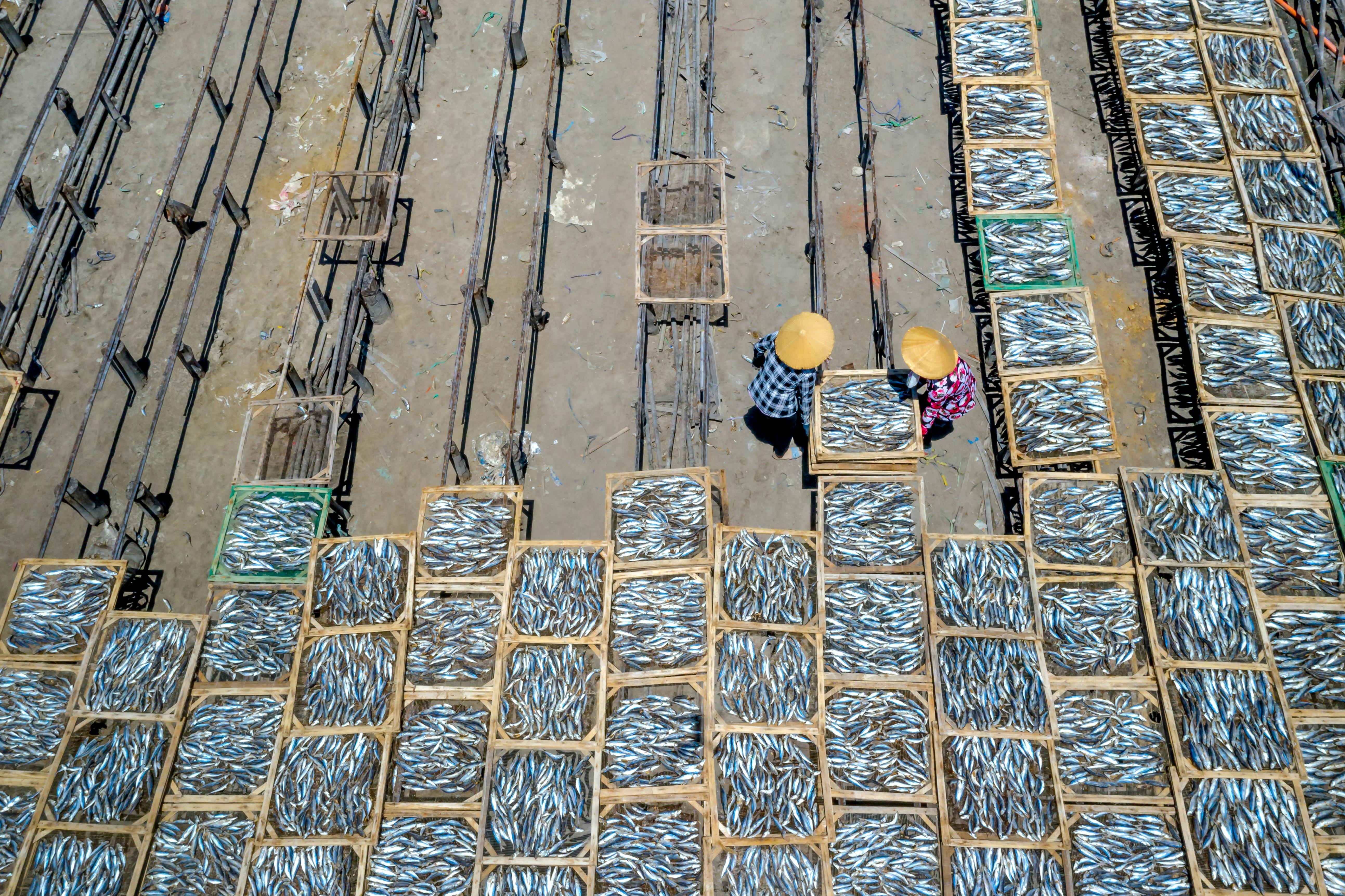
One of the primary structural issues is the prohibitive cost of essential inputs. Fish feed, which can account for up to 70% of operational expenses, is largely imported and subject to volatile global prices. Similarly, access to high-quality, disease-free fingerlings (juvenile fish) remains a significant hurdle, with many farmers relying on substandard sources, leading to poor growth rates and high mortality. Data from 2019 indicated that while Kenya's total freshwater fish output was nearly 120,900 tonnes, aquaculture contributed only about 18,500 tonnes, highlighting a significant underperformance compared to its potential and the wild catch sector (Source: FAO). This disparity underscores the foundational problems within the farmed fish supply chain, where economic viability often eludes those at the grassroots. Moreover, the impact of climate change on aquaculture is a growing concern, with unpredictable rainfall patterns affecting water levels and quality, directly threatening the sustainability of pond-based farming (Source: UNEP).
Key Insights or Strategies: Navigating the Turbid Waters
Understanding the core challenges is the first step towards formulating effective solutions. The struggle is multi-layered, encompassing economic, environmental, and governance issues. To overcome these, a multi-pronged strategy focusing on sustainable practices and economic empowerment is essential.
Combating High Input Costs
The exorbitant cost of fish feed is a major barrier. Localized production of fish feed using readily available, indigenous ingredients could drastically reduce expenses and create new value chains. Farmers can explore:
- Community-based Feed Mills: Forming cooperatives to collectively invest in small-scale feed processing units.
- Alternative Protein Sources: Researching and utilizing insects (like Black Soldier Fly larvae) or plant-based proteins that are locally sourced and sustainable.
- Improved Feed Conversion Ratios: Implementing best management practices to ensure fish utilize feed efficiently, minimizing waste.
Breaking the Grip of Cartels
The insidious influence of cartels in the fish market depresses farm-gate prices, ensuring that small farmers receive a pittance for their hard work. Combating this requires collective action and transparent market structures.
- Farmer Cooperatives: Empowering farmers to collectively market their produce, giving them greater bargaining power.
- Direct Market Access: Developing platforms or initiatives that connect farmers directly to consumers or retailers, bypassing intermediaries.
- Policy Enforcement: Advocating for stricter government oversight and enforcement against anti-competitive practices in the fish supply chain.
Building Climate Resilience
Climate change poses an existential threat to aquaculture. Farmers must adopt practices that build resilience against environmental shocks.
- Integrated Aquaculture-Agriculture (IAA): Combining fish farming with crop cultivation (aquaponics) or livestock rearing to create symbiotic systems that conserve water and nutrients.
- Water-Efficient Systems: Investing in recirculating aquaculture systems (RAS) or biofloc technology, which significantly reduce water usage.
- Diversification: Exploring diverse fish species that are more resilient to varying climatic conditions or have shorter growth cycles.
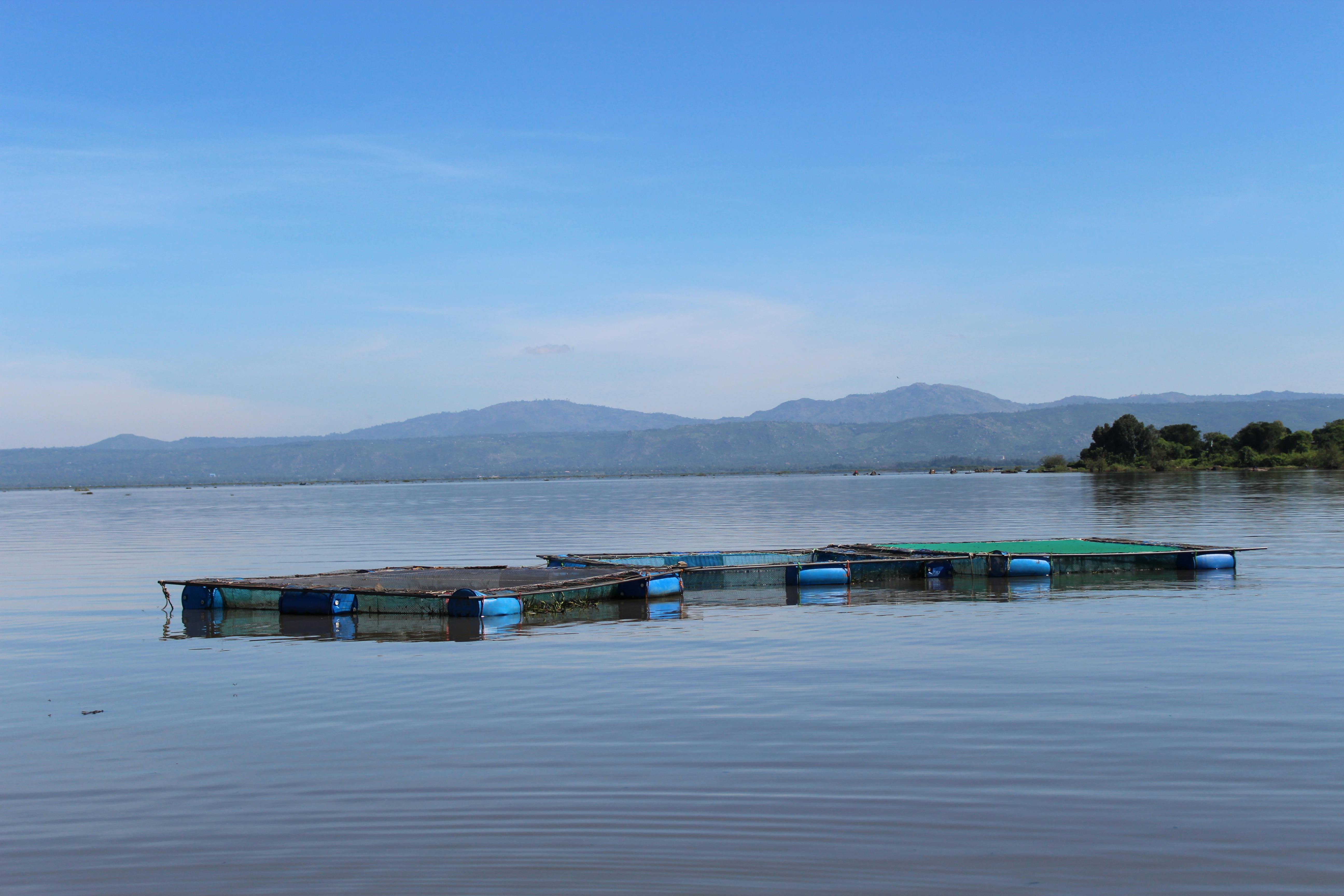
For those looking to implement sustainable solutions and optimize their farm operations, exploring proven eco-friendly technologies and expert guidance is paramount. Explore sustainable living solutions with Eco-Oasis Firm to find resources and partnerships that can transform your farming practices.
Case Studies, Examples, or Comparisons: Learning from Success and Setback
While the struggle is undeniable, there are beacons of hope and valuable lessons to be drawn from both local successes and international comparisons. In regions like Western Kenya, some farmer groups have successfully implemented cooperative models for purchasing inputs and selling fish. For instance, a small cooperative in Busia managed to negotiate better prices for feed by bulk purchasing and established direct links with local restaurants, increasing their profit margins by an estimated 15-20% within two years (Source: Ministry of Agriculture, Kenya). This demonstrates the power of collective action in mitigating market manipulation.
Comparatively, countries like Vietnam have transformed their aquaculture sectors through robust government support, extensive research and development in feed formulation, and strong export market linkages. A key statistic from the World Bank highlights that aquaculture contributes significantly to the GDP of several Southeast Asian nations, often exceeding 1-2% (Source: World Bank). This is a stark contrast to Kenya, where aquaculture's contribution remains marginal. The success stories often involve a concerted effort to provide affordable, quality inputs, technical training, and a transparent market environment. In Africa, initiatives like the Africa Fish and Aquaculture Welfare (AFIWEL) Programme aim to strengthen aquaculture in various countries, focusing on policy formulation and sustainable development, offering valuable insights for Kenya's path forward (Source: African Union Interafrican Bureau for Animal Resources).
Common Mistakes to Avoid
Many aspiring and existing fish farmers in Kenya fall prey to common pitfalls that exacerbate their struggles:
- Ignoring Water Quality Management: Poor water quality is a silent killer, leading to disease outbreaks and stunted growth. Many farmers neglect regular testing and proper pond management.
- Overstocking Ponds: The desire for higher yields often leads to overstocking, which depletes oxygen, increases waste, and creates a stressful environment for fish, ultimately reducing profitability.
- Using Substandard Feeds: To cut costs, some farmers use cheap, nutritionally inadequate feeds, which negatively impacts fish growth and health, making the initial saving a long-term loss.
- Lack of Market Research: Farmers often produce without understanding market demand or price fluctuations, leading to gluts and low prices at harvest.
- Inadequate Biosecurity Measures: Failing to implement basic biosecurity practices can lead to rapid spread of diseases, wiping out entire fish stocks.
- Ignoring Climate Data: Disregarding local weather patterns and climate forecasts can lead to unexpected losses due to droughts or floods affecting pond integrity and water availability.
Expert Tips or Best Practices: Cultivating Resilience and Profitability
Navigating the complex landscape of Kenyan fish farming requires astute management and a commitment to sustainable practices. Here are expert tips to foster resilience and enhance profitability:
- Invest in Quality Fingerlings: Source fingerlings from certified hatcheries known for disease-free, fast-growing strains. A healthy start is crucial for successful aquaculture.
- Implement Precision Feeding: Develop a feeding regime based on fish size, species, and water temperature. Avoid overfeeding, which wastes feed and pollutes water. Consider demand feeders to optimize consumption.
- Regular Water Quality Monitoring: Invest in basic water testing kits for pH, dissolved oxygen, and ammonia. Regular monitoring allows for timely intervention, preventing major issues.
- Diversify Species (Carefully): While monoculture has its benefits, consider diversifying into species that have different market demands or environmental tolerances, but ensure they are compatible for co-culture.
- Form Farmer Groups: Joining or forming local farmer groups can provide a platform for knowledge sharing, bulk purchasing of inputs, and collective marketing, significantly boosting individual bargaining power.
- Embrace Technology: Explore simple, affordable technologies like solar-powered aerators for ponds or smartphone apps for record-keeping and market price alerts.
- Seek Training and Extension Services: Continuously update your knowledge by participating in workshops and leveraging agricultural extension services. Informed farmers make better decisions.
For those seeking advanced techniques and tools to enhance their aquaculture ventures, exploring partnerships with organizations focused on eco-innovation can provide a significant advantage. Explore sustainable living solutions with Eco-Oasis Firm for access to cutting-edge research, resources, and collaborative opportunities that can elevate your farm's efficiency and environmental footprint.
Future Trends or Predictions: Charting a Course for Sustainable Growth
The future of Kenya's fish farming sector, despite its current struggles, holds significant potential if strategic shifts are embraced. Several trends are poised to reshape the industry:
- Increased Adoption of Recirculating Aquaculture Systems (RAS): As water scarcity intensifies due to climate change, indoor RAS farms will likely gain traction. These systems offer controlled environments, minimal water usage, and higher productivity per square meter, making them ideal for urban or arid regions.
- Focus on Indigenous Species and Polyculture: There will be a renewed interest in farming indigenous Kenyan fish species that are well-adapted to local conditions and may have stronger market appeal. Polyculture, raising multiple species in the same pond, will also be explored for its ecological and economic benefits.
- Growth of Aquaponics: Integrated systems like aquaponics (combining aquaculture with hydroponics) are predicted to expand. These closed-loop systems offer sustainable food production, conserving water and nutrients while yielding both fish and vegetables, directly addressing food security challenges.
- Digitalization and Data-Driven Farming: The integration of IoT sensors for water quality monitoring, AI-driven feeding systems, and blockchain for supply chain transparency will become more prevalent, empowering farmers with data-driven decision-making and helping to combat cartel activities.
- Policy Reforms and Targeted Subsidies: Anticipate government policies that offer targeted subsidies for quality fingerlings and locally produced feed, alongside stricter regulations against illegal imports and cartel operations. The focus will shift towards empowering smallholder farmers through accessible financial and technical support.
- Value Addition and Processing: Moving beyond selling raw fish, there will be a trend towards value-added products like smoked fish, fish fillets, and fish meal. This will create more jobs and increase profitability for farmers, reducing dependence on middlemen.
Conclusion: Rebuilding the Vision for Kenya's Fish Farmers
The challenges facing Kenya's fish farming sector are profound, but not insurmountable. The brutal struggle where small farmers face ruin due to costs and cartels is a stark reminder of the systemic issues that need urgent attention. However, with strategic interventions, a commitment to sustainable practices, and the empowerment of local communities, the broken dream of Kenyan aquaculture can be rebuilt. By fostering innovation in feed production, strengthening farmer cooperatives, enforcing transparent market regulations, and adopting climate-resilient farming techniques, Kenya can unlock the true potential of its aquatic resources. The path forward demands collaboration among farmers, policymakers, researchers, and consumers to create a robust, equitable, and sustainable fish farming industry that benefits all. It’s time to move from struggling to thriving, ensuring food security and economic prosperity for generations to come.
To be part of this transformative journey and access resources that champion sustainable agriculture, consider exploring partnerships with leading eco-conscious organizations. Explore sustainable living solutions with Eco-Oasis Firm and contribute to a greener, more prosperous future for all.
FAQs
Fish feed costs are primarily high due to the reliance on imported ingredients, particularly protein sources like fishmeal and soy. Local production of quality feed is limited, and raw material processing infrastructure is often inadequate, leading to higher prices. Additionally, logistical challenges and fuel costs contribute to the overall expense, making it a significant burden for small-scale farmers. Efforts are underway to develop more localized and affordable feed formulations (Source: KALRO).
Cartels in the Kenyan fish market operate by controlling supply chains, often dictating low farm-gate prices for farmers while inflating retail prices for consumers. They manipulate demand and supply through illegal imports and hoarding, creating an unfair playing field. This practice significantly reduces the profit margins for small-scale farmers, making their ventures economically unviable and discouraging investment in the sector (Source: Transparency International).
Sustainable practices include integrated aquaculture-agriculture (IAA) systems like aquaponics, which conserve water and nutrients by linking fish farming with crop cultivation. Other methods involve using locally sourced, eco-friendly fish feed ingredients, implementing strict water quality management to reduce pollution, and adopting recirculating aquaculture systems (RAS) for efficient water use. These practices aim to minimize environmental impact while ensuring long-term productivity (Source: USAID).
The Kenyan government aims to support fish farmers through policy formulation, standards, and regulations, as well as providing technical support and cooperation to County Governments on fisheries matters. However, effective implementation of these policies, particularly in providing accessible credit, quality extension services, and enforcement against market malpractices, remains a challenge. There's a need for more direct and robust interventions to empower smallholder farmers (Source: State Department for Fisheries, Aquaculture and The Blue Economy).
Climate change impacts fish farming in Kenya through several ways: altered rainfall patterns lead to water scarcity or destructive floods, affecting pond water levels and quality. Increased temperatures can stress fish, reduce growth rates, and make them more susceptible to diseases. Extreme weather events can also damage farming infrastructure. These factors contribute to reduced yields and increased operational risks for farmers (Source: IPCC).
Yes, several alternatives exist. Tank-based aquaculture, including small-scale recirculating aquaculture systems (RAS), offers more controlled environments and efficient water use, suitable for areas with limited land or water. Biofloc technology, which uses microbial communities to improve water quality and supplement fish nutrition, is another option. Aquaponics, as mentioned, provides a dual income stream from fish and vegetables, making it highly resource-efficient for smallholders (Source: FAO Aquaculture).
Suggested Internal Links:


0 Comments