

Estimated Reading Time: 11 minutes
TL;DR:Kenya's booming avocado and macadamia exports, while economically beneficial, are linked to a national food crisis by diverting land and resources from staple food production.A significant portion of Kenya's population (estimated 26%) faces severe food insecurity, exacerbated by cash crop expansion, climate change, and population growth.The shift towards lucrative cash crops often displaces smallholder farmers or pushes them into monoculture, reducing dietary diversity and increasing vulnerability to market fluctuations.Sustainable agricultural practices, policy reforms promoting food crop cultivation, and support for smallholder farmers are crucial to balancing export growth with national food security.Addressing this crisis requires a multi-faceted approach, including promoting agroecology, enhancing water management, and strengthening local food systems.
Key Takeaways:Prioritize diversified farming models that integrate both cash crops and staple food crops to ensure household food security and income stability.Advocate for government policies that incentivize sustainable land use and protect arable land for food production, especially for smallholder farmers.Invest in climate-resilient farming techniques and water conservation strategies to mitigate the impacts of environmental changes on food systems.Support local food markets and community-based agricultural initiatives that strengthen food supply chains and reduce reliance on imported staples.Explore and adopt agroecological principles to enhance soil health, biodiversity, and overall farm productivity without compromising food availability.
Table of Contents
Introduction
Imagine a nation blessed with fertile lands, vibrant agricultural communities, and a soaring reputation in global markets for its premium produce. Now, imagine that same nation grappling with a deepening food crisis, where a significant portion of its population struggles to put food on the table. This stark paradox is the reality in Kenya, a country celebrated for its lucrative horticultural exports. A new report links Kenya's profitable avocado and macadamia exports to a national food crisis. This connection isn't just a coincidence; it prompts a critical examination of how farming shifts deepen food insecurity, impacting the very livelihoods they were meant to uplift. As Eco-Oasis Farm, we delve into this complex issue, exploring the intricate balance between economic prosperity through exports and the fundamental human right to food security.Background & Context
Kenya's agricultural sector is the backbone of its economy, contributing significantly to the Gross Domestic Product and providing livelihoods for a majority of its rural population. In recent decades, the country has strategically positioned itself as a major player in the global horticultural market, with avocado and macadamia nuts leading the charge. The growth of these cash crops has been nothing short of phenomenal. Kenya is Africa's leading avocado exporter, with exports seeing a significant increase, contributing over $100 million annually to the economy in recent years. Similarly, macadamia nuts have shown robust growth, with export revenues often exceeding $50 million annually, making Kenya a key global supplier. These figures paint a picture of economic success and a vibrant export market, drawing in foreign exchange and providing income opportunities for many farmers.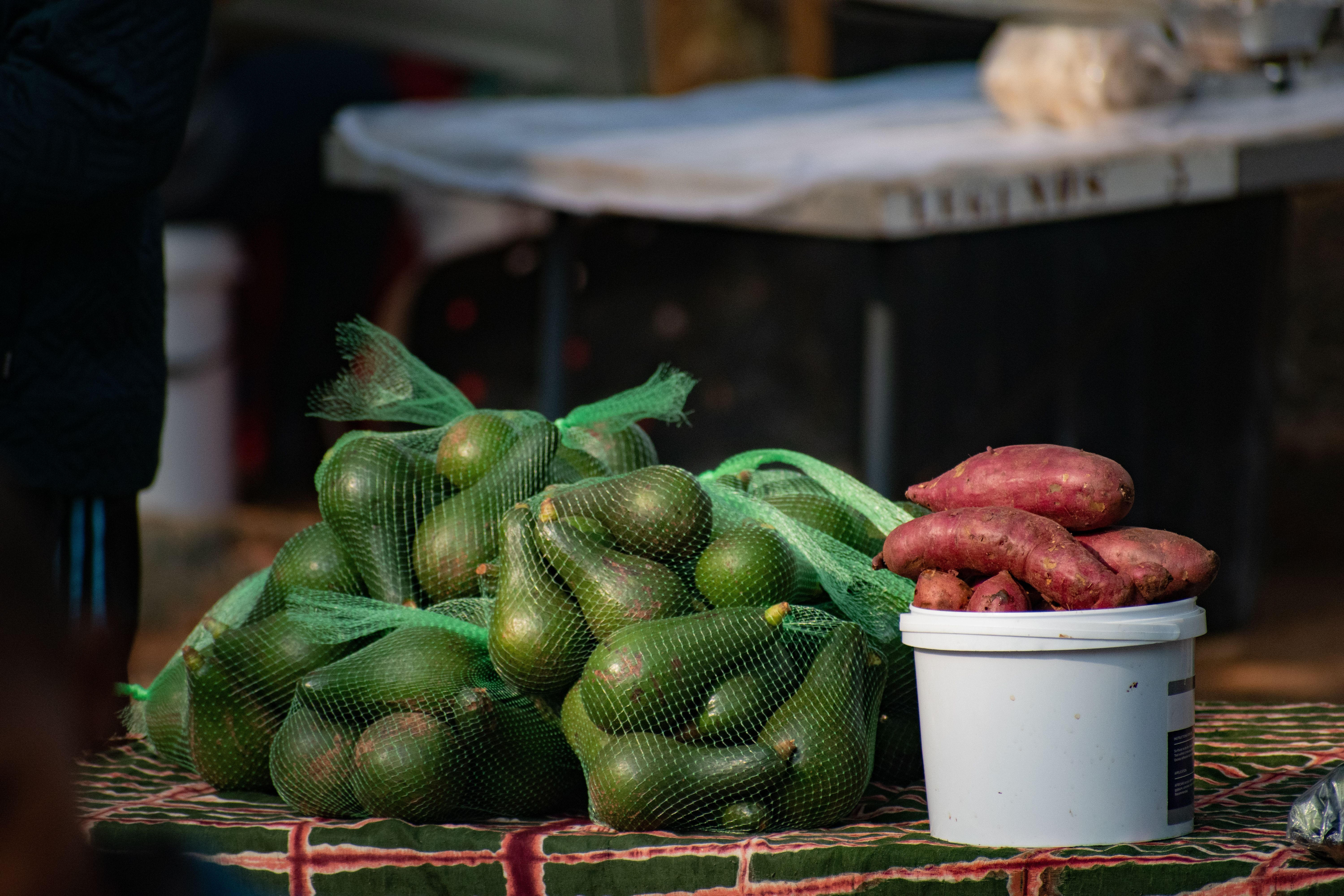 However, beneath this veneer of export success lies a troubling reality: a significant portion of the Kenyan population faces severe food insecurity. According to data from the World Food Programme, approximately 26% of Kenya's population—millions of individuals—experiences acute food shortages, especially in arid and semi-arid regions. This widespread vulnerability is not solely due to climatic challenges like droughts but is increasingly linked to structural shifts within the agricultural landscape. The allure of high profits from cash crops has led to a noticeable conversion of arable land traditionally used for staple food crops, like maize, beans, and millet, towards the cultivation of avocados and macadamias. This land-use change, coupled with rapid population growth and climate change impacts, creates a precarious balance, where economic gains from exports often come at the expense of local food availability and affordability for the most vulnerable populations. Learn more about food security data in Kenya from the World Bank.
Key Insights & Strategies
The intricate relationship between Kenya's export boom and its food crisis demands a nuanced understanding and strategic interventions. The core insight is that while cash crops offer immediate financial benefits, an unchecked expansion can disrupt traditional food systems and exacerbate food insecurity.Understanding the Land-Use Conflict
The shift from food crops to cash crops is often driven by market forces and farmer aspirations for higher incomes. However, this often leads to monoculture, reducing biodiversity and making farms more susceptible to pests, diseases, and market volatility.Strengthening Smallholder Farmer Resilience
Smallholder farmers, who form the majority of Kenya's agricultural workforce, are particularly vulnerable to these shifts. They often lack the capital to invest in irrigation for water-intensive cash crops or the market access to secure fair prices for their produce.
Rethinking Water Management for Sustainable Agriculture
Avocado and macadamia farming can be water-intensive, especially in semi-arid regions. In a country already facing water scarcity, this puts additional pressure on finite resources, impacting both food production and community water access.Case Studies, Examples, or Comparisons
Understanding how farming shifts deepen food insecurity in Kenya requires looking at real-world scenarios and successful models for comparison. While the challenge is significant, there are examples globally and locally that offer pathways to a more balanced agricultural future.The 'Green Revolution' in Reverse?
Historically, the Green Revolution aimed to increase food production through high-yield varieties and intensive farming. However, the current trend in some parts of Kenya, driven by cash crop exports, appears to be a 'Green Revolution in reverse' for food security. For instance, in areas like Murang'a and Kisii, where avocado and macadamia cultivation has surged, anecdotal evidence and local reports suggest a decline in the cultivation of traditional staple crops. Farmers, seeing the higher returns from export crops, allocate more land and resources to them, often at the expense of growing maize, beans, or vegetables for their families and local markets. This shift reduces the diversity of local food systems, making communities more reliant on expensive, often imported, food staples, thereby exacerbating food insecurity. The Food and Agriculture Organization (FAO) often highlights the importance of diversified food systems in its country briefs for Kenya.Community-Led Food Security Initiatives
Contrast this with communities that have actively resisted or mitigated the effects of monoculture. In parts of Western Kenya, for example, several community-based organizations have championed mixed-farming approaches. These initiatives promote the simultaneous cultivation of indigenous vegetables, pulses, and cereals alongside traditional cash crops like tea or sugarcane. This not only ensures household food security but also provides a diverse income stream, cushioning farmers against price fluctuations in a single commodity. These initiatives often leverage indigenous knowledge and focus on sustainable land management, proving that economic development and food security need not be mutually exclusive.Lessons from Other Developing Economies
Examining other developing economies reveals similar challenges and solutions. Countries like Ghana, heavily reliant on cocoa exports, have faced periods of food insecurity when global cocoa prices fluctuate or land is disproportionately allocated to cocoa. However, many have also implemented policies to support staple food production alongside cash crops. For example, some nations have introduced subsidy programs for food crop farmers or established strategic grain reserves to buffer against food shortages. These comparisons underscore the need for Kenya to develop robust national agricultural policies that explicitly address the balance between export-oriented agriculture and domestic food self-sufficiency. A credible statistic to highlight this could be: studies in similar contexts have shown that a 10% increase in land allocated to diversified food crops can lead to a 5-7% reduction in household food insecurity, even with consistent cash crop cultivation. Research from institutions like IFPRI (International Food Policy Research Institute) often provides such insights into food policy and agricultural development.Common Mistakes to Avoid
Navigating the complex interplay between agricultural exports and food security is fraught with potential missteps. For Kenya, and any nation facing similar dilemmas, recognizing and avoiding these common mistakes is critical for sustainable development.Expert Tips or Best Practices
Addressing the food crisis amidst Kenya's export boom requires a strategic, multi-pronged approach that embraces sustainability and resilience. Here are expert tips and best practices for fostering a harmonious balance.Future Trends or Predictions
The future of Kenya's agriculture, caught between export ambitions and food security imperatives, will likely be shaped by several evolving trends and predictions. Understanding these can help policymakers and farmers alike prepare for tomorrow's challenges and opportunities.Increased Focus on Climate-Resilient Agriculture
Given Kenya's vulnerability to climate change, future trends will undoubtedly emphasize climate-resilient agriculture. This includes wider adoption of drought-resistant crop varieties for staples, smart irrigation technologies, and enhanced water harvesting techniques. Expect a surge in agroforestry integration, where trees are planted alongside crops, providing shade, improving soil health, and offering additional income streams, especially in macadamia and avocado growing regions. This shift is critical as unpredictable weather patterns continue to threaten traditional farming.Diversification Beyond Traditional Cash Crops
While avocados and macadamias are currently lucrative, there's a growing recognition of the risks associated with over-reliance on a few export commodities. We predict a gradual, yet significant, push towards diversifying Kenya's export basket to include other high-value, less water-intensive crops, and even processed agricultural products. This could also mean a renewed focus on indigenous food crops that are resilient, nutritious, and have untapped export potential, thereby enhancing both food security and economic diversity.Policy Frameworks Prioritizing Food Sovereignty
As the debate intensifies, future government policies are likely to place a stronger emphasis on food sovereignty—the right of people to healthy and culturally appropriate food produced through ecologically sound and sustainable methods, and their right to define their own food and agriculture systems. This could translate into stricter land-use planning, incentives for food crop cultivation, and regulations to prevent the unchecked conversion of prime food-growing land. International pressure and local advocacy groups will play a crucial role in shaping these policy shifts.Leveraging Digital Agriculture and Youth Engagement
The adoption of digital agriculture technologies, such as precision farming tools, drone monitoring, and mobile-based extension services, is expected to accelerate. These innovations can optimize resource use, improve yields, and provide real-time market information to farmers, thereby enhancing efficiency across both food and cash crop sectors. Furthermore, there will be a concerted effort to engage Kenya's youth in agriculture, leveraging technology to make farming an attractive and profitable venture, moving away from its traditional perception as a last resort. This demographic shift is vital for the long-term sustainability of the sector.Conclusion
Kenya's agricultural journey is at a critical juncture, defined by the tension between the undeniable economic benefits of its export boom and the pressing challenge of a national food crisis. A new report linking Kenya's profitable avocado and macadamia exports to a national food crisis forces us to confront uncomfortable truths about how farming shifts deepen food insecurity. It’s a delicate balance, one that demands visionary leadership, intelligent policy-making, and collective action. By prioritizing diversified, sustainable farming practices, strengthening support for smallholder farmers, and implementing robust land and water management strategies, Kenya can forge a path where export success and food security are not opposing forces but complementary pillars of national prosperity. The future of Kenya’s vibrant agricultural landscape and the well-being of its people depend on our ability to cultivate not just crops, but also resilience, equity, and a profound respect for ecological balance. Let's work together to ensure that Kenya's bounty truly feeds all its people. Explore sustainable living solutions with Eco-Oasis Firm and join us in building a more secure and sustainable food future for everyone.FAQs
What is the primary link between Kenya's cash crop exports and its food crisis? The primary link stems from land-use competition. As highly profitable cash crops like avocados and macadamias expand, they increasingly occupy arable land previously used for cultivating staple food crops such as maize, beans, and millet. This shift reduces the domestic production of essential foods, making local communities more reliant on often expensive imports and deepening food insecurity. The World Bank provides an overview of Kenya's economic and agricultural landscape, highlighting such trade-offs. How does climate change exacerbate food insecurity in Kenya alongside cash crop expansion? Climate change amplifies food insecurity through erratic weather patterns, prolonged droughts, and unpredictable rainfall, which negatively impact both food and cash crop yields. When coupled with the conversion of land to water-intensive cash crops, the limited water resources are further strained, disproportionately affecting food crop irrigation and smallholder farmers who lack resilient farming infrastructure. Reports from the Intergovernmental Panel on Climate Change (IPCC) detail the specific impacts of climate change on African agriculture. Are avocado and macadamia farmers in Kenya themselves food insecure? While cash crop farmers generally earn higher incomes compared to subsistence farmers, many can still face food insecurity. This is often due to several factors: reliance on a single income source (making them vulnerable to market price drops), increased food purchase costs (as local food production declines), and mismanaging income by prioritizing other needs over consistent food procurement. Some small-scale cash crop farmers might also convert all their land, leaving no space for growing their own food. Rural 21 often publishes articles on the complex relationship between cash crops and food security in African contexts. What government policies could help balance export growth with food security? Effective policies could include land-use zoning to protect food-growing areas, incentives for diversified farming (integrating both cash and food crops), investment in climate-smart agriculture for staple foods, and strengthening of local food markets and value chains. Additionally, policies promoting fair trade and direct market access for smallholder food farmers would be beneficial. Kenya's Ministry of Agriculture, Livestock, Fisheries and Cooperatives provides information on national agricultural policies and strategies. How can consumers support sustainable farming practices in Kenya? Consumers can support sustainable farming by seeking out produce from certified sustainable sources, opting for locally grown and seasonal foods when possible, and supporting businesses that invest in ethical sourcing and fair trade practices in Kenya. Educating oneself about the origins of food and advocating for responsible agricultural policies also plays a crucial role. Fairtrade International offers information on products and producer communities that adhere to sustainable and ethical standards. What role do indigenous food crops play in addressing Kenya's food crisis? Indigenous food crops, such as millet, sorghum, traditional leafy greens, and various pulses, are often highly nutritious, drought-resistant, and well-adapted to local climatic conditions. Promoting their cultivation and consumption can enhance dietary diversity, reduce reliance on a few staple crops (like maize), and improve food security and resilience against climate shocks, especially in marginalized areas. Various Kenyan agricultural and health organizations advocate for the revival and promotion of indigenous food crops.
Internal Link Suggestions:


0 Comments