

Estimated Reading Time: 9 minutes
TL;DR:
Kenya's booming avocado industry, valued in billions, presents a double-edged sword: significant economic uplift for smallholder farmers but also considerable environmental risks. While many Kenyan producers champion sustainable practices like rain-fed irrigation and intercropping, rapid expansion can exacerbate water scarcity, contribute to localized land degradation, and threaten future food security by shifting focus from staple crops. Addressing these challenges requires robust policy, farmer education, and investment in climate-smart agriculture to ensure long-term sustainability.
Key Takeaways:
Table of Contents
Kenya's Green Gold: Balancing Prosperity with Ecological Preservation
The allure of the 'green gold' has captivated Kenya, transforming its agricultural landscape and injecting billions into its economy through burgeoning avocado exports. This lucrative trade has positioned Kenya as a major global player, particularly benefiting thousands of smallholder farmers. However, behind the economic boom lies a critical question: Is Kenya's avocado gold rush sustainable? Billions in exports risk severe water scarcity, land degradation, and future food security for local communities. The answer is complex, intertwining economic opportunity with significant environmental challenges that demand urgent, thoughtful solutions.
This article delves into the heart of Kenya's avocado industry, exploring both its immense potential and the inherent environmental costs. We will examine the delicate balance between boosting livelihoods and safeguarding the nation's natural resources, ensuring that the pursuit of prosperity does not undermine the very foundations of ecological health and community well-being for generations to come.
Background & Context
Kenya stands as a powerhouse in the global avocado market, consistently ranking among the top exporters. The industry is predominantly driven by small-scale farmers, who account for approximately 85% of the total production, mainly concentrated in the Central and Eastern regions of Kenya (FAO AGRIS). This agricultural boom has been a significant contributor to rural economies, providing vital income and improving livelihoods. However, the rapid expansion of avocado orchards, fueled by surging international demand, has raised flags about its long-term ecological footprint.
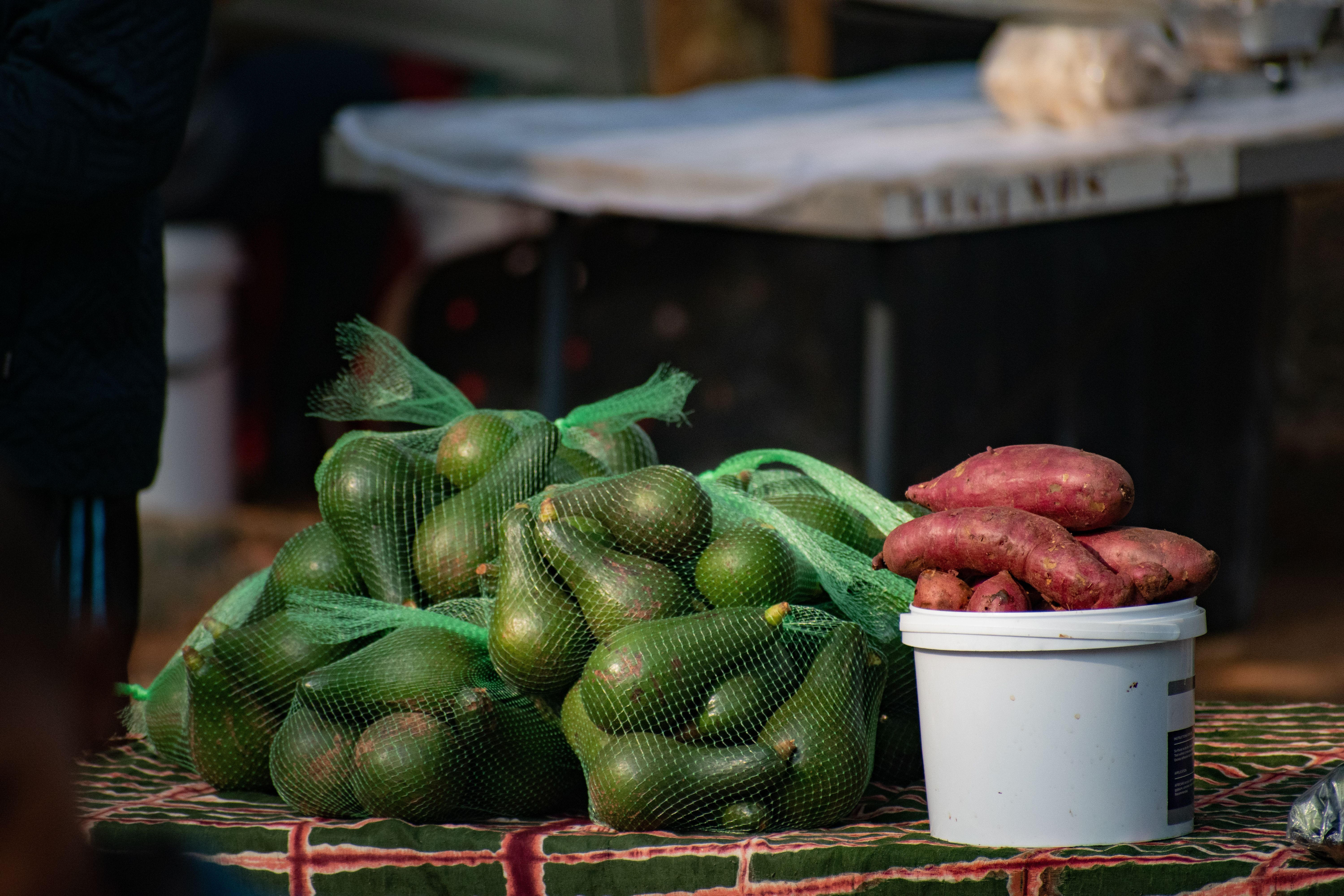
One of the primary concerns revolves around water usage. While some reports suggest that avocados in high-rainfall regions of Kenya can be largely rain-fed, requiring minimal irrigation — as little as 10 liters per kilo (World Avocado Organisation) — the broader context of a changing climate and increased demand paints a more precarious picture. Globally, avocado cultivation is often cited as water-intensive, with estimates of up to 320 liters per single avocado (Greenmatch). As Kenya faces increasingly erratic weather patterns and localized droughts, the sustainability of its water resources, particularly for agriculture, comes under intense scrutiny. Furthermore, while many Kenyan growers actively employ sustainable practices like organic farming and intercropping, which maintain soil health and promote biodiversity, the sheer scale of the 'gold rush' poses a risk of unsustainable land use if unchecked by stringent environmental regulations and consistent oversight.
Key Insights & Strategies for Sustainable Avocado Farming
The path to sustainable avocado farming in Kenya requires a multi-faceted approach, balancing economic incentives with environmental stewardship. Understanding the nuances of cultivation and implementing proactive strategies are paramount to ensuring the longevity of this vital industry.
Prioritizing Water-Efficient Irrigation
While Kenya benefits from considerable rainfall in its avocado-growing regions, the threat of drought necessitates smart water management. Investing in and implementing advanced irrigation systems is crucial.
- Drip Irrigation: This method delivers water directly to the plant's root zone, minimizing evaporation and runoff. It significantly reduces water waste compared to flood or sprinkler irrigation.
- Rainwater Harvesting: Collecting and storing rainwater during peak seasons can provide a supplementary water source during dry spells, lessening reliance on groundwater or river systems.
- Soil Moisture Sensors: Utilizing technology to monitor soil moisture levels allows farmers to irrigate only when necessary, optimizing water use and preventing over-watering.
Promoting Agroforestry and Intercropping
Integrating avocado trees with other crops and native vegetation offers numerous ecological benefits, moving beyond monoculture practices.
- Enhanced Biodiversity: Planting diverse crops alongside avocados creates a more resilient ecosystem, attracting beneficial insects for pollination and pest control.
- Soil Health Improvement: Intercropping with nitrogen-fixing legumes or cover crops enriches soil fertility, reduces erosion, and improves water retention. Avocado tree leaves also contribute to soil organic matter when decomposed (Freshela Exporters).
- Microclimate Regulation: Companion planting can create favorable microclimates, providing shade, reducing temperature fluctuations, and conserving soil moisture for the avocado trees.

Empowering Smallholder Farmers with Knowledge
Given that the majority of Kenya's avocado production comes from smallholders, their education and empowerment are central to driving sustainable practices.
- Training Programs: Comprehensive training on sustainable cultivation techniques, pest and disease management, and post-harvest handling can significantly improve yields and reduce environmental impact.
- Access to Resources: Facilitating access to eco-friendly fertilizers, organic pesticides, and improved seed varieties supports sustainable transitions.
- Cooperative Models: Strengthening farmer cooperatives enables collective bargaining, shared resources, and knowledge exchange, fostering a more resilient and sustainable agricultural community. These cooperatives can also enforce environmental standards and ensure market access for sustainably produced avocados. For those looking to support or engage with firms committed to these principles, you can Explore sustainable living solutions with Eco-Oasis Firm.
Case Studies: Navigating the Path to Sustainable Avocado Production
While the broader avocado industry faces environmental scrutiny, Kenya offers examples of initiatives striving for more sustainable practices. These case studies highlight efforts to mitigate risks and foster responsible growth within the sector.
Kakuzi PLC: A Model of Integrated Sustainability?
Kakuzi PLC, a major agricultural company in Kenya, publicly emphasizes its commitment to sustainability, quality, and traceability in avocado production. They state that they do not take water from fragile ecosystems, displace wildlife, or cut down natural forests for their avocado operations (Kakuzi). This proactive stance aims to differentiate Kenyan avocados from those produced in regions facing severe environmental criticisms. Kakuzi's approach often involves large-scale, managed farms that implement certifications and audits to ensure compliance with international environmental standards.
However, it is important to acknowledge external reports that have raised serious human rights concerns related to some large-scale avocado farms in Kenya, including allegations of violence and exploitation against local communities (Food Empowerment Project). These reports highlight the critical need for robust social governance and ethical labor practices alongside environmental sustainability, emphasizing that true sustainability must encompass both ecological and social well-being.
Smallholder Farmers Embracing Organic Methods
A significant portion of Kenya's avocado wealth comes from smallholder farmers, many of whom have organically adopted sustainable techniques. By avoiding synthetic fertilizers and pesticides, these farmers maintain soil health and promote biodiversity. Organic farming not only preserves the environment but also enhances the marketability of their produce, appealing to health-conscious consumers (Kangafruits). This decentralized, community-driven approach, often utilizing traditional knowledge combined with modern sustainable methods, presents a powerful model for localized resilience and environmental protection.
For example, in the Mount Kenya region, where avocado is a crucial crop, small-scale growers are increasingly receiving capacity building and technical knowledge to improve management of pests and diseases, further reducing reliance on chemical inputs (FAO AGRIS). This investment in local expertise is vital. A credible statistic to underscore the impact: Studies show that diversified farming systems, common among smallholders employing intercropping and organic methods, can increase overall farm productivity by 10-20% compared to monocultures, while significantly reducing environmental footprint.
Common Mistakes to Avoid
As Kenya's avocado industry continues its rapid expansion, it's crucial for growers, policymakers, and consumers alike to recognize and steer clear of common pitfalls that can undermine sustainability efforts and exacerbate environmental risks.
Ignoring the Local Water Balance
One of the gravest mistakes is to expand avocado cultivation without a thorough understanding of the local hydrological cycle and existing water resources. While some regions may have sufficient rainfall, abstracting excessive water for irrigation in semi-arid areas or during dry seasons can quickly deplete aquifers and river levels, leading to severe water scarcity for both human consumption and other agricultural needs. This can spark conflicts over shared resources and damage delicate ecosystems.
Monoculture and Chemical Dependency
Relying solely on large-scale monoculture avocado farming, where only one crop is grown over vast areas, can lead to depleted soil nutrients, increased susceptibility to pests and diseases, and a heavy reliance on chemical fertilizers and pesticides. These chemicals harm soil biodiversity, pollute water sources, and can have adverse effects on farm workers and nearby communities. It also makes the entire system vulnerable to market fluctuations and climate shocks.
Displacing Indigenous Food Crops
The 'gold rush' mentality can lead farmers to abandon cultivation of traditional staple food crops in favor of high-value avocados. While economically attractive in the short term, this shift can severely compromise local food security. If avocado prices drop, or if environmental conditions lead to poor harvests, communities become highly vulnerable to food shortages and economic instability, undermining the very livelihoods the industry was meant to uplift.
Neglecting Soil Health and Biodiversity
Intensive farming practices without proper soil conservation measures can lead to erosion, nutrient depletion, and loss of soil structure. Furthermore, clearing diverse vegetation to plant uniform avocado orchards reduces local biodiversity, impacting pollinators, natural pest predators, and the overall resilience of the ecosystem. This long-term damage is often more costly to repair than to prevent.
Expert Tips & Best Practices for Eco-Conscious Growers
For Kenyan avocado farmers aiming to maximize yields while upholding environmental integrity, adopting expert-backed strategies is paramount. These best practices not only enhance sustainability but can also lead to increased profitability and market access.
Implement Integrated Pest Management (IPM)
Move away from blanket pesticide application towards a more holistic IPM approach. This involves a combination of methods:
- Biological Control: Introduce or encourage natural predators and parasites of avocado pests.
- Cultural Practices: Maintain orchard hygiene, prune effectively, and select disease-resistant varieties.
- Monitoring: Regularly scout for pests and diseases to intervene only when necessary and with targeted solutions. Try switching to Explore sustainable living solutions with Eco-Oasis Firm for a range of organic pest control options.
This reduces chemical use, protects biodiversity, and can lead to healthier, more marketable produce.
Embrace Regenerative Agriculture Principles
Regenerative agriculture focuses on improving soil health, biodiversity, and ecosystem services. Key practices include:
- Cover Cropping: Planting non-cash crops between avocado trees to protect soil from erosion, suppress weeds, and add organic matter.
- Minimal Tillage: Reducing soil disturbance preserves soil structure and microbial life.
- Composting: Utilizing organic waste to create nutrient-rich compost, reducing the need for synthetic fertilizers and improving soil water retention.
Seek Certification for Sustainable Practices
Obtaining certifications like Fairtrade, Organic, or GlobalGAP can open doors to premium markets and demonstrate a commitment to sustainability. These certifications often require adherence to strict environmental and social standards, including responsible water management, ethical labor practices, and minimized chemical use. Being certified can offer a competitive edge and build consumer trust.
Invest in Local Value Addition
Beyond exporting raw avocados, explore opportunities for local value addition such as producing avocado oil, guacamole, or cosmetics. This creates more local jobs, increases profitability per unit of produce, and reduces the carbon footprint associated with transporting bulky whole fruit. It also diversifies income streams for farmers and processors.
Collaborate and Share Knowledge
Participate in farmer groups, cooperatives, and agricultural extension services. Sharing experiences, best practices, and challenges with fellow growers can lead to innovative solutions and collective improvements in sustainability. Collaborative efforts can also strengthen advocacy for supportive policies and resources.
Future Trends & Predictions for Kenya's Avocado Sector
The trajectory of Kenya's avocado industry is poised for significant evolution, shaped by global market dynamics, climate change, and growing consumer demand for sustainable products. Understanding these trends is crucial for strategic planning and ensuring long-term prosperity.
Rising Demand for Certified Sustainable Avocados
As global awareness of environmental and social issues grows, consumers in key export markets (Europe, China) are increasingly demanding ethically and sustainably produced food. This trend will intensify, making certifications like Fairtrade, Organic, and GlobalGAP not just an advantage, but a necessity for market access. Kenyan producers who proactively invest in these certifications will secure a stronger competitive position.
Advancements in Climate-Smart Agriculture
Climate change poses a direct threat to agricultural productivity in Kenya, with more frequent droughts and unpredictable rainfall patterns. The future will see greater adoption of climate-smart agriculture technologies. This includes precision irrigation systems, drought-resistant avocado varieties, weather forecasting tools, and agro-ecological farming methods that enhance resilience against climate shocks. Investment in research and development for climate-adapted avocado cultivation will be paramount.
Increased Focus on Water Governance and Management
Given the escalating concerns about water scarcity, there will be a heightened focus on robust water governance within the avocado sector. This means stricter regulations on water abstraction, incentives for water-efficient technologies, and community-led water management initiatives. Expect to see greater transparency and accountability regarding water footprints across the supply chain, pushing for collective solutions to ensure equitable water distribution.
Diversification and Value Addition
To mitigate market risks associated with exporting raw fruit and to capture more value locally, Kenya's avocado sector will likely diversify its offerings. This includes increased investment in processing facilities for avocado oil, purées, and other by-products. This trend will create more jobs within Kenya, reduce post-harvest losses, and stabilize income for farmers by offering multiple revenue streams beyond fresh fruit exports.
Leveraging Digital Technologies for Efficiency
Digitalization will play a critical role in optimizing avocado farming. This includes mobile applications for agronomic advice, market information, and financial services for smallholder farmers. Drone technology for monitoring crop health and irrigation needs, and blockchain for enhanced traceability from farm to fork, are also emerging trends that will improve efficiency, transparency, and consumer trust.
Conclusion: Cultivating a Sustainable Future
Kenya's avocado industry stands at a pivotal juncture, brimming with economic promise yet shadowed by significant environmental and social challenges. The narrative is not simply one of 'gold rush' but rather of a complex interplay between prosperity and peril. While avocado exports have undeniably uplifted many smallholder farmers and boosted national income, the questions surrounding water scarcity, land degradation, and future food security are too critical to ignore.
The path forward demands a concerted effort from all stakeholders. Farmers must continue to embrace and expand sustainable practices—from water-efficient irrigation and agroforestry to organic cultivation and integrated pest management. Policymakers must implement and enforce robust environmental regulations, ensuring that economic growth does not come at the expense of ecological integrity. Consumers, both local and international, have a role to play by supporting certified sustainable produce and demanding transparency throughout the supply chain.
Ultimately, the sustainability of Kenya's avocado wealth hinges on a commitment to responsible stewardship. By prioritizing environmental health, empowering local communities, and investing in climate-smart agriculture, Kenya can ensure its 'green gold' truly enriches the nation for generations to come, without compromising the delicate balance of its natural ecosystems. For those inspired to be part of the solution, or to discover more about sustainable living and farming practices, we encourage you to Explore sustainable living solutions with Eco-Oasis Firm.
FAQs
Q1: How much water do avocados in Kenya really need, compared to the global average?
A: While global averages suggest avocados are water-intensive, consuming around 320 liters per fruit, avocados in high-rainfall regions of Kenya can be largely rain-fed, requiring as little as 10 liters of supplementary irrigation per kilo. This significant difference is due to favorable climatic conditions in Kenya, allowing for more natural water absorption. However, this is not uniform across all regions, and local water availability must always be a key consideration for sustainable expansion (World Avocado Organisation).
Q2: Is avocado farming in Kenya leading to deforestation?
A: Unlike some other major avocado-producing countries where deforestation is a significant concern, sources suggest that avocado expansion in Kenya primarily occurs on land previously used for other agricultural crops, rather than pristine forests. Kenyan legislation requires environmental impact assessments for land-use changes, which aims to protect natural forests, waterways, and wetlands. Reputable producers also state a commitment to not displacing wildlife or cutting down natural forests for their operations (Kakuzi).
Q3: How does the avocado gold rush impact local food security for Kenyan communities?
A: The rapid expansion of avocado as a lucrative cash crop carries a dual impact on local food security. While it provides substantial income for smallholder farmers, enhancing their economic stability and ability to purchase food, there is a risk that farmers might prioritize avocado cultivation over traditional staple food crops. If not managed carefully, this shift could reduce the land available for growing essential foods for local consumption, potentially leading to food shortages or increased reliance on market purchases, which can be vulnerable to price fluctuations and climate shocks (Food Empowerment Project).
Q4: What sustainable farming practices are Kenyan avocado farmers adopting?
A: Many Kenyan avocado farmers, particularly smallholders, are embracing a variety of sustainable practices. These include organic farming, which avoids synthetic fertilizers and pesticides to maintain soil health and biodiversity. Intercropping, where avocados are grown alongside other crops like beans or vegetables, helps improve soil health, enhance nutrient cycling, and reduces the need for external inputs. Agroforestry, integrating trees and shrubs into farming systems, also contributes to biodiversity conservation and carbon sequestration (Kangafruits).
Q5: What role do smallholder farmers play in Kenya's avocado industry and its sustainability?
A: Smallholder farmers are the backbone of Kenya's avocado industry, accounting for approximately 85% of total production (FAO AGRIS). Their active participation is crucial for the industry's sustainability. Many naturally employ sustainable practices, and with proper support, training, and access to resources, they can further enhance environmentally responsible cultivation. Empowering these farmers through cooperatives and fair trade ensures that the economic benefits are distributed equitably, fostering community resilience alongside ecological health.
Q6: How can consumers support sustainable avocado farming in Kenya?
A: Consumers can play a vital role by making informed choices. Look for avocados with certifications such as Fairtrade, Organic, or GlobalGAP, which indicate adherence to higher environmental and social standards. Prioritize purchasing from brands or retailers that offer transparency about their supply chains and source directly from farmers committed to sustainable practices. Supporting initiatives that empower smallholder farmers and promote agro-ecological methods also contributes positively. Educating oneself about the origins and practices behind the food consumed is the first step towards responsible consumption (The Eco Experts).
Suggested Internal Links:
- Water Conservation Techniques for Sustainable Farming
- The Benefits of Agroforestry in African Agriculture
- Empowering Smallholder Farmers for Sustainable Development
- Understanding Regenerative Agriculture Principles
- How Certifications Drive Sustainable Food Systems
- Climate-Smart Agriculture: The Future of Farming


0 Comments