

Who Profits From Kenya's Avocado Gold?
Estimated Reading Time: 11 minutes
Introduction: The Unseen Divide in Kenya's Agricultural Boom
Kenya, a nation celebrated for its vibrant agricultural landscape, has recently emerged as a global powerhouse in avocado and macadamia production. The sight of lush orchards stretching across fertile lands promises prosperity, positioning these crops as the nation's 'green gold.' However, beneath this shimmering facade of export success, Kenya's avocado and macadamia boom hides a stark truth. Discover how export profits bypass small farmers, consolidating wealth for a select few. Get the real story. This article delves into the often-overlooked disparities within this rapidly expanding sector, exploring how the lucrative global demand for these high-value crops often fails to translate into tangible benefits for the smallholder farmers who form the backbone of this industry. We will uncover the intricate web of market dynamics, power imbalances, and sustainability challenges that define the current landscape, seeking to illuminate the path towards a more equitable and environmentally conscious future for Kenyan agriculture.
Background & Context: The Rise of Kenya's Green Gold
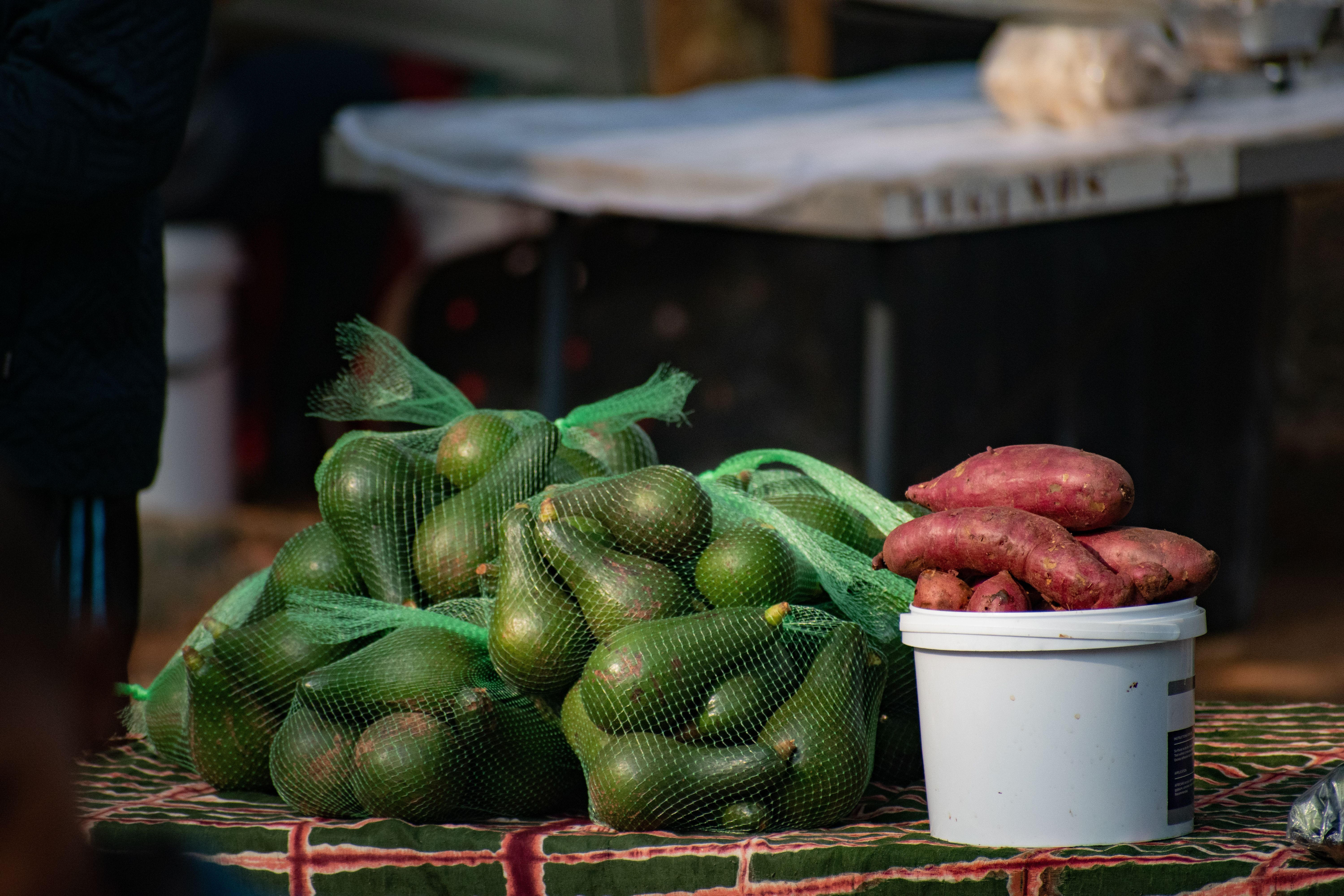
Kenya stands as Africa's largest exporter of avocados and a significant player in the global macadamia market, with these crops becoming vital foreign exchange earners. The nation's diverse agro-ecological zones, from the central highlands to the Rift Valley, provide ideal conditions for cultivation, fostering a rapid expansion of production. While the overall statistics paint a rosy picture of growth—with avocado production projected to reach nearly 450,000 metric tonnes by 2026, representing an annual growth of 3.5% (Mwangi, 2024)—the reality on the ground for the majority of small-scale farmers is often less optimistic. These farmers, who contribute to approximately 70% of Kenya's avocado production, face significant hurdles that prevent them from fully capitalizing on the global demand (IFPRI, 2020). The dream of economic upliftment through avocado and macadamia farming remains elusive for many, trapped in a cycle where low prices, unreliable buyers, and limited market access define their struggle.
Key Insights or Strategies: Unpacking the Profit Paradox
Market Access Disparities and the Role of Intermediaries
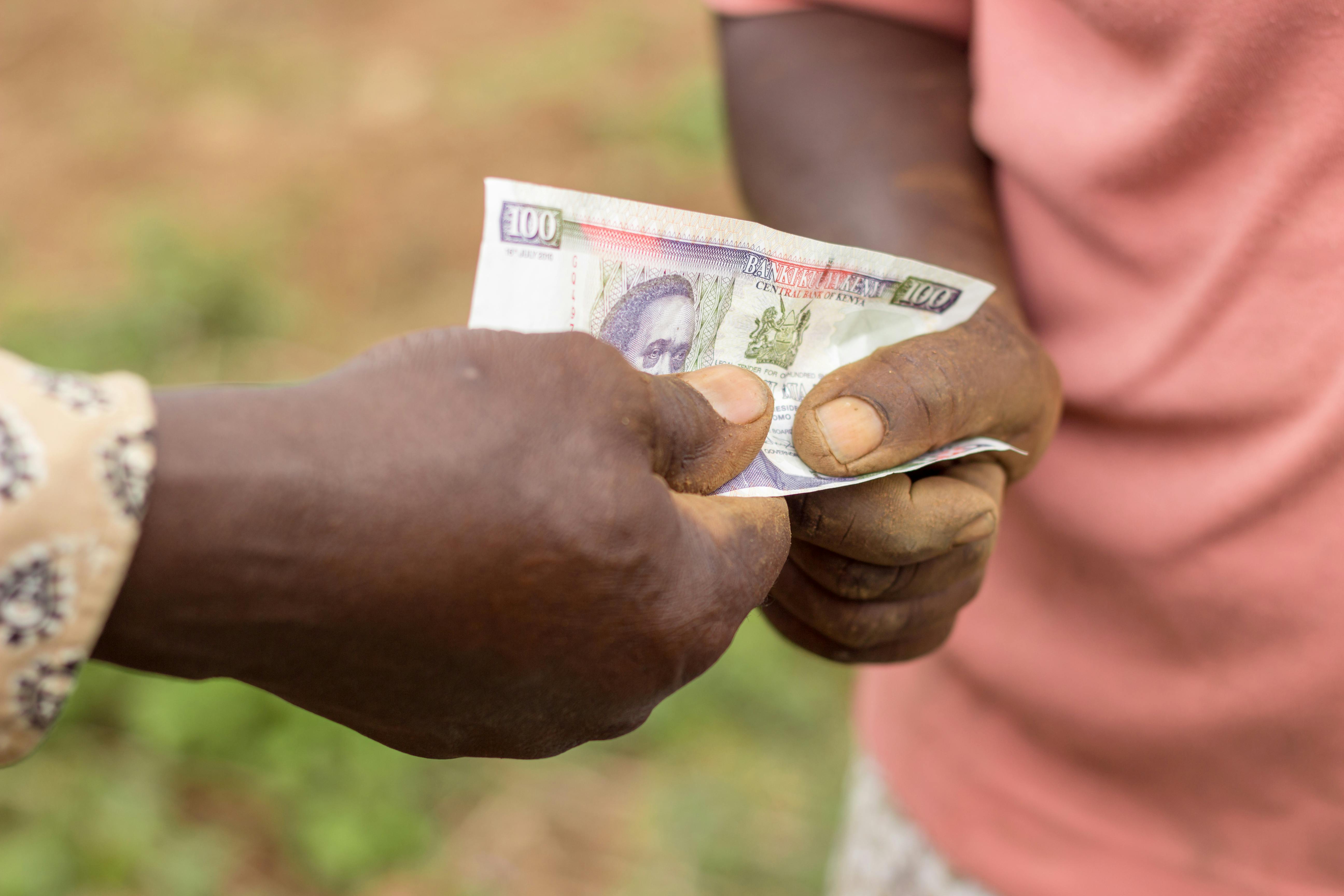
A primary reason why export profits bypass small farmers is the complex and often exploitative market chain. Smallholder farmers typically lack direct access to international buyers and are forced to rely on numerous intermediaries, from unlicensed collecting agents to large-scale exporters. These intermediaries often dictate low farm-gate prices, absorbing the lion's share of the profit margin as the produce moves up the value chain. Farmers, without collective bargaining power or transparent pricing information, become vulnerable to these unfair practices.
Actionable Steps:
Quality Control, Certifications, and Capacity Building
Global markets demand stringent quality and adherence to international standards. Small farmers often struggle with poor seedling quality, inadequate farming techniques, and lack of access to extension services, leading to lower yields and inconsistent quality that fails to meet export requirements. Certifications like Fairtrade and organic farming, while opening doors to premium markets, also come with costs and compliance challenges that can be prohibitive for individual smallholders.
Actionable Steps:
For smallholder farmers aiming to bridge the gap between their produce and profitable, sustainable markets, understanding and leveraging global agricultural best practices is critical. To further your knowledge and explore tools that can help in sustainable farming and market access, we encourage you to Explore sustainable living solutions with Eco-Oasis Firm.
Case Studies, Examples, or Comparisons: Pathways to Prosperity, or Peril?
The contrast between the prosperity of large-scale commercial farms and the struggles of smallholder farmers in Kenya's avocado and macadamia sectors is stark. Major exporters like Kakuzi, Vegpro, and Sunripe often have integrated supply chains, advanced cold storage facilities, and direct market access, enabling them to capture significant value. They source primarily from smallholder farmers but also from their own plantations or larger growers (IFPRI, 2020). This consolidation of power means that while the export volumes soar, the wealth remains concentrated.
However, there are inspiring counter-examples. LIMBUA, a Kenyan company, demonstrates a more equitable model, working with over 9,000 smallholder farmers to market organic macadamia nuts, avocados, and mangoes. Through organic certification and fair trade practices, LIMBUA offers farmers fair pay, transparency, and access to premium markets (Dr. Hauschka Australia, 2019). They even provide training and quality seedlings from their own nursery, showcasing how direct partnerships and commitment to ethical sourcing can transform livelihoods.
Comparing this to the situation where unlicensed collecting agents aggregate small amounts of produce from individual farmers and sell to larger, AFA-licensed agents, the difference in farmer earnings is significant. These collection agents often exploit farmers' lack of market information, offering prices far below the actual market value. A study by the African Development Bank noted that smallholder farmers' earnings have not been fully realized despite enterprise performance improvements, citing low productivity, unpredictable markets, and unreliable buyers as main challenges (Irungu, 2020).
Common Mistakes to Avoid for Sustainable Farming
Smallholder farmers in Kenya often make several critical errors that hinder their profitability and sustainability in the avocado and macadamia boom. One common mistake is planting uncertified or poor-quality seedlings, leading to low survival rates, stunted trees, and significantly reduced yields. Without proper agronomic practices, such as adequate spacing, pruning, and soil nutrient management, trees may not reach their full potential, impacting long-term productivity.
Another pitfall is failing to understand market dynamics. Farmers often plant crops based on current high prices without conducting thorough market research or securing buyer commitments, leading to gluts and price drops when their produce matures. Relying solely on a single cash crop, without diversification, also exposes them to significant financial risk from market fluctuations or disease outbreaks. Many farmers also overlook the importance of post-harvest handling, resulting in spoilage and rejection of produce that could otherwise fetch better prices. Finally, ignoring the environmental impact by using excessive chemical fertilizers or unsustainable water practices can degrade land over time, undermining future productivity.
Expert Tips or Best Practices for Equitable Growth
To navigate the complexities of Kenya's avocado and macadamia markets and secure a fairer share of the 'green gold,' smallholder farmers can adopt several expert tips and best practices:
Implementing these strategies can transform the livelihood of smallholder farmers and contribute to a more sustainable agricultural sector. For tools, resources, and further guidance on adopting these eco-conscious and economically viable practices, we invite you to Explore sustainable living solutions with Eco-Oasis Firm.
Future Trends or Predictions: Shifting Tides in Global Agriculture
The future of Kenya's avocado and macadamia sectors is poised for significant transformation, driven by evolving global trends and increasing scrutiny on sustainable and ethical sourcing. We predict a growing emphasis on traceability and transparency across the entire supply chain. Consumers in key export markets are becoming increasingly aware of the environmental and social costs associated with their food, demanding verifiable proof of sustainable practices and fair compensation for farmers.
Innovations in agri-tech, such as precision agriculture, advanced irrigation systems, and remote sensing, are likely to become more accessible to larger cooperatives and progressive smallholders, optimizing resource use and improving yields. Furthermore, there will be a continued push towards value addition within Kenya, moving beyond the export of raw produce. Investment in local processing facilities for avocado oil, macadamia butter, and other derivatives will create more jobs and retain a larger share of the profits domestically.
The role of climate change adaptation will also intensify. As Kenya experiences more erratic weather patterns, drought-resistant varieties, water-efficient farming, and climate-smart agriculture techniques will be crucial for the long-term viability of these crops. Finally, the rise of conscious consumerism and ethical trade movements will likely strengthen the position of certified fair trade and organic producers, offering a competitive edge to farmers who embrace these standards.
Conclusion: Cultivating a Fairer Future for Kenya's Farmers
The narrative of Kenya's avocado and macadamia boom is a complex one, woven with threads of incredible potential and significant disparity. While the 'green gold' brings substantial foreign exchange to the nation, the critical examination reveals that Kenya's avocado and macadamia boom hides a stark truth. Discover how export profits bypass small farmers, consolidating wealth for a select few. Get the real story. It is imperative that this booming sector evolves to prioritize the well-being and economic empowerment of the smallholder farmers who underpin its success. By fostering stronger cooperatives, championing fair trade and sustainable certifications, investing in local value addition, and demanding greater transparency, Kenya can transform its agricultural export success into a truly inclusive prosperity.
The journey towards equitable and sustainable agriculture is a shared responsibility, requiring concerted efforts from policymakers, exporters, consumers, and, most importantly, the farmers themselves. As we look ahead, the vision for Kenya's agricultural future must be one where growth is not just measured in export volumes, but in the improved livelihoods, environmental resilience, and shared prosperity of all its stakeholders. Let us collectively strive to cultivate a future where the promise of green gold truly benefits everyone involved.
To be part of this transformative journey and explore impactful solutions for sustainable living and ethical sourcing, we encourage you to Explore sustainable living solutions with Eco-Oasis Firm.
FAQs: Addressing Common Questions on Kenya's Avocado & Macadamia Sectors
1. What is the future of avocado farming in Kenya?
The future of avocado farming in Kenya appears promising with continued growth in production and export volumes. Projections indicate a substantial increase in output, driven by global demand for Hass avocados, which dominate the export market. However, the future’s sustainability and equitability hinge on addressing current challenges such as market access for smallholders, climate change impacts, and the need for improved farming practices. Emphasis on value addition, diversification, and adherence to international quality and sustainability standards will be crucial for long-term success (Mwangi, 2024).
2. What are the problems with growing avocados in Kenya?
Small-scale avocado farmers in Kenya face a myriad of challenges. These include poor seedling quality leading to low yields and stunted growth, inadequate access to credit and extension services, and susceptibility to pests and diseases. Crucially, inconsistent market access and reliance on exploitative intermediaries result in unpredictable and often low farm-gate prices, diminishing profitability. Furthermore, water scarcity in some regions due to avocados being a 'thirsty crop' poses an environmental and practical challenge (Lubano, 2021).
3. What factors influence high avocado yields in Kenya?
High avocado yields in Kenya are primarily influenced by optimal environmental conditions, including well-drained, fertile soils, generous rainfall, and temperatures between 20-28 degrees Celsius, often found in high-altitude regions. Beyond climate, successful cultivation requires adopting best practices such as planting certified, disease-free seedlings, proper spacing, effective pest and disease management, timely pruning, and efficient irrigation techniques like drip irrigation. The choice of suitable varieties like Hass for export also plays a significant role in market acceptance and yield potential (Felix Instruments, 2023).
4. How can small-scale avocado farmers in Kenya improve their profits?
Improving profits for small-scale avocado farmers involves several strategies. Firstly, forming or joining strong farmer cooperatives can enhance collective bargaining power, improve market access, and reduce reliance on intermediaries. Secondly, investing in certified, high-quality seedlings and adopting good agricultural practices improves yield and quality, fetching better prices. Thirdly, pursuing certifications like Fairtrade or organic farming opens doors to premium markets. Finally, exploring local value addition, such as processing avocados into oil or pulp, allows farmers to capture a larger share of the value chain (Royal Seedlings, 2023).
5. What are the environmental impacts of avocado farming in Kenya?
While avocado trees can contribute to increased tree cover and environmental conservation, large-scale commercial avocado farming can have significant environmental impacts. These include high water usage, potentially depleting local water resources, especially if unsustainable irrigation methods are employed. There's also a risk of deforestation and biodiversity loss if natural forests are cleared for new plantations. However, many Kenyan avocado farms are adopting sustainable practices like rainwater harvesting, drip irrigation, and regenerative agriculture to mitigate these impacts, promoting soil health and minimizing chemical use (VFood Industries LTD, 2024).
6. How does fair trade benefit Kenyan avocado and macadamia farmers?
Fair trade certification offers significant benefits to Kenyan avocado and macadamia farmers by providing a minimum price guarantee and a Fairtrade Premium, which is invested in community projects. This ensures farmers receive stable and fairer prices for their produce, protecting them from market volatility. Fair trade also promotes transparent supply chains, empowering farmers with better market knowledge and direct relationships with buyers. Additionally, it encourages sustainable farming practices and adherence to social standards, improving working conditions and promoting environmental stewardship, as exemplified by companies like LIMBUA working with Fairtrade certified smallholders (Dr. Hauschka Australia, 2019).


0 Comments