

Kenya Avocado Gold Rush: Farmers Face Ruin
Estimated Reading Time: 15 minutes
TL;DR:Kenya's surging avocado exports, while boosting national income, frequently lead to significant challenges for smallholder farmers, including exploitation, diminished food security, and environmental degradation.Intensive avocado cultivation often exacerbates water scarcity in already vulnerable regions and can contribute to soil depletion and biodiversity loss if not managed sustainably.Premature harvesting, driven by market pressure and inadequate knowledge, compromises fruit quality, lowers prices for farmers, and harms Kenya's reputation in international markets.Lack of access to certified seedlings, proper training, and fair market linkages leaves many small-scale producers susceptible to predatory practices and limited profitability.Adopting climate-smart agriculture, fair trade practices, and strengthening farmer cooperatives are crucial steps towards ensuring the avocado industry benefits all stakeholders and safeguards ecological balance.
Key Takeaways:Prioritize sustainable farming methods like drip irrigation and intercropping to mitigate environmental impacts and enhance soil health.Educate smallholder farmers on best practices for harvesting and quality control to meet international standards and secure better prices.Advocate for and support policies that promote fair trade and provide stable market access for small-scale avocado growers.Invest in community-led initiatives that empower farmers with resources and knowledge to improve their yields sustainably.Diversify agricultural practices where appropriate to reduce reliance on single cash crops and bolster local food security.
Table of ContentsIntroduction: The Lure of Green GoldBackground & Context: The Rise of Kenya's Avocado EmpireKey Insights & Strategies for Sustainable Avocado FarmingCase Studies: Navigating the Avocado BoomCommon Mistakes to Avoid in Avocado CultivationExpert Tips & Best Practices for Resilient FarmingFuture Trends & Predictions in Kenya's Avocado SectorConclusion: Cultivating a Sustainable FutureFAQs About Kenya's Avocado Industry
Introduction: The Lure of Green Gold
In the sun-drenched landscapes of Kenya, a silent revolution has been unfolding—a green gold rush driven by the global appetite for avocados. This vibrant fruit, once a humble staple, has transformed into a lucrative cash crop, propelling Kenya to become one of the world's leading avocado exporters. Yet, beneath the gleaming promise of economic prosperity, a critical question emerges: Kenya's avocado exports soar, but at what cost? Explore how this 'green gold' rush may exploit small farmers, deplete resources, and threaten food security. For many smallholder farmers, the dream of prosperity can quickly turn into a struggle against market volatility, environmental strain, and social inequalities. This article delves into the complexities of Kenya's booming avocado industry, examining its profound impacts on local communities and ecosystems, and charting a path towards a more equitable and sustainable future.Background & Context: The Rise of Kenya's Avocado Empire
Kenya stands as a formidable force in the global avocado market, holding its position as Africa's leading producer and exporter. The country's ideal climate, characterized by well-distributed rainfall and moderate temperatures, particularly in high-altitude regions with fertile, well-drained soils, provides optimal conditions for avocado cultivation, especially for popular varieties like Hass and Fuerte (Felix Instruments). Approximately 70% of Kenya's avocado production comes from small-scale growers, who typically manage less than an acre of land (IFPRI). This sector has seen remarkable growth, with projections indicating a continued upward trend in exports, driven by escalating global demand from markets in Europe, the Middle East, and Asia (Agroberichten Buitenland). However, this rapid expansion is not without its challenges. The push for increased production has put immense pressure on natural resources and exposed vulnerabilities within the agricultural supply chain, prompting urgent calls for more sustainable and equitable practices.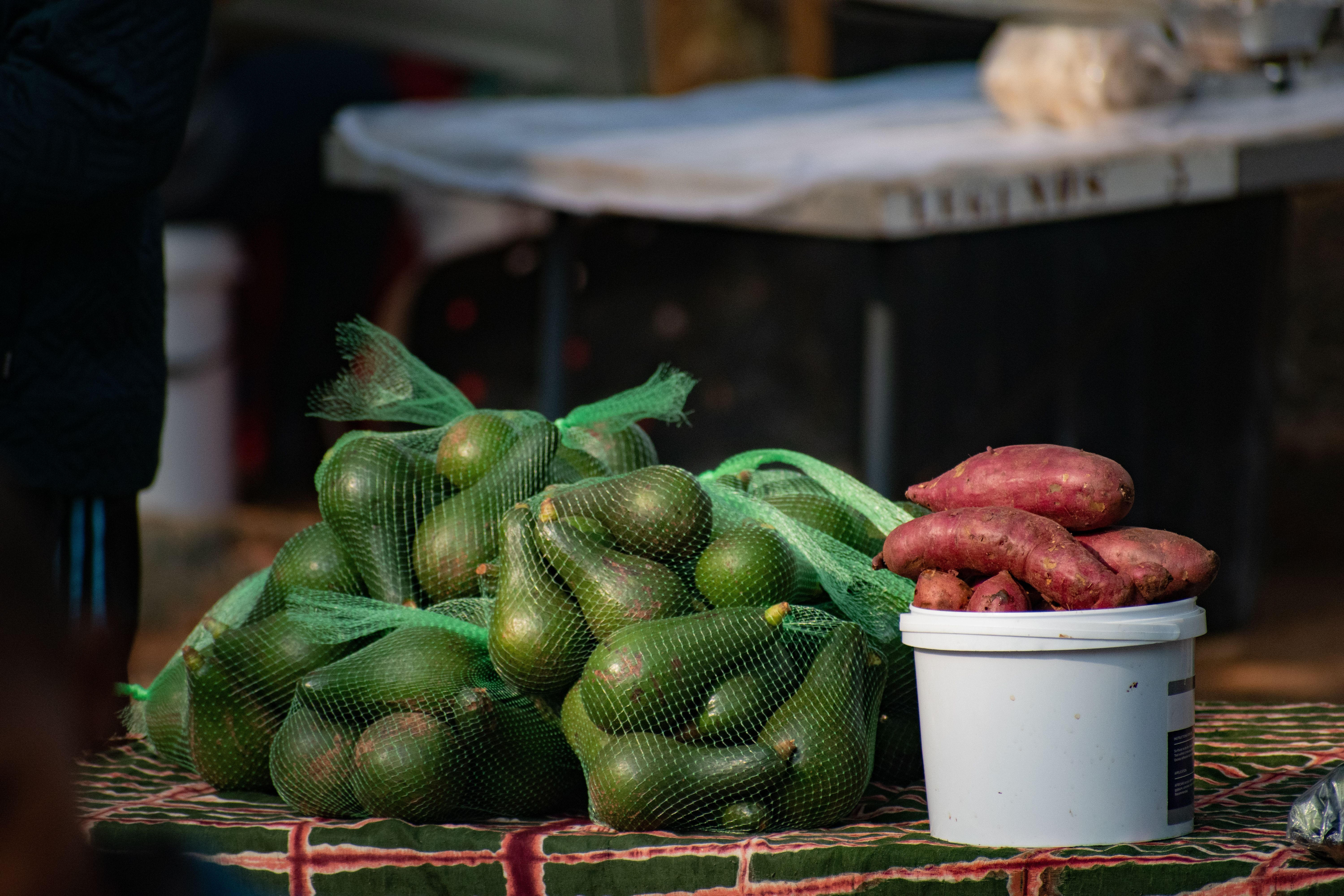 Historically, avocado farming in Kenya has been a source of modest income for many, but the recent 'gold rush' has transformed it into a high-stakes venture. While the potential for increased earnings for smallholder farmers is significant—with participation in export markets potentially raising incomes by nearly 39% due to higher prices (Elewa.org)—numerous barriers persist. These include high costs associated with harvesting and transport, liquidity issues, and the transactional costs of farmer organizations (IFPRI). The environmental footprint is also a growing concern; avocados are known as a 'thirsty crop,' and their intensive cultivation can lead to significant water consumption, depleting local water supplies, especially in drought-prone regions (Food Empowerment Project).
Key Insights & Strategies for Sustainable Avocado Farming
Achieving true sustainability in Kenya's avocado sector requires a multi-faceted approach that addresses both environmental stewardship and social equity. This means empowering smallholder farmers with knowledge, resources, and fair market access, while simultaneously safeguarding the natural resources that underpin agricultural productivity.Addressing Water Scarcity Through Innovation
Avocado trees demand substantial water, posing a significant challenge in semi-arid areas.Enhancing Soil Health and Biodiversity
Monoculture farming, prevalent in some avocado operations, can degrade soil over time.
Empowering Smallholder Farmers
The success of Kenya's avocado industry hinges on the prosperity of its small-scale growers.Case Studies, Examples, or Comparisons
The journey towards sustainable avocado farming in Kenya is marked by both challenges and inspiring successes. Examining real-world examples highlights the potential for positive change when communities and organizations collaborate.One prominent challenge has been documented with some large-scale operations. For instance, the Kakuzi avocado farm in Kenya, owned by the British agricultural company Camellia, has faced severe accusations of human rights abuses, including violence against local communities (Food Empowerment Project). Such incidents underscore the critical need for robust ethical oversight and accountability within the industry to prevent exploitation and ensure social responsibility. This dark side of the 'green gold' rush starkly contrasts with the aspirations of many smallholder farmers who simply seek a fair livelihood.Conversely, there are growing initiatives focused on empowering smallholder farmers through climate-smart agriculture. In regions like Makueni, farmers are turning to avocado farming not just for income, but as a restoration tool, planting trees that help build soil health and diversify their incomes (World Resources). These efforts often involve training farmers in sustainable water management techniques, such as precision irrigation and rainwater harvesting, which significantly optimize water usage and improve productivity. For example, a Tech for Farming documentary in 2023 highlighted Mr. Kiplagat, an avocado farmer from Uasin Gishu, who saw his yields and produce quality improve after investing in precision irrigation and nutrient management systems (Felix Instruments).These examples illustrate a crucial point: while the potential for economic gain from avocados is undeniable, the path to achieving it sustainably and ethically requires deliberate effort. It involves moving beyond monoculture practices that deplete soil and biodiversity, as seen in traditional farming, towards integrated systems that mimic natural ecosystems. Studies show that overreliance on monoculture crops can degrade soil year after year and increase dependence on chemical inputs, harming pollinators and contaminating waterways (Food Empowerment Project). The contrast between exploitative large-scale operations and community-focused sustainable initiatives offers a clear roadmap for the future of Kenya's avocado industry.Common Mistakes to Avoid
In the race to capitalize on the avocado boom, many farmers, particularly smallholders, inadvertently fall into traps that undermine their long-term sustainability and profitability. Avoiding these common pitfalls is crucial for building a resilient and ethical avocado farming operation.Firstly, premature harvesting is a significant issue. Driven by immediate financial needs or pressure from unscrupulous buyers, farmers often pick avocados before they reach optimal maturity. This results in inferior quality fruit that does not ripen properly, leading to lower market prices and damaging Kenya's reputation for quality produce in international markets (USDA FAS Report). Strict adherence to maturity standards is essential for maintaining market value and trust.Secondly, over-reliance on conventional chemical pesticides and fertilizers presents both environmental and economic risks. While these inputs might offer short-term gains, they contribute to soil degradation, water contamination, and can harm beneficial insects, including pollinators. Export markets are also increasingly tightening regulations on pesticide residues, making produce treated with heavy chemicals difficult to sell (Agroberichten Buitenland). A shift towards Integrated Pest Management (IPM) and organic practices is vital.Thirdly, inadequate knowledge of climate-smart agriculture practices leaves farmers vulnerable to changing weather patterns and reduced yields. Many farmers lack information on appropriate planting techniques, optimal spacing, soil health management, and efficient water use, leading to suboptimal returns (World Agroforestry). Neglecting soil testing and proper land preparation can also hinder tree health and productivity significantly.Finally, lack of diversified income streams makes farmers highly susceptible to avocado market fluctuations. When prices drop or yields fail, those solely reliant on avocados face severe financial hardship, threatening their livelihoods and food security. Integrating other crops or livestock can provide a buffer against such volatility. Avoiding these common mistakes requires a commitment to education, sustainable practices, and strategic planning.Expert Tips & Best Practices
For smallholder farmers in Kenya to thrive in the avocado industry while safeguarding their land and communities, adopting expert-backed best practices is paramount. These tips focus on enhancing productivity, ensuring sustainability, and securing fair market access.First and foremost, invest in certified, high-quality seedlings from reputable nurseries. This foundational step is critical for ensuring healthy growth, disease resistance, and ultimately, better yields and fruit quality. The Kenya Agricultural and Livestock Research Organization (KALRO) consistently advises farmers to plant only certified seedlings to avoid low yields and returns. Ensure correct planting hole sizes (at least 60 cm x 60 cm x 60 cm) and mix soil with manure for optimal initial growth (World Agroforestry).Secondly, prioritize soil health management through organic enrichment and proper tillage. Regular soil testing helps identify nutrient deficiencies and allows for targeted fertilization using organic compost. Practices like intercropping with nitrogen-fixing plants or cover crops not only improve soil fertility but also reduce erosion and enhance beneficial microbial activity.Thirdly, master water conservation techniques. Given the 'thirsty' nature of avocados, efficient water use is non-negotiable. Beyond drip irrigation and rainwater harvesting, consider soil moisture monitoring to apply water only when necessary. This prevents both overwatering and underwatering, optimizing tree health and conserving a precious resource.Fourthly, adopt Integrated Pest Management (IPM) strategies. This involves a holistic approach to pest control, minimizing reliance on synthetic pesticides. Techniques include using beneficial insects, crop rotation, physical barriers, and targeted biological controls. This protects the environment, ensures safer produce, and meets stricter export regulations.Finally, seek continuous education and training. The agricultural landscape is dynamic, with new challenges and innovations emerging regularly. Participate in workshops, join farmer field schools, and connect with agricultural extension services to stay updated on best practices for climate-smart agriculture, market demands, and quality standards. Farmers in Kisii County, for example, are benefiting from partnerships that provide knowledge, certification, and direct market linkages for sustainable and profitable avocado farming (LinkedIn - Fred Munene). Try switching to bio-pesticides or organic soil amendments for energy-efficient solutions and a healthier farm. For more comprehensive resources and to connect with a network committed to ecological balance and farmer empowerment, Explore sustainable living solutions with Eco-Oasis Firm.Future Trends & Predictions
The future of Kenya's avocado industry is poised at a critical juncture, with several emerging trends and predictions shaping its trajectory. Navigating these developments effectively will determine whether the 'green gold' rush becomes a truly sustainable success story for all stakeholders.One significant trend is the increasing global demand for sustainably sourced produce. Consumers in key export markets, particularly Europe, are becoming more conscious of the environmental and social footprint of their food choices. This means stricter import regulations regarding pesticide residues, water usage, and labor practices will continue to evolve. Kenyan farmers and exporters who can demonstrate adherence to certified sustainable standards (e.g., GLOBALG.A.P.) will gain a competitive edge (Agroberichten Buitenland).Another key prediction is the continued integration of technology in smallholder farming. Digital tools for weather forecasting, soil analysis, and market price information will become more accessible, helping farmers make informed decisions. Precision agriculture technologies, like remote sensing and IoT-enabled irrigation, though currently more common in larger farms, are expected to trickle down to smaller operations, optimizing resource use and improving yields (Felix Instruments).Furthermore, there will be a strong emphasis on diversification and value addition within the avocado sector. Beyond fresh fruit exports, opportunities for processing avocados into oils, cosmetics, or other by-products are emerging. This not only creates new revenue streams but also reduces waste and can stabilize market prices for farmers (ScienceDirect). Utilizing avocado peels and seeds, traditionally disposed of as waste, offers potential for high-value functional properties beneficial to various industries.Finally, climate change adaptation strategies will become increasingly critical. As Kenya experiences more erratic weather patterns, including prolonged droughts and intense rainfall, climate-smart agriculture practices will shift from recommendations to necessities. This includes developing drought-resistant avocado varieties, implementing robust water management infrastructure, and expanding agroforestry systems to enhance climate resilience. The ability of the industry to adapt to these environmental shifts will be paramount for its long-term viability and the food security of local communities.Conclusion: Cultivating a Sustainable Future
The narrative of Kenya's avocado industry is one of immense potential intertwined with profound challenges. While the 'green gold' rush has undoubtedly brought economic opportunities, it has also cast a shadow over smallholder farmers and environmental sustainability. Kenya's avocado exports soar, but at what cost? Explore how this 'green gold' rush may exploit small farmers, deplete resources, and threaten food security. This question remains central to understanding the industry's true impact. The exploitation of small farmers through unfair pricing and lack of market access, coupled with the depletion of vital resources like water and fertile soil, paint a complex picture that demands urgent, collective action.Moving forward, the imperative is clear: the avocado industry must evolve towards a model that prioritizes equity, ecological balance, and long-term resilience. This entails empowering smallholder farmers with knowledge, access to sustainable technologies, and fair market linkages. It requires a concerted effort to shift from resource-intensive practices to climate-smart agriculture, emphasizing water conservation, soil health, and biodiversity. Government policies, private sector investments, and farmer initiatives must align to create a value chain that is transparent, ethical, and regenerative. Only through such a holistic approach can Kenya truly harness the economic benefits of its avocado wealth without sacrificing the well-being of its people or its precious natural heritage. We must ensure that the green gold truly enriches all, fostering a future where both farmers and the environment thrive in harmony. For actionable steps and collaborative solutions to these pressing issues, Explore sustainable living solutions with Eco-Oasis Firm.FAQs About Kenya's Avocado Industry
Q1: Why are Kenyan smallholder avocado farmers facing ruin despite rising exports?
Despite Kenya being a major avocado exporter, smallholder farmers often face ruin due to several factors. These include high operational costs (harvesting, transport, organization fees), lack of direct market access, exploitation by middlemen offering low prices, and insufficient knowledge of international quality standards. Additionally, climate change impacts and water scarcity can reduce yields, further squeezing already tight margins for farmers who lack resources for sustainable practices (IFPRI).
Q2: What are the primary environmental impacts of the avocado gold rush in Kenya?
The rapid expansion of avocado farming in Kenya carries significant environmental costs. A major concern is high water consumption, as avocados are a water-intensive crop, leading to the depletion of local water sources, especially in drought-prone areas (Food Empowerment Project). Monoculture practices can also lead to soil degradation, nutrient depletion, and a loss of biodiversity. The increased use of chemical pesticides and fertilizers contaminates soil and waterways, harming ecosystems and human health.
Q3: How does the avocado boom threaten food security in Kenya?
The focus on avocado as a lucrative cash crop can divert land and resources away from essential food crops traditionally grown for local consumption. This shift towards export-oriented agriculture can reduce the availability of diverse food staples, making local communities more reliant on external food sources and vulnerable to price fluctuations. When avocado harvests fail or market prices drop, farmers may face severe food shortages, directly impacting household food security (World Agroforestry).
Q4: What sustainable farming practices are being adopted or recommended for Kenyan avocado farmers?
Several sustainable practices are recommended and being adopted to mitigate the negative impacts of avocado farming. These include efficient water management techniques like drip irrigation and rainwater harvesting, intercropping with other plants to improve soil fertility and biodiversity, and practicing agroforestry. The use of organic fertilizers and Integrated Pest Management (IPM) to reduce chemical reliance is also crucial. These methods aim to ensure long-term productivity while protecting natural resources (Kanga Fruits).
Q5: How can smallholder farmers improve their market access and get fair prices?
Improving market access and securing fair prices for smallholder farmers requires collective action and support. Joining or forming farmer cooperatives allows for collective bargaining, reduces transaction costs, and facilitates direct access to larger buyers and export markets. Training on quality control and post-harvest handling ensures produce meets international standards, commanding better prices. Additionally, advocating for fair trade certifications and transparent supply chains can help protect farmers from exploitation by middlemen (LinkedIn - Fred Munene).
Q6: What role do climate-smart agriculture practices play in the future of Kenya's avocado industry?
Climate-smart agriculture (CSA) is vital for the future resilience of Kenya's avocado industry, especially as climate change brings more unpredictable weather. CSA practices, such as adopting drought-resistant varieties, optimizing irrigation, implementing soil conservation techniques, and agroforestry, help farmers adapt to climate variability. These practices also contribute to reducing greenhouse gas emissions and enhance food security by stabilizing yields, making farming more sustainable and profitable in the long run (World Agroforestry).
Internal Link Suggestions:


0 Comments