

Estimated Reading Time: 11 minutes
Introduction: The Green Gold Rush That Left Many Behind
Kenya's avocado industry has been heralded as a 'green gold rush,' a burgeoning sector promising prosperity and economic upliftment. Indeed, the country has risen to become the sixth-largest global avocado producer, exporting thousands of metric tons annually. Yet, beneath this glossy veneer of success lies a harsh reality: despite Kenya's avocado boom, small farmers are still broke. Learn why cartels, high costs, and poor market access hinder their economic fitness. Gain vital insights. This paradox is a critical issue that demands our immediate attention, as the very backbone of this industry—the smallholder farmer—struggles to reap the benefits of their labor. The economic fitness test, it seems, has been rigged against them.
Background & Context: Kenya's Avocado Paradox
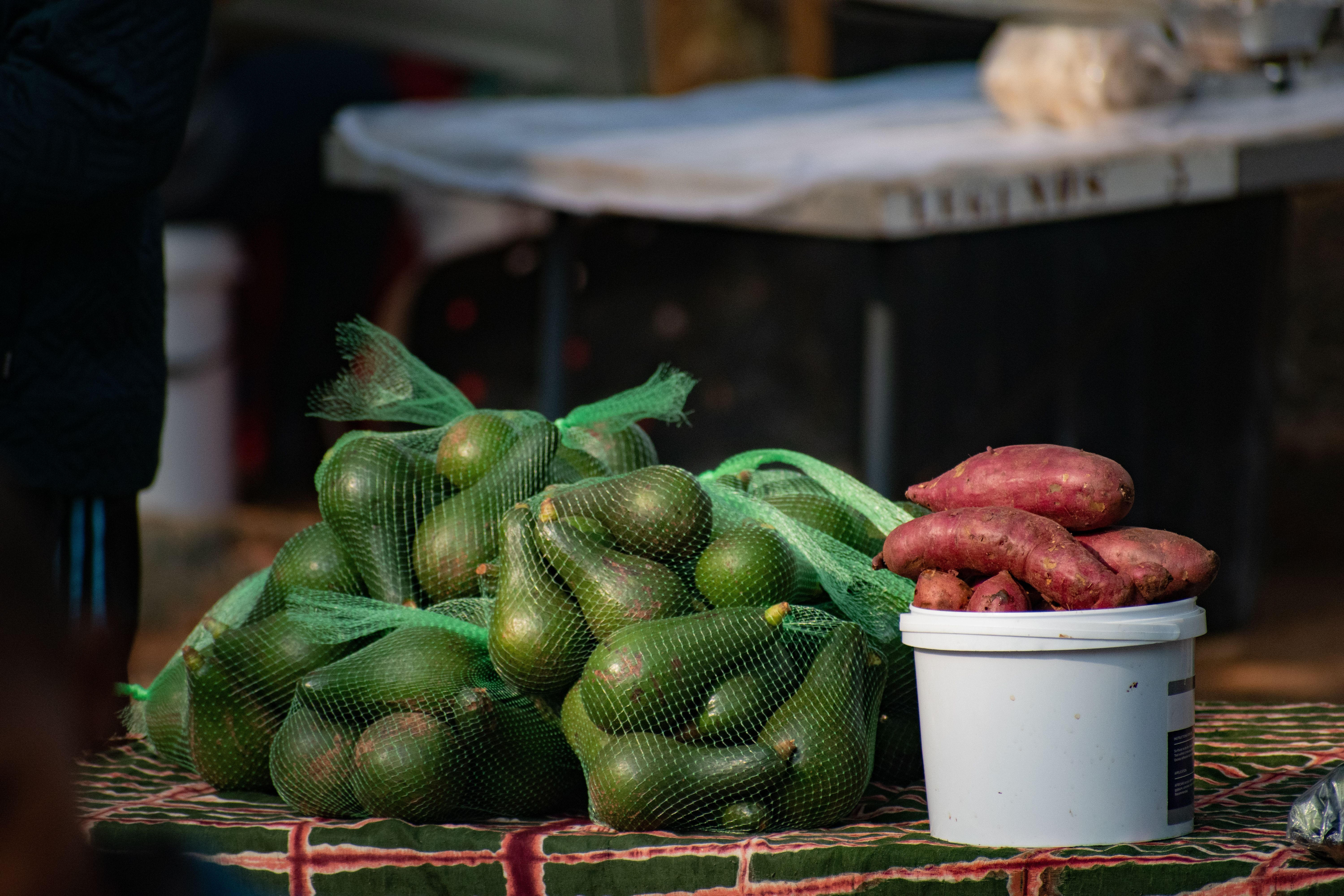
Avocado cultivation in Kenya is largely driven by smallholder farmers, who constitute approximately 70% of the nation's nearly one million avocado producers, typically managing a modest 10 to 20 trees per homestead. This demographic is the lifeblood of the industry, yet they face an uphill battle against systemic challenges. The allure of avocados is undeniable, with the crop proving to be more lucrative than traditional cash crops like maize, coffee, and tea, prompting a significant shift in agricultural focus.
In 2023, Kenya's avocado production soared to 633,000 metric tons (TMT), a testament to the industry's potential. However, 2024 saw an 11.2% decline to 562 TMT, primarily due to reduced rainfall, highlighting the vulnerability of rain-fed agriculture. Despite these fluctuations, projections for 2025 anticipate a rebound to 585 TMT, underscoring the resilience and inherent demand for Kenyan avocados (USDA GAIN Report KE2025-0001, 2024). While domestic consumption accounts for a substantial 47% of production, the export market, particularly high-value international destinations, remains a critical avenue for growth and farmer prosperity. Yet, access to these lucrative markets is often elusive for small-scale growers.
Key Insights & Strategies: Unlocking Farmer Potential
The core problem isn't a lack of production or demand, but a deeply entrenched system that marginalizes smallholder farmers. Addressing this requires a multi-faceted approach.
Combating Cartel Influence and Market Monopolies
One of the most insidious threats to farmer profitability comes from powerful cartels and anti-competitive practices within the supply chain. These groups often impose excessively high profit margins, essentially an 'invisible tax' on both farmers and consumers (Business Insider Africa, 2023). This manipulation distorts market prices, leaving farmers with meager returns despite global demand.
Improving Market Access and Reducing High Costs
Smallholder farmers often face significant barriers to accessing profitable export markets, including high input costs, lack of capital for quality improvements, and exorbitant transportation expenses. Moreover, delays in payment further strain their liquidity.
Enhancing Post-Harvest Management and Value Addition
A staggering 40-50% of horticultural produce in Kenya is lost due to poor storage and handling practices, representing a massive financial drain for farmers. Value addition, while an obvious solution, remains largely untapped.
To truly support a sustainable and equitable agricultural sector, it is vital to empower farmers with the knowledge and tools they need. Explore sustainable living solutions with Eco-Oasis Firm to discover how partnerships can drive positive change for farming communities and the environment.
Case Studies, Examples, or Comparisons: Pathways to Prosperity
While the challenges are formidable, several initiatives and successful models offer a glimpse into a more equitable future for Kenyan avocado farmers. One prominent example is the expansion of market access to China, which has granted duty-free access to exports from Kenya and other African countries. This move promises to open up new, lucrative avenues for farmers, potentially reducing reliance on traditional markets and fostering greater competition among buyers (Citizen TV Kenya, 2026). The key, however, lies in ensuring smallholders can genuinely access these expanded markets.
Organizations like SokoFresh™ in Kenya are pioneering a business model that directly addresses the challenges of post-harvest loss and market linkage for smallholder farmers. They offer off-grid, pay-as-you-store cold storage facilities at the first mile, coupled with digital market linkage services. This innovative approach helps farmers reduce the 40-50% post-harvest losses typically seen in horticulture, leading to significant financial gains and more consistent supply to buyers (SokoFresh™). Such initiatives demonstrate how targeted infrastructure and digital solutions can transform the economic landscape for small producers. By directly connecting farmers to buyers and providing crucial preservation technology, these models help to circumvent exploitative intermediaries and increase farmer income by up to 30%.
Common Mistakes to Avoid: Pitfalls on the Path to Profit
Even with good intentions, several common mistakes can undermine the efforts of smallholder avocado farmers and supporting organizations. Avoiding these pitfalls is critical for sustainable success.
Expert Tips & Best Practices: Cultivating a Fairer Future
Empowering Kenyan avocado farmers to thrive requires a blend of practical knowledge, strategic planning, and collective action. Here are some expert tips for cultivating a more prosperous and sustainable future.
By implementing these practices, farmers can not only improve their yields and incomes but also build more resilient and environmentally friendly farming systems. To learn more about sustainable agricultural practices and connect with a network committed to a better future, explore sustainable living solutions with Eco-Oasis Firm.
Future Trends & Predictions: A Greener Horizon?
The future of Kenya's avocado industry is poised for significant transformation, driven by both global demand and local innovation. One of the most promising trends is the increasing focus on sustainable and ethical sourcing. Consumers in key export markets are becoming more aware of the environmental and social impacts of their food choices, leading to a greater demand for avocados produced with minimal ecological footprint and fair labor practices. This will necessitate greater adoption of organic farming methods, responsible water management, and transparent supply chains among Kenyan farmers. The push for certifications like Rainforest Alliance and Fairtrade will intensify, potentially offering premium prices for compliant producers.
Technological advancements are also set to play a crucial role. The proliferation of mobile technology and internet access in rural Kenya will continue to facilitate the adoption of digital agricultural platforms. These platforms can offer precise weather forecasting, disease detection, soil analysis, and direct market access, empowering farmers with real-time data and broader connectivity. Furthermore, advancements in cold chain logistics, including solar-powered cold storage units, are expected to become more widespread, dramatically reducing post-harvest losses and extending the market reach for perishable produce. The government's continued efforts to expand international market access, particularly to high-value markets in Asia, will also be a key determinant of future growth and profitability for the sector. As these trends converge, the expectation is a gradual shift towards a more integrated, efficient, and equitable avocado value chain, provided policy and investment support these crucial transitions.
Conclusion: Sowing Seeds of Change for Sustainable Prosperity
The narrative of Kenya's avocado industry is a compelling dichotomy: a booming sector on the global stage, yet one that leaves its most vital players—the smallholder farmers—struggling. The 'gold rush' has indeed proven to be a fitness test, and too many farmers are failing due to the insurmountable obstacles of cartel exploitation, prohibitive operational costs, and severely limited market access. It is clear that without targeted interventions, the dream of prosperity from avocado farming will remain elusive for the majority.
To truly unlock the potential of this green gold, a concerted effort is required from all stakeholders: government, NGOs, exporters, and consumers. Investing in robust infrastructure, fostering direct market linkages, providing accessible finance and training, and aggressively combating market cartels are not just recommendations—they are imperatives. Only by dismantling these systemic barriers and building a more transparent, equitable, and efficient value chain can we ensure that the bounty of Kenya's avocados genuinely benefits those who cultivate it. It's time to transform the avocado boom into a shared prosperity, creating a legacy of sustainable agriculture and empowered communities.
Join us in advocating for and supporting sustainable farming initiatives. Explore sustainable living solutions with Eco-Oasis Firm and become a part of the movement for a fairer, greener future.
FAQs
Q1: Why are Kenyan smallholder avocado farmers struggling despite the industry's growth?
Despite Kenya being a top global avocado producer, smallholder farmers often struggle due to a combination of factors. These include exploitation by cartels that manipulate market prices, high operational costs for inputs and transport, limited access to lucrative export markets, inadequate cold storage leading to significant post-harvest losses, and a lack of access to affordable credit and training (IFPRI, 2017; USDA GAIN Report KE2025-0001, 2024).
Q2: What role do cartels play in hindering farmers' economic fitness?
Cartels in Kenya's agricultural sector engage in anti-competitive practices, such as price-fixing and imposing excessively high profit margins. This creates an 'invisible tax' that suppresses the prices paid to farmers for their produce, while simultaneously driving up consumer costs. This market manipulation significantly reduces the income potential for smallholder farmers, making it difficult for them to cover their costs and achieve economic stability (Business Insider Africa, 2023).
Q3: How can small-scale avocado farmers in Kenya improve their market access?
Improving market access for small-scale farmers requires several strategies. This includes joining and strengthening farmer cooperatives to gain collective bargaining power, utilizing digital platforms for direct buyer connections, participating in government-backed initiatives for expanded export markets (like the duty-free access to China), and investing in quality control and certifications (e.g., GlobalG.A.P.) to meet international standards (Citizen TV Kenya, 2026; SokoFresh™).
Q4: What are the main post-harvest challenges and how can they be addressed?
Post-harvest challenges predominantly revolve around significant losses (estimated at 40-50% for horticultural produce) due to poor handling, lack of proper storage, and inadequate transportation. These can be addressed by establishing accessible, affordable cold storage facilities at the farm gate or collection points, training farmers in proper harvesting and handling techniques, and investing in improved rural road infrastructure to minimize transit time and damage (SokoFresh™; IFPRI, 2017).
Q5: Is avocado farming still profitable for smallholders in Kenya, considering the challenges?
Avocado farming holds significant potential for profitability, often proving more lucrative than traditional crops like maize or tea. However, the actual profitability for smallholder farmers is severely diminished by the aforementioned challenges: cartel exploitation, high costs, and poor market access. While the gross potential is high, net profits are often insufficient to lift farmers out of poverty. Strategic interventions are needed to ensure farmers retain a fairer share of the value chain's profits (USDA GAIN Report KE2025-0001, 2024).
Q6: What sustainable practices can Kenyan avocado farmers adopt for long-term success?
For long-term success, Kenyan avocado farmers can adopt several sustainable practices. These include Integrated Pest Management (IPM) to reduce chemical reliance, water-efficient irrigation methods like drip irrigation, soil health management through organic amendments and cover cropping, and cultivating drought-resistant avocado varieties. Additionally, engaging in fair trade practices and seeking certifications demonstrate commitment to both environmental stewardship and social responsibility, enhancing market appeal (ECHOcommunity, n.d.).


0 Comments