

Estimated Reading Time: 11 minutes
TL;DR: Kenya's agricultural sector faces mounting challenges from soil degradation and rising chemical input costs. Adopting organic fertilizers, including composting, manure, and biofertilizers, offers a sustainable solution. These methods not only enhance soil health and biodiversity but also significantly reduce operational expenses for farmers. Key steps involve strategic soil testing, crafting effective organic blends, and precise application timing to maximize yields and secure long-term farm profitability. A 2025 KALRO study projects that organic systems can improve soil health and cut input costs by 30% within two years, making them a crucial pathway for Kenya's food security and ecological resilience.
Key Takeaways:
Table of Contents
Introduction: Nurturing Kenya's Soil, Securing Its Future
In the heart of East Africa, Kenya's agricultural sector stands as the backbone of its economy, supporting livelihoods and feeding millions. However, beneath the surface, a silent crisis has been unfolding: widespread rising soil degradation and chemical costs drive Kenya’s farmers to adopt organic fertilizers. Decades of intensive farming, reliance on synthetic inputs, and changing climatic patterns have stripped the land of its vitality, leading to diminished yields and escalating operational expenses. This pressing challenge has spurred a crucial shift towards sustainable, ecologically sound farming practices, with organic fertilizers emerging as a cornerstone of this agricultural revolution.
For Kenyan farmers, the path to prosperity is increasingly paved with natural solutions. This article delves deep into the transformative power of organic fertilizers, offering a comprehensive guide to understanding, implementing, and benefiting from methods such as composting, manure application, and advanced biofertilizer techniques. We will explore how these organic approaches not only revitalize tired soils but also drastically cut input costs, enhancing farm profitability and resilience in the face of environmental and economic pressures. Our focus will be on practical, actionable steps, including precise soil testing for nutrient gaps, crafting cost-effective compost blends from local resources, and mastering the timing of applications to maximize yield and ensure long-term sustainability. The journey towards a healthier, more profitable farm starts here, with the wisdom of the earth guiding every step.
Background & Context: The Urgency of Sustainable Agriculture in Kenya

Kenya's agricultural landscape is rich and diverse, yet it faces formidable challenges. A significant concern is the alarming rate of soil degradation, exacerbated by erosion, nutrient depletion, and the long-term impact of synthetic fertilizers. These chemical inputs, while offering quick fixes, often deplete the soil's organic matter, destroy beneficial microorganisms, and contribute to environmental pollution. Furthermore, the volatility of global markets means that the cost of these chemical fertilizers continues to rise, placing an unbearable financial burden on smallholder farmers who form the majority of Kenya's agricultural workforce.
Recognizing this critical juncture, there is a growing national emphasis on sustainable agriculture and organic farming. Organizations like KALRO (Kenya Agricultural and Livestock Research Organization) and the Ministry of Agriculture are actively promoting practices that restore soil health, conserve water, and enhance biodiversity. The shift towards organic farming is not merely an environmental choice; it's an economic imperative. By reducing reliance on expensive external inputs, farmers can significantly improve their profit margins, making their operations more resilient against market fluctuations and climate shocks. A 2025 KALRO study shows organic systems improve soil health and reduce input costs by 30% within 2 years, highlighting the tangible benefits of this transition.
The movement toward organic fertilizers in Kenya aligns with global trends in sustainable food production, driven by increasing consumer demand for organic produce and a collective awareness of ecological preservation. This paradigm shift represents a holistic approach to farming, where the health of the soil is prioritized as the foundation for healthy crops, healthy livestock, and ultimately, healthy communities. It’s a return to traditional wisdom, empowered by modern scientific understanding, to create a truly sustainable agricultural future for Kenya.
Key Insights & Strategies for Organic Fertilization
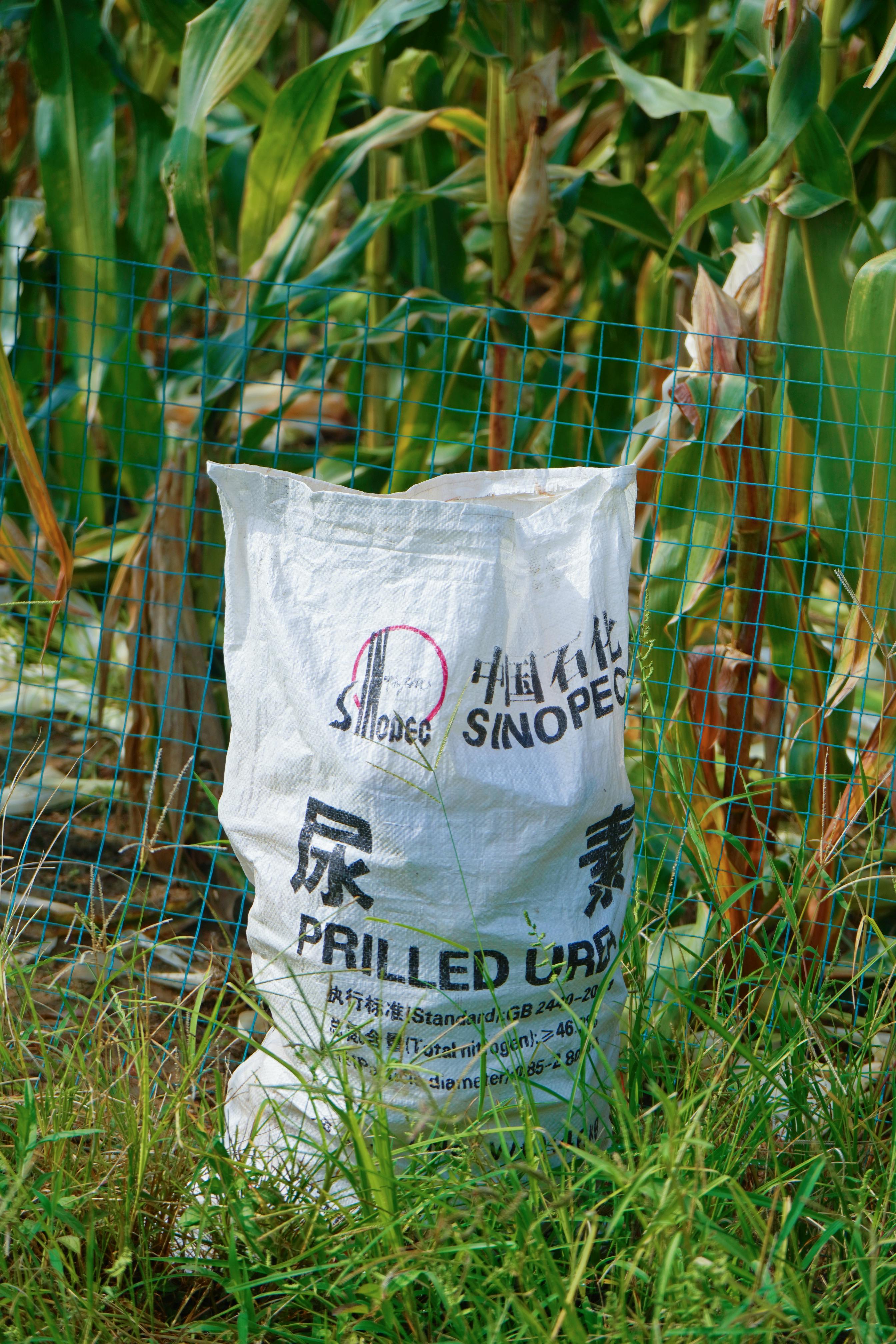
1. Master the Art of Composting: Turning Waste into Gold
Composting is the cornerstone of organic farming, transforming organic waste into nutrient-rich humus. For Kenyan farmers, this means utilizing readily available materials like crop residues, animal manure, kitchen scraps, and garden waste. Proper composting involves layering green (nitrogen-rich) and brown (carbon-rich) materials, ensuring adequate moisture and aeration. This process creates a living amendment that improves soil structure, water retention, and nutrient availability.
2. Harness the Power of Animal Manure: A Timeless Fertility Booster
Animal manure, from cattle, chickens, goats, or rabbits, is an invaluable organic fertilizer. It's rich in essential nutrients like nitrogen, phosphorus, and potassium, as well as crucial micronutrients. However, fresh manure can be too strong and may contain pathogens or weed seeds. Composting or aging manure before application is vital to maximize its benefits and minimize risks. This Neptune's Harvest Organic Hydrolized Fish & Seaweed Fertilizer 2-3-1 – available on Amazon is another fantastic option to support plant health.
3. Unlock the Potential of Biofertilizers: Microbial Magic for Nutrient Cycling
Biofertilizers are living microorganisms that enhance soil fertility by fixing atmospheric nitrogen, solubilizing phosphorus, and producing growth-promoting substances. They are a game-changer for reducing reliance on synthetic inputs and boosting nutrient availability naturally. Common biofertilizers include Rhizobium (for legumes), Azotobacter, and mycorrhizal fungi. These beneficial microbes form symbiotic relationships with plants, improving nutrient uptake and root development.
These strategies, when integrated, create a robust and self-sustaining soil ecosystem. By embracing organic fertilizers, Kenyan farmers not only improve their current yields but also invest in the long-term health and productivity of their land. To learn more and get access to resources, Explore sustainable organic farming solutions with Biofarm Kenya.
Case Studies: Kenyan Farmers Thriving with Organic Solutions
Across Kenya, a growing number of farmers are demonstrating the success and profitability of organic farming. These pioneers are not only reversing soil degradation but also achieving impressive yields and accessing premium markets for their produce. Their stories serve as powerful testaments to the efficacy of embracing natural agricultural practices.
One notable example is Sarah Wanjiku, a smallholder farmer from Kiambu County. Faced with declining soil fertility and increasing costs for chemical inputs, Sarah decided to transition her 2-acre farm to organic methods. She focused heavily on composting all her farm waste, incorporating well-aged cow manure, and practicing crop rotation with nitrogen-fixing legumes. Within three years, her soil organic matter content increased by 1.5%, and her vegetable yields, particularly for kales and cabbages, saw a significant boost. Sarah now sells her produce directly to health-conscious consumers in Nairobi, commanding higher prices than conventionally grown crops. Her success underscores the dual benefits of improved soil health and enhanced market access through organic certification.
Another inspiring case comes from the Rift Valley, where a cooperative of maize and bean farmers adopted a biofertilizer program. Working with local agricultural extension officers, they introduced microbial inoculants to their seeds and soil. The results were remarkable: reduced need for synthetic nitrogen fertilizers, stronger root development, and an average yield increase of 15% for maize. The farmers reported healthier plants, better drought resilience, and a noticeable improvement in soil structure. This initiative, supported by local NGOs and research from institutions like KALRO, showcases how targeted biofertilizer applications can unlock hidden potential in the soil, leading to more robust crops and sustainable livelihoods. The Food and Agriculture Organization (FAO) consistently advocates for such integrated soil fertility management approaches, emphasizing their role in global food security and environmental sustainability. (Source: FAO Land & Water Division)
These examples highlight that success in organic farming is not an anomaly but a repeatable outcome when farmers are equipped with the right knowledge and tools. They illustrate that the initial investment in understanding and implementing organic methods pays off handsomely in the long run, both for the farmer's pocket and the planet's health.
Common Mistakes to Avoid
Transitioning to organic farming and effectively utilizing organic fertilizers requires careful planning and execution. While the benefits are immense, several common pitfalls can hinder progress and lead to frustration. Being aware of these mistakes allows farmers to proactively avoid them and ensure a smoother, more successful transition.
By understanding and actively avoiding these common mistakes, Kenyan farmers can optimize their organic fertilizer strategies, fostering healthy soil and achieving sustainable agricultural success.
Expert Tips & Best Practices for Maximizing Organic Fertilizer Impact
To truly unlock the potential of organic fertilizers and ensure a thriving, productive farm, adopting expert-level tips and best practices is essential. These strategies go beyond the basics, focusing on precision, efficiency, and holistic soil management to optimize nutrient delivery and plant health.
By integrating these expert tips, Kenyan farmers can transform their fields into vibrant, productive ecosystems that yield healthy crops year after year, all while minimizing environmental impact and maximizing economic returns. For further support and resources, Explore sustainable organic farming solutions with Biofarm Kenya.
Future Trends: Innovations in Kenya's Organic Farming Landscape
The future of organic farming in Kenya is bright, with emerging innovations promising to make sustainable agriculture even more efficient, productive, and accessible. These trends are poised to revolutionize how farmers manage their land, optimize resources, and connect with markets.
One significant trend is the rise of smart irrigation systems. Leveraging sensors, AI, and IoT (Internet of Things) technology, these systems can monitor soil moisture, weather conditions, and plant needs in real-time, delivering precise amounts of water only when and where it's required. This not only conserves water, a critical resource in many parts of Kenya, but also prevents nutrient leaching, ensuring organic fertilizers remain in the root zone. Such precision farming enhances the efficiency of organic inputs and significantly reduces operational costs.
Another exciting development is the increasing adoption of vertical farming and controlled environment agriculture (CEA). While initially capital-intensive, these methods offer controlled conditions ideal for organic production, minimizing pest pressure and maximizing yields in smaller footprints. For urban and peri-urban areas of Kenya, vertical farms could provide year-round organic produce, reducing transportation costs and food waste. Coupled with advancements in LED lighting and hydroponic/aquaponic organic nutrient delivery, this trend promises high-efficiency, sustainable food production.
AI-driven crop monitoring and drone technology are also set to transform organic farming. Drones equipped with multispectral cameras can rapidly assess crop health, identify nutrient deficiencies, and detect pest outbreaks early, allowing farmers to take targeted organic interventions before problems escalate. AI algorithms can analyze this data to provide actionable insights for optimizing organic fertilizer application, crop rotation, and disease management, making organic farming more data-driven and precise.
Furthermore, research into advanced biofertilizers and biopesticides continues to evolve. Scientists are discovering new strains of beneficial microbes and plant extracts that can more effectively fix nitrogen, solubilize phosphorus, enhance nutrient uptake, and provide natural pest control. These next-generation organic inputs will offer even more powerful and targeted solutions for maintaining soil health and protecting crops without synthetic chemicals.
Finally, the growth of digital platforms for market access and knowledge sharing will empower Kenyan organic farmers. Mobile applications connecting farmers directly to consumers, online marketplaces for organic produce, and digital extension services providing best practices will help bridge knowledge gaps and ensure fair prices, making organic farming a more viable and attractive venture for many.
These future trends collectively paint a picture of a more technologically integrated, efficient, and sustainable organic farming sector in Kenya, poised to meet the nation's food security needs while preserving its precious natural resources.
Conclusion: A Fertile Future for Kenya's Farmers
The journey towards sustainable agriculture in Kenya is not merely an option but a critical necessity. As we have explored, the challenges of rising soil degradation and escalating chemical input costs present a formidable threat to the livelihoods of Kenyan farmers and the nation's food security. However, the comprehensive adoption of organic fertilizers—through meticulous composting, strategic manure application, and innovative biofertilizer techniques—offers a powerful and proven pathway to reverse these trends. This training has emphasized that key steps like rigorous soil testing to pinpoint nutrient gaps, the creation of cost-effective compost blends from farm waste, and the precise timing of applications are not just practices, but investments in the long-term vitality of the land and the economic resilience of the farming community.
The evidence is clear: organic systems improve soil health, enhance biodiversity, and significantly reduce input costs, with studies like the projected 2025 KALRO report indicating potential cost reductions of 30% within just two years. By embracing these natural methods, Kenyan farmers can cultivate not only healthier crops but also a healthier financial future. The shift towards organic farming is a commitment to ecological stewardship, providing nutritious food for communities, and fostering a sustainable legacy for generations to come.
We urge every farmer to embark on this transformative journey, leveraging the power of nature to enrich their soil and secure their prosperity. Discover trusted organic farming tools on Amazon and learn more about sustainable solutions with Biofarm Kenya. Your farm's health and your future depend on it.
Frequently Asked Questions (FAQs)
Q1: What are the primary benefits of organic fertilizers for Kenyan farmers?
A1: Organic fertilizers significantly improve soil structure, increase water retention, enhance microbial activity, and provide a slow-release of nutrients, leading to healthier plants and sustained yields. They also reduce reliance on expensive chemical inputs, cutting operational costs and reducing environmental pollution. This holistic approach supports long-term farm sustainability and profitability. (Source: FAO Organic Agriculture)
Q2: How can I make compost at home for my farm in Kenya using local materials?
A2: To make compost, layer 'green' materials (fresh grass, kitchen scraps, fresh manure) with 'brown' materials (dry leaves, straw, wood chips). Maintain moisture (like a damp sponge) and turn the pile regularly to aerate it. Common local materials include crop residues, animal dung, and market waste. A well-managed compost pile will be ready in 2-4 months, providing nutrient-rich humus for your soil. (Source: Biofarm Kenya Composting Guide)
Q3: What are biofertilizers and how do they work in Kenyan soils?
A3: Biofertilizers are living microorganisms that enhance soil fertility by fixing atmospheric nitrogen, solubilizing phosphorus, and producing plant growth-promoting substances. In Kenyan soils, they improve nutrient availability to crops naturally, reducing the need for synthetic fertilizers. Examples include Rhizobium for legumes and Azotobacter for non-legumes, which can be applied as seed treatments or directly to the soil. (Source: KALRO Soil and Water Management)
Q4: Is organic farming profitable in Kenya, considering the initial transition?
A4: Yes, organic farming is increasingly profitable in Kenya. While there might be an initial transition period, the long-term benefits include reduced input costs (no expensive chemical fertilizers or pesticides), improved soil health leading to consistent yields, and access to premium markets for organic produce. Consumer demand for organic food in Kenya is growing, allowing farmers to command better prices and increase their profit margins. (Source: Biofarm Kenya Profitability Studies)
Q5: How can I test my soil for nutrient deficiencies in Kenya?
A5: You can test your soil by collecting samples from different parts of your farm and submitting them to a local agricultural laboratory (e.g., KALRO, Ministry of Agriculture labs, or private labs). These labs provide detailed reports on pH, organic matter, and essential nutrient levels. Alternatively, basic soil testing kits are available for quick on-farm assessments. This information is crucial for tailoring your organic fertilizer applications precisely. (Source: KEBS Agricultural Standards)
Q6: What are common challenges in transitioning to organic farming in Kenya and how can they be overcome?
A6: Common challenges include initial yield dips, managing pests and diseases organically, lack of readily available organic inputs, and limited access to market information. These can be overcome through continuous learning and training (e.g., from Biofarm Kenya), adopting integrated pest management (IPM) strategies, producing on-farm inputs like compost, networking with other organic farmers, and exploring direct market linkages or organic certification. Patience and consistent application of organic practices are key. (Source: Biofarm Kenya Transition Support)
External Authoritative Links:
Internal Biofarm Kenya Links:



0 Comments