

Estimated Reading Time: 11 minutes
Introduction: Cultivating Resilience in Kenyan Maize Farms
Kenyan farmers in arid regions face urgent soil degradation and erratic rainfall, critical challenges threatening food security and livelihoods. For generations, maize has been the cornerstone of the Kenyan diet and economy, yet its production is increasingly vulnerable to environmental pressures. Traditional farming methods often exacerbate these issues, leading to depleted soils, reduced water retention, and a heavy reliance on costly chemical inputs.
However, a powerful, nature-based solution is gaining traction: implementing leguminous cover crops. This training focuses on how adopting species like cowpeas and lablab can fundamentally transform maize farming by restoring soil fertility and moisture retention. These remarkable plants work tirelessly beneath the surface, enriching the soil, suppressing weeds, and building resilience against the harsh climatic realities many smallholder farmers face. The evidence is compelling, with promising research from institutions like KALRO showcasing their profound impact.
Background & Context: The Urgent Need for Sustainable Soil Management
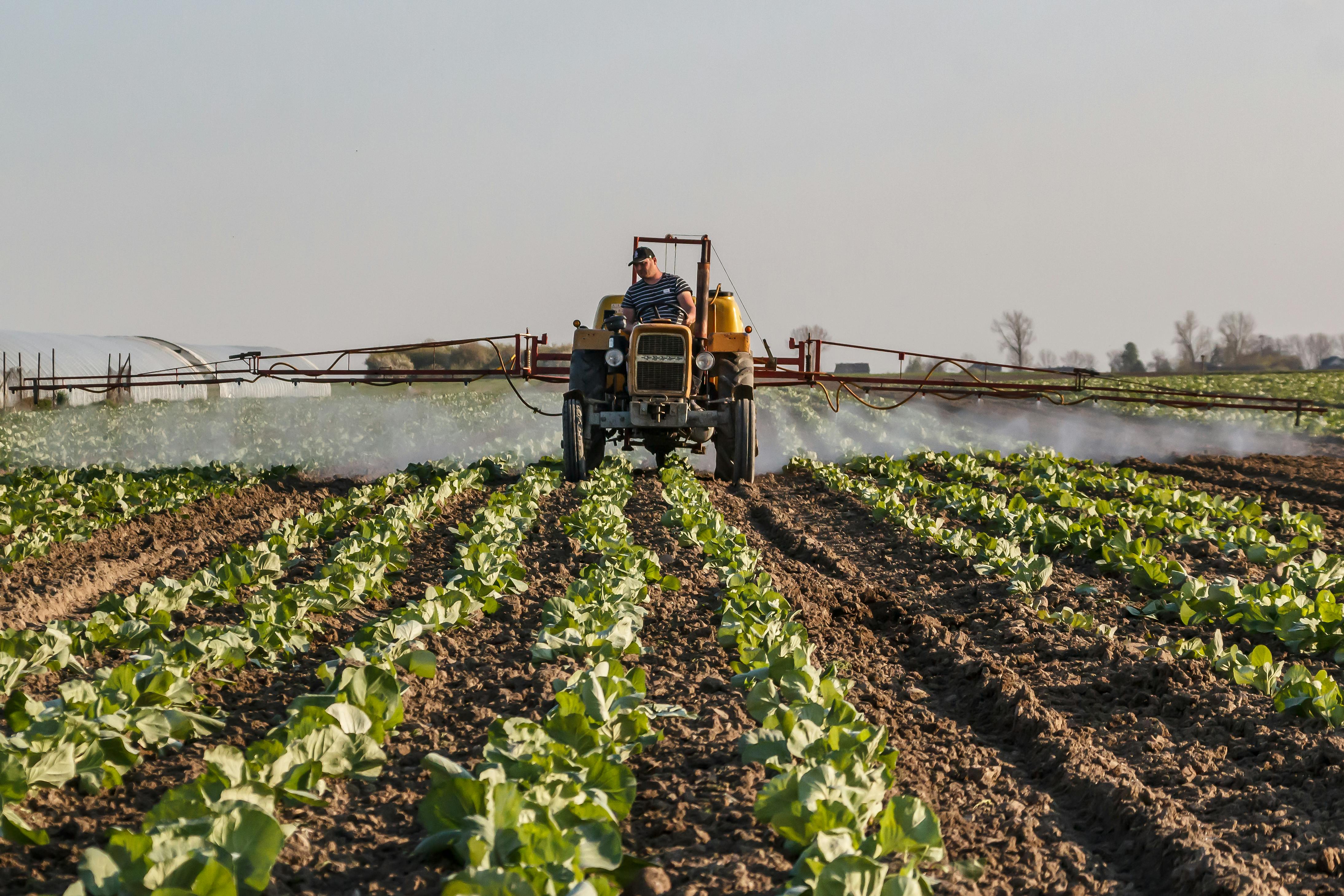
Kenya's agricultural sector, a backbone of its economy, is at a crossroads. Over 80% of the country's land is arid or semi-arid (ASALs), making it particularly susceptible to climate change impacts, including prolonged droughts and unpredictable rainfall patterns. This has led to widespread soil degradation, characterized by nutrient depletion, erosion, and loss of organic matter. The consequences for maize, Kenya’s staple food, are dire, with declining yields and increased food insecurity.
The push for organic farming and sustainable agriculture in Kenya is not just an environmental imperative; it's an economic necessity. Data from organizations like the FAO highlight that improving soil health is paramount for boosting agricultural productivity. Smallholder farmers, who constitute the majority of Kenya's agricultural workforce, are often the most affected by these challenges and stand to gain the most from sustainable solutions. Integrated approaches that focus on soil vitality, such as the use of cover crops, are critical to ensuring the long-term viability of farming in these vulnerable regions.
Key Insights & Strategies: Harnessing the Power of Leguminous Cover Crops
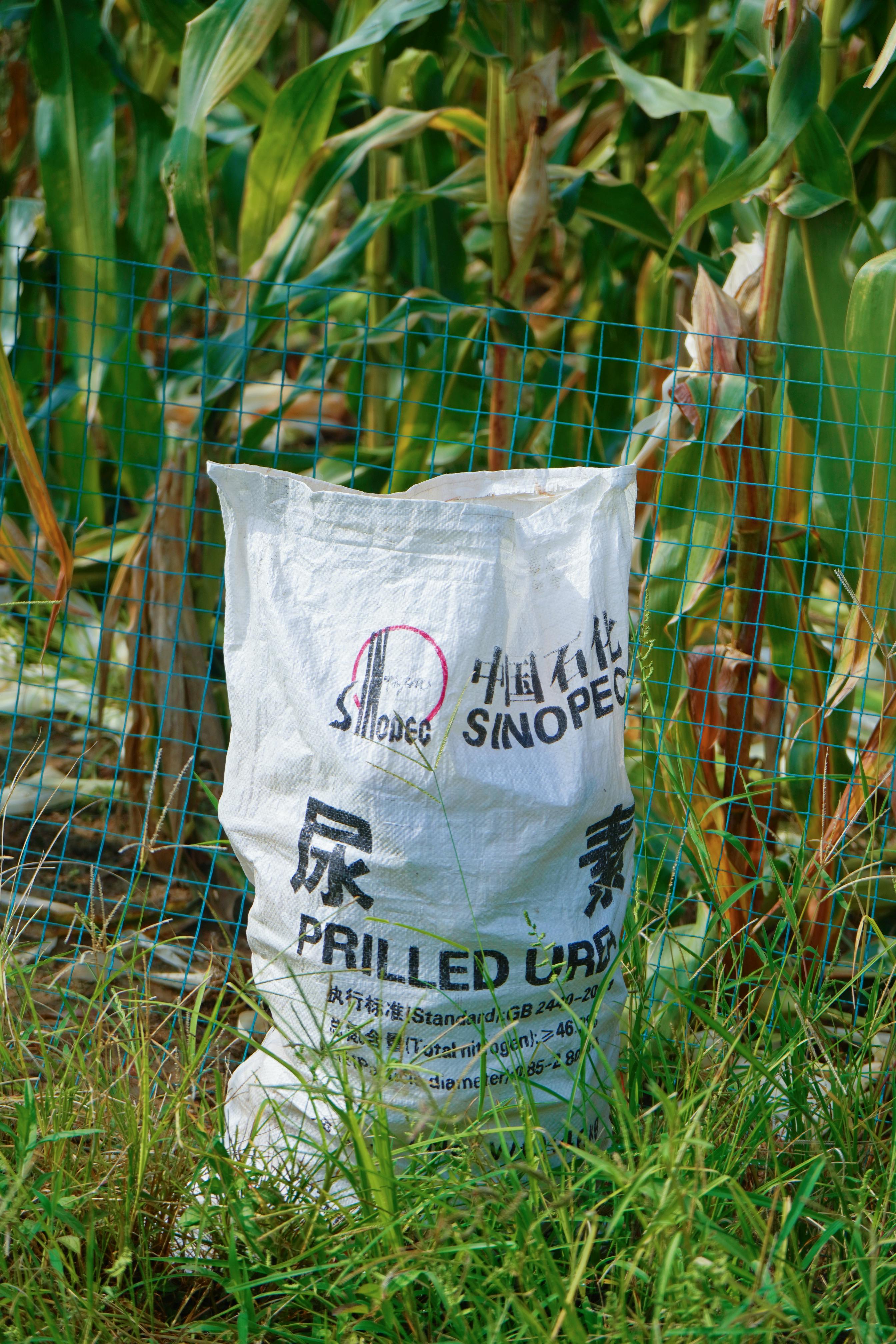
Leguminous cover crops are more than just ground cover; they are dynamic allies in the quest for sustainable maize production. Their benefits extend far beyond surface aesthetics, driving profound improvements in soil health and crop resilience.
Nitrogen Fixation: Nature's Fertilizer Factory
One of the most significant advantages of leguminous cover crops is their ability to fix atmospheric nitrogen into the soil. Through a symbiotic relationship with bacteria in their root nodules, plants like cowpeas, lablab, and green grams convert atmospheric nitrogen into a form usable by plants. This natural process reduces the need for synthetic nitrogen fertilizers, significantly cutting input costs for farmers.
Enhancing Soil Moisture Retention and Structure
Cover crops act as a living mulch, shielding the soil from direct sun and wind, thereby reducing evaporation. Their extensive root systems also improve soil structure, creating channels for water infiltration and increasing the soil's capacity to hold moisture. This is especially crucial for Kenyan farmers in arid regions, where water scarcity is a constant threat.
Weed Suppression and Pest Management
A dense cover crop canopy outcompetes weeds for sunlight, water, and nutrients, effectively reducing weed pressure. Some cover crops also release biochemicals (allelochemicals) that inhibit weed growth. Additionally, they can provide habitat for beneficial insects, aiding in natural pest control, thereby reducing reliance on chemical pesticides.
For a comprehensive understanding of your soil's composition and needs, vital for optimizing cover crop impact, invest in a reliable MySoil Soil Test Kit – available on Amazon. This will guide your decisions for improved yields and reduced input waste. To delve deeper into sustainable practices and find tailored solutions for your farm, Explore sustainable organic farming solutions with Biofarm Kenya.
Case Studies, Examples, or Comparisons: Success Stories from Kenya's Fields
The theoretical benefits of cover crops are increasingly being translated into tangible successes across Kenya. Organizations like the Kenya Agricultural and Livestock Research Organization (KALRO) have been at the forefront of demonstrating these impacts.
A notable 2025 KALRO study focused on smallholder farms in Makueni and Kitui counties, prime examples of Kenya's arid and semi-arid regions. The study compared maize yields under conventional farming (chemical-only) versus systems incorporating leguminous cover crops like cowpeas and lablab. Results indicated that farms utilizing cover crops consistently achieved maize yield improvements of up to 30% compared to chemical-only approaches. Furthermore, participating farmers reported a significant reduction in fertilizer costs, sometimes by as much as 50%, due to the natural nitrogen contributions of the cover crops and improved soil health.
Beyond KALRO's findings, individual farmers are showcasing remarkable resilience. In parts of Tharaka Nithi, farmers who adopted maize-cowpea intercropping reported better soil moisture retention during dry spells, leading to more consistent harvests. One farmer, Mama Akinyi, noted, 'Before, when the rains failed, my maize would wilt. Now, with cowpeas, the soil stays moist longer, and even if the maize struggles, I still get a good harvest of cowpeas for food and income.' These real-world examples underscore the potential of cover crops not just for yield improvement, but for enhanced climate resilience and diversification of income streams for smallholder farmers.
The Food and Agriculture Organization (FAO) of the United Nations has consistently advocated for conservation agriculture practices, including cover cropping, as a cornerstone of sustainable land management in Africa. Their reports frequently highlight how such practices contribute to food security and poverty reduction by building the natural capital of farming communities. (Source: FAO Conservation Agriculture)
Common Mistakes to Avoid: Pitfalls in Soil Management and Cover Crop Implementation
While the benefits of leguminous cover crops are clear, successful implementation requires careful planning and avoiding common missteps. Understanding these errors can save time, resources, and ensure optimal outcomes for your maize yields.
1. Neglecting Soil Testing: A fundamental error is applying fertilizers or planting cover crops without first understanding your soil's current nutrient profile and pH levels. This leads to guesswork, nutrient imbalances, and wasted effort or resources. For instance, planting legumes in already nitrogen-rich soil won't yield the same benefits as in depleted soil.
2. Incorrect Cover Crop Selection: Choosing the wrong cover crop for your specific agro-ecological zone, soil type, or farming objective can nullify its benefits. For example, selecting a moisture-demanding variety for an arid region will likely result in failure.
3. Improper Planting and Termination Timing: Planting too early or too late, or terminating the cover crop at the wrong stage, can reduce its effectiveness. Premature termination may limit biomass accumulation and nitrogen fixation, while late termination can compete with the main maize crop for resources.
4. Inadequate Residue Management: After termination, cover crop biomass needs to be managed correctly. Removing it from the field or incorporating it too deeply can negate its benefits for soil cover and organic matter contribution.
5. Over-Reliance on a Single Practice: Viewing cover cropping as a standalone solution, rather than part of an integrated sustainable farming system, limits its overall impact.
Expert Tips & Best Practices for Maximizing Maize Yields
Achieving significant and sustainable increases in maize yields with cover crops requires a blend of traditional wisdom and modern agricultural science. Here are expert tips tailored for Kenyan farmers:
1. Start Small and Experiment: Don't overhaul your entire farm at once. Begin with a small plot to observe how different cover crop varieties perform in your specific microclimate and soil conditions. This learning phase is invaluable for adapting strategies before scaling up.
2. Embrace Intercropping and Crop Rotation: Beyond just planting cover crops before or after maize, consider intercropping. Planting leguminous cover crops (like cowpeas or desmodium) between maize rows can provide continuous nitrogen fixation, weed suppression, and soil cover during the maize growing season. Incorporate a diverse rotation cycle that includes maize, legumes, and other cash crops to break pest and disease cycles and balance nutrient removal. For ongoing soil health and growth, a balanced organic fertilizer like Jobe's Organics Granular Plant Food Fertilizer – available on Amazon can supplement the natural nutrients provided by cover crops, especially during establishment.
3. Prioritize Water Harvesting and Efficient Irrigation: Even with improved soil moisture retention from cover crops, water remains a precious resource in arid regions. Implement simple water harvesting techniques like contour farming, terracing, and zai pits. For targeted water delivery, explore micro-irrigation solutions. A robust CARPATHEN Drip Irrigation System Kit – available on Amazon can ensure your maize and cover crops receive adequate water precisely where and when they need it, reducing waste and boosting efficiency.
4. Learn from Local Successes and Challenges: Engage with farmer field schools, local extension officers, and successful organic farmers in your area. Their practical experience with specific cover crop species and management techniques in local conditions is invaluable. Share your own experiences to build a stronger community of practice.
5. Monitor and Adapt: Sustainable farming is an iterative process. Continuously monitor your soil health, observe maize growth, and evaluate the performance of your cover crops. Are weeds significantly reduced? Is the soil structure improving? Are yields increasing? Use these observations to fine-tune your practices. For further resources and partnerships in adopting these and other sustainable solutions, Explore sustainable organic farming solutions with Biofarm Kenya.
Future Trends & Predictions: Innovating for a Greener Tomorrow
The landscape of agriculture in Kenya is evolving rapidly, driven by the urgent need for climate resilience and food security. Looking ahead, several innovations are poised to redefine how Kenyan farmers in arid regions approach farming, further enhancing the impact of sustainable practices like cover cropping.
1. Smart Irrigation Systems: The future will see widespread adoption of smart irrigation technologies. These systems, often powered by solar energy, use sensors to monitor soil moisture and weather forecasts, delivering precise amounts of water directly to the plant roots via drip irrigation. This minimizes water waste significantly, making every drop count in water-scarce regions and complementing the moisture-retaining benefits of cover crops. Companies in Kenya are already pioneering localized solutions.
2. Vertical and Urban Farming: As population density increases and arable land shrinks, vertical farming and other forms of urban agriculture will become more prevalent. These controlled-environment systems can produce high yields of fresh produce using minimal land and water, often without soil. While primarily focused on horticulture, lessons learned in efficiency and resource use can inform conventional farming, and certain cover crops may find innovative uses in these systems for nutrient cycling.
3. AI-Driven Crop Monitoring and Precision Agriculture: Artificial intelligence and drone technology are beginning to transform farm management. Drones equipped with multispectral cameras can monitor crop health, identify nutrient deficiencies, and detect pest outbreaks with unprecedented accuracy. AI-powered analytics can then provide precise recommendations for interventions, optimizing fertilizer application, pest control, and even cover crop management. This data-driven approach allows for highly efficient resource allocation and proactive problem-solving.
4. Agroforestry Integration: The synergy between trees and crops, known as agroforestry, will become more integrated into maize farming systems. Leguminous trees like Gliricidia sepium or Faidherbia albida can fix nitrogen, provide shade, and offer fodder or fuelwood, working in tandem with cover crops to create highly productive and resilient agroecosystems. This approach enhances biodiversity and provides additional ecosystem services, crucial for long-term sustainability.
5. Advanced Bio-Inputs and Seed Technology: Research into drought-tolerant and pest-resistant maize varieties, along with improved cover crop seeds, will continue. Alongside this, the development of advanced bio-fertilizers and bio-pesticides will provide farmers with even more effective and environmentally friendly alternatives to synthetic chemicals, further solidifying the principles of organic and sustainable agriculture.
These trends, combined with the foundational practice of cover cropping, promise a future where Kenyan agriculture is not only productive but also resilient, environmentally sound, and economically viable for all farmers.
Conclusion: A Resilient Future for Kenyan Maize
The journey towards enhancing Kenyan maize yields, particularly for farmers in arid regions grappling with soil degradation and erratic rainfall, finds a powerful and sustainable pathway in the adoption of leguminous cover crops. As demonstrated by a 2025 KALRO study, these simple yet profoundly effective plants offer a transformative approach, improving maize yields by up to 30% and significantly reducing the reliance on costly chemical fertilizers. By naturally restoring soil fertility, boosting moisture retention, suppressing weeds, and building soil organic matter, cover crops are not just an agricultural technique; they are an investment in the long-term health of our land and the prosperity of our farming communities.
The evidence-backed steps of selecting drought-tolerant legume varieties, strategic planting during short rainy seasons, and utilizing biomass mulch are actionable strategies that empower smallholder farmers to cultivate resilience. Embracing these sustainable practices moves us closer to a future of enhanced food security, climate adaptability, and truly thriving agricultural ecosystems across Kenya.
To continue your journey towards sustainable and productive farming, discover trusted organic farming tools and resources. Find a wide array of products, from soil testing kits to drip irrigation systems, on Amazon. Furthermore, deepen your understanding and access comprehensive support by visiting Biofarm Kenya, where you can explore sustainable solutions tailored to the unique needs of Kenyan agriculture.
FAQs: Your Questions on Cover Crops and Sustainable Farming in Kenya Answered
- Q1: What are the best leguminous cover crops for maize in Kenya's arid regions?For Kenya's arid and semi-arid regions, drought-tolerant leguminous cover crops are ideal. Popular and effective choices include cowpeas (Vigna unguiculata), lablab (Lablab purpureus), and pigeon peas (Cajanus cajan). These varieties are well-adapted to harsh conditions and provide excellent nitrogen fixation and biomass. For more detailed guidance, consult the Kenya Agricultural and Livestock Research Organization (KALRO) resources.Q2: How do cover crops contribute to food security in Kenya?Cover crops significantly boost food security by increasing maize yields and making farming more resilient. They improve soil fertility and moisture, reducing crop failure risks due to drought and lowering the cost of production by decreasing the need for chemical fertilizers. This allows smallholder farmers to produce more food consistently and affordably. Learn more about regional initiatives from the FAO Regional Office for Africa.Q3: Are leguminous cover crops cost-effective for smallholder farmers?Yes, in the long run, leguminous cover crops are highly cost-effective. While there's an initial investment in seeds and labor, they lead to substantial savings on synthetic fertilizers and pesticides. The improved soil health also results in more consistent and higher yields, providing better income stability for farmers. Biofarm Kenya provides resources on sustainable farming economics here.Q4: How do cover crops impact weed management in maize farming?Cover crops are effective natural weed suppressors. A dense canopy outcompetes weeds for sunlight and nutrients, preventing them from establishing. Some cover crops also release compounds that inhibit weed growth. This reduces the need for manual weeding or herbicides, saving labor and costs. The National Environment Management Authority (NEMA) provides guidelines on ecological weed control.Q5: What is the role of KALRO in promoting cover crops for maize in Kenya?KALRO plays a crucial role in researching, developing, and disseminating information on improved agricultural practices, including the use of cover crops. They conduct studies on suitable cover crop varieties, their impact on soil health and crop yields, and provide training to extension officers and farmers. Their research, like the 2025 study mentioned, provides evidence-backed recommendations for local contexts. For more on KALRO's work, visit their official website.Q6: Where can Kenyan farmers source quality leguminous cover crop seeds?Kenyan farmers can source quality leguminous cover crop seeds from various channels. These include local agricultural cooperatives, trusted seed suppliers, KALRO research stations, and non-governmental organizations promoting sustainable agriculture. It's crucial to purchase certified seeds to ensure genetic purity and performance. Biofarm Kenya partners with reliable seed providers and can offer guidance on local sourcing.



0 Comments