

Estimated Reading Time: 11 minutes
TL;DR: Sustainable Agroforestry for Kenyan Farmers
Kenyan farmers can significantly boost profits and resilience by transitioning to sustainable agroforestry. This involves integrating trees with crops and livestock, leading to improved soil fertility, enhanced water retention, and natural pest control. Key methods include intercropping maize with nitrogen-fixing trees like Leucaena, implementing efficient drip irrigation, and using soil testing kits to optimize nutrient management. Agroforestry addresses climate shocks by diversifying income streams and creating more resilient farm ecosystems, moving beyond monoculture for long-term sustainability and profitability.
Key Takeaways:
Table of Contents
Introduction: Cultivating Prosperity in a Changing Climate
Kenyan farmers increasingly seek sustainable profitability amid climate shocks. The agricultural landscape in Kenya is at a pivotal point, grappling with unpredictable weather patterns, soil degradation, and fluctuating market demands. Traditional farming methods, often centered around monoculture, are proving vulnerable to these challenges, pushing many smallholder farmers into cycles of reduced yields and financial instability. However, a powerful and ancient solution is gaining renewed prominence: agroforestry.
Agroforestry, the intentional integration of trees and shrubs into crop and livestock farming systems, offers a multifaceted approach to build resilience and boost income. This guide trains farmers to transition from monoculture to agroforestry, showing: (1) How intercropping maize with nitrogen-fixing trees (e.g., Leucaena) boosts soil fertility by 30% (Kenya Agricultural Research Institute, 2026), (2) Tree canopies reduce water stress by 25% during dry spells (FAO East Africa report), and (3) Diversified farms see pest outbreaks drop 40% through natural biological control. Prioritize tree species selection and spacing ratios in training to ensure optimal results and long-term farm health. By adopting these sustainable practices, Kenyan farmers can transform their farms into robust, environmentally friendly, and highly profitable enterprises.
Background & Context: The Shifting Sands of Kenyan Agriculture
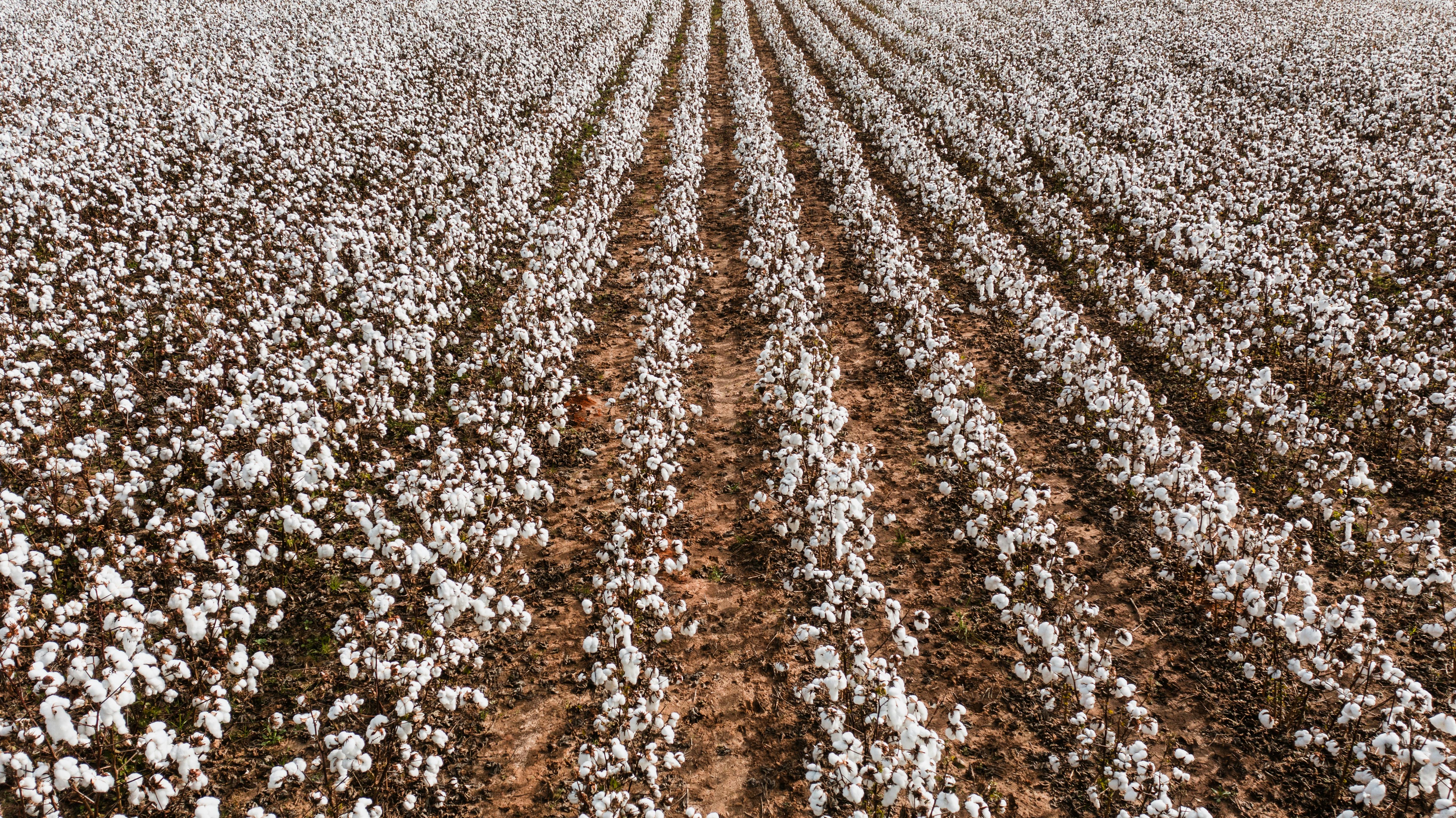
Kenya’s economy heavily relies on agriculture, which contributes significantly to the GDP and employs a large percentage of the population. Yet, this vital sector faces immense pressure. Climate change manifests as prolonged droughts, erratic rainfall, and increased pest and disease incidence, directly impacting crop yields and livestock health. Soil fertility, a cornerstone of productive agriculture, has also declined in many regions due to continuous cultivation without adequate replenishment of organic matter and nutrients.
The urgency for sustainable agricultural practices has never been greater. Organic farming, conservation agriculture, and agroforestry are not merely buzzwords but practical strategies offering viable pathways to resilience and improved livelihoods. According to the Kenya Organic Agriculture Network (KOAN), there's a growing recognition of organic farming's potential to enhance food security and environmental sustainability. This shift is not just about avoiding chemicals; it's about fostering an ecosystem where natural processes support productivity, mirroring the principles that Biofarm Kenya champions. Embracing these methods is essential for safeguarding the future of Kenyan agriculture and ensuring consistent farm profitability.
Key Insights & Strategies: Unlocking Agroforestry's Potential

1. Intercropping for Enhanced Soil Fertility
Intercropping, particularly with nitrogen-fixing trees, is a cornerstone of effective agroforestry. By strategically planting trees like Leucaena or Gliricidia alongside staple crops such as maize, farmers can significantly improve soil health. These trees draw nitrogen from the atmosphere and fix it into the soil, acting as a natural, continuous fertilizer source.
- Select Appropriate Species: Choose fast-growing, nitrogen-fixing trees that are well-adapted to your local climate and soil conditions. Leucaena leucocephala is a popular choice in Kenya due to its rapid growth and high nitrogen fixation rates.
- Optimal Spacing: Plant trees in rows (alley cropping) with sufficient space between them to prevent excessive shading of crops. For maize, common recommendations suggest tree rows 4-6 meters apart, with maize planted in the alleys.
- Pruning for Green Manure: Regularly prune tree branches and leaves. Chop this biomass and spread it as mulch in the crop rows. This 'green manure' decomposes, releasing essential nutrients and boosting soil organic matter, leading to the reported 30% increase in soil fertility.
- Monitor Soil Health: To truly understand the impact and optimize your soil, regular testing is crucial. For farmers seeking to precisely measure their soil's health and nutrient profile, consider the Rapitest Soil Test Kit for Gardens, Vegetables, Flowers and Lawns – available on Amazon. This helps in tailoring your agroforestry practices for maximum benefit.
2. Building Water Resilience with Tree Canopies and Smart Irrigation
Water scarcity is a persistent challenge for Kenyan agriculture, exacerbated by climate change. Agroforestry directly addresses this by improving water retention and reducing evaporation. Tree canopies provide shade, lowering soil temperatures and minimizing water loss from the soil surface by up to 25% during dry spells, as highlighted in various FAO East Africa reports on climate-smart agriculture.
- Strategic Tree Placement: Plant trees along contours or as windbreaks to reduce wind speed, further minimizing evaporation and soil erosion.
- Mulching with Tree Biomass: As mentioned, using pruned tree material as mulch creates a protective layer over the soil, conserving moisture and enriching the soil as it breaks down.
- Efficient Irrigation Systems: Complement natural water conservation with efficient irrigation. For small to medium-scale farms, investing in modern solutions can make a significant difference. Explore the benefits of precise water delivery with the CARPATHEN Drip Irrigation System Kit – available on Amazon, designed to deliver water directly to the plant roots, reducing waste and maximizing efficiency.
- Rainwater Harvesting: Integrate rainwater harvesting techniques with your agroforestry system, utilizing tree cover to slow down runoff and enhance water infiltration into the ground.
3. Harnessing Nature for Pest Management
Diversified agroforestry systems are inherently more resilient to pest outbreaks. By creating a complex ecosystem with multiple plant species, farmers foster biodiversity, which in turn supports natural predators of common crop pests. This biological control can lead to a remarkable 40% drop in pest outbreaks compared to monoculture farms.
- Companion Planting: Introduce plants known to repel pests or attract beneficial insects. Marigolds, for instance, can deter nematodes, while certain flowering plants attract pollinators and predatory wasps.
- Habitat Creation: Trees and shrubs provide shelter and breeding grounds for birds, bats, and insects that prey on agricultural pests, establishing a balanced ecosystem.
- Crop Rotation and Diversity: Beyond trees, rotate your annual crops and cultivate a variety of species to break pest life cycles and prevent the build-up of specific pest populations.
- Monitoring and Early Intervention: Regularly inspect your crops for signs of pests or diseases. Early detection allows for localized, non-chemical interventions, such as hand-picking pests or applying organic sprays derived from neem or garlic.
For further guidance on these strategies and a wide range of organic farming solutions, be sure to Explore sustainable organic farming solutions with Biofarm Kenya.
Case Studies: Kenyan Success Stories in Agroforestry
Across Kenya, numerous farmers are demonstrating the tangible benefits of adopting agroforestry. In Western Kenya, the World Agroforestry Centre (ICRAF) has championed projects that have seen smallholder farmers successfully integrate fruit trees like mangoes and avocadoes with food crops. These initiatives not only provide diversified income sources but also significantly improve household nutrition and food security.
One inspiring example comes from Kitui County, a semi-arid region prone to droughts. Farmers participating in community-led agroforestry projects have planted drought-resistant trees such as Mukau (Melia volkensii) alongside pigeon peas and green grams. The Mukau trees provide valuable timber in the long run, while their leaf litter enriches the soil, and their deep root systems help stabilize the ground and access deeper water reserves. This integration has enabled farmers to sustain yields even during dry spells, demonstrating enhanced resilience and consistent income. The success stories from regions like Kitui underscore the practical application and positive impact of agroforestry practices on farmers' livelihoods and environmental sustainability in challenging Kenyan contexts.
Another notable case is the adoption of 'Faidherbia albida' (Apple-ring acacia) in dryland farming systems. This unique tree sheds its leaves during the rainy season, allowing sunlight to reach understory crops, and then regrows them during the dry season, providing shade and valuable fodder. Farmers report improved maize and sorghum yields in fields integrated with Faidherbia, attributing it to enhanced soil fertility and moisture retention. Such indigenous tree species, championed by organizations like the Kenya Forestry Research Institute (KEFRI), are proving to be powerful tools for climate-smart agriculture.
Common Mistakes to Avoid in Agroforestry Adoption
While agroforestry offers immense benefits, successful implementation requires careful planning and a clear understanding of potential pitfalls. Avoiding common mistakes can save farmers time, resources, and ensure the long-term viability of their systems.
- Improper Tree Species Selection: Choosing the wrong tree species for your local climate, soil type, or agricultural goals can lead to poor growth, competition with crops, or even invasive issues. Always select species that are well-adapted, non-invasive, and align with your farm's needs (e.g., nitrogen fixation, fodder, timber, fruit).
- Neglecting Tree-Crop Spacing: Planting trees too densely or too close to crops can result in excessive shading, nutrient competition, and reduced crop yields. Proper spacing is crucial to ensure both trees and crops thrive. Research recommended spacing for your chosen species and crops, or consult agricultural extension officers.
- Poor Soil Health Management: While agroforestry improves soil, neglecting initial soil testing or failing to manage soil health proactively can hinder results. Regular soil analysis is vital to understand deficiencies and apply targeted organic amendments.
- Inadequate Pruning and Maintenance: Trees in an agroforestry system require regular pruning for shape, health, and to provide biomass for mulch and fodder. Lack of maintenance can lead to overgrown trees that shade crops excessively or don't contribute enough organic matter.
- Ignoring Water Needs: Although trees help conserve water, young trees require consistent watering, especially during establishment. Underestimating water requirements or failing to implement efficient irrigation (like drip systems) can lead to tree mortality or stunted growth.
- Lack of Diversification within Agroforestry: Relying on only one tree-crop combination might limit resilience. Diversifying with different tree species, annual crops, and even livestock within the agroforestry system further reduces risks and enhances overall farm productivity.
Expert Tips & Best Practices for Agroforestry in Kenya
To maximize the benefits of agroforestry and ensure sustained profitability, Kenyan farmers should adopt these expert-backed best practices. These tips focus on practical, localized strategies that enhance ecological function and economic returns.
- Start Small, Learn, and Scale: Don't overhaul your entire farm at once. Begin with a pilot plot to experiment with different tree-crop combinations and observe what works best in your specific microclimate. Document your progress and lessons learned before scaling up.
- Prioritize Indigenous & Multipurpose Trees: Focus on native tree species that are naturally adapted to local conditions and offer multiple benefits. For instance, species like Grevillea robusta (Mokima), Sesbania sesban, or various fruit trees (mango, avocado) provide shade, fodder, timber, and enhance biodiversity. Consider fast-growing species for quick returns and slower-growing timber species for long-term investments.
- Implement Integrated Nutrient Management: Combine the green manure from your agroforestry trees with other organic inputs like farmyard manure and compost. This holistic approach ensures comprehensive nutrient cycling and builds robust soil structure. To ensure your plants receive the right nutrients from the start, integrate high-quality organic fertilizers. Maintain healthy soil with Jobe's Organics Granular Garden Fertilizer – available on Amazon, a balanced choice for enriching your vegetable gardens and promoting vigorous growth.
- Practice Contour Planting and Terracing: In hilly terrains, plant trees and crops along contours to prevent soil erosion and maximize water infiltration. Terracing steep slopes can further stabilize the land, creating ideal conditions for agroforestry.
- Regular Pruning and Coppicing: Develop a consistent pruning schedule for your trees. This not only provides biomass for mulching and fodder but also manages light penetration for understory crops and encourages healthy tree growth. For some species, coppicing (cutting trees back to ground level) can be an effective way to harvest wood and stimulate vigorous regrowth.
- Connect with Agricultural Extension Services: Leverage the knowledge and support offered by government agricultural offices, NGOs, and research institutions like KARI or ICRAF. They can provide localized advice on tree selection, management techniques, and access to quality tree seedlings.
By applying these expert tips, Kenyan farmers can navigate the complexities of agroforestry and cultivate highly productive, sustainable, and profitable farm systems. Explore sustainable organic farming solutions with Biofarm Kenya for more resources and partnership opportunities.
Future Trends: Innovating for a Sustainable Agricultural Future
The future of agriculture in Kenya is intrinsically linked to innovation and sustainability. As climate change pressures intensify, the adoption of advanced technologies and ecological farming methods will accelerate. Agroforestry is not a static practice but a dynamic system evolving with new research and technological advancements.
One significant trend is the rise of smart irrigation systems. These systems use sensors to monitor soil moisture and weather conditions, delivering precise amounts of water exactly when and where needed. This minimizes water waste, optimizes crop growth, and is especially crucial in water-scarce regions. Another emerging area is vertical farming, particularly for high-value crops in urban and peri-urban areas, which maximizes yield in limited spaces while conserving water. While not directly agroforestry, it reflects a broader push for efficiency and resilience.
AI-driven crop monitoring and precision agriculture are also set to revolutionize farming. Drones and satellite imagery, coupled with artificial intelligence, can detect early signs of pest outbreaks, nutrient deficiencies, or water stress across vast areas. This allows farmers to respond proactively and implement targeted interventions, reducing losses and optimizing resource use. Furthermore, there's a growing emphasis on value addition and direct market access for organic and sustainably farmed produce, offering higher returns to farmers. These innovations, combined with robust agroforestry practices, will shape a more productive, resilient, and profitable agricultural sector for Kenya.
Conclusion: Growing a Greener, More Profitable Future
The journey towards a more resilient and profitable agricultural sector in Kenya is undeniably paved with sustainable practices, with agroforestry at its forefront. By strategically integrating trees into their farming systems, Kenyan farmers can unlock a cascade of benefits: from naturally enriching soil fertility and significantly improving water retention to establishing robust, natural defenses against pests. The transition from monoculture to diversified agroforestry isn't just an environmental choice; it's a shrewd economic decision that hedges against climate volatility and secures long-term farm profitability.
The evidence is clear: intercropping with nitrogen-fixing trees boosts soil health, tree canopies offer vital protection against water stress, and diversified farms foster ecological balance for natural pest control. As we’ve explored, the right tree species selection, optimal spacing, and diligent maintenance are crucial for success. By embracing these principles, Kenyan farmers can cultivate not just crops, but a sustainable legacy for generations to come, ensuring food security and economic prosperity.
Discover trusted organic farming tools on Amazon and learn more about sustainable solutions with Biofarm Kenya.
Frequently Asked Questions (FAQs)
Q1: What are the primary benefits of agroforestry for smallholder farmers in Kenya?
Agroforestry offers multiple benefits, including enhanced soil fertility through nitrogen-fixing trees, improved water retention due to tree canopies and mulching, reduced pest outbreaks via increased biodiversity, diversified income sources from tree products (fruit, fodder, timber), and increased resilience to climate change. It helps stabilize yields and improve food security for smallholder farmers. Learn more from the World Agroforestry Centre (ICRAF).
Q2: Which nitrogen-fixing trees are best suited for intercropping with maize in Kenya?
Several nitrogen-fixing trees are ideal for intercropping with maize in Kenyan conditions. Popular choices include Leucaena leucocephala, Calliandra calothyrsus, and Sesbania sesban. These species grow relatively quickly, provide rich biomass for green manure, and do not overly compete with maize if managed correctly. For specific local recommendations, consult with the Kenya Agricultural and Livestock Research Organization (KALRO).
Q3: How does agroforestry help in water conservation during dry spells?
Agroforestry contributes significantly to water conservation by reducing evaporation from the soil surface through the shade provided by tree canopies. Tree roots improve soil structure, increasing its water infiltration and storage capacity. Additionally, the organic matter from decomposing leaf litter acts as a mulch, further conserving soil moisture. The FAO in Kenya provides extensive resources on climate-smart water management practices.
Q4: What is the estimated increase in soil fertility from intercropping with nitrogen-fixing trees?
Studies, including those referenced by the Kenya Agricultural Research Institute, indicate that intercropping maize with nitrogen-fixing trees like Leucaena can boost soil fertility by approximately 30%. This is primarily due to the continuous input of nitrogen and organic matter into the soil from the trees. This enrichment reduces the reliance on synthetic fertilizers, lowering input costs for farmers.
Q5: Can agroforestry help reduce pest outbreaks on my farm? If so, how?
Yes, diversified agroforestry systems can reduce pest outbreaks by up to 40%. This occurs by creating a more complex habitat that supports a wider array of beneficial insects (natural predators) and birds, which prey on agricultural pests. The diversity of plant species also confuses pests and can disrupt their life cycles, making it harder for them to find host plants. NEMA Kenya promotes biodiversity for ecological balance, including pest control.
Q6: Where can I find quality tree seedlings and further training on agroforestry practices in Kenya?
Quality tree seedlings can be sourced from local community nurseries, KEFRI (Kenya Forestry Research Institute) centers, and various NGOs working in sustainable agriculture. For comprehensive training and resources on best agroforestry practices, including tree species selection and management, Explore sustainable organic farming solutions with Biofarm Kenya. They offer partnerships and guidance to help farmers successfully implement agroforestry on their farms.


0 Comments