

Estimated Reading Time: 11 minutes
Introduction
Kenya, a nation deeply rooted in agriculture, faces the pressing dual challenges of climate change-induced drought and the need for enhanced farm profitability. For many smallholder farmers, securing a sustainable livelihood means finding innovative ways to adapt. This guide focuses on a powerful, ancient, yet increasingly relevant solution: agroforestry. Kenyan farmers are increasingly seeking drought resilience and profitability through agroforestry. This holistic approach integrates trees with crops and/or livestock, creating a symbiotic ecosystem that benefits both the land and the farmer. Our goal is to train farmers to integrate nitrogen-fixing trees (e.g., Faidherbia albida) with crops, enhancing soil fertility and water retention, and ultimately transforming their farms into resilient, productive assets.Background & Context: The Kenyan Agricultural Landscape
The agricultural sector is the backbone of Kenya's economy, contributing significantly to the GDP and employing a majority of the rural population. However, it is highly vulnerable to erratic weather patterns, particularly prolonged droughts, which devastate crop yields and livestock. Traditional farming methods, often characterized by continuous monocropping, have also led to widespread soil degradation, nutrient depletion, and reduced water infiltration.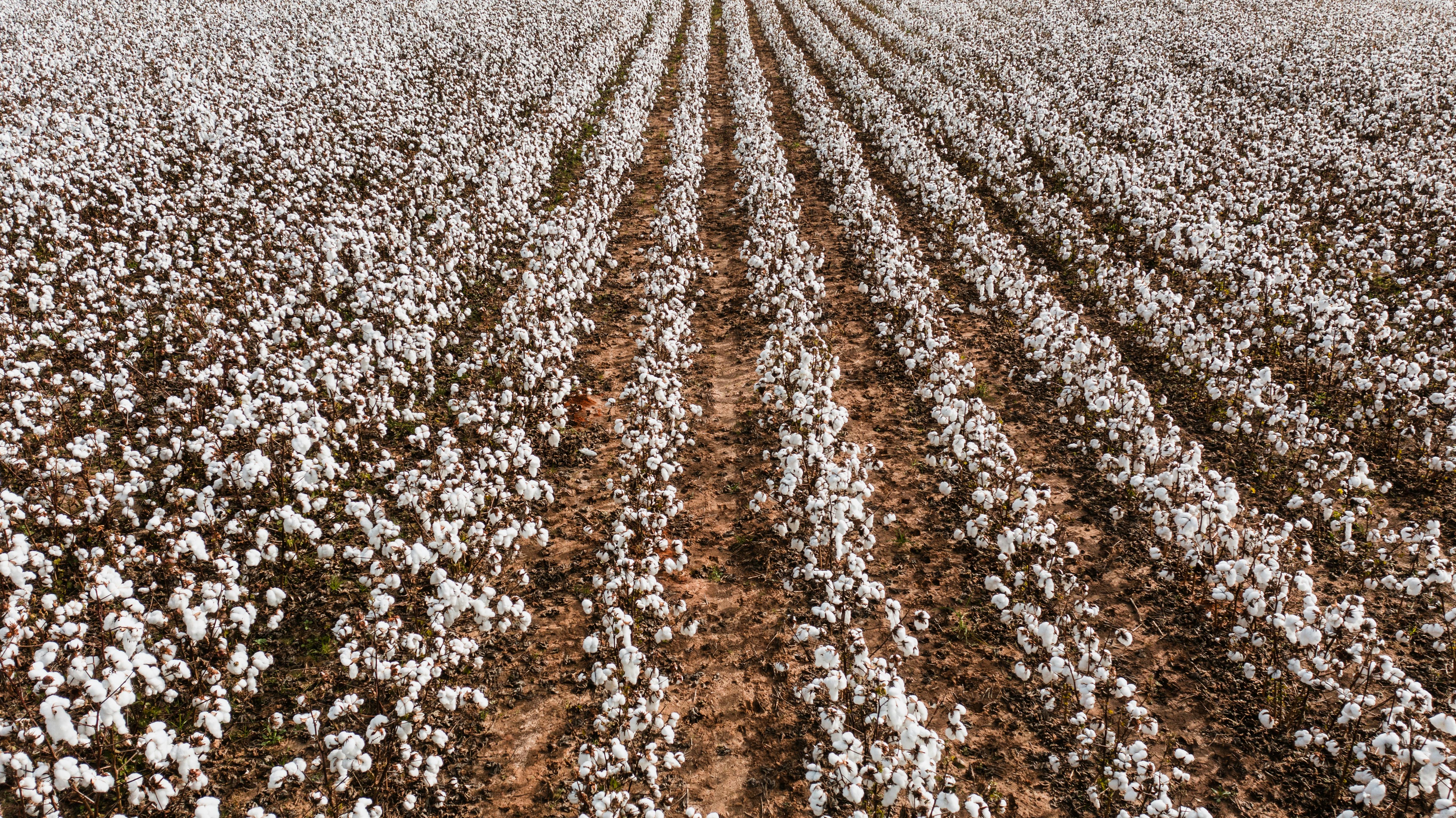 A recent 2024 Kenya Organic Data Survey by the Kenya Organic Agriculture Network (KOAN) highlights a steady growth in organic farming across the nation. This surge is driven by increasing consumer awareness for healthier food and environmental concerns. The report also identified a significant demand-supply gap for organic produce like tomatoes, passion fruit, bananas, and broccoli, underscoring a vast market opportunity for farmers adopting sustainable practices. Organic farming, a core component of sustainable agriculture, not only safeguards the environment but also promises better market prices and improved food security, especially for small-scale farmers who form the majority of Kenya's agricultural workforce.
Key Insights & Strategies for Agroforestry Success
Agroforestry offers a multifaceted approach to address these challenges, leveraging natural processes to create resilient and productive farm systems. By strategically integrating trees, farmers can regenerate their land, protect their crops, and secure a more stable income.
Harnessing Nitrogen-Fixing Trees
One of the cornerstones of successful agroforestry is the use of nitrogen-fixing trees. These remarkable species, like the iconic Faidherbia albida and Sesbania sesban, form a symbiotic relationship with soil bacteria to capture atmospheric nitrogen and convert it into a form usable by plants. This natural fertilization process significantly enriches soil fertility, reducing the reliance on expensive synthetic fertilizers.- Select Appropriate Species: Choose indigenous nitrogen-fixing trees suitable for your specific agro-ecological zone in Kenya. Research local variants like Faidherbia albida, known for its unique 'reverse phenology' where it sheds leaves during the rainy season, minimizing crop shading.
- Strategic Planting: Plant these trees within or alongside your crop fields, ensuring adequate spacing to avoid competition for light and nutrients. Consider alley cropping systems where trees are planted in rows, and crops are cultivated in the alleys.
- Regular Pruning: Prune trees strategically to manage canopy size, provide green manure, and obtain fodder or fuelwood. The pruned leaves and branches, rich in nitrogen, can be incorporated directly into the soil.
The Biochar Advantage: Boosting Moisture & Fertility
Biochar, a charcoal-like substance produced from biomass pyrolysis, is gaining significant traction in sustainable agriculture. Its highly porous structure makes it an exceptional soil amendment, particularly for improving water retention and nutrient availability. The prompt highlights that using biochar is proven in 2025 KARI studies to boost moisture retention by 30%, a critical factor for drought resilience.- Source Sustainable Biochar: Ensure your biochar is produced from sustainable biomass sources and is free from contaminants.
- Incorporate into Soil: Mix biochar thoroughly into the soil during land preparation, or apply it as a top dressing, especially around the root zones of trees and crops.
- Combine with Organic Matter: Biochar works best when combined with compost or other organic matter, as it provides an ideal habitat for beneficial soil microorganisms.
Strategic Tree Spacing & Intercropping
The success of agroforestry hinges on harmonious coexistence between trees and crops. Key steps include strategic tree spacing to avoid crop shading and maximizing sunlight penetration while still benefiting from the trees' advantages. Intercropping, the practice of growing two or more crops in proximity, further enhances biodiversity and productivity.- Plan Your Layout: Design your farm layout to optimize sunlight for crops, considering the mature size and canopy spread of your chosen tree species. Orient tree rows north-south where possible to maximize sun exposure.
- Choose Compatible Crops: Select crops that thrive under partial shade or have different growth cycles than your trees. Examples include shade-tolerant vegetables or herbs planted beneath the canopy.
- Utilize Diverse Species: Practice diversified intercropping with a mix of cereals, legumes, and vegetables to enhance nutrient cycling, pest control, and overall farm resilience.
Case Studies: Kenyan Farmers Thriving with Agroforestry
Across Kenya, numerous farmers are demonstrating the tangible benefits of adopting agroforestry and sustainable practices. These success stories serve as powerful testaments to the potential for increased profit and resilience.In Embu County, farmer Mary Njihia has successfully integrated fruit trees, staple crops, and small livestock on her farm. Her diverse system not only provides a steady income stream from various produce but also ensures food security for her family even during dry spells. The trees improve soil moisture and fertility, reducing her reliance on external inputs. Her farm has become a model for neighboring communities seeking to adopt similar integrated approaches.Another inspiring example comes from Western Kenya, where farmers supported by organizations like the International Tree Foundation are transforming their lives through tree planting and agroforestry. These initiatives focus on species that provide both ecological benefits (soil conservation, nitrogen fixation) and economic returns (fruit, timber, fodder). Farmers report increased yields, healthier soils, and improved household incomes, leading to better living standards.The Rainforest Alliance's programs around Mount Kenya have also fostered remarkable success. Farmers like Christine and Enos have embraced climate-smart and regenerative agriculture practices, including agroforestry. By adopting these methods, they have not only enhanced the health of their farms but also secured premium prices for their produce, such as high-quality coffee. This connection to market through certification has significantly boosted their annual incomes, proving that sustainability can indeed be profitable. (Source: Rainforest Alliance success stories from Mount Kenya).Common Mistakes to Avoid in Agroforestry
While agroforestry offers immense potential, certain pitfalls can hinder its success. Being aware of these common mistakes can help Kenyan farmers navigate their transition smoothly and effectively.- Improper Tree Species Selection: Choosing trees that are not suited to the local climate, soil type, or agricultural goals can lead to poor growth, low yields, and ecological imbalance. For instance, planting trees that are too competitive or require excessive water in arid regions can be detrimental.
- Neglecting Strategic Spacing: Planting trees too densely or too close to crops can lead to excessive shading, competition for water and nutrients, and reduced crop yields. This is a crucial mistake that negates the benefits of tree-crop integration.
- Lack of Pruning and Management: Failing to regularly prune trees for canopy management, fodder, or green manure can lead to uncontrolled growth, shading out crops, and reduced benefits for soil health.
- Ignoring Soil Health: Overlooking the importance of continuous soil improvement through organic matter addition, mulching, and biochar application can limit the long-term fertility and water retention benefits of agroforestry.
- Poor Water Management: Even with drought-resilient systems, inefficient water use, such as relying solely on rainfall without supplementary irrigation during critical dry periods, can lead to crop failure. Investing in efficient systems is vital.
- Lack of Market Linkages: Producing a diverse range of agroforestry products without a plan for their sale can lead to wasted effort and reduced profitability. Market research and connection are key.
Expert Tips & Best Practices for Maximizing Returns
To truly unlock the profit and resilience potential of agroforestry, integrate these expert tips into your farming routine. These practices are designed to optimize your farm’s productivity and sustainability in the Kenyan context.- Start Small and Learn: Begin with a manageable section of your farm to experiment with different tree-crop combinations and observe what works best in your specific microclimate and soil conditions. Scaling up gradually ensures sustainable growth.
- Water Conservation is Key: Implement efficient irrigation methods like drip irrigation, especially during dry seasons. Drip systems deliver water directly to the plant roots, minimizing wastage. Consider the CARPATHEN Drip Irrigation System Kit – available on Amazon for a reliable and efficient watering solution.
- Embrace Composting: Develop a robust composting system to turn farm waste into nutrient-rich organic fertilizer. This improves soil structure, microbial activity, and reduces the need for external inputs. To kickstart your compost pile, try the Compost Starter – find it on Amazon.
- Diversify Your Farm: Beyond trees and staple crops, consider integrating high-value crops, medicinal plants, or small livestock. Diversification spreads risk and creates multiple income streams.
- Continuous Monitoring and Evaluation: Regularly assess soil health, crop yields, tree growth, and pest incidence. Adjust your practices based on observations to optimize performance.
- Join Farmer Networks: Engage with local agroforestry groups and extension services. Sharing knowledge and experiences with other farmers can provide invaluable insights and support.
Future Trends: Innovating for a Sustainable Tomorrow
The future of agriculture in Kenya is dynamic, with emerging technologies and practices promising to further enhance farm productivity, efficiency, and resilience. Staying ahead of these trends will position farmers for long-term success.- Smart Farming & IoT: The integration of Internet of Things (IoT) devices, such as soil moisture sensors and weather stations, allows for real-time monitoring of farm conditions. This data-driven approach enables precise application of water and nutrients, optimizing resource use and minimizing waste.
- AI and Machine Learning: Artificial intelligence (AI) is set to revolutionize crop monitoring, disease detection, and yield prediction. AI-powered analytics can help farmers make informed decisions, from optimal planting times to early intervention against pests and diseases.
- Precision Agriculture: Leveraging GPS and drone technology, precision agriculture enables highly targeted interventions. This can mean variable rate application of fertilizers and pesticides, or even automated irrigation tailored to specific zones within a field.
- Vertical Farming & Controlled Environment Agriculture: While often associated with urban settings, controlled environment agriculture (CEA) and vertical farming offer solutions for maximizing yields in limited spaces and under adverse climate conditions, potentially expanding food production in Kenya's arid and semi-arid lands.
- Bio-Innovations: Continued research in biotechnology will lead to improved crop varieties that are more drought-tolerant, pest-resistant, and nutrient-efficient, further strengthening the resilience of agroforestry systems.
Conclusion: Cultivating a Greener, More Profitable Future
Embracing agroforestry is more than just a farming technique; it's a commitment to building a resilient and profitable future for Kenyan agriculture. By strategically integrating nitrogen-fixing trees, utilizing biochar for enhanced soil and water retention, and adopting smart intercropping techniques, farmers can significantly boost their yields and protect their livelihoods against climate shocks. The success stories from across Kenya highlight that these methods are not only ecologically sound but also economically viable, driving growth in the organic sector and empowering smallholder farmers. Continuous learning, adaptation to new technologies, and a focus on sustainable practices are crucial for navigating the evolving agricultural landscape. Discover trusted organic farming tools on Amazon and learn more about sustainable solutions with Biofarm Kenya.FAQs
1. What is agroforestry and why is it important for Kenyan farmers?
Agroforestry is a land-use system that integrates trees with crops and/or livestock on the same land area. It's crucial for Kenyan farmers as it enhances soil fertility, improves water retention, provides diversified income sources, and significantly boosts drought resilience, protecting livelihoods against climate change impacts. Learn more about agroforestry from World Agroforestry (ICRAF).
2. How do nitrogen-fixing trees contribute to soil fertility?
Nitrogen-fixing trees, such as Faidherbia albida and Sesbania sesban, have root nodules that host bacteria capable of converting atmospheric nitrogen into a usable form for plants. This natural process enriches the soil with essential nitrogen, reducing the need for synthetic fertilizers and improving overall soil health. Visit KALRO for research on local tree species.
3. What role does biochar play in drought resilience?
Biochar is a highly porous carbon material that, when added to soil, significantly improves its water retention capacity, especially in sandy soils. This means soil can hold more moisture for longer, making crops more resilient during dry spells. Studies, including those by KARI, have shown biochar can boost moisture retention by 30%. Explore Biofarm Kenya's biochar solutions.
4. How can farmers ensure strategic tree spacing to avoid crop shading?
Strategic tree spacing involves careful planning of tree placement and selection of species to ensure adequate sunlight for crops. Farmers should consider the mature canopy size of trees, orient rows appropriately (e.g., north-south), and utilize species with minimal shading impact during critical crop growth stages, such as Faidherbia albida. Regular pruning is also vital. Find FAO guidelines on agroforestry practices.
5. What are the economic benefits of adopting organic agroforestry practices?
Organic agroforestry leads to diverse income streams from multiple crops, fruits, fodder, and timber. It reduces input costs by improving natural soil fertility and pest control. Additionally, organic produce often commands premium prices in local and international markets, as highlighted by the 2024 Kenya Organic Data Survey. This can significantly boost a farmer's profitability. Read the latest from Kenya Organic Agriculture Network (KOAN).
6. Where can Kenyan farmers find support and resources for transitioning to agroforestry?
Kenyan farmers can find support from various sources, including government agricultural extension services, NGOs like the International Centre for Research in Agroforestry (ICRAF/World Agroforestry), and local farmer cooperatives. Organizations like Biofarm Kenya also offer training, resources, and access to sustainable farming solutions and partner networks. Access Biofarm Kenya's support resources.
External Authoritative Links:
- World Agroforestry (ICRAF)
- Food and Agriculture Organization (FAO) - Agroforestry
- Kenya Agricultural and Livestock Research Organization (KALRO)
- Kenya Organic Agriculture Network (KOAN)
- Rainforest Alliance
- Ministry of Agriculture, Livestock, Fisheries and Cooperatives, Kenya
Internal Biofarm Kenya Links:


0 Comments