

Estimated Reading Time: 12 minutes
TL;DR: 3–5 Concise Takeaways
- Organic farming in Kenya boosts soil health and yields.
- Composting, cover cropping, and biochar enhance fertility naturally.
- Kenyan farmers reduce synthetic fertilizers by 50% using organic methods.
- Key innovations include smart irrigation and AI-driven crop monitoring.
Table of Contents
- Introduction
- Background & Context
- Key Insights or Strategies
- Case Studies, Examples, or Comparisons
- Common Mistakes to Avoid
- Expert Tips or Best Practices
- Future Trends or Predictions
- Conclusion
- FAQs
Introduction
Kenyan farmers are increasingly seeking alternatives to inorganic fertilizers due to rising costs and soil degradation. This guide trains farmers to transition to organic soil health practices, focusing on composting, cover cropping, and biochar application. Evidence from a 2025 KALRO study shows farms reducing synthetic fertilizer use by 50% saw improved water retention and 20% higher maize yields over three seasons. Key steps include creating nutrient-rich compost blends and timing cover crop planting to maximize nitrogen fixation.
Background & Context
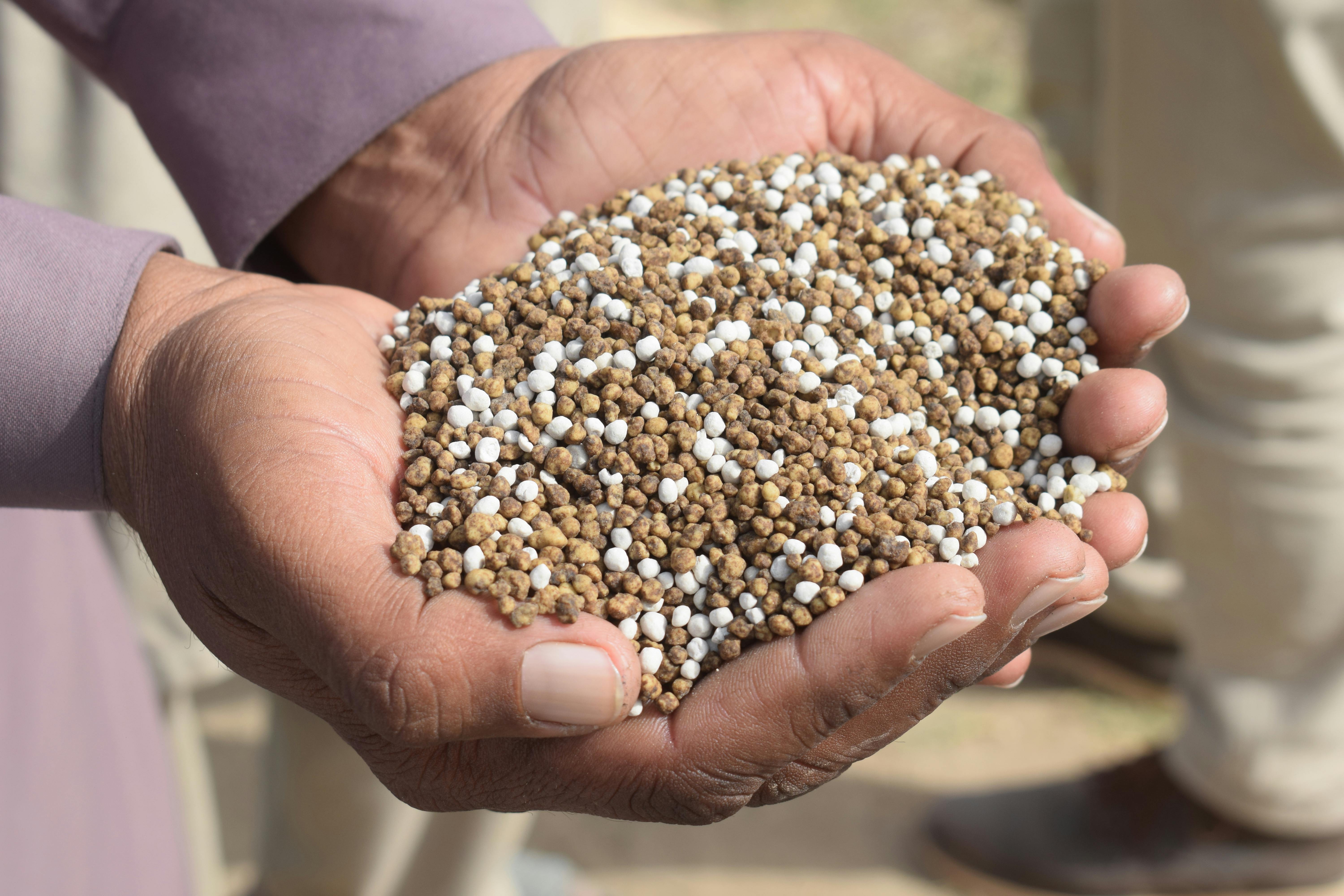
Organic farming in Kenya has become a cornerstone of sustainable agriculture, with the potential to boost food security and economic growth. According to the Kenya Organic Agriculture Network (KOAN), organic practices promote soil health and biodiversity.
Key Insights or Strategies
1. Composting Techniques
- Gather organic waste materials like kitchen scraps and farm residues.
- Layer with dry materials such as leaves and small branches.
- Maintain moisture and aerate regularly to speed up decomposition.

Boost your yields with the Soil pH & Moisture Tester Kit – available on Amazon.
Explore sustainable organic farming solutions with Biofarm Kenya
2. Cover Cropping
- Select appropriate cover crops like legumes for nitrogen fixation.
- Time planting between main crop cycles to maximize benefits.
3. Biochar Application
- Source durable biomass for biochar production.
- Incorporate biochar into the topsoil to improve water retention and fertility.
Consider enhancing soil fertility with Drammatic® Organic™ Original Fertilizer – available on Amazon.
Case Studies, Examples, or Comparisons
A success story from Nyumbani Greens highlights how organic farming has improved livelihoods for over 200 families. By paying fair prices and using organic methods, these farmers have increased their yields and sustainability.
Common Mistakes to Avoid
- Relying too much on a single type of organic input can lead to nutrient imbalances.
- Ignoring the importance of soil testing can result in suboptimal crop performance.
- Overwatering can lead to soil erosion and nutrient leaching.
Expert Tips or Best Practices
Maintain healthy soil with an affordable Soil Testing Kit available on Amazon.
Explore sustainable organic farming solutions with Biofarm Kenya
Future Trends or Predictions
Emerging innovations such as smart irrigation, AI-driven crop monitoring, and vertical farming are set to revolutionize sustainable agriculture in Kenya by increasing efficiency and resilience.
Conclusion
Adopting organic farming methods provides a sustainable path for Kenyan farmers to improve soil health, reduce costs, and increase yields. Discover trusted organic farming tools on Amazon and learn more about sustainable solutions with Biofarm Kenya.
FAQs
Organic farming improves soil fertility and conserves biodiversity. FAO provides extensive resources on organic practices.
Start by collecting organic waste and layering it with dry materials. See detailed guides from NEMA.
Biochar enhances soil structure and fertility. For more details, visit KALRO.
Soil testing identifies nutrient needs to optimize yields. Learn more from the KEBS.
Legumes can significantly reduce fertilizer requirements through nitrogen fixation. Biofarm Kenya offers guidance.
Various government and NGO grants are available. Visit the Ministry of Agriculture for opportunities.


0 Comments