

Estimated Reading Time: 12 minutes
TL;DR:- Implementing drought-resilient cover crops can significantly boost yield.- Native leguminous crops are essential for nitrogen fixing.- Combining cover crops with mulching enhances soil moisture and organic matter.- Modern techniques can coexist with traditional methods effectively.- Smallholder farmers can employ these strategies cost-effectively.Key Takeaways:- Choose appropriate drought-resistant cover crops for your region.- Use maize stover mulch to improve soil moisture retention.- Integrate traditional and modern practices for optimal results.- Utilize affordable solutions to improve soil fertility.- Continuous education and innovation are crucial for sustainable farming.Table of Contents- Introduction
- Background & Context
- Key Insights or Strategies
- Case Studies, Examples, or Comparisons
- Common Mistakes to Avoid
- Expert Tips or Best Practices
- Future Trends or Predictions
- Conclusion
- FAQs
Introduction
Kenyan farmers are increasingly seeking drought resilience strategies as climate patterns shift. This guide trains farmers to combine modern cover crops with traditional mulching—defying the belief that these methods conflict. Key steps include selecting native leguminous cover crops to fix soil nitrogen while using maize stover mulch to retain moisture. A 2026 study from the University of Nairobi shows this hybrid approach increases soil organic matter by 22% and boosts maize yields by 30% compared to using either method alone.
Background & Context
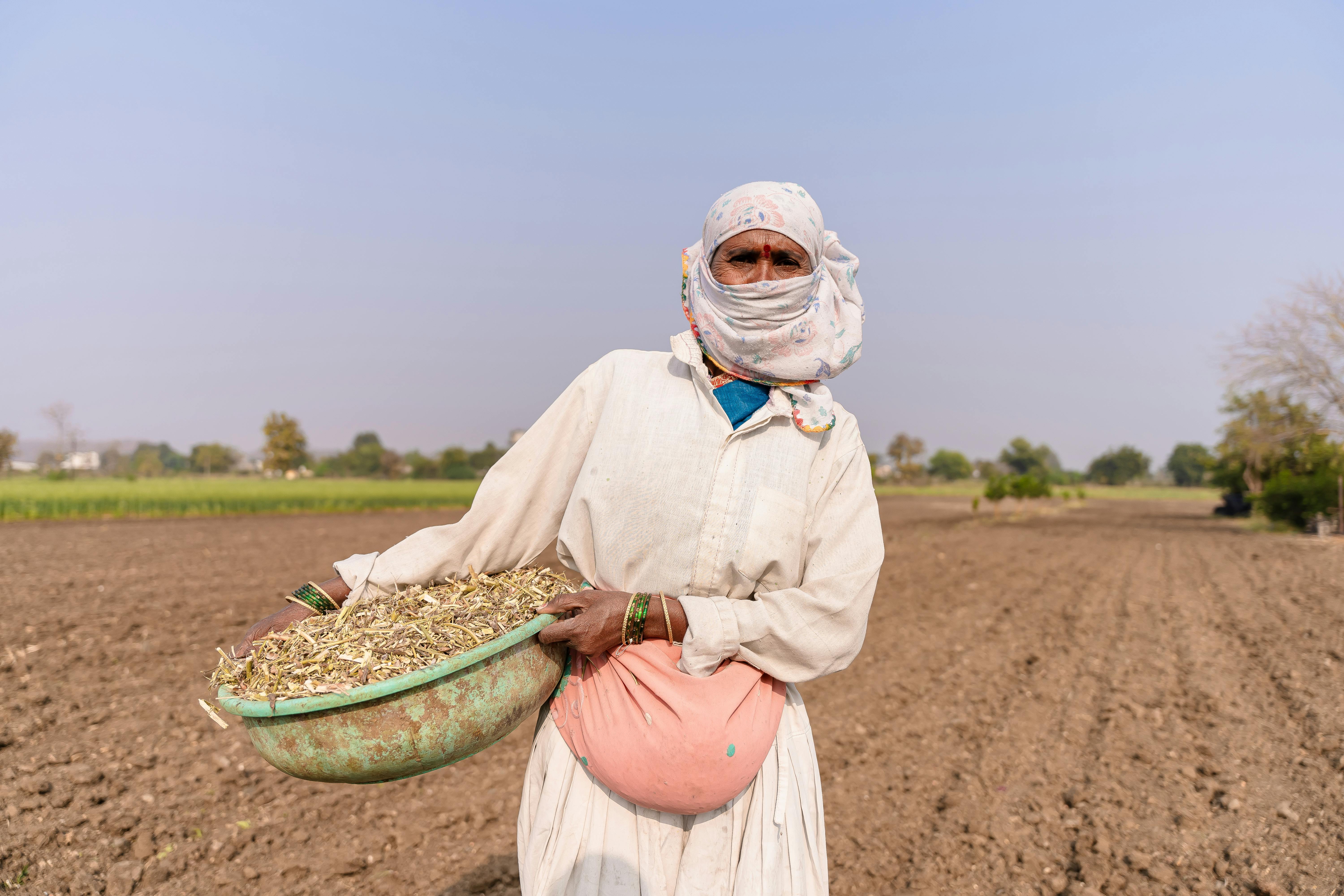
In recent years, organic farming has grown rapidly in Kenya, with farmers implementing new techniques to enhance soil fertility and improve yields sustainably. According to a report by PreventionWeb, new drought-tolerant crop varieties are being adopted, promoting resilience against extreme weather conditions.
Key Insights or Strategies
Drought-Resilient Crop Selection
Selecting the right cover crops is crucial for drought resilience. Indigenous crops such as mucuna and sunn hemp have shown success in retaining soil fertility and moisture.
- Identify local leguminous cover crops.
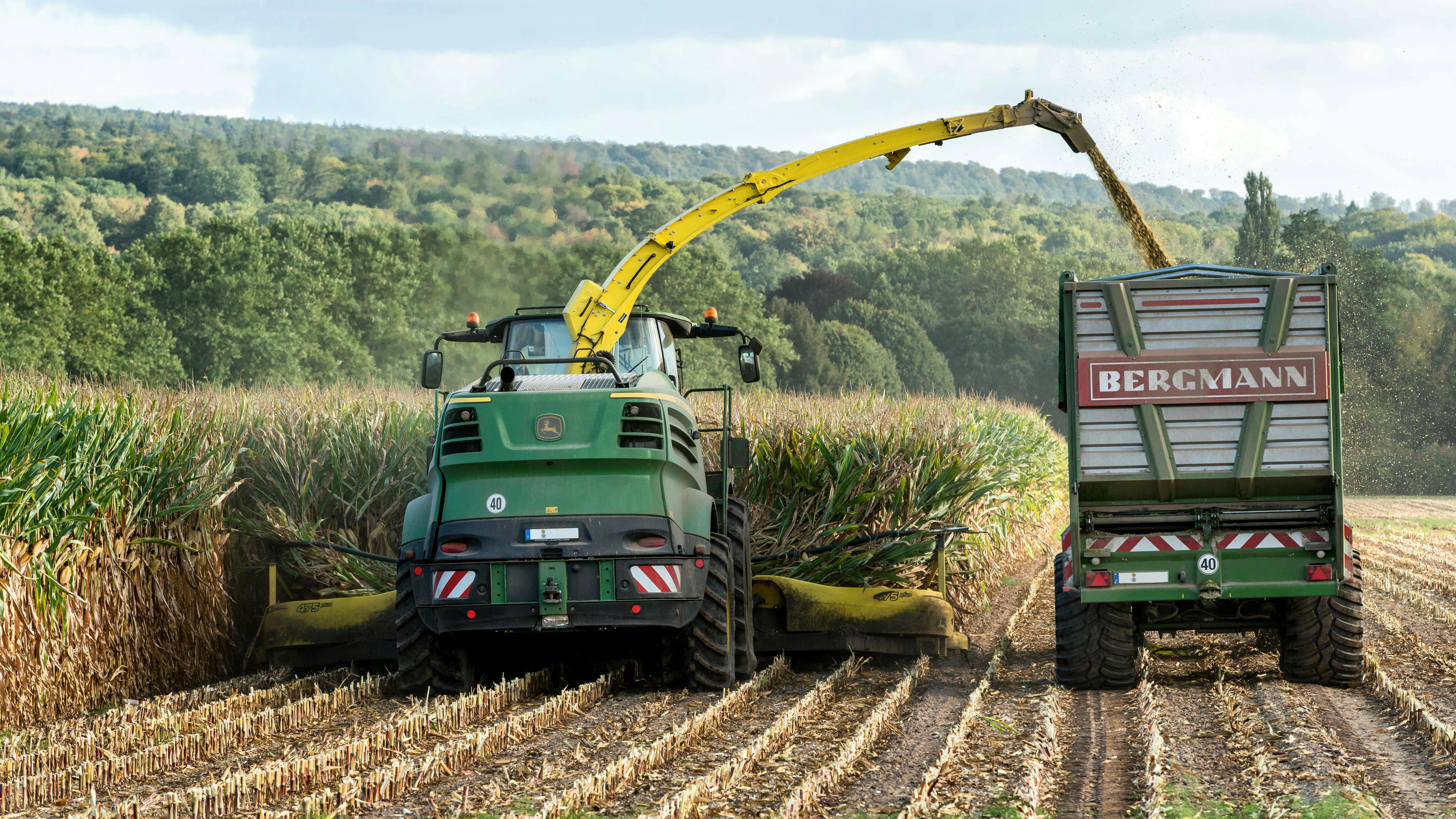
- Use maize stover mulch between seasons.
- Monitor and adjust irrigation and mulching practices regularly.
 ✅ Boost your yields with the AgroThrive Organic Liquid Fertilizer – available on Amazon.Explore sustainable organic farming solutions with Biofarm Kenya
Case Studies, Examples, or Comparisons
Farmers in regions like Mbeere have successfully implemented drought-resistant pigeon pea varieties, enhancing both yield and soil health. According to One Acre Fund, farmer-led trials in Kenya and Rwanda emphasize the importance of community-based knowledge sharing and innovation in implementing cover crops effectively.
Common Mistakes to Avoid
- Underestimating the importance of local knowledge in crop selection and farming practices.
- Over-reliance on chemical fertilizers without considering organic alternatives.
- Failing to adapt irrigation systems for optimal water retention and usage.
Expert Tips or Best Practices
Combining traditional and modern farming practices can create a resilient agricultural framework. Use locally sourced and environmentally friendly materials to reduce costs and improve soil health.
Maintain healthy soil with Organic Plant Magic - Fast-Acting Water Soluble Plant Food.Explore sustainable organic farming solutions with Biofarm KenyaFuture Trends or Predictions
As technology advances, innovations like smart irrigation and AI-driven crop monitoring are expected to play a significant role in the next phase of agriculture in Kenya. Vertical farming may also offer new opportunities for urban and rural areas alike.
Conclusion
Sustainable agriculture in Kenya involves combining traditional methods with modern innovations to adapt to changing climate conditions. Implementing drought-resilient cover crops alongside effective mulching techniques can lead to remarkable improvements in yield and soil health.
Discover trusted organic farming tools on Amazon and learn more about sustainable solutions with Biofarm Kenya.FAQs
- What are the best cover crops for dry conditions in Kenya?
Leguminous plants like mucuna and sunn hemp are recommended. For more information, visit the NEMA Kenya website. - How can I improve soil nitrogen levels naturally?
Incorporate nitrogen-fixing legumes into your crop rotation. The FAO provides in-depth guidelines. - What's the role of mulching in retaining soil moisture?
Mulching reduces evaporation and maintains a stable soil temperature. The KEBS outlines best practices. - Can traditional and modern farming techniques coexist?
Yes, a hybrid approach can enhance efficiency and productivity. See insights at Biofarm Kenya. - Is chemical fertilizer necessary for high yields?
Organic alternatives can significantly improve yields without harmful effects. Learn more from NEMA. - Are there affordable tools for smallholder farmers?
Yes, and many tools are available on Amazon.


0 Comments