

Estimated Reading Time: 12 minutes
Boost Yields with Maize-Bean Intercropping Guide
TL;DR: Intercropping maize with nitrogen-fixing beans can increase yields by 30% for Kenyan farmers in arid regions, optimize water use, and reduce soil erosion. This sustainable practice, backed by KALRO research, is vital for improving resiliency against climate change.
Key Takeaways:
- Maize-bean intercropping increases yields by 30%.
- Reduces soil erosion and enhances water retention.
- Adopt proper spacing and pest management for success.
Meta Description: Learn how Kenyan farmers increase yields by 30% with drought-resilient maize-bean intercropping. Reduce water use and soil erosion sustainably.
Background & Context
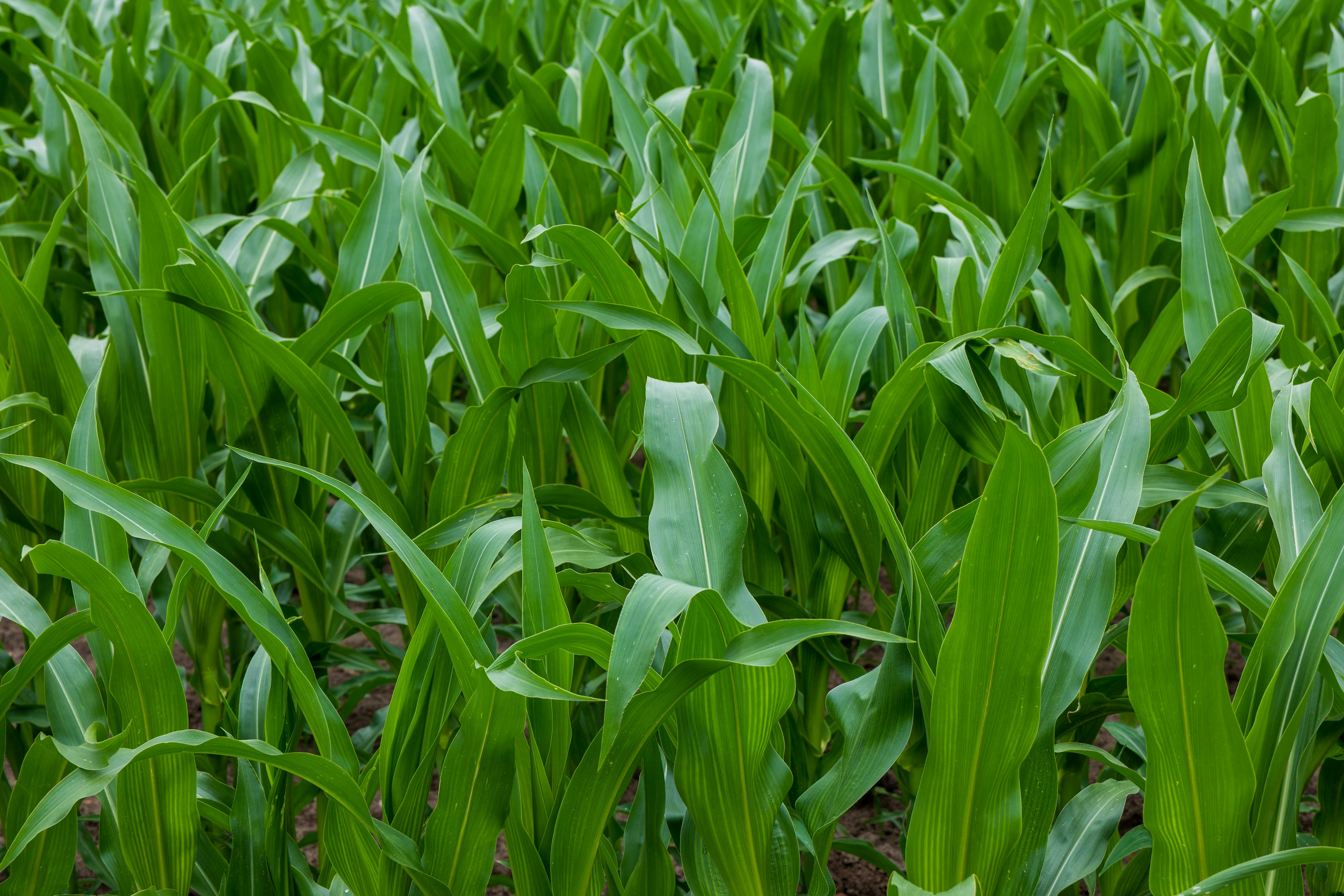
Kenyan farmers in arid regions are increasingly seeking drought-resilient practices. This guide trains farmers to adopt intercropping maize with nitrogen-fixing beans, challenging the norm of monocropping. Evidence shows this method increases yield by 30% (KALRO 2025), reduces soil erosion (ILRI 2024), and optimizes water use. With the backdrop of climate change, sustainable agriculture in Kenya is vital. As per the Farm Africa Report, sustainable practices are transforming lives.
Key Insights or Strategies

1. Proper Spacing and Ratios
- Maintain a 1:3 ratio of maize to beans for optimal results.
- Ensure adequate sunlight and nutrients for both crops.
Boost your yields with the Organic Compost Starter Mix – available on Amazon.
2. Effective Pest Management
- Use organic pest control methods to minimize damage.
- Monitor crops regularly for signs of infestation.
Case Studies, Examples, or Comparisons
In Eastern Kenya, over 50,000 farmers have successfully adopted intercropping, boosting yields and sustainability efforts. According to the Agribusiness Global Report, these techniques prove essential for thriving against climatic challenges.
Common Mistakes to Avoid
- Over-crowding the crops, leading to competition for resources.
- Neglecting pest control, which can devastate both crops.
- Improper irrigation practices, causing water wastage.
Expert Tips or Best Practices
Consider using a CARPATHEN Drip Irrigation System Kit – available on Amazon to efficiently manage water usage. This system delivers water directly to plant roots, ensuring minimization of wastage.
Explore sustainable organic farming solutions with Biofarm KenyaFuture Trends or Predictions
The future of Kenyan agriculture will see integration of smart irrigation techniques, AI-driven crop monitoring, and vertical farming. These innovations aim to safeguard food security while promoting environmental sustainability.
Conclusion
By adopting maize-bean intercropping, Kenyan farmers can significantly boost their productivity while maintaining environmental health. Discover trusted organic farming tools on Amazon and learn more about sustainable solutions with Biofarm Kenya.


0 Comments