

Estimated Reading Time: 11 minutes
Meta Description: Kenyan farmers: Learn low-cost soil health strategies to cut synthetic fertilizer use by 30%. Maintain 95% yields, save 22% costs. A KARI-backed guide.
TL;DR:
Key Takeaways:
Table of Contents
Introduction: Cultivating Prosperity Through Healthy Soils
In the vibrant agricultural heartland of Kenya, farmers are increasingly seeking low-cost, climate-smart practices to reduce input costs while maintaining productivity. The escalating prices of synthetic fertilizers, coupled with growing concerns over soil degradation and climate change, have created an urgent need for sustainable alternatives. This comprehensive guide is designed to empower Kenyan farmers, offering practical, evidence-based soil health strategies to significantly cut synthetic fertilizer use. By adopting the methods outlined here, farmers can aim to reduce their reliance on conventional fertilizers by up to 30%, maintain an impressive 95% of conventional yields, and ultimately save up to 22% in overall costs, based on promising results from a 2025 KARI field trial.
Our focus is on three core, proven strategies: (1) Intercropping with nitrogen-fixing legumes such as cowpeas, which naturally enrich soil nitrogen; (2) Applying composted livestock manure at optimal rates, typically 5 tons per hectare, to partially replace synthetic fertilizers; and (3) Using readily available soil test kits to precisely optimize any remaining fertilizer application. These approaches are not just about cost-cutting; they are about building long-term soil resilience, enhancing biodiversity, and ensuring the enduring productivity of our precious farmlands for generations to come. Join us as we explore how these simple yet powerful practices can transform your farm into a more sustainable and profitable enterprise.
Background & Context: The Shifting Landscape of Kenyan Agriculture

Kenya's agricultural sector forms the backbone of its economy, contributing significantly to the Gross Domestic Product and providing livelihoods for a majority of the population. However, decades of intensive farming, reliance on synthetic inputs, and changing climate patterns have led to widespread soil degradation, nutrient depletion, and reduced yields. According to the Food and Agriculture Organization (FAO), a significant portion of agricultural land in sub-Saharan Africa, including Kenya, suffers from low soil fertility, making the transition to sustainable practices not just beneficial, but critical for food security and economic stability.
The imperative for change is clear. Farmers are grappling with unpredictable weather, increased pest pressure, and the rising cost of essential agricultural inputs. This has spurred a growing interest in organic farming and sustainable agriculture, which emphasize ecological balance, soil health, and minimal reliance on external chemicals. The Kenyan government, alongside research institutions like the Kenya Agricultural and Livestock Research Organization (KARI) and various NGOs, is actively promoting agroecological innovations. These efforts are aimed at building climate resilience, improving smallholder farmers' incomes, and ensuring environmental stewardship. The success of projects like the 'Cross Soil Project' highlights the immense potential of sustainable agriculture practices in transforming Kenya’s agricultural sector by rehabilitating degraded lands and boosting crop yields.
Key Insights or Strategies: Empowering Farmers with Sustainable Solutions
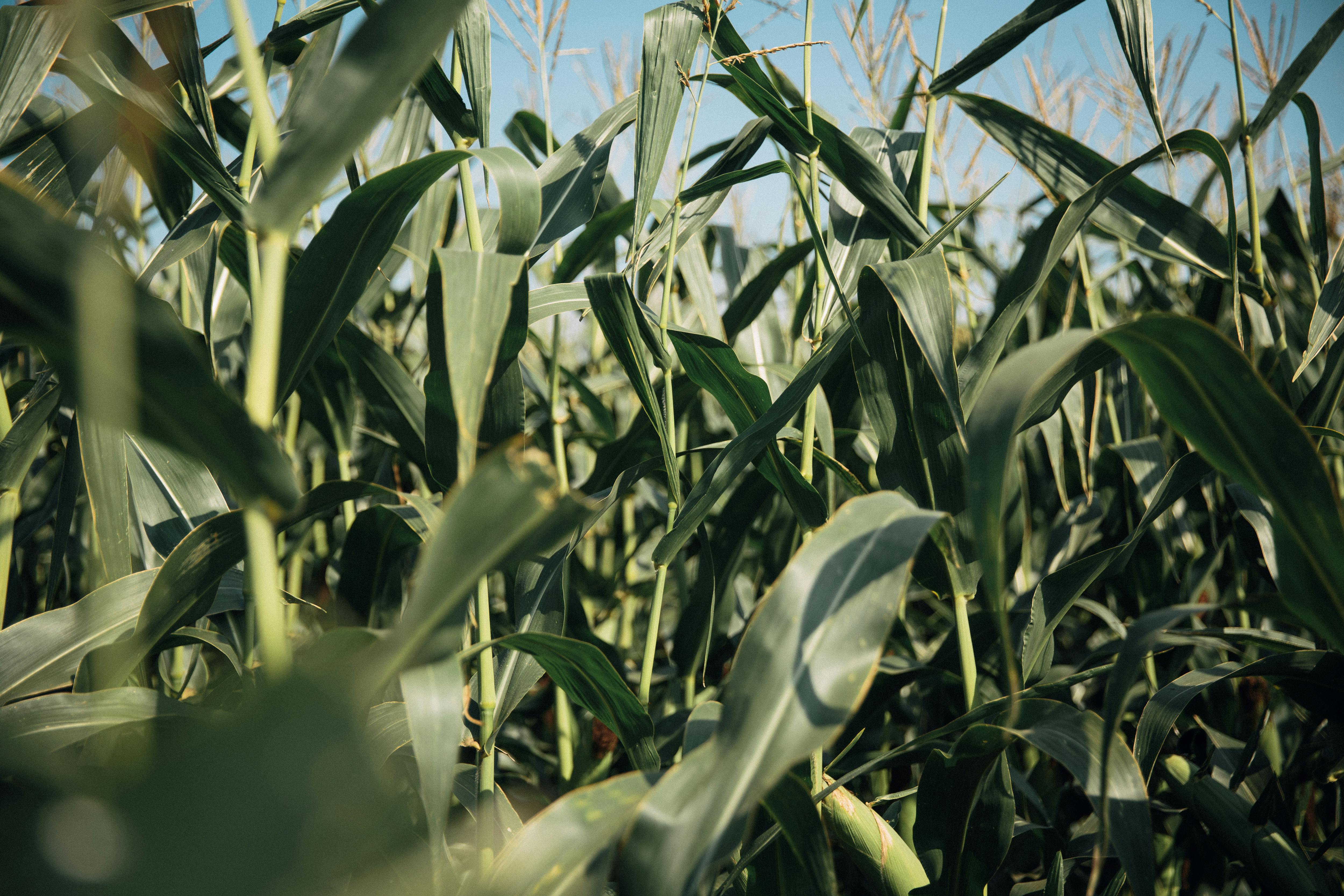
Intercropping with Nitrogen-Fixing Legumes
Intercropping is an ancient yet highly effective practice where two or more crop species are grown simultaneously in the same field. When one of these crops is a nitrogen-fixing legume, such as cowpeas, beans, groundnuts, or soybeans, it forms a symbiotic relationship with bacteria in its root nodules, converting atmospheric nitrogen into a form usable by plants. This natural process enriches the soil, significantly reducing the need for synthetic nitrogen fertilizers for both the legume and the companion crop.
For farmers looking to diversify their crops and enrich their soil naturally, consider exploring local seed varieties of legumes. Additionally, boost your yields with a reliable LaMotte N-P-K Soil Test Kit – available on Amazon, which helps you understand existing nutrient levels before planting.
Harnessing the Power of Composted Livestock Manure
Composted livestock manure is a goldmine for soil health. Unlike raw manure, which can contain pathogens and burn plants, properly composted manure is a stable, nutrient-rich organic matter. It improves soil structure, increases water retention, provides a slow-release source of macro and micronutrients, and enhances beneficial microbial activity, which is crucial for nutrient cycling.
To efficiently produce your own nutrient-rich compost, consider investing in a 5-Layer Worm Compost Bin, 85L Worm Composter – available on Amazon. This system allows you to convert food and farm waste into valuable vermicompost.
Precision Nutrition Through Soil Testing
One of the most cost-effective strategies for reducing fertilizer waste and optimizing application is regular soil testing. A soil test provides a snapshot of your soil's current nutrient levels (Nitrogen, Phosphorus, Potassium, pH, etc.) and offers specific recommendations for amendments. This eliminates guesswork, preventing over-application of nutrients that are already sufficient, and ensuring you only apply what your crops truly need.
For detailed guidance and to explore sustainable organic farming solutions with Biofarm Kenya, visit our partners page. We provide resources and connections to help you implement these precise soil management strategies.
Case Studies & Success Stories: Real-World Impact in Kenya
Across Kenya, numerous smallholder farmers are demonstrating the tangible benefits of adopting sustainable agricultural practices. For instance, in Western Kenya, a community initiative supported by a local agricultural NGO focused on integrated soil fertility management. Farmers participating in the program transitioned from exclusive reliance on expensive DAP and CAN fertilizers to a system combining leguminous cover crops, improved farmyard manure, and precise micro-dosing of mineral fertilizers based on soil tests. Within two seasons, these farmers reported a 25% reduction in fertilizer expenditure, coupled with an average 15% increase in maize and bean yields, attributing the success to improved soil structure and water retention capacity. The Food and Agriculture Organization (FAO) often highlights such success stories, underscoring the potential for scaling these methods.
Another inspiring example comes from the semi-arid regions, where water scarcity is a major challenge. Farmers who invested in small-scale greenhouse kits and drip irrigation systems, coupled with organic soil amendments, were able to grow high-value crops like tomatoes and capsicums year-round. These farmers not only achieved better yields due to controlled environments but also significantly reduced water consumption by up to 70% compared to traditional open-field irrigation. Their enhanced income stability and reduced input costs serve as powerful testimonials to the efficacy of climate-smart agriculture. These local successes provide compelling evidence that sustainable practices are not just environmentally friendly but also economically viable for Kenyan farmers.
Common Mistakes to Avoid in Soil Health Management
While the journey towards sustainable farming offers immense rewards, certain pitfalls can hinder progress. Being aware of these common mistakes can help Kenyan farmers sidestep obstacles and optimize their efforts.
Expert Tips & Best Practices for Sustainable Farming
Building on the principles of soil health and sustainable agriculture, here are some expert tips tailored for Kenyan farmers to maximize their yields and minimize costs.
By integrating these practices, farmers can create a resilient and productive farming system. Maintain healthy soil and boost your crops by exploring high-quality inputs and tools. Discover a wide range of organic farming solutions and resources on Biofarm Kenya's partner page.
Future Trends & Predictions: Innovating for a Resilient Future
The agricultural landscape in Kenya is on the cusp of significant transformation, driven by technological advancements and a growing awareness of sustainability. Several key trends are emerging that promise to further empower farmers and enhance productivity in an.
The agricultural landscape in Kenya is on the cusp of significant transformation, driven by technological advancements and a growing awareness of sustainability. Several key trends are emerging that promise to further empower farmers and enhance productivity in an environmentally conscious manner.
These trends highlight a future where agriculture in Kenya is more efficient, resilient, and responsive to both environmental challenges and market demands, ensuring long-term food security and prosperity for its farmers.
Conclusion: Sowing Seeds of Sustainability for Generations
The journey towards cutting fertilizer costs sustainably is not merely a financial strategy; it is a commitment to the long-term health of our land, our communities, and our future. By embracing evidence-based soil health strategies—intercropping with nitrogen-fixing legumes, applying composted livestock manure, and utilizing precise soil test kits—Kenyan farmers have the power to transform their agricultural practices. These methods, validated by promising KARI field trials demonstrating maintained yields and significant cost reductions, offer a viable path to enhanced farm profitability and environmental stewardship. The transition to climate-smart, low-input farming is a testament to the resilience and ingenuity of Kenyan farmers, positioning them at the forefront of a global movement towards sustainable food systems. Every step taken to nurture our soils contributes to a more secure, prosperous, and resilient Kenya for generations to come.
Discover trusted organic farming tools on Amazon and learn more about sustainable solutions with Biofarm Kenya, your partner in cultivating a greener tomorrow.
Frequently Asked Questions (FAQs)
1. How quickly can I see results from reducing synthetic fertilizer use with these methods?
While some benefits, like reduced input costs, are immediate, improvements in soil health and nutrient availability often become noticeable within 1-2 growing seasons. Full benefits, such as enhanced soil structure and microbial activity, can take 3-5 years of consistent practice. It's a gradual, yet highly rewarding process. Learn more about soil health timelines from FAO resources.
2. Are these sustainable practices suitable for all crop types in Kenya?
Yes, the core principles of intercropping, organic matter addition, and soil testing are universally beneficial for almost all crop types grown in Kenya, from staple crops like maize and beans to high-value horticulture. Specific legume choices or compost application rates might vary, but the underlying strategies remain effective. Explore Biofarm Kenya's blog for crop-specific advice.
3. Where can I get reliable soil testing services in Kenya?
Several organizations and private laboratories across Kenya offer soil testing services, including KARI research centers, universities (e.g., University of Nairobi), and private agricultural consultants. It's advisable to seek accredited labs for accurate results. Additionally, consider user-friendly LaMotte N-P-K Soil Test Kits for on-farm preliminary checks. Contact KALRO (KARI) for their soil analysis services.
4. What are the best nitrogen-fixing legumes for intercropping in different Kenyan agro-ecological zones?
Common legumes include common beans (Phaseolus vulgaris), cowpeas (Vigna unguiculata), groundnuts (Arachis hypogaea), and soybeans (Glycine max). The best choice depends on your specific agro-ecological zone, rainfall patterns, and market demand. For instance, cowpeas thrive in warmer, drier regions, while beans are more versatile. CGIAR offers extensive research on legumes for smallholder farmers.
5. How can I ensure proper composting of livestock manure on my farm?
Proper composting involves creating a balance of 'greens' (nitrogen-rich like fresh manure, green plant material) and 'browns' (carbon-rich like dry leaves, straw, wood chips), maintaining adequate moisture, and regular turning to aerate the pile. The pile should reach high temperatures to kill pathogens and weed seeds. Resources from agricultural extension services or a 5-Layer Worm Compost Bin can guide you. NEMA (National Environment Management Authority) also provides guidelines on waste management, including composting.
6. What government support or incentives are available for Kenyan farmers adopting sustainable practices?
The Kenyan government, through the Ministry of Agriculture, Livestock, Fisheries and Cooperatives, often rolls out programs and policies to promote sustainable agriculture, climate-smart farming, and organic practices. These can include training, subsidies on certain sustainable inputs, and access to credit facilities. Farmers are encouraged to consult their local agricultural extension officers for the latest information on available support. Visit the Ministry of Agriculture, Livestock, Fisheries and Cooperatives website for official information.
External Authoritative Links:
Internal Biofarm Kenya Links:


0 Comments