

Estimated Reading Time: 15 minutes
TL;DR: Discover how smart irrigation enhances drought-resistant crop yields in Kenya. Learn about precise techniques, benefits, and avoid common mistakes.
Key Takeaways:
- Use data-driven methods to optimize irrigation and maximize crop yields.
- Smart irrigation reduces water waste and prevents root rot.
- Adopting eco-friendly agriculture tools can lead to long-term profits.
Table of Contents
- Background & Context
- Key Insights or Strategies
- Case Studies, Examples, or Comparisons
- Common Mistakes to Avoid
- Expert Tips or Best Practices
- Future Trends or Predictions
- Conclusion
- FAQs
Background & Context
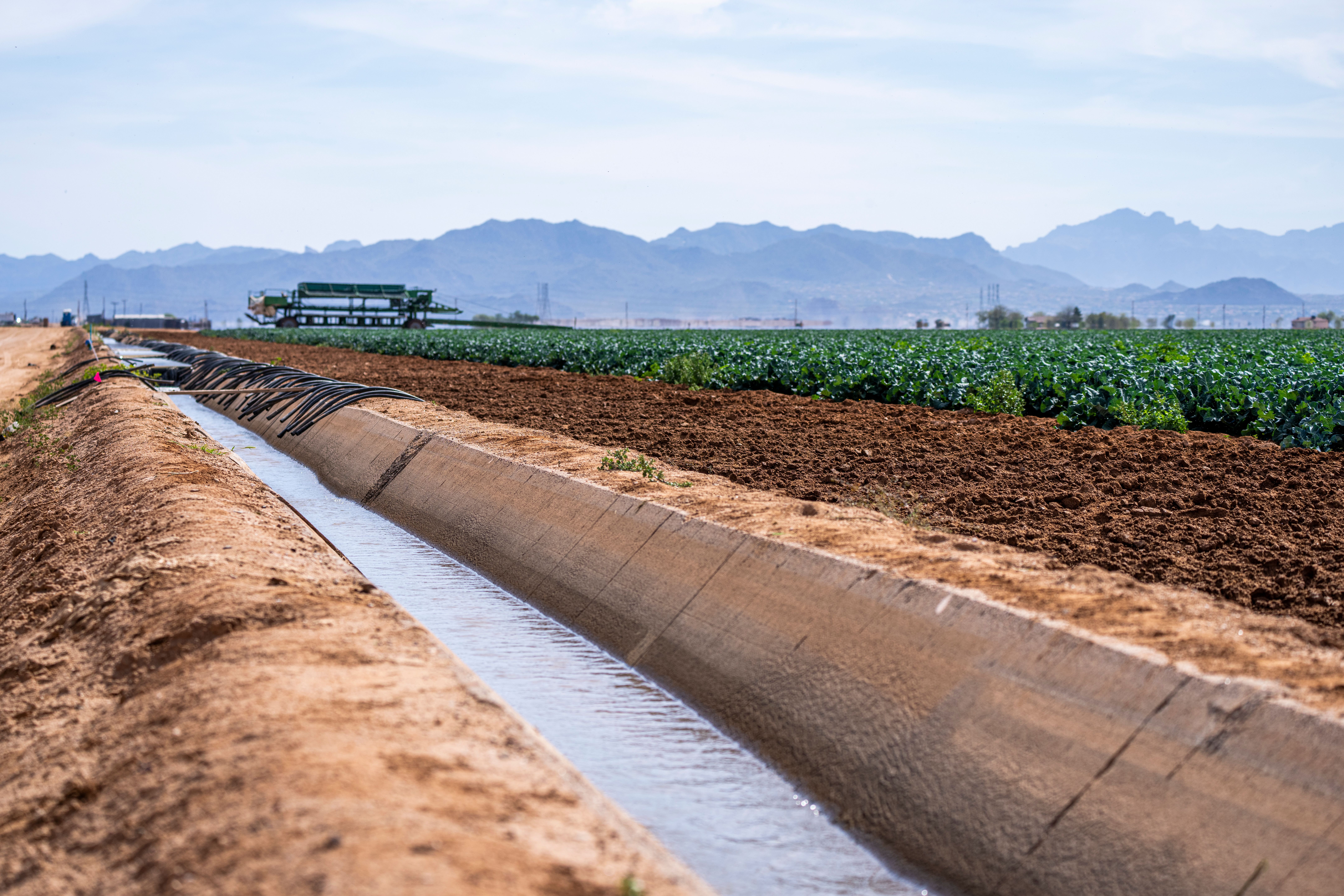
Kenyan farmers are increasingly adopting drought-resistant crops, but many are undermining their success by overwatering. Training must focus on precise irrigation techniques to optimize yields and costs. Evidence shows: 1) Maize varieties like SC 528 require 30% less water than traditional irrigation schedules suggest (KALRO, 2026). 2) Soil moisture sensors reduce water use by 40% while increasing root depth. 3) Excess water promotes root rot in sorghum and millet, costing farmers 15-20% in annual losses. Transition to data-driven irrigation using affordable tools like the UjuziKilimo app for real-time soil analysis.
Key Insights or Strategies
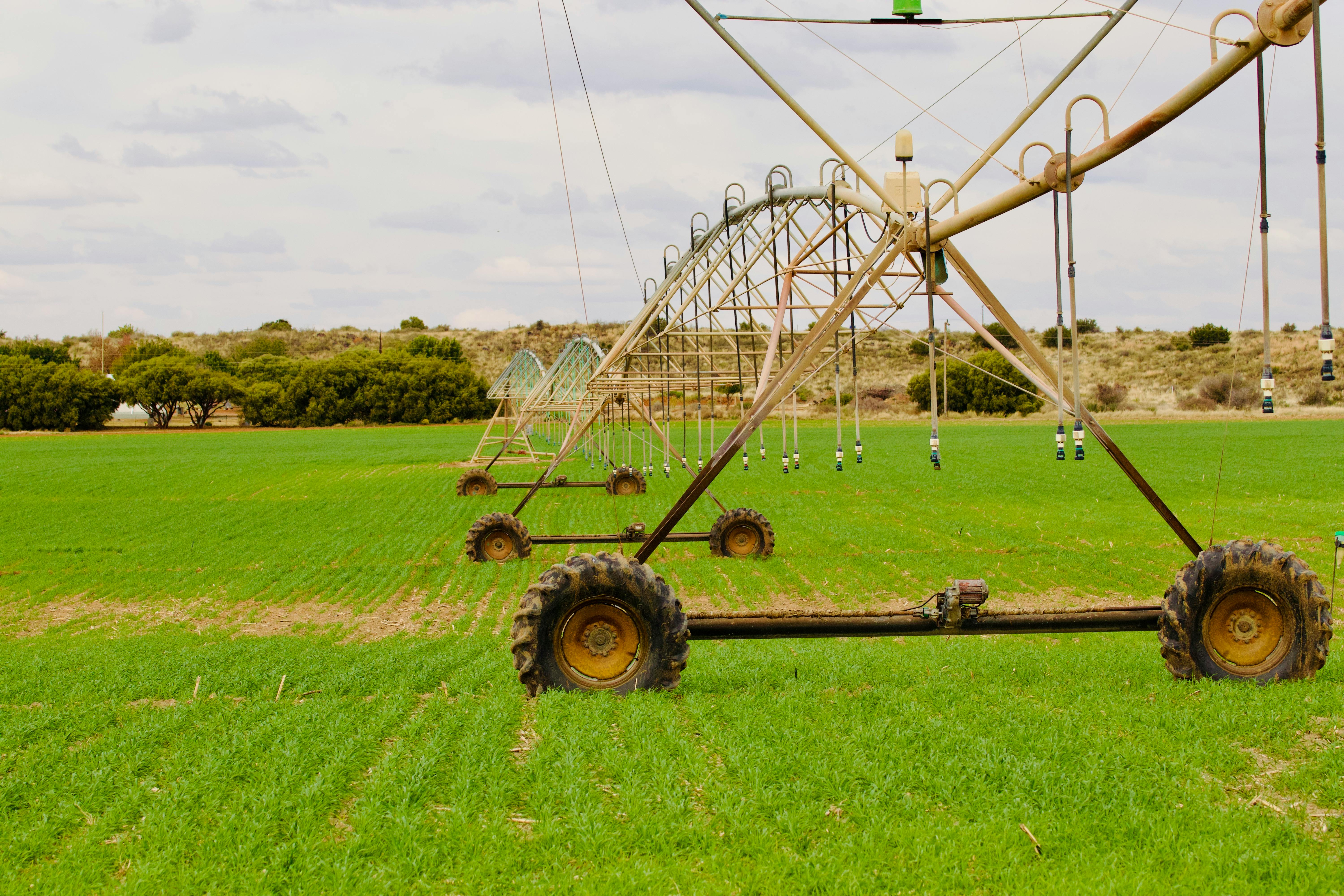
Utilizing Data-Driven Irrigation Techniques
- Invest in soil moisture sensors and smart irrigation systems.
- Use mobile apps like UjuziKilimo for real-time soil analysis.
- Tailor irrigation schedules based on crop needs to prevent waste and root rot.
For farmers seeking reliable water management tools, consider the Soil pH & Moisture Tester Kit – available on Amazon.
Explore sustainable organic farming solutions with Biofarm Kenya
Case Studies, Examples, or Comparisons
One exemplary case is the implementation of precision agriculture techniques by smallholder farms in Machakos County. By leveraging affordable moisture sensors and data-driven irrigation schedules, these farmers saw a 30% increase in maize yield within the first year.
According to the Ministry of Agriculture, the adoption of such technologies across Kenya could mitigate the impacts of climate variability and enhance food security (Ministry of Agriculture, 2023).
Common Mistakes to Avoid
- Overusing fertilizers: Use only recommended quantities to avoid soil degradation.
- Ignoring soil health: Conduct regular soil tests to maintain fertility.
- Improper irrigation: Employing uniform watering can lead to wastage and promote root diseases.
Expert Tips or Best Practices
Select crops that are drought-resistant and suitable for your region's climate conditions. Maintain healthy soil with Organic Compost Starter Mix.
Maximize efficiency by employing crop rotation and intercropping techniques.
Integrate sustainable farming practices with Biofarm Kenya
Future Trends or Predictions
With the rise of smart technologies, farmers can anticipate the integration of AI-driven crop monitoring and vertical farming systems, which promise to further drive efficiency and sustainability in agriculture.
Conclusion
Transitioning to smart irrigation and adopting sustainable practices can greatly enhance crop yields while minimizing environmental impacts. Discover trusted organic farming tools on Amazon and learn more about sustainable solutions with Biofarm Kenya.
FAQs
- What is smart irrigation?
Smart irrigation uses technology to optimize water usage based on real-time data and crop needs, significantly reducing waste and increasing efficiency. For more information, visit FAO Sustainable Agriculture. - How can I prevent root rot?
Ensure proper drainage and avoid overwatering. Regular soil testing can help monitor soil moisture levels, reducing the risk of root rot. Learn more at NEMA. - What crops are best for dry climates?
Drought-resistant varieties such as sorghum, millet, and certain maize types are ideal. The Kenyan Ministry of Agriculture outlines suitable crops for various regions.Ministry of Agriculture. - Are organic fertilizers effective?
Yes, they improve soil health and fertility over time. The KEBS provides standards for organic fertilizer production. Visit KEBS. - Where can I access smart farming apps?
Apps like UjuziKilimo are available for farmers seeking to optimize their agricultural practices via data-driven insights. Check app stores or Google Play Store. - What measures are being taken to combat climate change in agriculture?
Efforts include promoting sustainable practices, reducing chemical use, and enhancing water management. See Biofarm Kenya Climate Action for more details.


0 Comments