

Estimated Reading Time: 12 minutes
TL;DR: Sustainable farming revitalizes soil, boosts yields, and cuts costs. Key steps: soil testing, composting, intercropping.Key Takeaways:- Switch to organic to improve soil health and profits.
- Test soil to balance organic with micro-nutrient supplements.
- Use composting and intercropping for better yields.
- Learn from local success stories for practical insights.
- Avoid common mistakes in nutrient management.
Table of Contents
- Background & Context
- Key Insights or Strategies
- Case Studies, Examples, or Comparisons
- Common Mistakes to Avoid
- Expert Tips or Best Practices
- Future Trends or Predictions
- Conclusion
- FAQs
Introduction
Kenyan farmers are increasingly questioning the long-term effects of inorganic fertilizers on soil health, with rising queries about sustainable alternatives. This training guide focuses on transitioning to organic nutrient management while avoiding yield losses. Key steps include soil testing to balance organic inputs with micro-nutrient supplements, composting techniques proven to increase maize yields by 25% in the Nyanza Region (KALRO 2025), and intercropping legumes to naturally fix nitrogen. Farmers must learn to blend traditional knowledge with science-backed organic practices for profitability and soil regeneration.
Background & Context
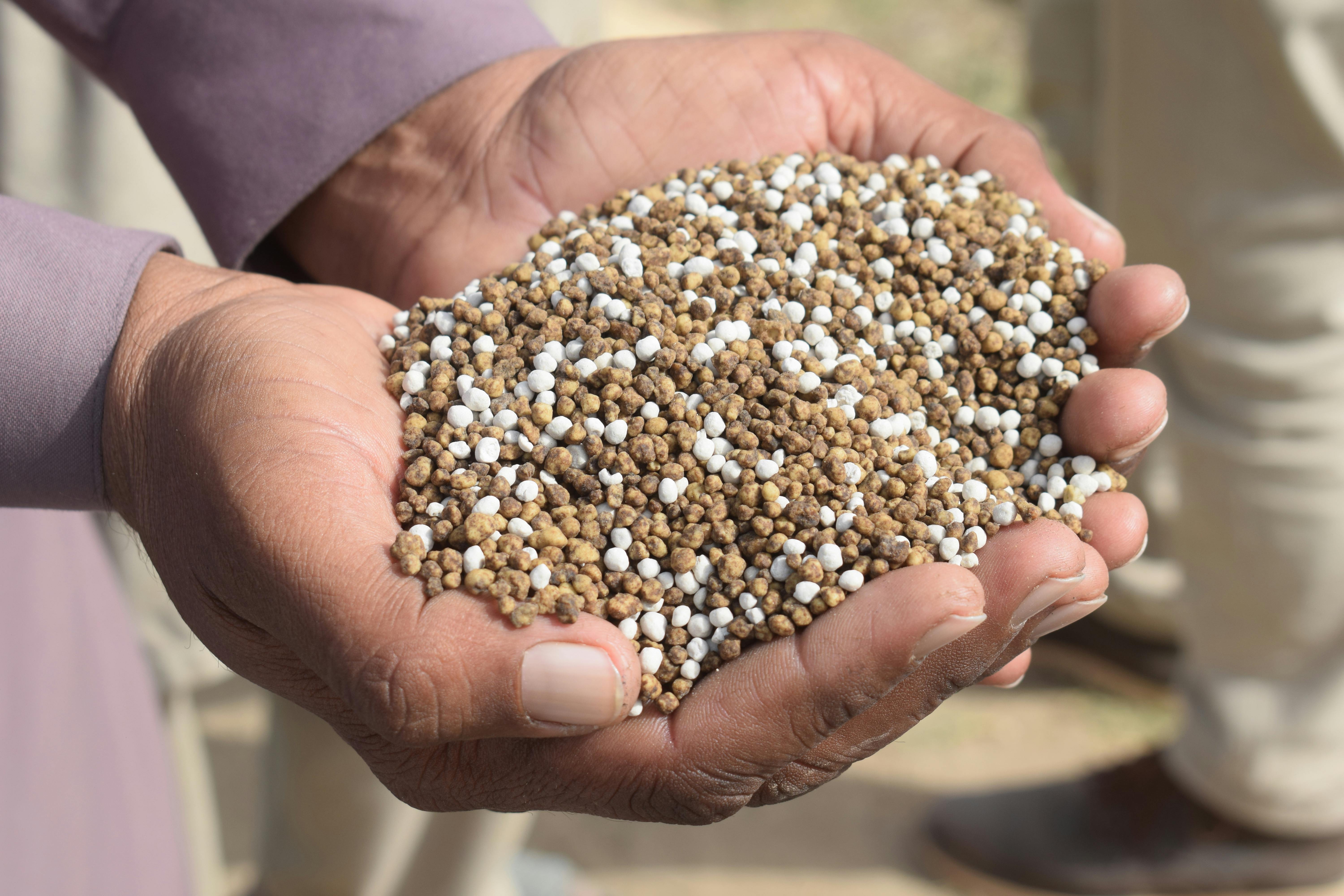
In East Africa, organic farming is gaining traction due to its environmental benefits and potential to enhance food security. With degraded soils and climate change impacting traditional methods, Kenyan farmers are adopting organic techniques to promote sustainable agriculture and increase resilience.
Key Insights or Strategies

Soil Testing and Nutrient Management
- Conduct comprehensive soil testing to assess nutrient deficiencies.
- Apply organic fertilizers tailored to your soil profile. Available on Amazon, Best Organic Fertilizer offers a wide range of products.
- Integrate micro-nutrients to boost plant health and yields.
Composting Techniques
- Establish a compost pile using farm waste, kitchen scraps, and other organic materials.
- Regularly turn compost to speed up decomposition.
- Monitor moisture levels to ensure effective composting.
Boost your yields with the Organic Fertilizer For Vegetables – available on Amazon.
Explore sustainable organic farming solutions with Biofarm Kenya
Case Studies, Examples, or Comparisons
Farmers in the Nyanza region have observed impressive results from organic practices, with maize yields increasing by 25% through composting (KALRO 2025). This success highlights the potential for organic methods to outperform conventional farming.
Common Mistakes to Avoid
- Over-fertilizing crops, leading to nutrient runoff.
- Ignoring soil pH balance – crucial for nutrient uptake.
- Neglecting organic pest control can render crops vulnerable.
Expert Tips or Best Practices
Embrace intercropping with legumes to naturally enrich soil nitrogen levels. Maintain healthy soil with Organic Granular Fertilizer.
For expert guidance, explore Biofarm Kenya's solutions.
Future Trends or Predictions
Emerging trends include precision agriculture, smart irrigation systems, and AI-driven crop health monitoring. These innovations promise to revolutionize organic farming practices in Kenya.
Conclusion
Transitioning to organic farming can significantly benefit soil health and farmer profitability. Discover trusted organic farming tools on Amazon and learn more about sustainable solutions with Biofarm Kenya.
FAQs
- What are the benefits of organic farming in Kenya? Organic farming enhances soil health, reduces chemical use, and improves crop yields. Learn more from FAO.
- How do I start organic farming with minimal resources? Begin with soil testing and utilize available organic waste for composting. Networking with local farmers can provide support. Find assistance at Biofarm Kenya.
- What is the role of legumes in organic farming? Legumes naturally fix nitrogen in the soil, reducing the need for synthetic fertilizers. Explore guidelines from NEMA.
- Can organic farming be profitable? Yes, through improved yields and reduced reliance on expensive inputs. KALRO provides examples of profitability.
- What challenges do organic farmers face? Lack of market access and knowledge gaps are common challenges. OACK offers support and training.
- Why is soil pH important in organic farming? It affects nutrient availability and plant health. Correct pH with natural amendments. KEBS offers testing services.


0 Comments