

Estimated Reading Time: 11 minutes
Introduction: The Double-Edged Sword of Kenya's Avocado Boom
Kenya has emerged as a global leader in avocado exports, often hailed as 'green gold' for its economic promise. The burgeoning international demand has led to a rapid expansion of avocado farms across the country, creating a ripple effect of both opportunity and unforeseen challenges. However, behind the headlines of record-breaking exports, Kenya's avocado boom masks small farmers' struggle. For thousands of small-scale growers, what was once a pathway to prosperity has become a precarious journey fraught with market saturation, escalating costs, and intense competition for dwindling resources. This article delves into the harsh realities faced by these farmers, exploring how the very success of the industry threatens their livelihoods and contributes to a concerning consolidation of wealth. Understanding these dynamics is crucial for fostering a more equitable and sustainable agricultural future in Kenya.
Background & Context: A Nation Embraces the Green Gold
The rise of Kenya as a major avocado exporter is a story of agricultural ambition meeting global demand. Avocado production, particularly of the Hass variety, has surged over the past decade, driven by lucrative international markets in Europe, the Middle East, and increasingly, China. Smallholder farmers, who account for approximately 70% of Kenya's total avocado production, were initially encouraged to participate, viewing the crop as a high-value alternative to traditional staples (IFPRI). This agricultural shift promised economic upliftment, providing steady income and improving living standards for rural communities. However, the rapid expansion has outpaced market infrastructure and regulatory frameworks, leading to a complex web of challenges.
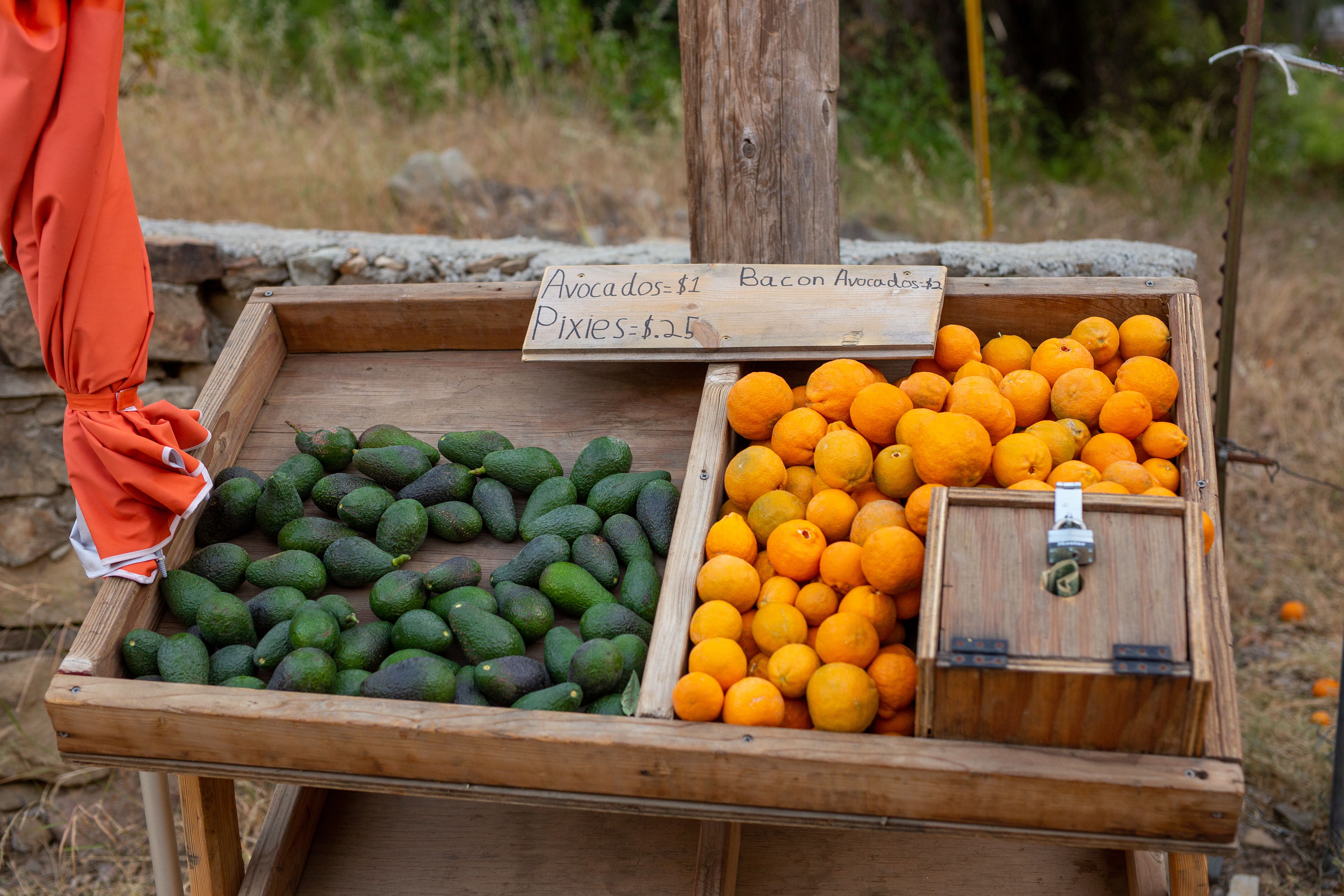
The allure of high profits led many farmers to convert their land to avocado orchards, often without sufficient foresight into market dynamics or environmental impacts. While Kenya’s avocado exports grew by 15% in 2022, reaching 93,660 metric tons (Business Daily Africa), this success has paradoxically contributed to a glut in supply during peak seasons. This market saturation inevitably drives down farm-gate prices, eroding the profitability for small farmers who lack the bargaining power of larger commercial entities. Furthermore, the reliance on rainfall and rudimentary irrigation systems leaves many smallholders vulnerable to increasingly erratic weather patterns and prolonged droughts, directly impacting crop yield and quality.
Key Insights or Strategies: Navigating the Murky Waters of Avocado Economics
Understanding the core issues is the first step towards building resilience for small-scale avocado farmers. The challenges are multi-faceted, ranging from market access to environmental sustainability.
Market Access and Price Volatility
Small farmers often struggle to access reliable markets beyond local middlemen who offer meager prices. The lack of direct engagement with exporters means they miss out on higher international prices. Price fluctuations, driven by global supply and demand, hit smallholders hardest, as they have little buffer to absorb losses.
High Input Costs and Financial Strain
The cost of quality seedlings, fertilizers, pesticides, and labor has steadily risen, placing a significant burden on small farmers with limited capital. Many resort to cheaper, less effective inputs or risk lower yields, perpetuating a cycle of financial struggle.
Water Scarcity and Environmental Impact
Avocado trees are water-intensive, and their widespread cultivation, particularly in semi-arid regions, strains local water resources. This leads to increased competition for water, impacting other agricultural activities and local communities. Sustainable water management is critical.
By addressing these critical areas, small farmers can begin to reclaim their footing in the competitive avocado market. To learn more about innovative solutions and sustainable practices that can empower your farm, Explore sustainable living solutions with Eco-Oasis Firm.
Case Studies, Examples, or Comparisons: Learning from the Field
While the challenges are significant, there are burgeoning efforts and successful models that offer hope. In parts of Murang'a and Kisii counties, smallholder farmer groups have begun forming cooperatives, successfully bypassing exploitative middlemen. These cooperatives negotiate directly with large exporters, securing better prices and more stable contracts. For instance, some groups have reported an increase of up to 30% in farm-gate prices compared to individual sales to brokers (Royal Seedlings). This collective bargaining power not only ensures fairer remuneration but also provides access to crucial market information and quality control training.
Another inspiring example comes from regions experimenting with climate-smart agriculture. Farmers are adopting practices such as intercropping avocados with drought-resistant legumes, which improve soil fertility and moisture retention, reducing the need for external fertilizers and irrigation. These initiatives often include training on soil testing and tailored nutrient management, leading to healthier trees and higher-quality fruit despite environmental pressures. Such diversified approaches also provide supplementary income streams, shielding farmers from the sole reliance on avocado price fluctuations.
Globally, comparisons with other avocado-producing nations, like Peru or Mexico, highlight the importance of robust export infrastructure and farmer support programs. While Kenya's industry is newer in its scale, learning from established markets about traceability systems, certification for sustainable practices, and farmer insurance schemes could offer valuable blueprints for creating a more stable and equitable environment for its small-scale growers.
Common Mistakes to Avoid: Pitfalls for Small-Scale Growers
In the pursuit of avocado prosperity, small farmers often make critical errors that can undermine their efforts and financial stability.
Expert Tips or Best Practices: Cultivating Resilience and Sustainability
Empowering small farmers in Kenya's avocado sector requires a shift towards informed, sustainable, and collaborative practices. Here are expert tips to navigate the challenges:
Implementing these practices not only builds economic resilience but also fosters environmental stewardship, ensuring the long-term viability of avocado farming. For comprehensive resources and partnerships in sustainable agriculture, Explore sustainable living solutions with Eco-Oasis Firm.
Future Trends or Predictions: What Lies Ahead for Kenyan Avocado Farmers
The future of Kenya's avocado industry for small farmers will likely be shaped by several evolving trends, demanding adaptability and strategic foresight. Globally, there's a growing consumer preference for sustainably produced food, driving demand for certified avocados that meet environmental and social standards. This means small farmers who adopt eco-friendly practices, such as water conservation and reduced chemical use, may gain access to premium markets and fetch better prices.
Technological advancements are also poised to play a crucial role. Innovations in precision agriculture, including remote sensing for monitoring tree health and soil moisture, and AI-powered pest detection, could become more accessible, helping farmers optimize resource use and improve yields. Mobile platforms offering direct-to-consumer sales or facilitating transparent market linkages will empower smallholders by reducing reliance on opaque supply chains. Furthermore, government policies are likely to focus more on regulating the sector to ensure fair trade practices and environmental protection. There will be increased pressure for stronger farmer cooperatives and better support systems to ensure the benefits of the avocado boom are more widely distributed, rather than concentrating wealth among a few large players. The push for diversification beyond Hass avocados to include other resilient or niche varieties may also gain traction, mitigating risks associated with monoculture.
Conclusion: Sowing Seeds of a More Equitable Future
The narrative of Kenya's avocado boom is one of immense potential, yet it is undeniably shadowed by the significant struggles of its small-scale farmers. While the 'green gold' has brought prosperity to some, market saturation, escalating costs, and environmental pressures like water scarcity continue to challenge the livelihoods of those who form the backbone of the industry. The consolidation of wealth with larger entities highlights an urgent need for systemic change that prioritizes equity and sustainability.
Addressing these disparities requires a concerted effort from all stakeholders: farmers embracing innovative and sustainable practices, cooperatives strengthening their collective bargaining power, and policymakers implementing regulations that foster fair trade and environmental stewardship. By investing in knowledge, technology, and robust support systems, Kenya can transform its avocado sector into a truly inclusive engine of growth, ensuring that the fruits of its labor are shared more equitably. It's time to cultivate not just avocados, but a future where every farmer thrives. To be part of this transformative journey towards sustainable agriculture and community empowerment, Explore sustainable living solutions with Eco-Oasis Firm.
FAQs: Your Questions Answered About Avocado Farming in Kenya
Q1: What are the main challenges faced by small avocado farmers in Kenya?
A1: Small avocado farmers in Kenya primarily face challenges such as market access limitations, leading to reliance on middlemen and low farm-gate prices. They also contend with high input costs for fertilizers and pesticides, increasing water scarcity dueven to climate change and intensive irrigation, and a lack of proper storage and transportation facilities. These issues collectively reduce profitability and increase vulnerability to market fluctuations. (IFPRI)
Q2: How does market saturation affect avocado prices for Kenyan farmers?
A2: Market saturation, particularly during peak harvest seasons, creates an oversupply of avocados, which inevitably drives down prices at the farm gate. When too many farmers produce avocados simultaneously, the competition increases, allowing buyers (especially middlemen) to offer lower prices, significantly impacting the income of small-scale growers who have limited storage and market reach. (Royal Seedlings)
Q3: What role do cooperatives play in helping small avocado farmers?
A3: Farmer cooperatives are crucial for empowering small avocado farmers. By joining forces, farmers can collectively negotiate better prices with exporters, bypass exploitative middlemen, and access bulk discounts on inputs like fertilizers and seedlings. Cooperatives also provide training, quality control assistance, and shared access to crucial infrastructure like storage facilities and transportation, enhancing overall market competitiveness and profitability. (Medium)
Q4: What sustainable practices can small farmers adopt to mitigate water stress?
A4: To combat water stress, small farmers can adopt several sustainable practices. Drip irrigation is highly recommended for its efficiency in delivering water directly to roots. Mulching around trees helps retain soil moisture and reduce evaporation. Rainwater harvesting through small dams or tanks can provide crucial water reserves during dry seasons. Additionally, intercropping with less water-intensive plants or cover crops improves soil health and water retention. (Bwagabei Farms)
Q5: How can small farmers improve the quality of their avocado produce for export?
A5: Improving avocado quality for export involves several steps: using certified, disease-free seedlings; implementing proper tree management techniques like pruning and pest control (preferably integrated pest management); ensuring optimal irrigation and nutrient supply; and carefully harvesting at the correct maturity stage. Post-harvest handling, including sorting, grading, and proper packaging, is also critical to meet international quality standards and fetch premium prices. (Royal Seedlings)
Q6: What government initiatives are in place to support small avocado farmers in Kenya?
A6: The Kenyan government, through various agricultural agencies, has implemented initiatives to support small avocado farmers. These include providing agricultural extension services for training on best practices, promoting farmer cooperatives, and sometimes offering subsidized seedlings or inputs. Efforts are also made to open new international markets and regulate the industry to ensure fairer trade practices, though the implementation and reach of these initiatives can vary across regions. (Farmers Trend)


0 Comments