

Estimated Reading Time: 11 minutes
Smarter Farming with Vertical Farming
Meta Description: Discover how vertical farming boosts sustainability and innovation in agriculture.
TL;DR:
Key Takeaways
Table of Contents
Introduction
Vertical farming revolutionizes agricultural industry by introducing an innovative method of crop production that addresses key challenges in Kenya's agriculture such as limited arable land, climate variability, and growing urban populations. This sustainable agricultural approach allows crops to be grown in vertically stacked layers, often in controlled indoor environments, reducing land dependency while enhancing yield and minimizing resource use.
Kenya, like much of East Africa, is experiencing rapid urbanization that puts pressure on traditional farming practices. Vertical farming offers a transformative solution to these challenges by enabling urban and peri-urban communities to produce fresh, nutritious food sustainably. This article explores the principles, benefits, strategies, and future prospects of vertical farming in Kenya, highlighting practical insights and recommended tools to empower farmers and agribusinesses to thrive.
Background & Context
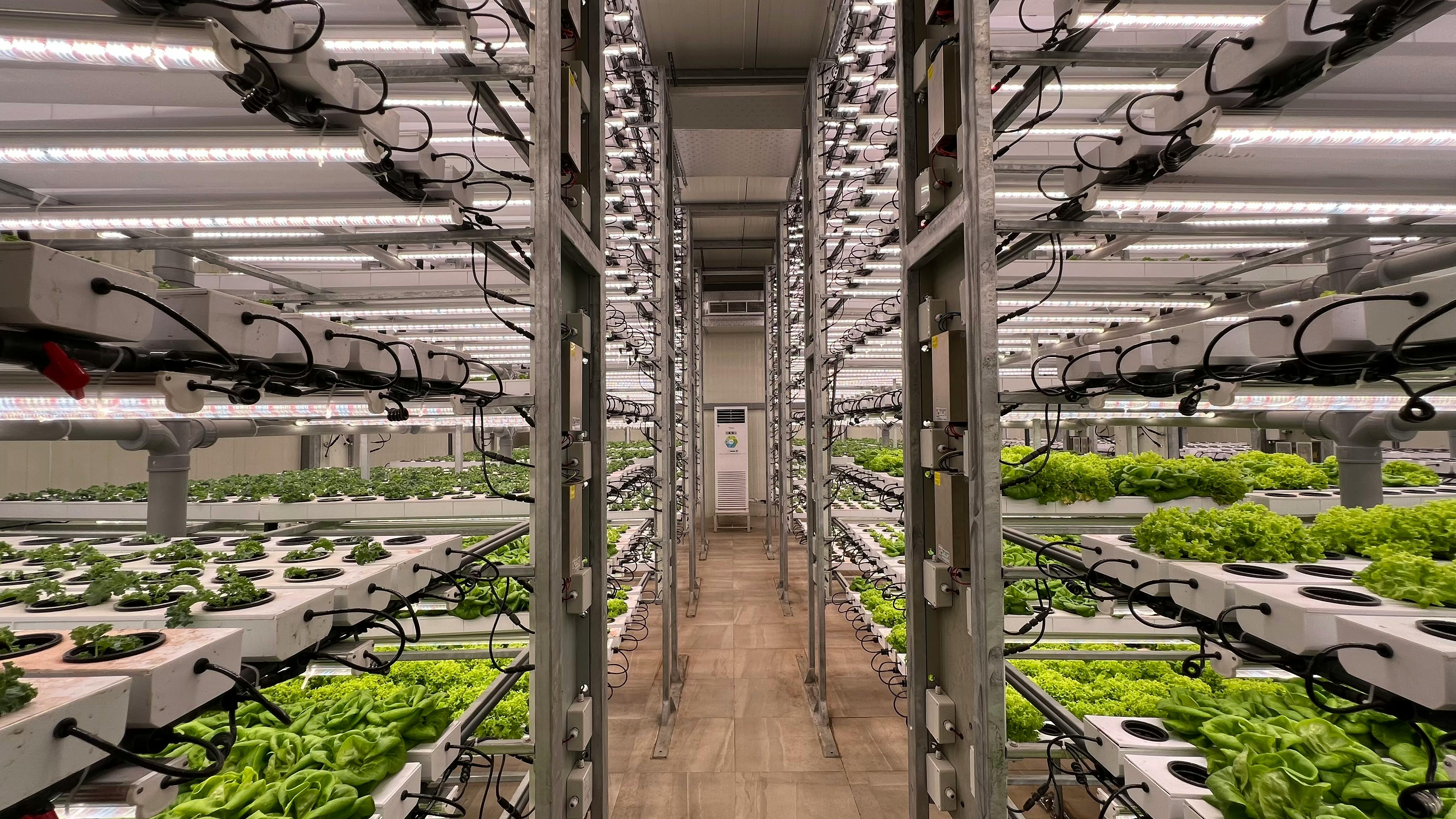
Kenya’s agricultural sector is essential to its economy and livelihoods, contributing around 33% to GDP and employing over 70% of the rural population. Despite this, challenges such as declining soil fertility, land degradation, and erratic rainfall patterns limit agricultural productivity. Organic farming practices have been gaining momentum to address soil health and chemical use concerns. The agribusiness sector is also growing, with increased interest in innovative, sustainable farming systems that boost food security and income.
The use of vertical farming aligns with these sustainability goals by limiting soil pollution and degradation while optimizing water and nutrient use. According to the Food and Agriculture Organization (FAO), urban agriculture, including vertical systems, can significantly contribute to food security in rapidly expanding cities like Nairobi. Moreover, sustainable methods improve soil fertility management and reduce emissions tied to traditional farming and food transport.
Key Insights or Strategies
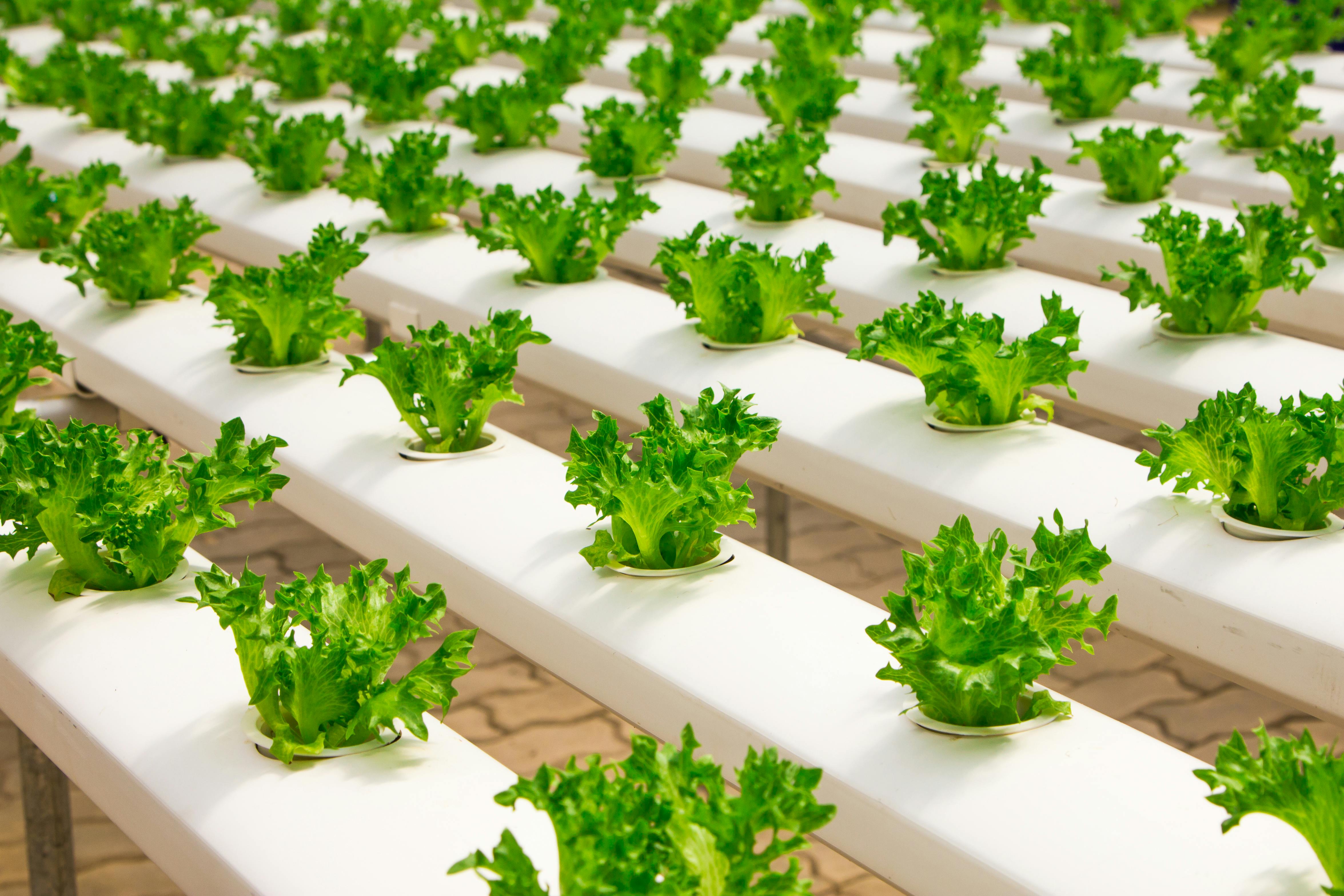
1. Efficient Use of Space Through Vertical Layers
Vertical farming maximizes crop yields per square meter by stacking growing beds. This approach is especially valuable in Kenyan urban areas where land is scarce and costly.
- Set up modular vertical crop stacks suitable for leafy greens, herbs, and small vegetables.
- Use lightweight, durable materials that allow easy maintenance and harvesting.
- Incorporate grow lights if natural light is limited, optimizing photosynthesis.
2. Soil Health and Nutrient Management
Maintaining optimum soil conditions is key for vertical farm success. Regular soil testing guides nutrient supplementation and pH adjustments.
- Use a reliable soil testing kit to monitor key parameters like pH, nitrogen, phosphorus, and potassium.
- Apply organic fertilizers and amendments to boost microbial activity and plant growth.
- Rotate crops or use hydroponic substrates to prevent disease build-up.
Boost your yields with the MySoil Soil Test Kit – available on Amazon .
3. Water Conservation with Drip Irrigation
Water is often scarce in Kenya, making efficient irrigation essential. Drip irrigation delivers water directly to plant roots, minimizing evaporation and runoff.
- Install a drip irrigation system designed for vertical setups to ensure uniform watering.
- Automate watering schedules based on crop needs and climate conditions.
- Recycle and treat water where possible to boost sustainability.
Try the Raindrip Drip Irrigation Kit – available on Amazon for efficient vertical farm watering.
Explore sustainable organic farming solutions with Biofarm Kenya
Case Studies, Examples, or Comparisons
In Nairobi’s Kibera and Mathare slums, innovative urban farmers have adopted vertical and sack gardening to grow vegetables in confined spaces, combating food insecurity and generating income. Supported by NGOs and government initiatives, these vertical farms show practical benefits including higher yields per area, reduced transport times, and year-round production.
Another example is Grekkon Limited's multi-storey garden systems, which are used extensively in urban Kenyan homes. These modular vertical gardens are easy to assemble and can be situated indoors or outdoors, enhancing household food production.
According to Kenya’s Ministry of Agriculture and the FAO, such sustainable urban agriculture methods can reduce household food expenses by up to 30% and improve nutrition diversity, showcasing vertical farming’s potential as a poverty-alleviating tool.
Common Mistakes to Avoid
- Poor Soil Management: Not testing soil regularly can lead to nutrient imbalances and poor crop growth. Always perform routine soil tests and adjust fertilization accordingly.
- Overwatering or Underwatering: Inadequate irrigation harms roots and plant health. Avoid manual guesswork with drip irrigation systems that provide consistent moisture.
- Ignoring Pest Control: While vertical farms reduce many pests, ignoring monitoring can lead to infestations. Adopt integrated pest management with organic methods.
- Lack of Ventilation in Greenhouses: Without proper airflow, humidity and heat build-up can cause diseases. Use adjustable vents and fans in greenhouse setups.
- Inadequate Lighting: Insufficient natural or artificial light reduces photosynthesis and yield. Ensure vertical layers receive evenly distributed light, supplementing with grow lights where needed.
Expert Tips or Best Practices
Maintain healthy soil with periodic applications of organic composts and biofertilizers. Consider using products like the Purple Cow Organics All Purpose Veggie Mix which is organic, chemical-free, and ready for use.
Use modular greenhouse kits to protect crops from harsh weather while providing control over temperature and humidity. Options are available on marketplaces like Amazon to suit small farms and urban farms.
Stay connected with agricultural experts and source quality inputs through Explore sustainable organic farming solutions with Biofarm Kenya .
Future Trends or Predictions
The future of Kenyan agriculture is increasingly intertwined with technology. Vertical farming integrated with smart irrigation, AI-driven crop monitoring, and automated climate controls promises higher efficiency and sustainability. Precision agriculture tools will help farmers optimize resources and reduce losses.
Innovations such as hydroponics and aquaponics will complement vertical systems, using water-based nutrient solutions that further conserve soil and water. Digital platforms connecting farmers to markets, expertise, and inputs will accelerate knowledge sharing and adoption of best practices.
Conclusion
Vertical farming revolutionizes agricultural industry by offering innovative solutions to Kenya's pressing food security and sustainability challenges. With efficient use of space, improved resource management, and adoption of key tools like soil testing kits and drip irrigation, vertical farms can boost yields and livelihoods.
For those interested in embracing modern farming techniques, discover trusted organic farming tools on Amazon and learn more about sustainable solutions with Biofarm Kenya .
FAQs
1. What is vertical farming, and how does it work in Kenya?
Vertical farming is a method of growing crops stacked in layers in controlled environments such as indoor facilities or greenhouses. In Kenya, it allows food production in urban and limited space areas, increasing yields and reducing resource use. Learn more at FAO Urban Agriculture.
2. How can Kenyan farmers improve soil fertility for vertical farming?
Using organic fertilizers, regular soil testing, and crop rotation enhances soil fertility. Soil testing kits such as the MySoil Soil Test Kit help determine nutrient levels and soil pH. For guidance visit Biofarm Kenya.
3. What irrigation methods suit vertical farming in Kenya?
Drip irrigation systems are highly efficient for vertical farms, delivering water directly to roots, reducing wastage. Products like Raindrip Drip Irrigation Kit are ideal. Learn about water management from the National Environment Management Authority (NEMA).
4. Can vertical farming reduce pesticide use?
Yes, vertical farming often uses controlled environments that reduce pest exposure, minimizing pesticide needs. Organic pest management strategies complement this approach. More information is available at Kenya Plant Health Inspectorate Service (KEPHIS).
5. Are greenhouse kits practical for small Kenyan farms?
Greenhouse kits provide climate control, protection from weather and pests, enabling year-round production. Small-scale kits are affordable and easy to assemble. Check available options on Amazon.
6. Where can I find sustainable farming support and inputs in Kenya?
Biofarm Kenya offers sustainable organic farming solutions, expert advice, and quality inputs tailored to local needs. Visit Biofarm Kenya Partners for more information.
References & Resources:
- FAO Urban Agriculture
- National Environment Management Authority (NEMA)
- Kenya Plant Health Inspectorate Service (KEPHIS)
- Biofarm Kenya Partners
- Ministry of Agriculture Kenya
- Kenya Agribusiness Forum
Biofarm Kenya Internal Links:


0 Comments